


How Does the Ventilation System in Laying Hen Houses Affect Egg Production Rate? Technical Analysis of Sidewall Inlet + Roof Exhaust Airflow Organization

How Does the Ventilation System in Laying Hen Houses Affect Egg Production?
In the world of egg production, the health and well - being of laying hens directly impact the overall productivity. Among various environmental factors, the ventilation system in laying hen houses plays a crucial role. This article will take a deep - dive into how ventilation and temperature control influence egg production rates.
The Key Variables: Temperature and Air Quality
Temperature and air quality are fundamental in determining the health and performance of laying hens. A stable temperature range is essential for hens to stay comfortable. Extreme heat can cause heat stress, which leads to reduced feed intake, lower egg production, and even mortality in severe cases. In fact, according to industry data (a survey shows that when the temperature in a hen house exceeds 30°C for an extended period, egg production can drop by up to 20%). Poor air quality, filled with ammonia, dust, and other harmful substances, can also lead to respiratory diseases, further affecting the hens' ability to lay eggs.
How Does Side - Wall Inlet + Top - Exhaust Ventilation Work?
The side - wall inlet + top - exhaust ventilation system has unique advantages. This system allows fresh air to enter from the side walls, creating a gentle airflow. As the air moves through the house, it displaces the stale air, which is then exhausted from the top. This design ensures uniform air distribution. For example, zones that were previously prone to stagnant air, such as corners, can now receive fresh air, eliminating dead - air spaces. This uniform airflow helps maintain a consistent temperature and humidity level throughout the hen house, providing a more stable environment for the laying hens. 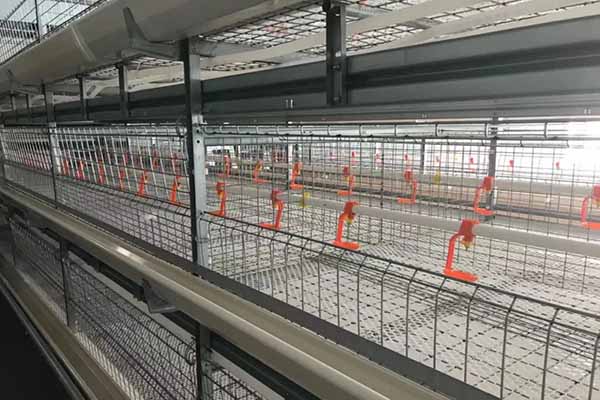
The Real - World Impact on Egg Production
Many farmers have witnessed significant improvements in egg production after optimizing their ventilation systems. Take a large - scale egg farm in the Midwest as an example. Before adopting the side - wall inlet + top - exhaust system, their average egg production rate was around 85%. After the installation and adjustment of the new ventilation system, the production rate increased to 94% within three months. This kind of improvement not only boosts revenue but also enhances the overall efficiency of the farm.
The Value of Aluminum - Zinc Alloy Coating
In a laying hen house, the ventilation equipment is constantly exposed to a humid and corrosive environment. The aluminum - zinc alloy coating on the ventilation components offers long - term protection against rust and corrosion. By preventing the equipment from deteriorating, it indirectly ensures the stability of the environment in the hen house. This stability is vital for maintaining a consistent egg production rate and the continuous operation of the egg - laying business. 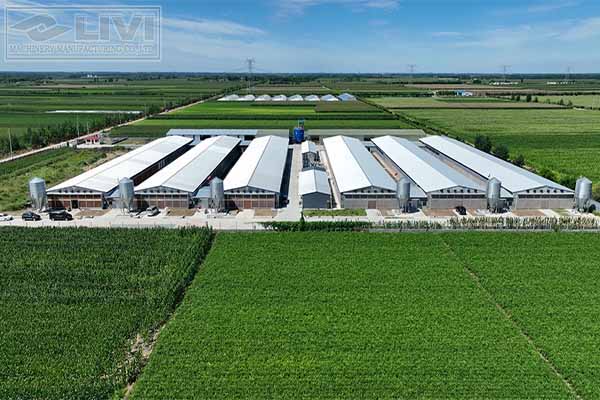
Simple Detection Tools and Maintenance Tips
To ensure the proper functioning of the ventilation system, farmers can use some simple detection tools. A temperature and humidity recorder is a must - have. It can help you monitor the environmental conditions in the hen house in real - time. Additionally, regularly checking and cleaning the fans is crucial. It is recommended to clean the fans at least once a month to maintain their efficiency. You can also use an air quality detector to measure the levels of ammonia and other harmful substances in the air. 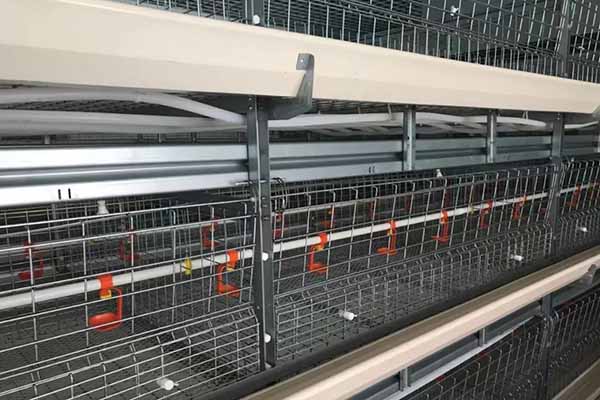
Interactive Question
Do you often notice a stuffy feeling in your hen house? If so, it might be time to evaluate your ventilation system. A well - designed ventilation system can make a world of difference in your egg production.
Are you eager to enhance your egg production with a more efficient ventilation system? Explore our professional ventilation solutions in the technical column of our official website.







Hot Products

.jpg?x-oss-process=image/resize,m_fill,h_800,w_800/format,webp)


Popular articles






READY TO START?
Ready to Build Your Poultry Farm?
Tell us your land size, poultry type and farming capacity. LIVI will provide a complete farm solution for your project.