


Ventilation System Design for Laying Hen Farms | Boost Egg Production & Health

Key Elements of Ventilation System Design in Layer Poultry Farms: How Air Circulation Boosts Egg Production & Health
Ventilation design in layer poultry farms plays an indispensable role in maintaining optimal production and animal welfare. Inadequate airflow and poor environmental control can lead to respiratory diseases, heat stress, and a significant drop in egg production – often ranging between 10% to 15%. Addressing these challenges requires a precise understanding of air movement, humidity regulation, and temperature control.
Understanding the Impact of Air Velocity and Exchange Rate
Proper ventilation ensures continuous removal of harmful gases such as ammonia and carbon dioxide while replenishing oxygen levels. The target air velocity in layer houses typically ranges between 0.3 to 0.5 meters per second, which supports effective gas exchange without causing drafts that stress the birds. Meanwhile, the recommended air exchange frequency falls between 15 to 20 air changes per hour, balancing fresh air influx with energy efficiency.
Excessive humidity, commonly above 70%, creates an environment that promotes respiratory infections and encourages pathogenic microbial growth. Humidity control systems integrated within ventilation help maintain levels around 50-60%, crucial for respiratory health and litter condition.
Temperature Regulation: The 18–24°C Sweet Spot
Heat stress is a silent yield inhibitor. Maintaining a stable temperature range of 18 to 24°C reduces feed intake fluctuations, stabilizes metabolic rates, and minimizes egg-laying interruptions. Advanced poultry climate control systems utilize thermostats and sensors to adjust ventilation fans and evaporative cooling dynamically, ensuring the environment stays within this optimal band regardless of external weather changes.
Material Selection for layer cages: Durability Meets Hygiene
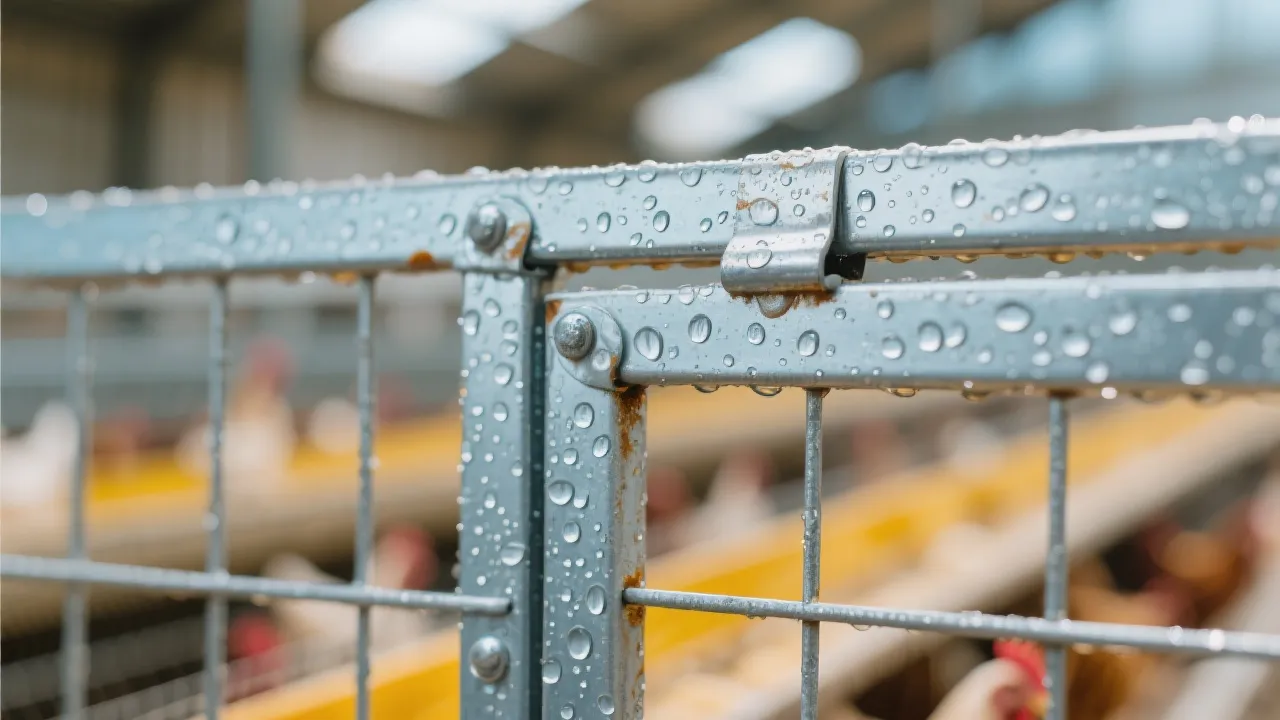
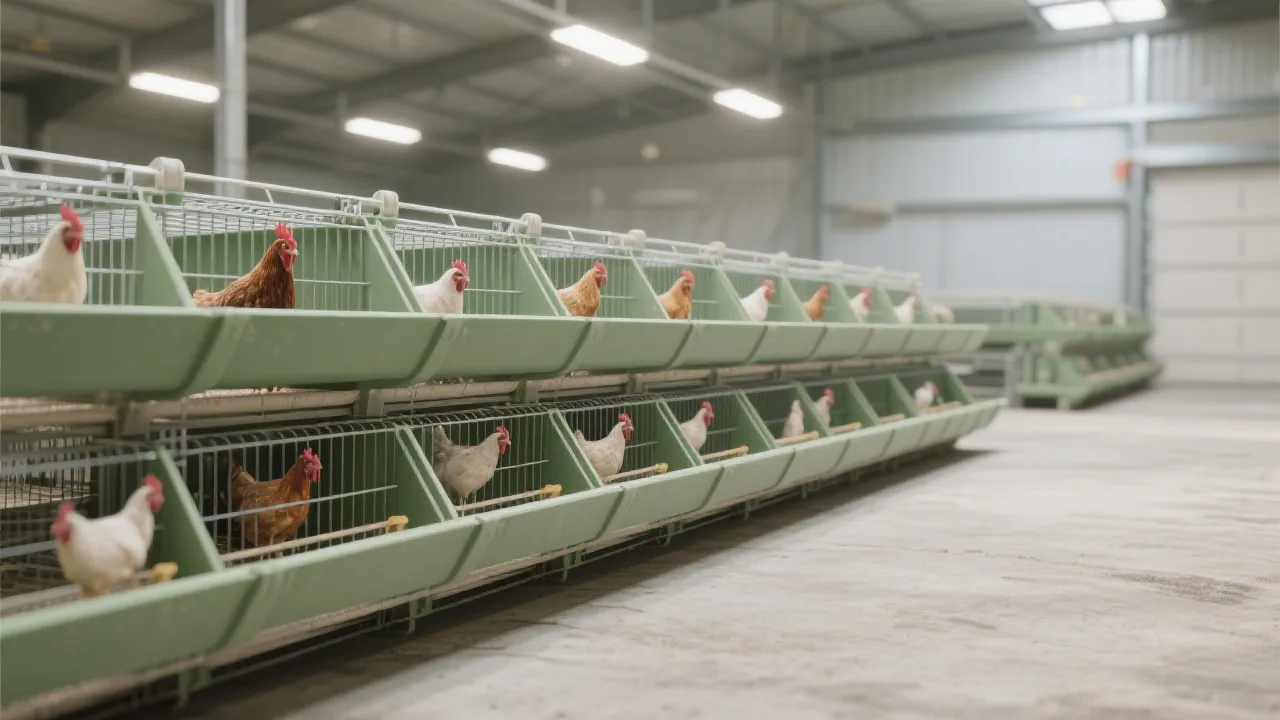
Selecting corrosion-resistant materials is a pivotal factor in ensuring the longevity and hygiene of poultry equipment. The use of Q235 steel in H-type layer cages, such as those produced by Zhengzhou Livi Machinery, exhibits excellent resistance against corrosive farm environments. Durable cage materials minimize microbial contamination risks and reduce maintenance downtime, directly supporting animal health and improving production consistency.
Synergizing Automation: Cleanliness Enhances Productivity
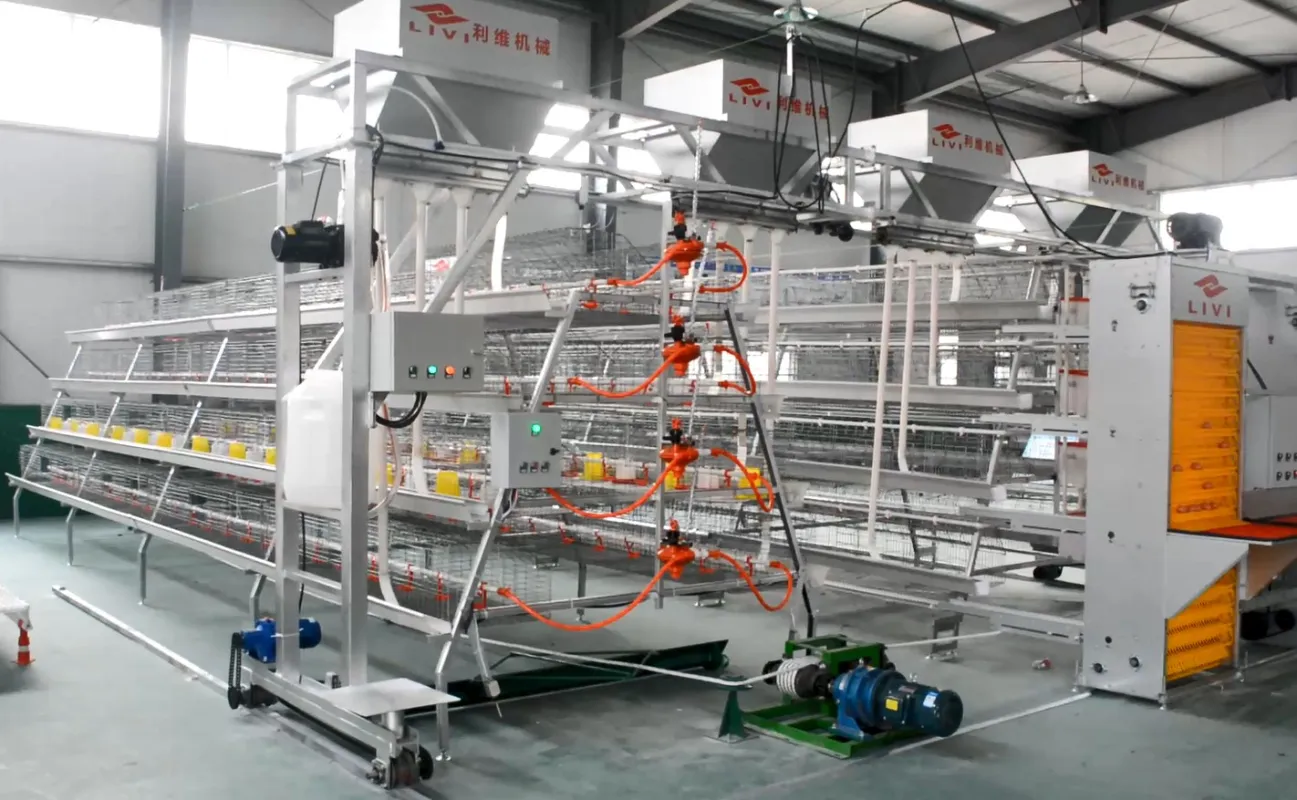
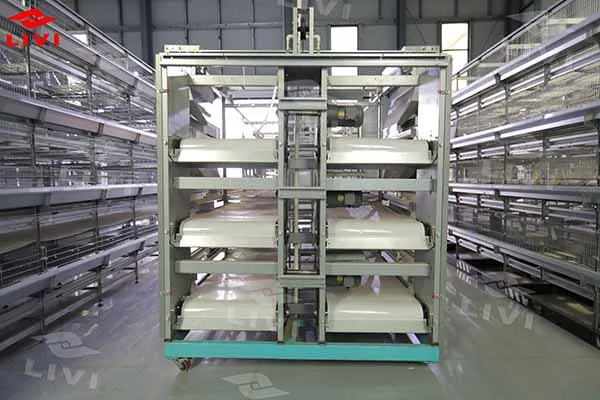
Automation in cleaning and egg collection brings unprecedented precision to farm hygiene management. Automated manure removal systems dramatically reduce ammonia accumulation, while robotic egg collection lowers stress on birds and human contamination risks. When coupled with a carefully designed ventilation system, these technologies reduce energy consumption and optimize resource use—contributing to sustainable, high-efficiency production cycles.
Farms that upgraded to integrated ventilation and automated cage systems reported up to a 15% increase in egg yield and a 30% reduction in respiratory illness incidence within one production cycle, highlighting environment management as a proven leverage point.
Interactive Resource: Optimize Your Layer Farm Environment
To assist poultry farm operators and technical staff in implementing effective ventilation strategies, we offer a comprehensive Layer Farm Environment Self-Check Checklist (PDF). This tool guides you through critical inspection points for airflow, temperature, humidity, and equipment condition—enabling ongoing optimization tailored to your farm’s unique needs.
Discover How Q235 Steel + Automation Systems Create Stable, Efficient Poultry Environments




Hot Products

.jpg?x-oss-process=image/resize,m_fill,h_800,w_800/format,webp)


Popular articles





READY TO START?
Ready to Build Your Poultry Farm?
Tell us your land size, poultry type and farming capacity. LIVI will provide a complete farm solution for your project.