


Analysis of Material Selection and Surface Treatment for Laying Hen Cage Equipment to Extend Lifespan
Analysis of Material Selection and Surface Treatment Technology for Layer Cage Equipment: Key Factors for Prolonging Equipment Life
In large-scale layer farms, selecting efficient and durable layer cage equipment is crucial for improving farming efficiency, reducing operating costs, and ensuring the health of the chicken flock. This article delves into the material selection and surface treatment technology of layer cage equipment, highlighting the important role of international high-quality Q235 steel and hot-dip galvanizing, aluminum-zinc alloy coating in extending equipment life.
The Impact of Structural Design on Space Utilization and Operational Convenience
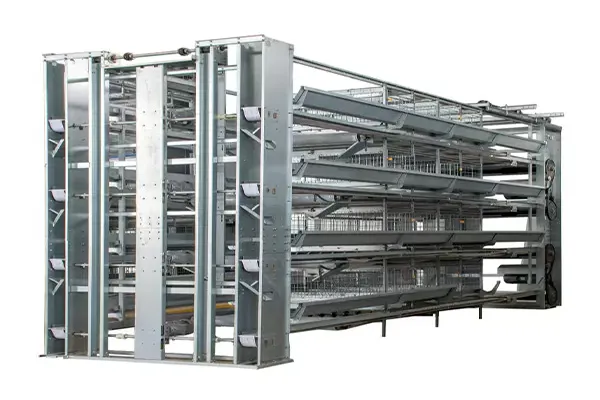
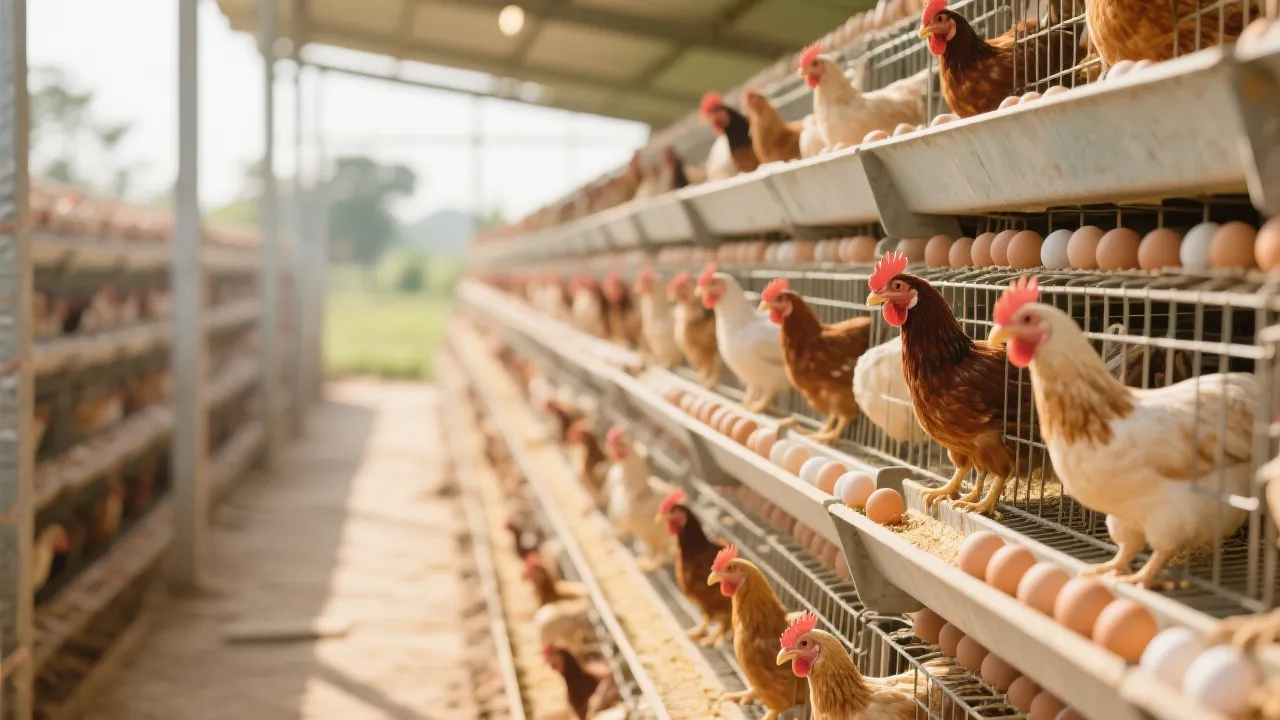
The structural design of layer cages significantly impacts space utilization and operational convenience. For example, the H-shaped structure has obvious advantages. It can save up to 30% of the space compared with traditional cage structures, allowing more chickens to be housed in the same area. At the same time, the design of the H-shaped structure facilitates the movement of farm workers, improving the efficiency of operations such as feeding and egg collection.
Enhancing Durability through Material and Surface Treatment
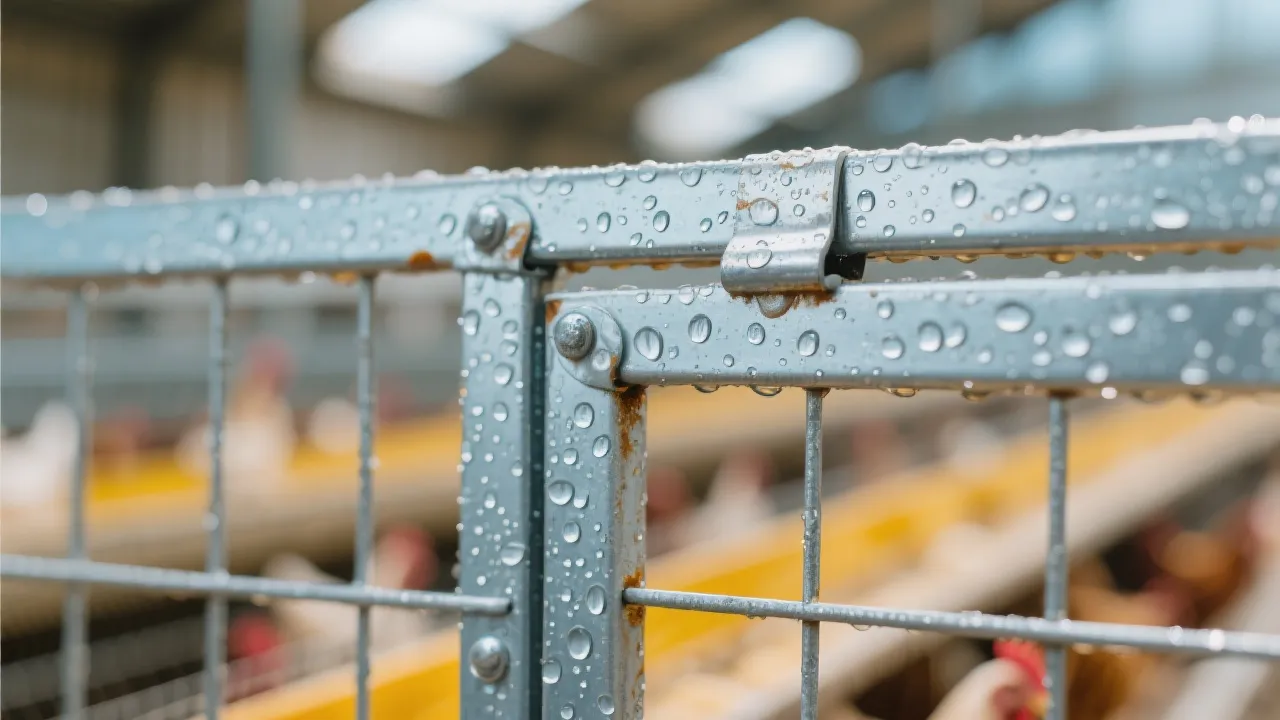
The use of international high-quality Q235 steel provides a solid foundation for layer cage equipment. This steel has excellent strength and toughness, which can withstand the wear and tear caused by long-term use. Additionally, the surface treatment processes, such as hot-dip galvanizing and aluminum-zinc alloy coating, play a vital role in protecting the steel from corrosion. A study shows that layer cages treated with hot-dip galvanizing can last 10 - 15 years longer than those without such treatment, effectively reducing the frequency of equipment replacement.
The Significance of Automated Systems in Layer Farming
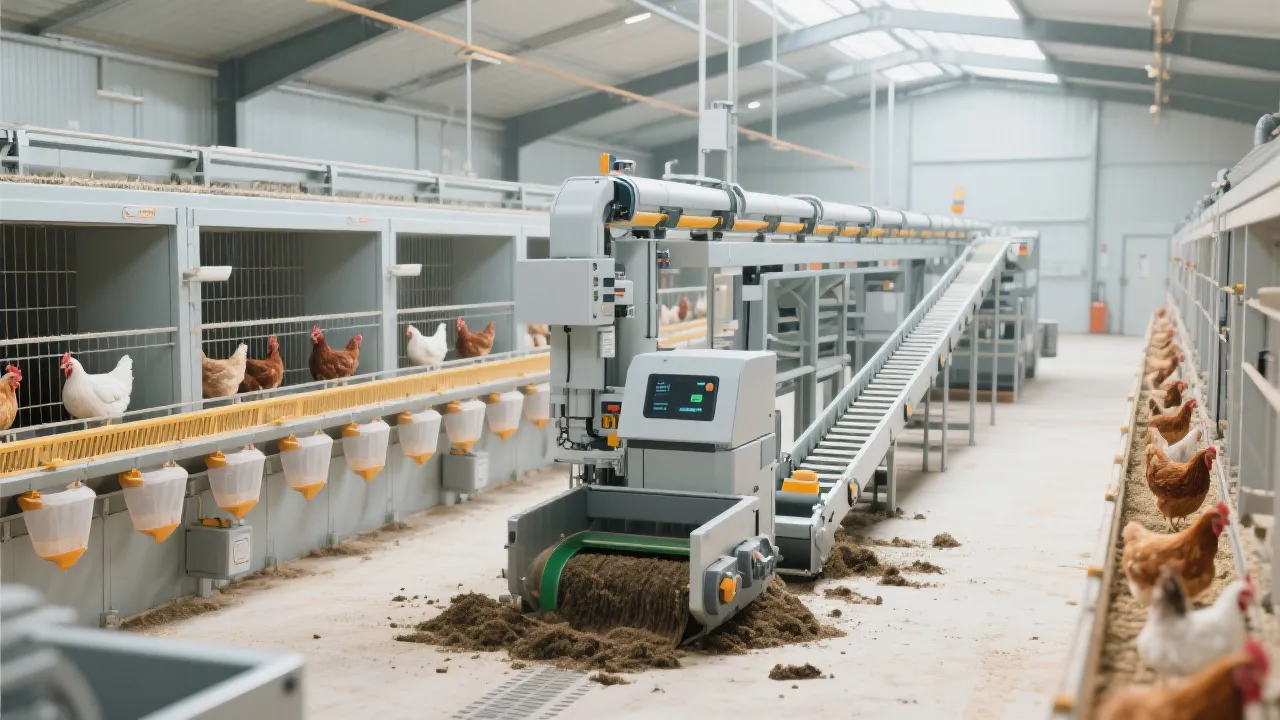
Automated egg collection and manure cleaning systems bring substantial benefits to layer farms. These systems can reduce labor costs by up to 50%, as they significantly cut down the time and effort required for manual egg collection and manure removal. Moreover, they improve farming efficiency by ensuring a more consistent and hygienic working environment, which is conducive to the health and productivity of the chickens.
Contrasting Traditional and Modern Layer Cages
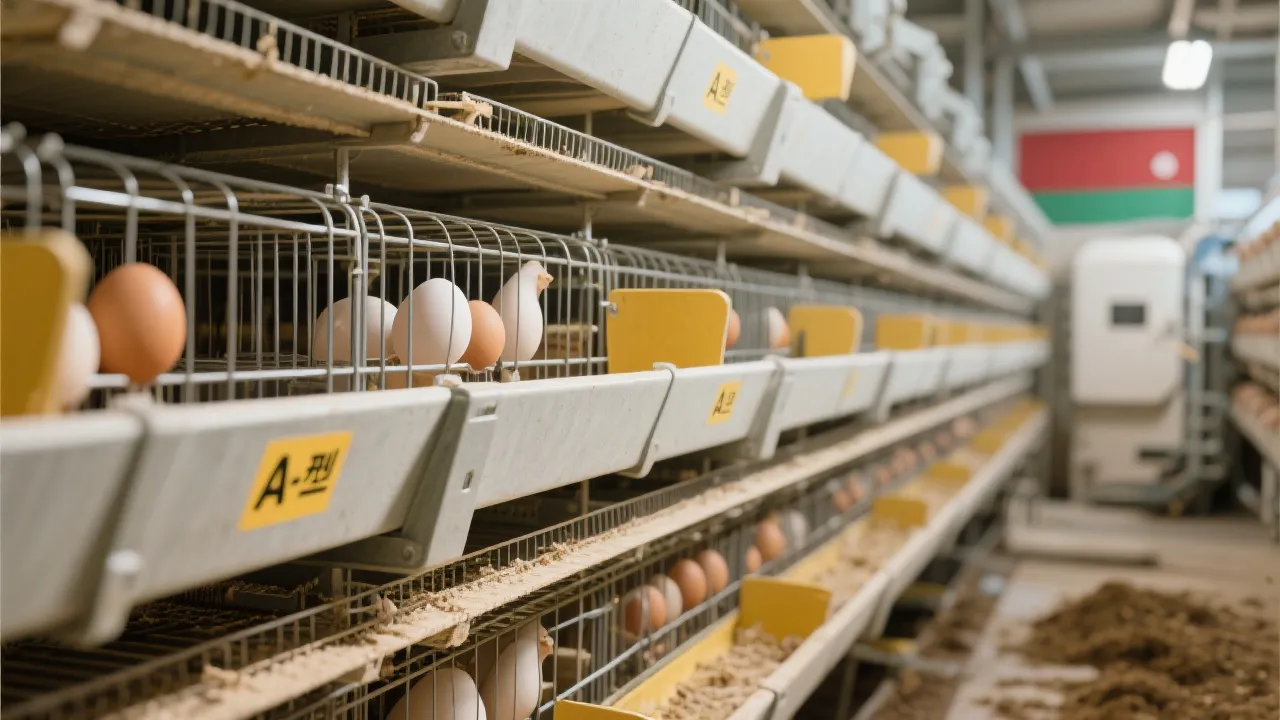
A real - world industry case shows the differences between traditional and modern layer cages. In terms of ventilation, modern cages can provide a 40% better air circulation than traditional ones, which helps to reduce the incidence of respiratory diseases in chickens. In terms of cleaning, modern automated cleaning systems can keep the cages 90% cleaner than traditional manual cleaning methods. As for chicken behavior, chickens in modern cages are more active and show fewer signs of stress, which is beneficial for egg production.
Ventilation and Temperature Control for a Healthy Farming Environment
Proper ventilation and temperature control are essential for creating a healthy farming environment. By maintaining an optimal temperature range of 18 - 22 °C and a relative humidity of 50 - 60%, the growth and egg - laying rate of layer hens can be significantly improved. For example, a farm that implemented advanced ventilation and temperature control systems saw a 15% increase in egg production within a year.
Future Trends and Development Suggestions
With the increasing focus on environmental protection and animal welfare policies, the future of layer cage equipment will see upgrades in terms of material sustainability, animal - friendly design, and energy - efficiency. For instance, the use of more recyclable materials and the design of cages that allow more natural movement for chickens will be the development directions.
If you want to learn more about advanced layer cage equipment technology and solutions, please click here to access comprehensive technical data and support.





Hot Products

.jpg?x-oss-process=image/resize,m_fill,h_800,w_800/format,webp)


Popular articles





READY TO START?
Ready to Build Your Poultry Farm?
Tell us your land size, poultry type and farming capacity. LIVI will provide a complete farm solution for your project.