


Large-Scale Layer Hen Farm Ventilation Optimization Case Study for Enhanced Egg Production

Optimizing Ventilation and Thermal Control in Large-Scale Layer Hen Farms to Boost Egg Production
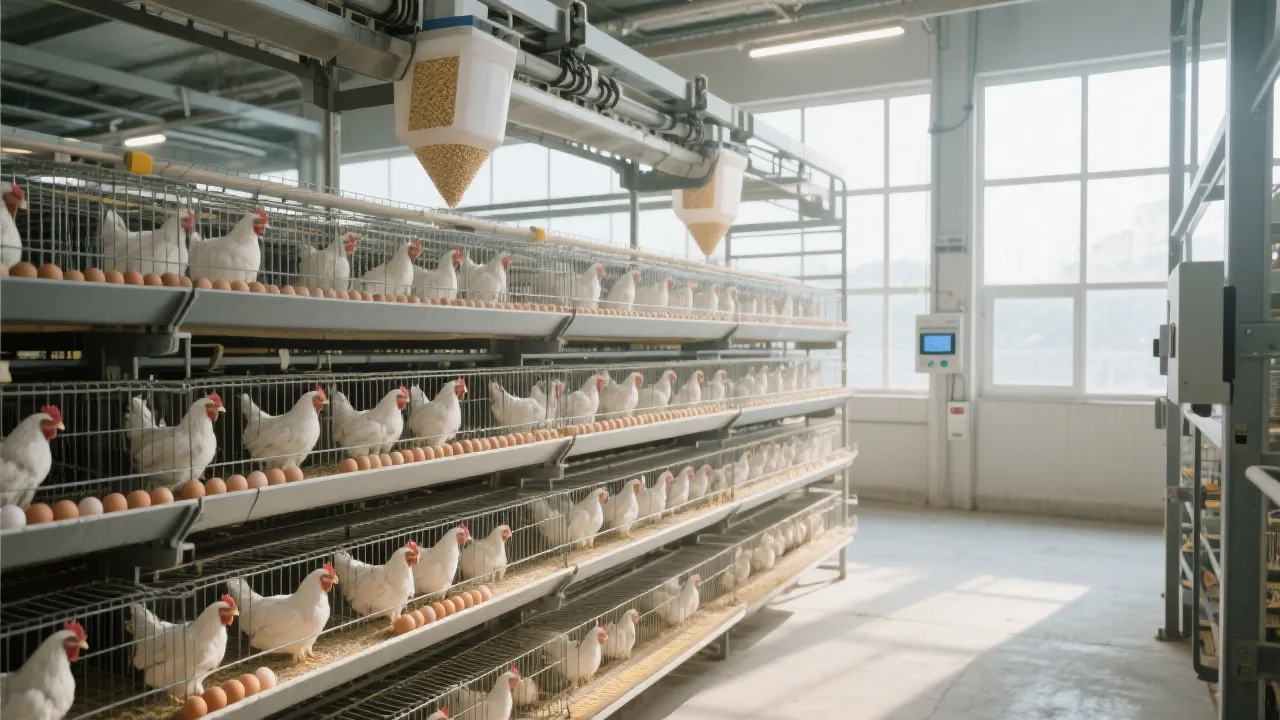
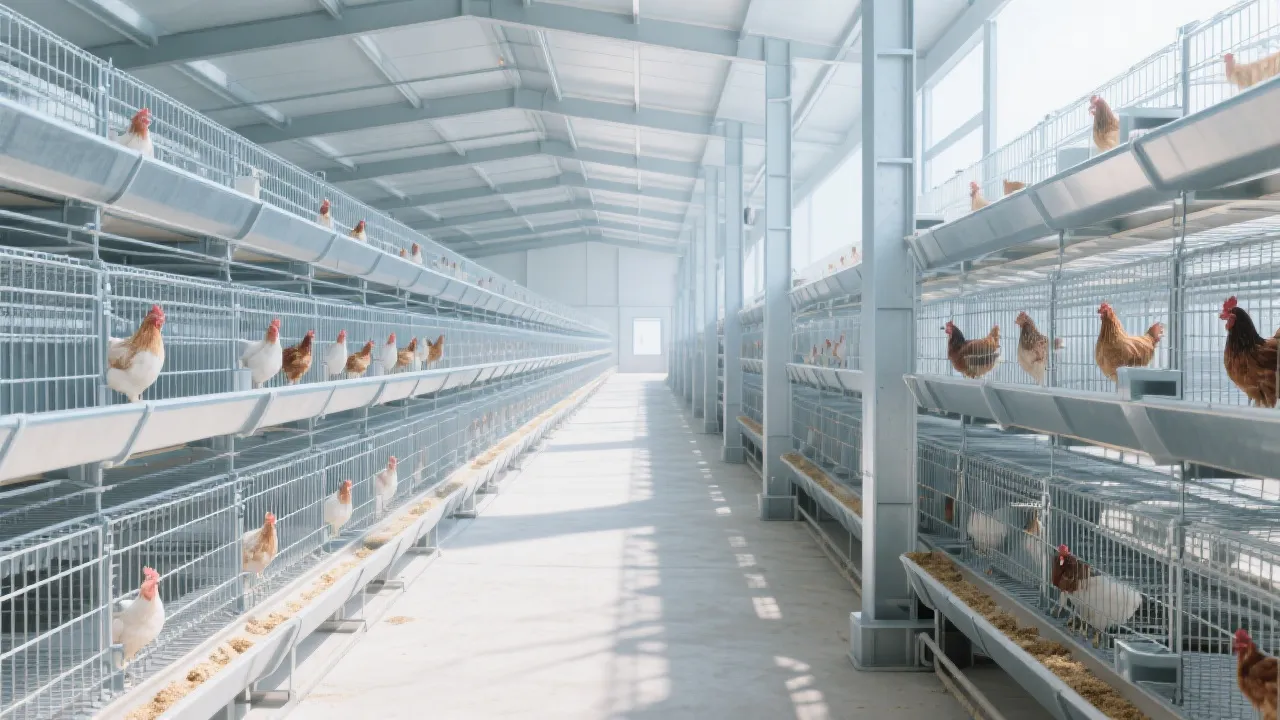
Efficient ventilation and temperature regulation are pivotal factors affecting egg production in commercial layer hen farms. Recent studies and field data confirm that precise environmental control can significantly reduce heat stress, which is a leading cause of decreased laying performance. This article investigates the science behind optimized airflow systems, exemplified by the innovative H-type tiered poultry cages supported by Zhengzhou Livi Machinery’s state-of-the-art ventilation design, and explores how these interventions drive measurable improvements in egg yield and flock health.
The Impact of Temperature and Air Quality on Layer Hen Productivity
Temperature fluctuations and poor air quality directly impair hens’ physiological balance, leading to stress responses that inhibit optimal egg laying. Research indicates that temperature swings exceeding 30°C can cause a 10% to 25% decline in production rates, exacerbated by elevated ammonia levels and humidity. Heat stress disrupts metabolic functions and reduces feed intake, jeopardizing flock performance and welfare.
Therefore, maintaining a stable microclimate within the poultry house is essential. Airborne contaminants must be continuously diluted and expelled to prevent respiratory ailments and enhance feed conversion efficiency. Precision ventilation not only stabilizes temperature and humidity within the ideal range (18°C to 24°C and 50%-70% relative humidity) but also improves oxygenation — critical parameters for high-yielding layer management.
Scientific Airflow Design: Sidewall Inlets and Ridge Exhausts in H-Type layer cages
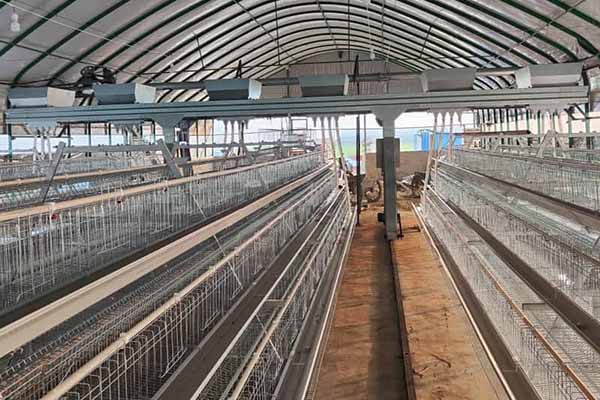
The efficient ventilation system designed for the H-type tiered layer cages orchestrates airflow by integrating sidewall inlets with top ridge exhaust fans. This configuration promotes a controlled, laminar air movement pattern, ensuring fresh air permeates evenly across all cage levels and stale, moist air exits promptly. Such directional airflow minimizes temperature gradients and removes noxious gases effectively.
This system's ability to sustain a steady environment reflects in reduced heat stress incidents and consistent laying rates. Field data from Zhengzhou Livi Machinery clients reveal that implementing this ventilation layout reduced temperature swings by over 40%, correlating to a 15% average increase in egg production within six months of adoption.
Utilizing Aluminum-Zinc Alloy Coatings for Enhanced Corrosion Resistance
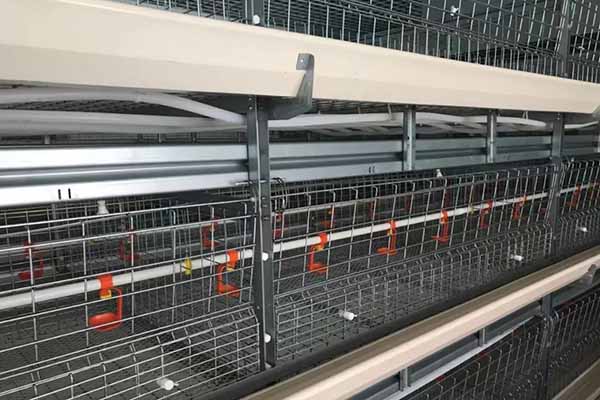
Durability of ventilation equipment is a crucial consideration for long-term operational stability. The use of aluminum-zinc alloy coatings on cage frames and ventilation ducts offers superior rust and corrosion resistance compared to traditional galvanized steel. This coating forms a protective barrier that resists moisture and chemical degradation characteristic of poultry house environments.
Clients report equipment lifespan extensions of up to 30%, resulting in reduced maintenance costs and fewer production disruptions. These benefits contribute significantly to sustained egg quality and consistent environmental conditions.
Practical Environmental Monitoring and Routine Maintenance
To maximize the benefits of advanced ventilation and temperature controls, daily monitoring of temperature, humidity, and air quality parameters is essential. Simple but effective tools such as digital thermohygrometers, ammonia sensors, and airflow meters enable timely detection of environmental anomalies.
Routine maintenance practices—cleaning inlet filters, checking fan operations, and inspecting cage coatings—safeguard system integrity and reduce downtime. Training farm personnel on these protocols fosters a proactive approach to optimal environmental management, ultimately securing higher egg yields and better hen welfare.





Hot Products

.jpg?x-oss-process=image/resize,m_fill,h_800,w_800/format,webp)


Popular articles





READY TO START?
Ready to Build Your Poultry Farm?
Tell us your land size, poultry type and farming capacity. LIVI will provide a complete farm solution for your project.