


Avoiding Pitfalls in Layer Hen Equipment Selection: Common Issues with Non-Certified Products in Middle East Markets

Avoiding Pitfalls in Selecting Layer Hen Farming Equipment for the Middle Eastern Market
In the complex landscape of Middle Eastern poultry farming, the choice of layer hen equipment is critical — not only for operational efficiency but also for regulatory compliance. A growing number of farms face challenges such as customs clearance delays and frequent customer complaints, largely stemming from the use of uncertified equipment. This article explores the underlying technical and compliance reasons behind these issues, focusing on the significance of ISO9001 quality management, ISO14001 environmental standards, and CE safety certification in layer hen cage systems.
Common Challenges with Uncertified Equipment in Overseas Projects
Uncertified layer hen equipment frequently causes operational disruptions that extend well beyond mere functionality. Key issues include:
- Customs Clearance Delays: Lack of recognized certification leads to shipment holds at ports, increasing lead times by up to 30% and inflating logistics costs.
- Maintenance and Durability Problems: Non-certified products often use substandard materials, resulting in corrosion and mechanical failures within 18 months post-installation.
- Health & Safety Risks: Excessive noise (above 75 dB), poor electrical insulation, and toxic material exposure contribute to workforce health complaints and non-compliance with local labor regulations.
Such issues not only degrade farm productivity but undermine the trust of stakeholders and local regulatory bodies.
Decoding the Technical Backbone of ISO9001, ISO14001 & CE Certifications
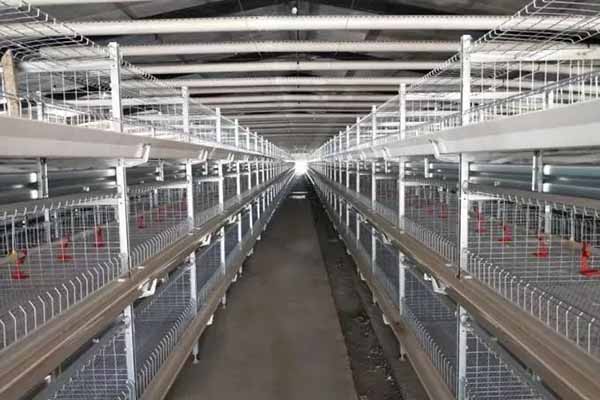
The certifications demand rigorous validation across multiple parameters. For context, consider the industry-leading H-shaped layer hen cage design, widely adopted in the Middle East:
| Certification | Technical Requirements | Application to H-Shaped Cage |
|---|---|---|
| ISO9001 | Quality management system ensuring consistent manufacturing processes with documented KPIs | Material sourcing protocols verify steel grade; welding inspections to prevent structural failure |
| ISO14001 | Environmental management limiting hazardous emissions during production and usage | Use of eco-friendly coatings and waste management to reduce environmental footprint |
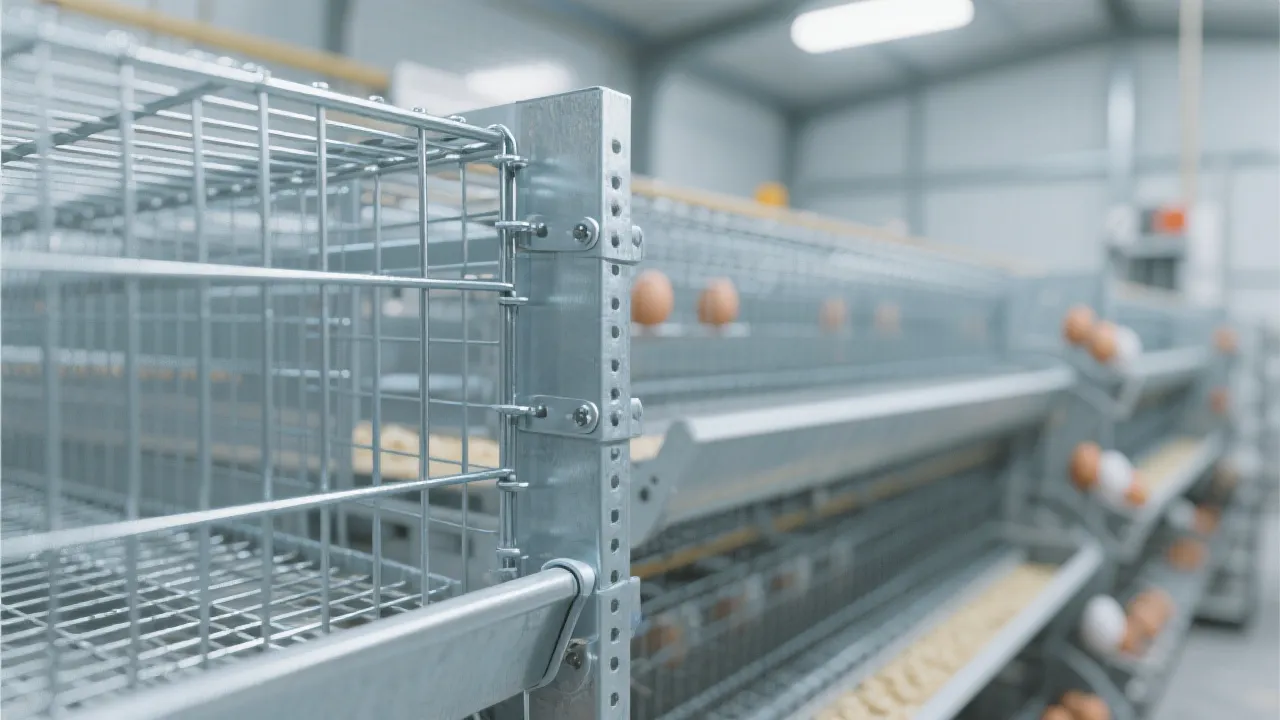
| CE | Compliance with EU safety directives including electrical safety, noise control & mechanical strength | Electric components certified for insulation; noise levels maintained below 65 dB; hot-dip galvanized steel with coating thickness ≥85μm |
These strict technical benchmarks directly address the biggest operational vulnerabilities in uncertified equipment — namely corrosion, noise pollution, and fire hazards.
Comparative Analysis: Certified vs Uncertified Layer Hen Equipment
Real-world data sourced from FAO and OIE industry studies underpin the tangible benefits of certification compliance:
| Parameter | Certified Equipment | Uncertified Equipment |
|---|---|---|
| Expected Service Life | 8–10 years | 3–5 years (due to corrosion and wear) |
| Annual Maintenance Cost (% of initial investment) | 3–5% | 12–15% (frequent repairs and part replacements) |
| Noise Level | ≤65 dB | ≥75 dB |
| Incident Rate: Equipment-Related Downtime | Less than 5% | Over 20% |
According to the FAO Livestock Report 2022, farms investing in certified poultry equipment recorded a 25% rise in overall productivity attributed to reduced equipment failures and healthier flock conditions.
Beyond statistics, these figures illustrate how certification is not an administrative burden but a business-critical enabler.

Technical Parameters Driving Compliance: Key Quality Anchors
The following core parameters serve as non-negotiable anchors during equipment selection:
- Hot-Dip Galvanized Coating Thickness: ≥ 85 microns to ensure superior corrosion resistance in harsh Middle Eastern climates
- Maximum Noise Emission: Below 65 decibels to optimize worker health and reduce stress on animals
- Electrical Safety Standards: Certifications requiring tested insulation and automatic cut-off mechanisms

These technical criteria, when collectively met, mitigate common failure modes and lower total cost of ownership.
Industry Insights & Authoritative Backing
“Adherence to quality and environmental standards is paramount for sustainable poultry production, especially in export-driven regions facing stringent import regulations. Layer hen equipment certification is a key competitive differentiator.”
— FAO Animal Production and Health Division, 2023
Aligning procurement strategies with these global standards not only pre-empts costly compliance risks but strategically positions farms to scale efficiently while maintaining strong relations with local authorities and customers.




Hot Products

.jpg?x-oss-process=image/resize,m_fill,h_800,w_800/format,webp)


Popular articles




READY TO START?
Ready to Build Your Poultry Farm?
Tell us your land size, poultry type and farming capacity. LIVI will provide a complete farm solution for your project.