


Optimizing Layer Hen Cage Design for Enhanced Egg Production and Flock Health in Large-Scale Operations

Scientific Approaches to Layer Hen Cage Design: Enhancing Egg Production and Flock Health
In large-scale layer hen operations, the design and selection of poultry cages are pivotal factors influencing not only egg production rates but also flock welfare and operational efficiency. Modern scientific practices emphasize optimizing cage structure, material quality, and automation integration to address these challenges. This article dissects key considerations in selecting high-efficiency layer hen cages based on practical experience and empirical data, offering actionable insights for poultry farm managers and technical personnel.
Optimizing Structural Design for Space Efficiency and Operational Ease
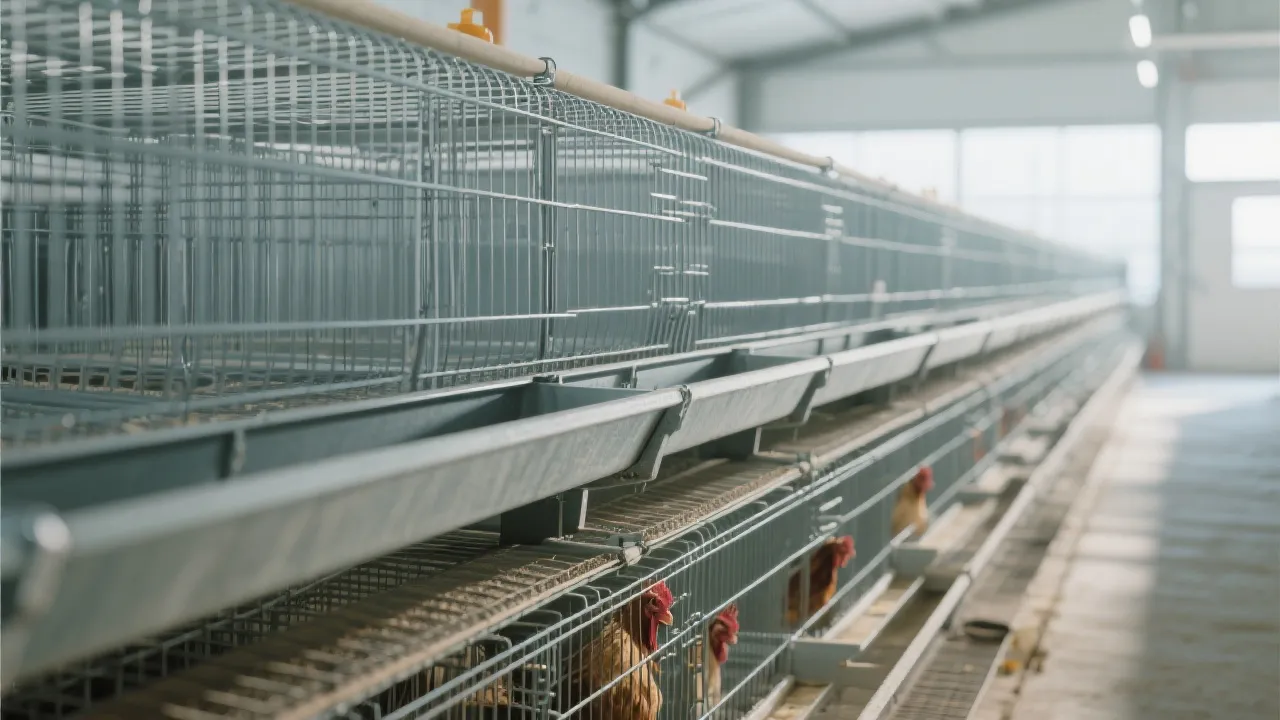
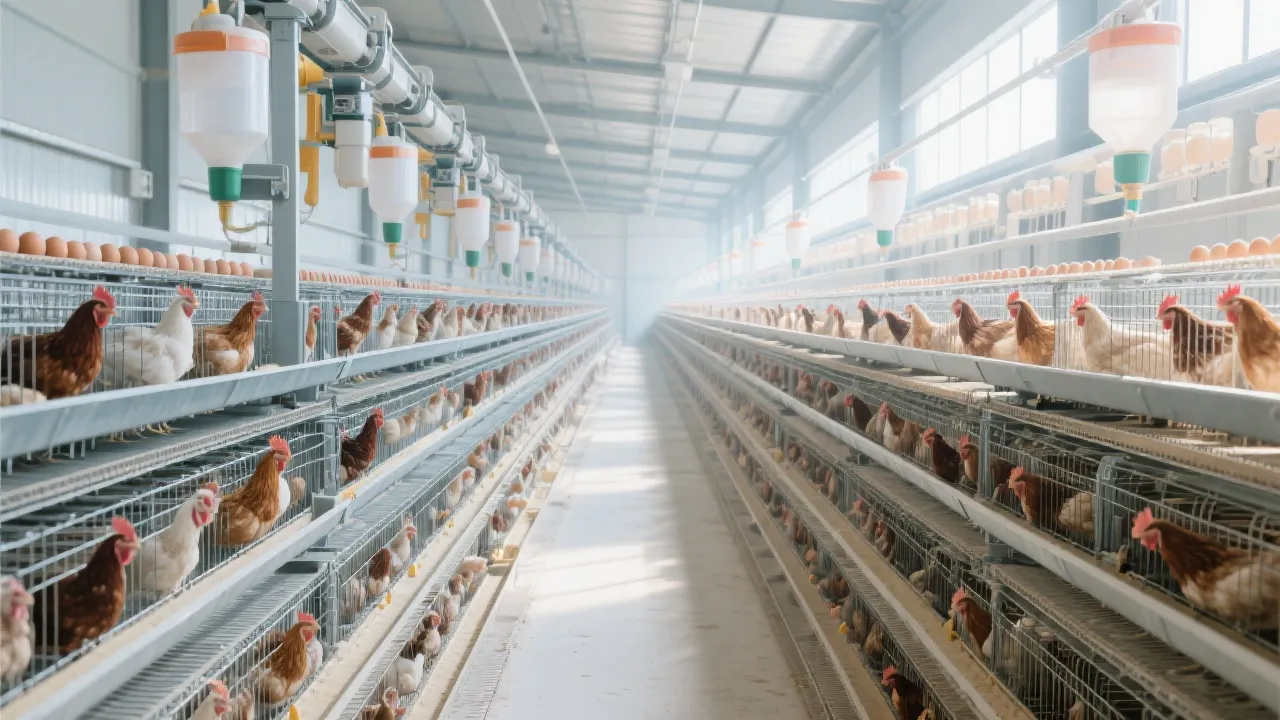
Maximizing usable space without compromising hen comfort is essential. Contemporary cage systems use modular designs that allow stacking multiple levels within the same footprint, achieving up to 40% improved space utilization compared to traditional single-tier systems.
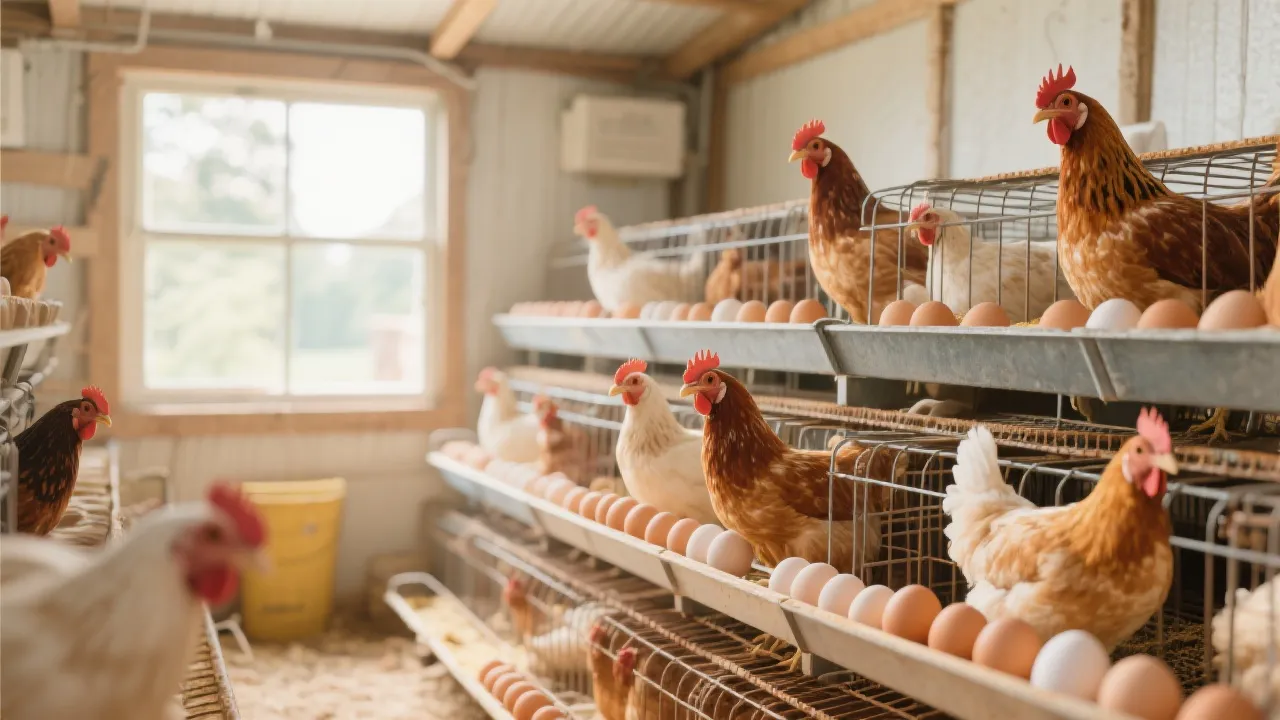
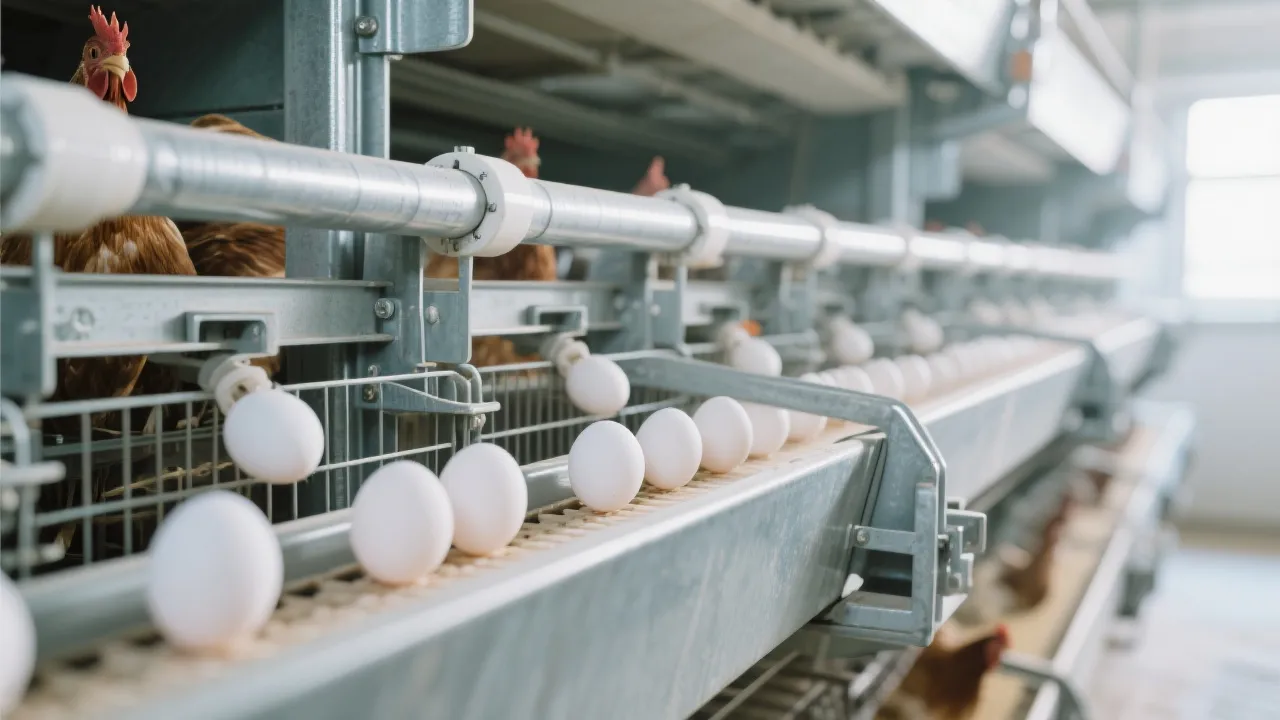
A typical well-engineered cage features sloped floors to facilitate egg rolling, integrated perches, and separation grids to reduce aggressive behaviors, directly contributing to improved egg quality and quantity.
Furthermore, ergonomic access points for human workers streamline daily feeding, watering, and health checks, reducing labor hours by approximately 20% in comparative studies.
Selecting Durable Materials with Advanced Surface Treatments
The choice of materials heavily impacts the lifespan and maintenance costs of cage equipment. International best practices prioritize high-grade galvanized steel or stainless steel alloys that resist corrosion and withstand rigorous daily use.
Innovative surface coatings like duplex treatments combining hot-dip galvanization with powder coating can extend equipment durability by 3-5 years, reducing downtime and replacement expenses.
Corrosion-resistant materials also improve biosecurity by minimizing pathogen harborage, aligning with stricter animal welfare and environmental standards.
Leveraging Automation to Boost Production and Lower Labor Costs
Automation is a game-changer in modern poultry farming. Integrating automated egg collection systems minimizes egg breakage and contamination, increasing harvest efficiency by up to 30% compared to manual collection.
Similarly, automated manure scrapers maintain cleaner environments, reducing ammonia levels and respiratory diseases, thereby enhancing flock health and egg yield.
Automation reduces the required manual labor force by nearly 25%, shifting focus toward more skilled tasks like animal welfare monitoring and data-driven management.
Environmental Optimization and Regulatory Compliance
Environmental control, including ventilation, lighting, and temperature regulation, plays a crucial role in flock performance. Supportive cage designs that integrate with barn climate control systems have demonstrated reductions in heat stress-related mortality by up to 15%.
Additionally, compliance with global animal welfare guidelines, such as those established by the Global Animal Partnership and EU directives, influences cage design choices, promoting enriched environments that comply with welfare scoring systems.
Investing in cages that support sustainability and ethical standards enhances brand reputation and market access in increasingly regulated international markets.
Key Performance Metrics for Cage System Selection
| Metric | Benchmark | Impact |
|---|---|---|
| Space Utilization (hens/m²) | Up to 12 hens/m² in multi-tier systems | Optimizes facility capacity without compromising welfare |
| Egg Collection Efficiency | ≥95% with automation | Reduces egg damage and loss rates |
| Material Lifespan | 8-12 years with advanced coatings | Lowers capital replacement frequency |
| Labor Cost Reduction | Up to 25% with automation | Improves operational profitability |
Future Trends in Layer Hen Cage Technologies
Industry innovation gravitating towards IoT-enabled monitoring platforms allows real-time health and behavior tracking, enabling prompt interventions to maintain optimum flock conditions.
Additionally, modular designs aim to accommodate varied welfare standards across global markets while retaining economic efficiencies.
Embracing sustainability through recyclable materials and energy-efficient automation continues to shape cage manufacturing priorities.





Hot Products

.jpg?x-oss-process=image/resize,m_fill,h_800,w_800/format,webp)


Popular articles





READY TO START?
Ready to Build Your Poultry Farm?
Tell us your land size, poultry type and farming capacity. LIVI will provide a complete farm solution for your project.