


How to Choose an Aluzinc-Coated H-Type Layer Hen Cage by Farm Size and Environment
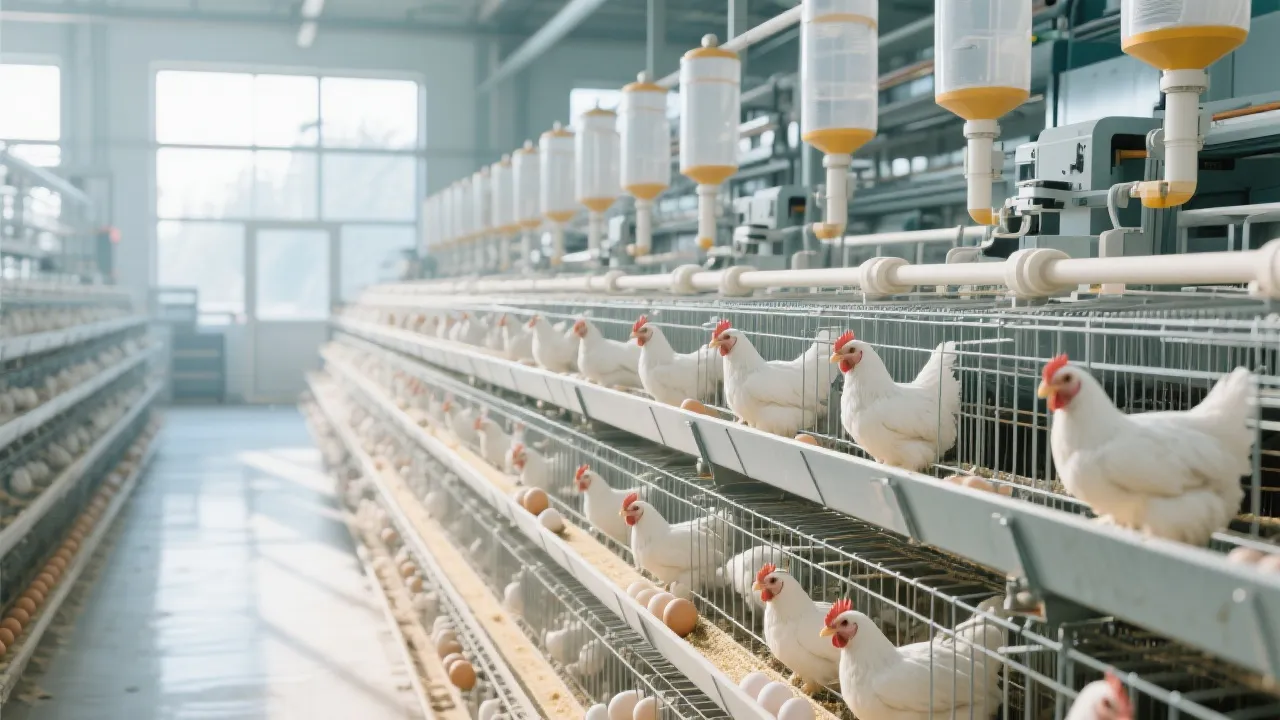
Selecting an Aluzinc-coated H-type layer hen cage is not only a product choice—it is a decision about space efficiency, corrosion resistance, labor inputs, and long-term stability of egg production.
This buying guide is built around farm scale (5,000–30,000 birds) and housing environment to help commercial egg producers configure an H-type layer battery cage system that fits their site conditions, management model, and durability expectations.
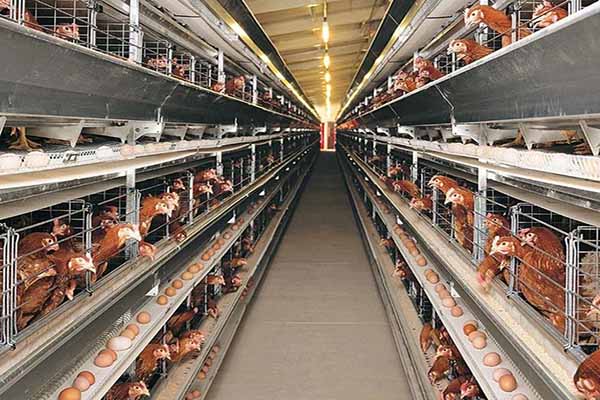
Product referenced in this guide
- Model: High-efficiency H-Type Layer Battery Cage
- Designed capacity: 5,000–30,000 layer hens
- Material: Q235 steel
- Surface treatment: hot-dip galvanized + Aluzinc alloy coating
- Standards: ISO9001 / ISO14001 / CE (as stated)
1) Start with two inputs: farm size and environment
A practical configuration begins by defining the bird capacity and the housing environment (temperature swings, humidity, ventilation condition, and cleaning method). These factors influence corrosion risk, aisle layout, and whether automation brings meaningful labor savings.
2) Why Aluzinc coating is evaluated by environment (not only price)
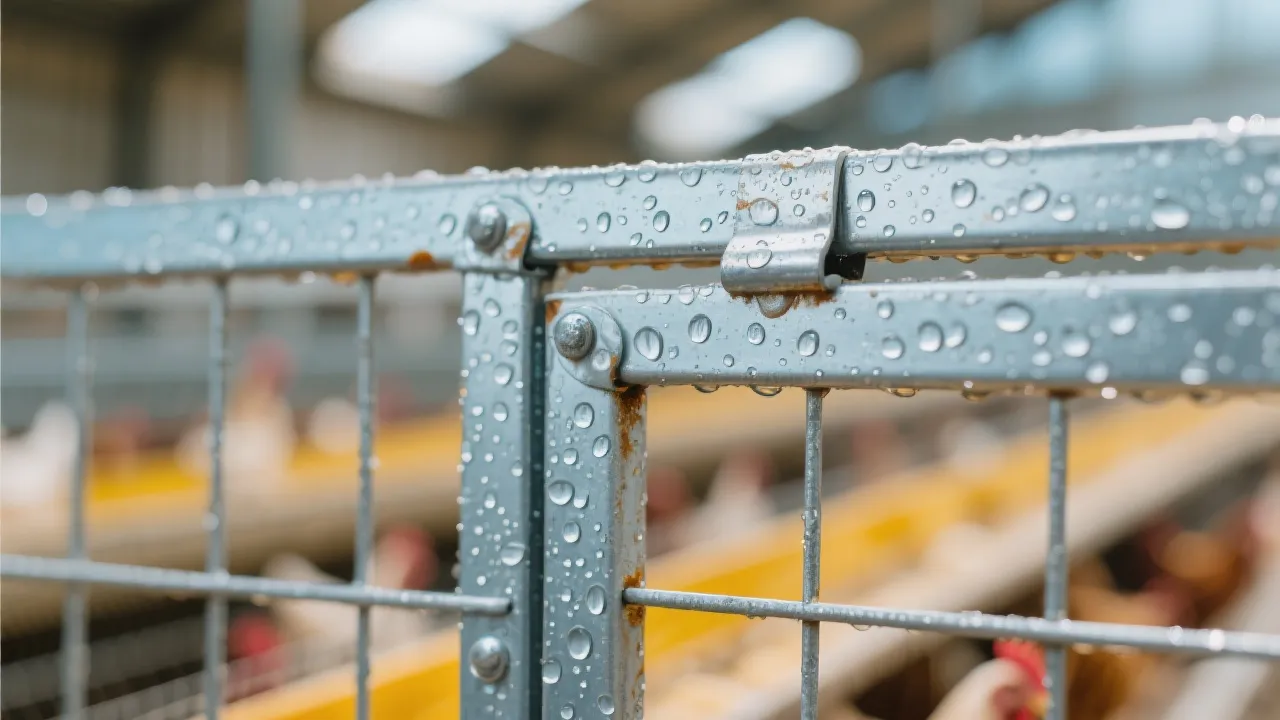
For commercial egg farms in variable climates, corrosion resistance and surface stability influence both maintenance workload and equipment lifespan. In the Livi Machinery configuration logic, hot-dip galvanizing + Aluzinc alloy coating is treated as a durability-oriented specification—especially relevant when humidity, ammonia exposure, and frequent cleaning are expected.
Buyer tip: Ask suppliers to specify the coating process, inspection method, and which cage parts receive which treatment (frames, mesh, fasteners). Clarify what is included by default and what is optional.
3) H-type structure: what it changes in layout and operations
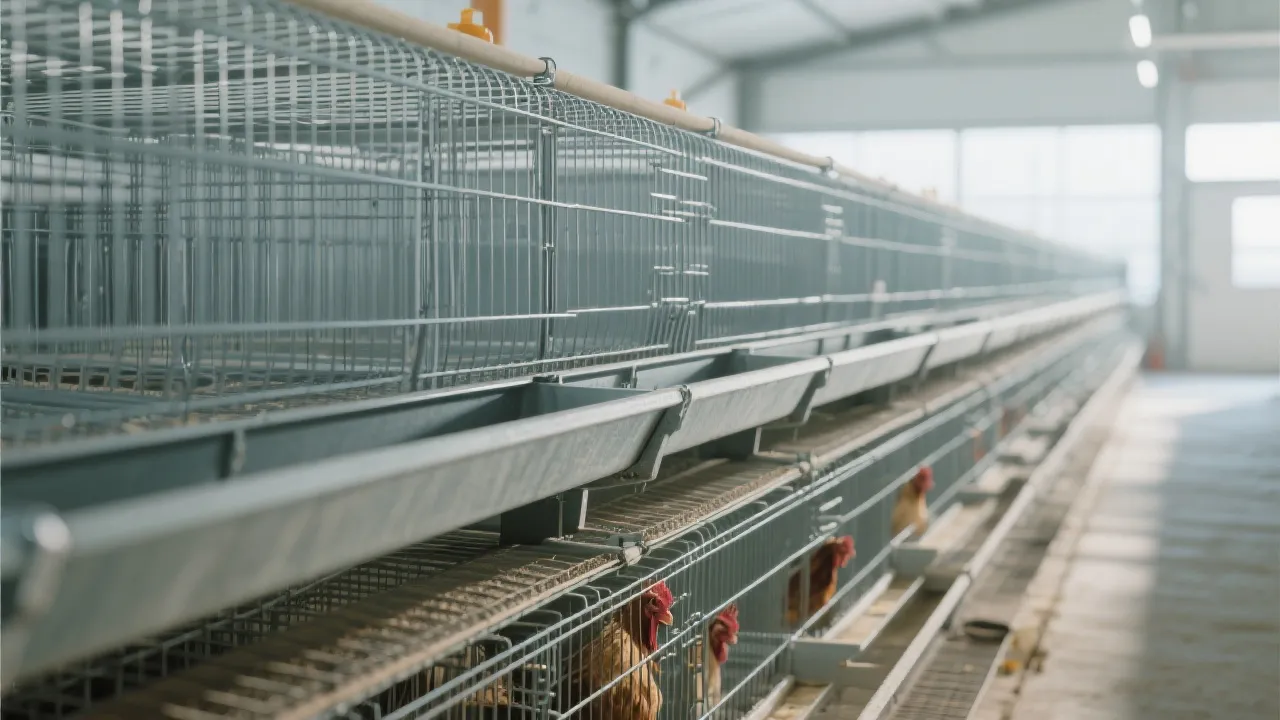
The H-type design is typically chosen to use vertical space efficiently and to organize feeding, cleaning, and egg handling in a more systematic way. For modern layer operations, the goal is to keep movement paths clear and keep daily tasks consistent across rows and tiers.
Space utilization
Use building height and row planning to reach the target capacity (5,000–30,000) without overcrowding aisles or blocking maintenance access.
Management convenience
A consistent row/tier structure supports routine inspection, cleaning schedules, and standardized egg collection workflow.
Compatibility with automation
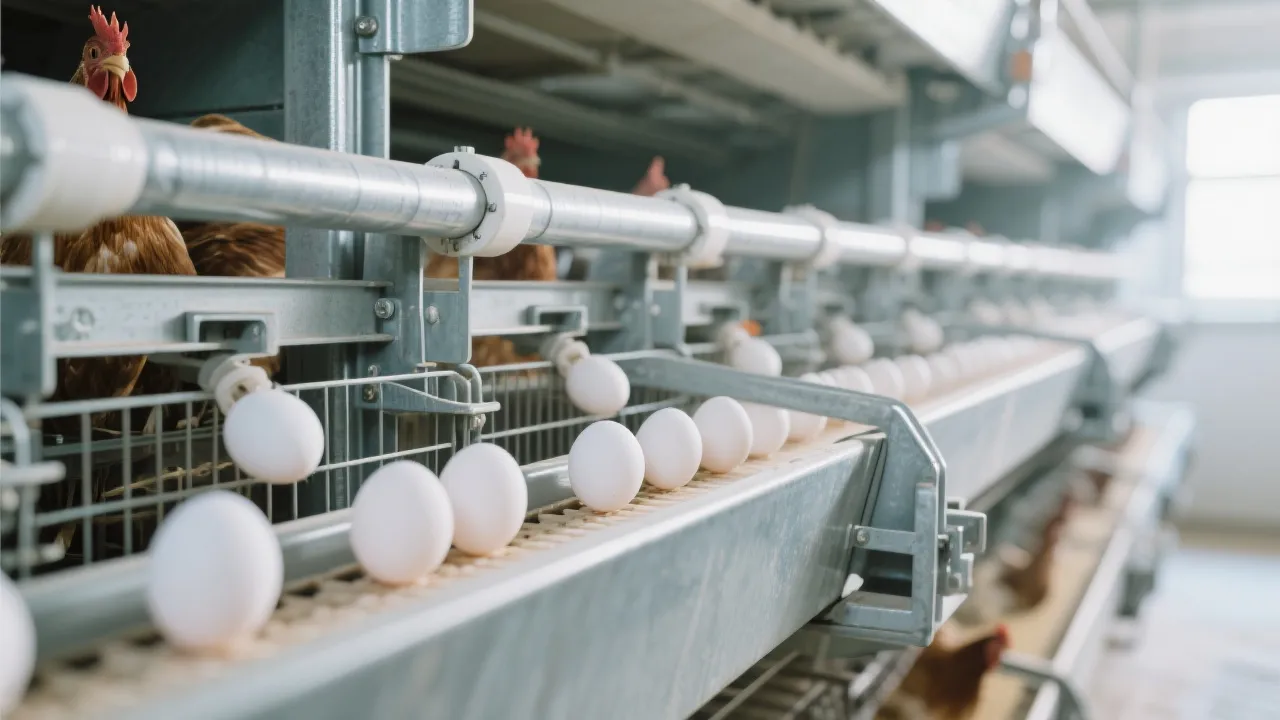
H-type cage layouts are commonly paired with automatic egg collection and manure removal to reduce repetitive labor and improve operating rhythm.
4) Configuration checklist for 5,000–30,000 birds
Use the checklist below to align the cage system with your farm scale and environment. This supports clearer RFQs and reduces the risk of mismatched accessories or missing components during installation.
- Cage capacity planning: confirm target bird number now and in the next expansion phase (within 5,000–30,000 range stated for this model).
- Coating & corrosion plan: confirm hot-dip galvanizing + Aluzinc alloy coating scope; identify high-corrosion zones in your house (humid corners, wash-down areas).
- Automation modules: specify whether you need automatic egg collection and manure cleaning (both are described as available for this system) and define power/maintenance conditions on-site.
- Ventilation & temperature control fit: align row spacing, airflow paths, and operating temperature strategy so tiers receive comparable ventilation.
- Material verification: confirm Q235 steel specification and related incoming inspection requirements.
- Standards & documentation: request certificates and inspection records as applicable (ISO9001, ISO14001, CE as stated).
- Installation readiness: confirm house drawings, floor conditions, logistics access, and the site schedule for installation and commissioning.
5) Quality checks buyers can request before shipment
For B2B procurement, the easiest way to control risk is to define what will be inspected and how it will be accepted. Zhengzhou Livi Machinery Manufacturing Co., Ltd. emphasizes strict inspection from raw materials to outgoing shipment; buyers can further formalize this through a pre-shipment checklist.
Coating & surface
- Uniformity and coverage on key parts
- Damage protection for transport (packaging)
- Clear identification of treated components
Structure & assembly
- Weld/connection integrity and alignment
- Mesh condition and edges (safety handling)
- Fasteners and spare parts count
Automation readiness
- Egg collection and manure cleaning components completeness
- Basic functional checks and packing list
- Manuals and commissioning guidance availability
6) After-sales evaluation: what to confirm for long-term operation
A layer battery cage is a long-life asset (this product is described with a 15–20 year service life under its stated materials and surface treatments). For that reason, after-sales capability should be evaluated with the same rigor as the hardware itself.
- Technical support scope: remote guidance, installation/commissioning support, and operation training availability.
- Spare parts plan: recommended spare parts list for egg collection and manure cleaning systems; lead time and shipping options.
- Service coordination: single point of contact and response workflow for troubleshooting.
- Documentation: drawings, packing lists, and compliance documents relevant to import and on-site management.
About Livi Machinery
Livi Machinery (Zhengzhou Livi Machinery Manufacturing Co., Ltd.) is a manufacturing-focused poultry equipment company founded in 2013, providing cage systems and automated poultry house equipment for commercial farms across global markets. The company positions itself as an integrated manufacturer and trader, supporting customers from poultry house planning to equipment delivery and installation.
If you are planning an egg farm in the 5,000–30,000 bird range and need to match an Aluzinc-coated H-type layer hen cage to your climate and housing conditions, you can prepare your project inputs (site size, house type, climate notes, target capacity, and automation preferences) to receive a configuration proposal aligned with your operation.


Hot Products

.jpg?x-oss-process=image/resize,m_fill,h_800,w_800/format,webp)


Popular articles





READY TO START?
Ready to Build Your Poultry Farm?
Tell us your land size, poultry type and farming capacity. LIVI will provide a complete farm solution for your project.