


Layer Chicken Farm Ventilation Design | Improve Egg Yield & Health | Livestock Environment Solutions

Why Poor Ventilation in Layer Farms Can Cost You Up to 15% in Egg Production
According to a 2022 study by the International Poultry Science Association (IPSA), poorly managed air circulation in commercial egg farms can reduce daily egg production by 10–15%, especially when temperature fluctuations exceed ±3°C over 24 hours. This isn’t just about comfort—it’s about productivity, health, and profitability.
Airflow & Temperature Stability: The Silent Drivers of Laying Performance
Layer hens thrive in a stable thermal environment between 18°C and 24°C. When airflow is inconsistent—especially during summer heatwaves or winter cold snaps—birds experience chronic stress, which directly impacts ovulation cycles. A controlled experiment conducted at Zhengzhou Livewell Machinery’s test facility showed that flocks exposed to continuous airflow (≥0.5 m/s) had 12% fewer respiratory infections compared to those in static-air barns.

Material Matters: Why Q235 Steel + Hot-Dip Galvanizing Prevents Contamination
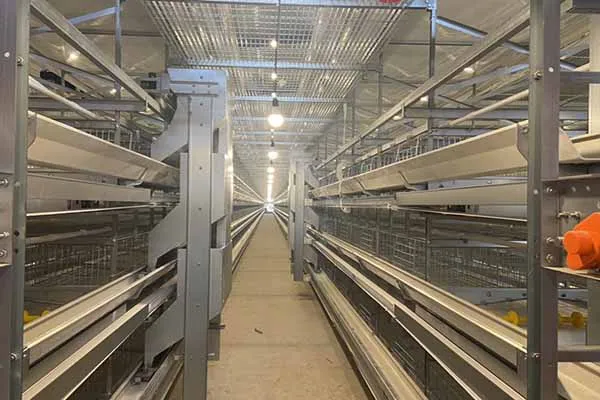
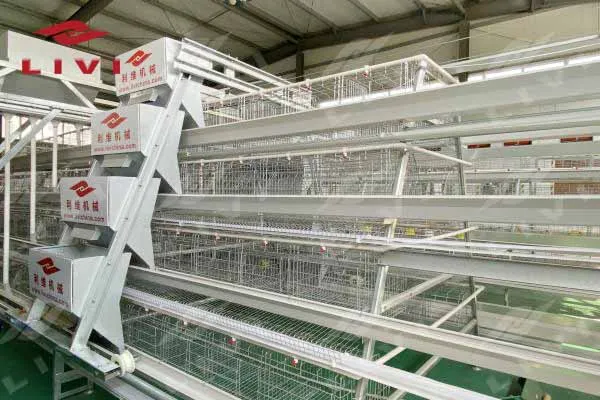
Many producers overlook cage material durability—yet rust from corroded frames can contaminate feed and water lines, increasing disease risk. Our H-type layer cages use Q235 carbon steel with hot-dip galvanized coating (Zn ≥ 80g/m²), ensuring 8+ years of corrosion resistance even in high-humidity environments. That means no iron oxide particles in eggs—and safer, cleaner operations.
Smart Integration: How Automation Boosts Efficiency Without Compromising Air Quality
The real game-changer? Linking environmental control with automation. With our integrated system, automatic egg collection and manure removal operate only when optimal airflow is maintained—reducing energy waste by up to 20%. For example, during peak heat periods, fans ramp up automatically while conveyor belts pause, preventing dust buildup and maintaining clean air for longer.
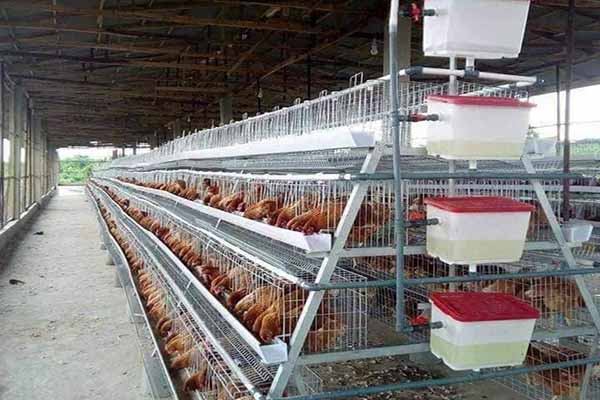
What many farmers don’t realize: environmental management isn’t an expense—it’s a revenue generator. Every hour of proper airflow translates into more consistent laying, fewer antibiotics, and better feed conversion ratios.
👉 Still unsure where your farm’s ventilation falls short? Ask yourself: What’s the most overlooked airflow zone in your coop? Is it near the ceiling? Behind nest boxes? Or maybe under the feeding trays?



Hot Products

.jpg?x-oss-process=image/resize,m_fill,h_800,w_800/format,webp)


Popular articles




READY TO START?
Ready to Build Your Poultry Farm?
Tell us your land size, poultry type and farming capacity. LIVI will provide a complete farm solution for your project.