


Selecting Layer Chicken Cage Equipment: Key Factors from Ventilation Efficiency to Easy Cleaning to Boost Egg Production
Layered H-Type Battery Cage Selection for Large-Scale Laying Hen Farms: Key Factors Driving Efficiency & Productivity
For operators managing large-scale laying hen farms, selecting the right cage equipment is a strategic decision that directly impacts production efficiency, hen welfare, and operational costs. This article explores critical selection criteria for H-type layered battery cages, focusing on ventilation optimization, durability through advanced materials, and automation integration to reduce labor and boost egg yields.
Optimizing Structural Design: Harnessing H-Type Layout for Maximum Utilization
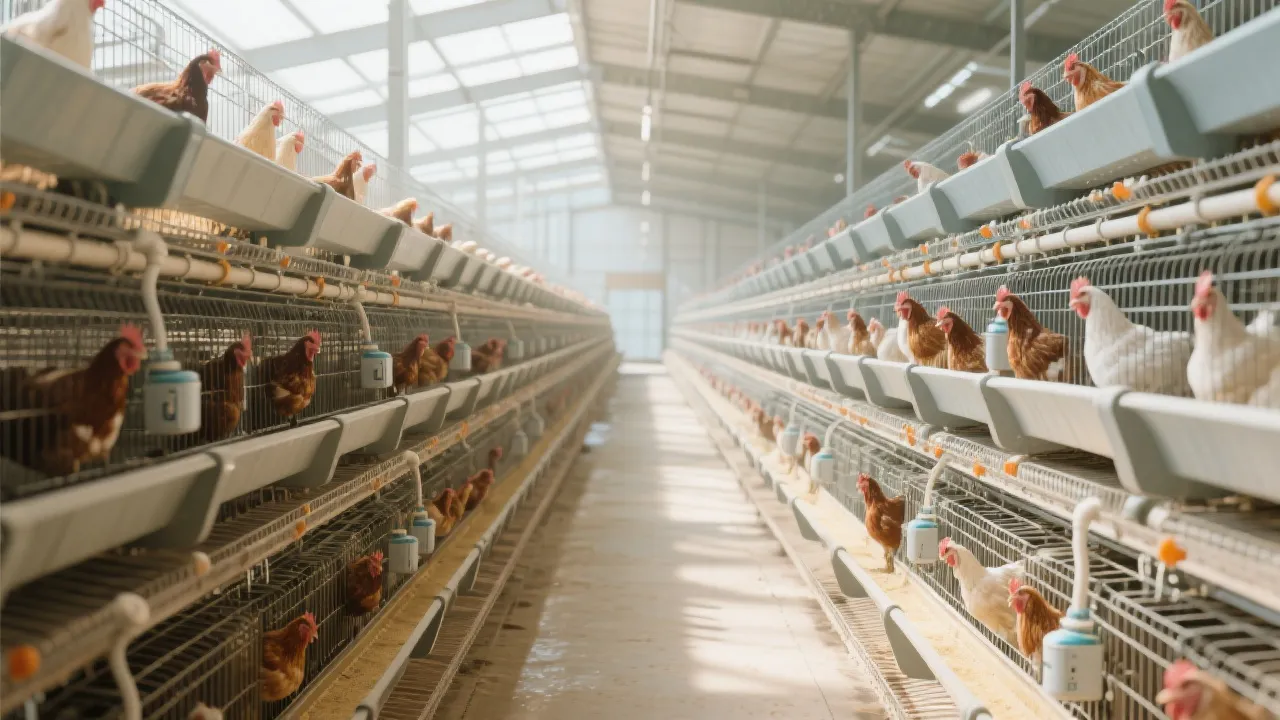
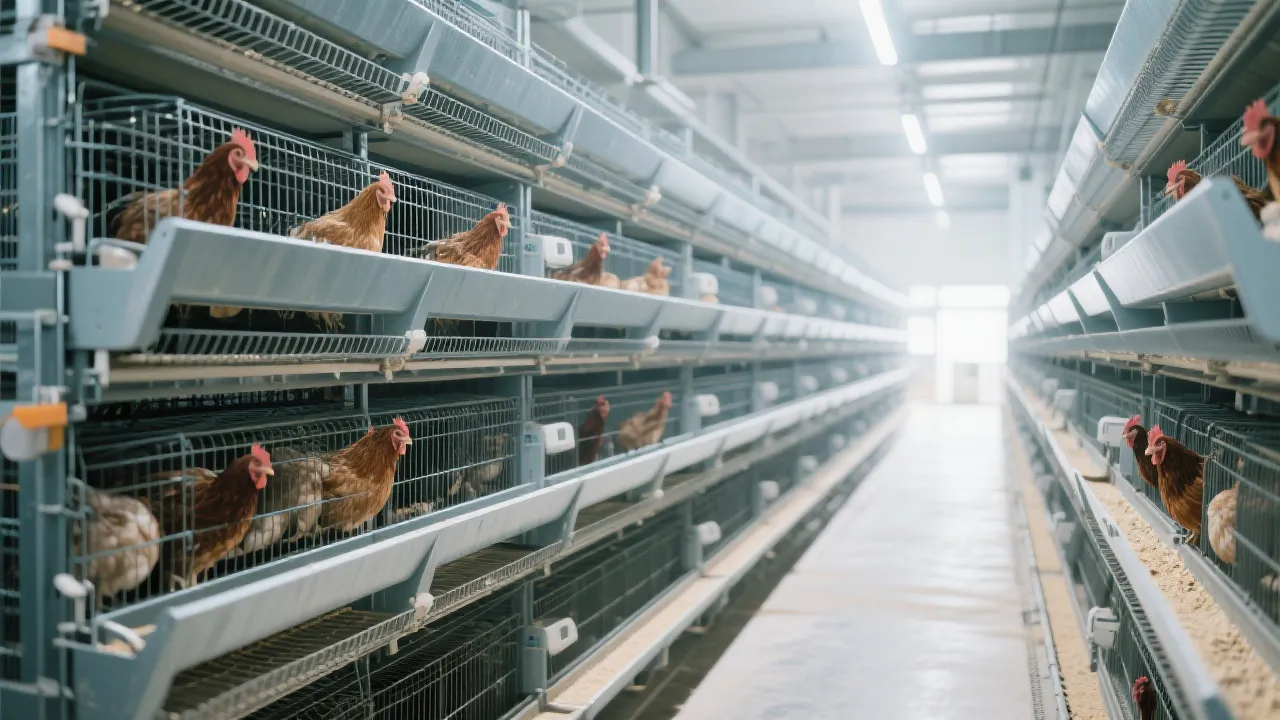
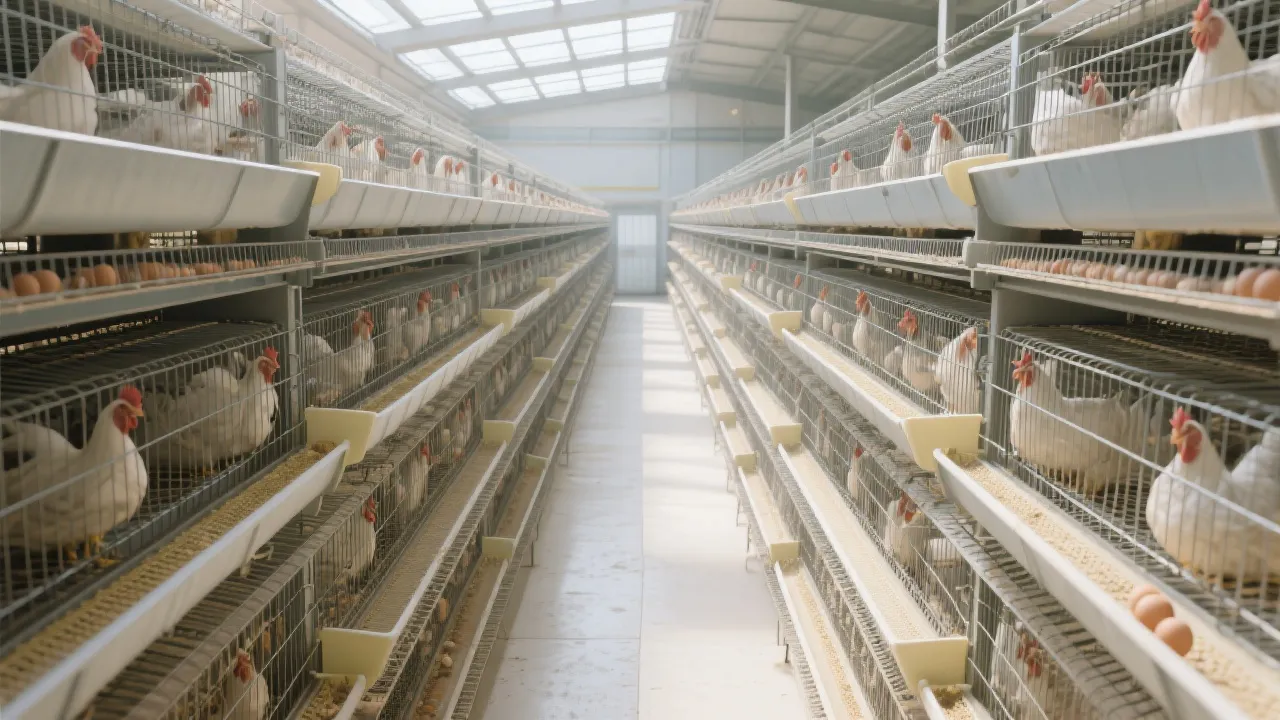
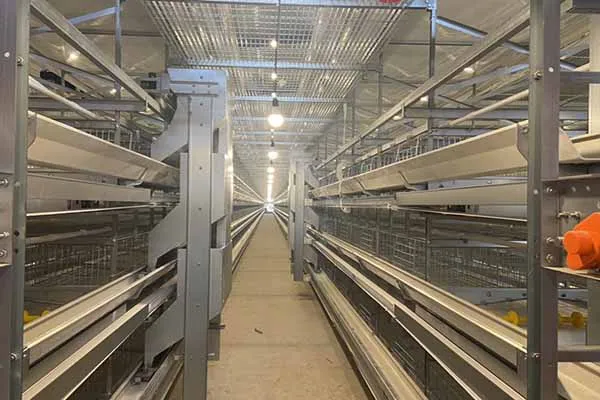
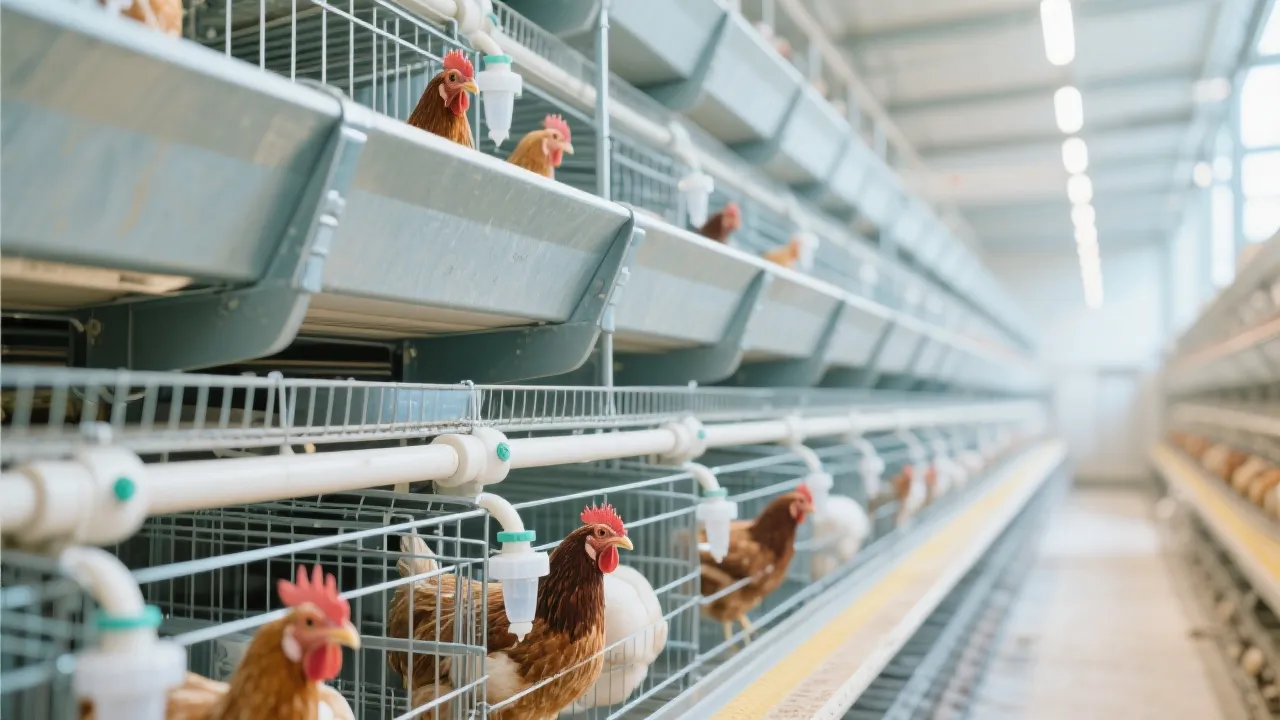
The H-type layered cage system offers a transformative approach to space utilization within poultry houses. By stacking cage tiers vertically while maintaining adequate aisle widths, farms can increase hen density by approximately 30% without compromising access for feeding, egg collection, or maintenance.
Compared to traditional single-tier or linear cage designs, the H-layout enables optimized airflow patterns, reducing hotspots and humidity build-up — essential for maintaining bird health and sustaining stable egg production rates. Operational convenience is also enhanced, as manual and automated procedures can efficiently navigate vertically arranged cages with minimal disruption.
Selecting Durable Materials: Q235 Steel & Hot-Dip Galvanizing for Long-Term Investment
Material quality is paramount in cage longevity and maintenance costs. Premium Q235 steel combined with hot-dip galvanized (HDG) or aluminum-zinc alloy coatings extends equipment life expectancy to 15-20 years by providing excellent corrosion resistance in humid environments typical of poultry farms.
This material synergy not only limits structural degradation but also reduces the frequency and costs associated with repairs or replacements. According to industry case studies, farms investing in HDG Q235 steel cages report up to 40% lower maintenance expenditures over a decade compared to untreated steel alternatives.
Automation Advantages: Egg Collection & Manure Removal Systems Driving Labor Efficiency
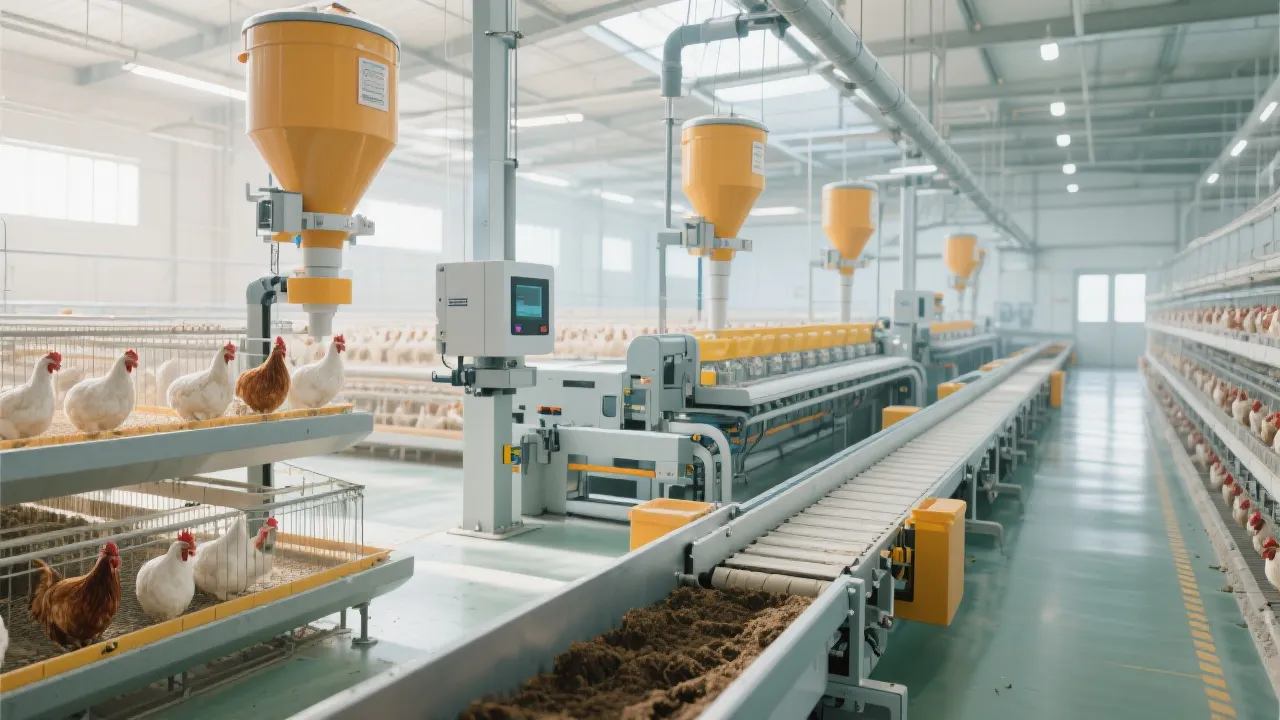
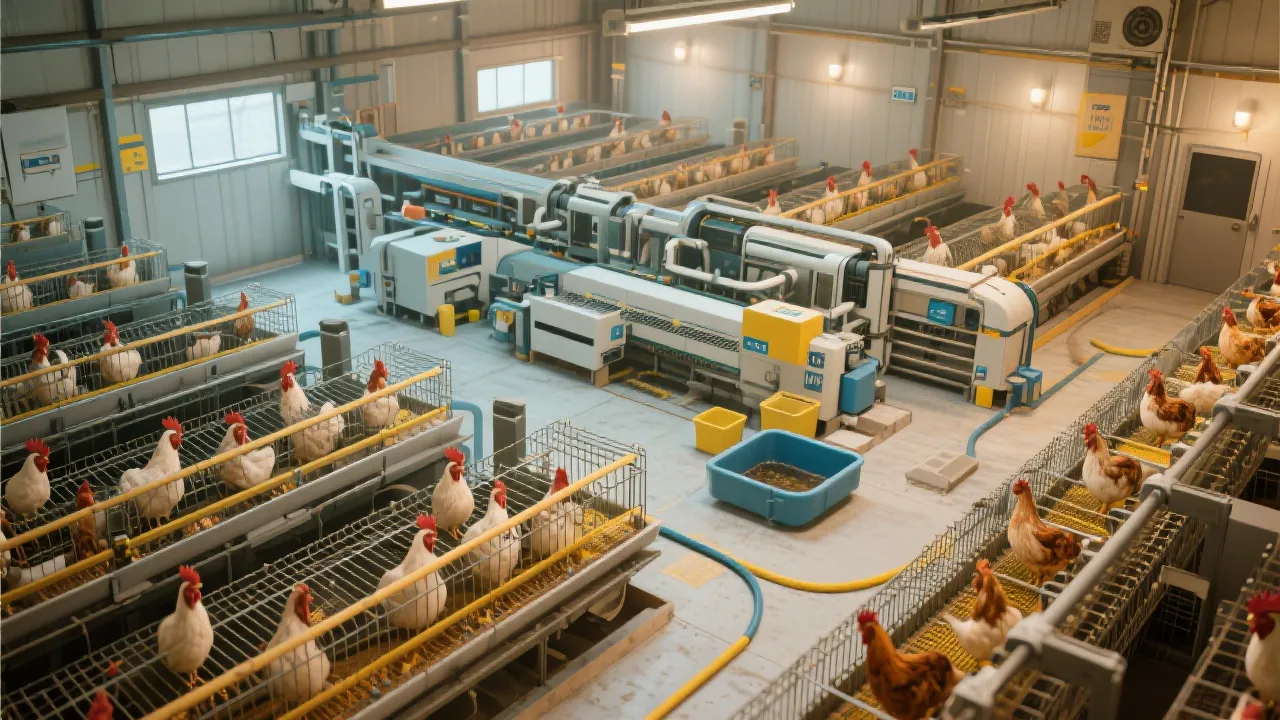
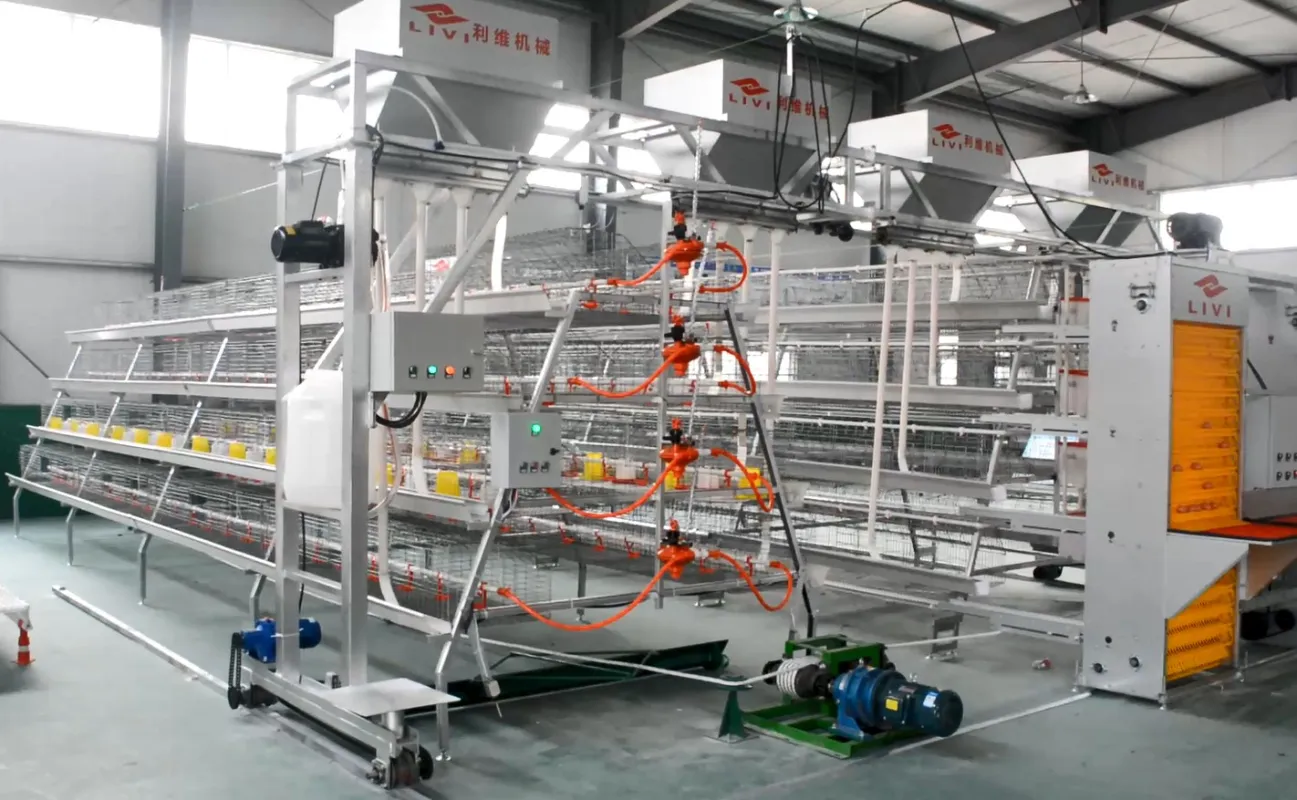
Automated egg collection and manure removal systems significantly cut labor requirements, freeing farm personnel for higher-value tasks. On average, implementation of these systems reduces manual labor by over 30%, translating to substantial operational savings.
Moreover, automation improves hygiene standards by minimizing the time eggs spend exposed to contaminants and preventing manure accumulation, factors crucial for bird health and product quality. Farms utilizing synchronized conveyor belts and scraper systems consistently see improved egg cleanliness rates and reduced disease incidence.
Performance Comparison: Traditional Cages vs. Next-Generation H-Type Systems
| Criteria | Traditional Cages | H-Type Layered Cages |
|---|---|---|
| Space Utilization | Basic linear layout, limited tiers | Maximized vertical stacking, 30% more hens |
| Material Durability | Standard steel, prone to corrosion | Q235 + HDG, corrosion-resistant up to 20 years |
| Labor Reduction | Manual processes dominate | Automation cuts labor by 30%+ |
| Production Impact | Standard egg yield, hygiene risks | Higher yield via improved welfare & hygiene |
Aligning with Industry Trends: Sustainability & Animal Welfare Standards
Modern laying hen facilities must also consider evolving regulatory frameworks emphasizing environmental sustainability and animal welfare. The H-type battery cage designs facilitate compliance by incorporating adequate ventilation, reduced stocking density per tier, and cleaner, stress-minimizing environments.
These features not only prepare farms for stricter policies but also enhance brand reputation in markets increasingly attentive to ethical sourcing. Scientific equipment choices today ensure operational resilience tomorrow.
Is Your Farm Ready for a Science-Driven Upgrade?
Are you currently facing challenges in optimizing your laying hen operations for space, efficiency, or labor costs? Transitioning to H-type layered cage systems made from superior materials and integrated automation technologies may hold the key to unlocking your farm’s full potential.





Hot Products

.jpg?x-oss-process=image/resize,m_fill,h_800,w_800/format,webp)


Popular articles


READY TO START?
Ready to Build Your Poultry Farm?
Tell us your land size, poultry type and farming capacity. LIVI will provide a complete farm solution for your project.