


End-to-End Process for Large-Scale Poultry Farm Projects: Planning, Delivery, Installation & Support
Delivering a large-scale poultry farm project is not only about selling equipment—it is a coordinated workflow that connects farm planning, equipment configuration, production & logistics, and on-site installation and commissioning. This page explains how Livi Machinery (Zhengzhou Liwei Machinery Equipment Co., Ltd.) typically supports commercial projects from early requirement discussion to ongoing technical support, so investors, EPC contractors, distributors, and farm operators can plan schedules and reduce delivery risks across different countries and regions.
Who this workflow is for
- Commercial poultry farm investors (new builds / expansions)
- EPC / civil contractors coordinating construction and MEP
- Distributors & local partners managing delivery and service
- Farm operators preparing staffing, utilities, and SOPs
What’s included
- Requirement communication & farming model confirmation
- Poultry house planning and layout coordination
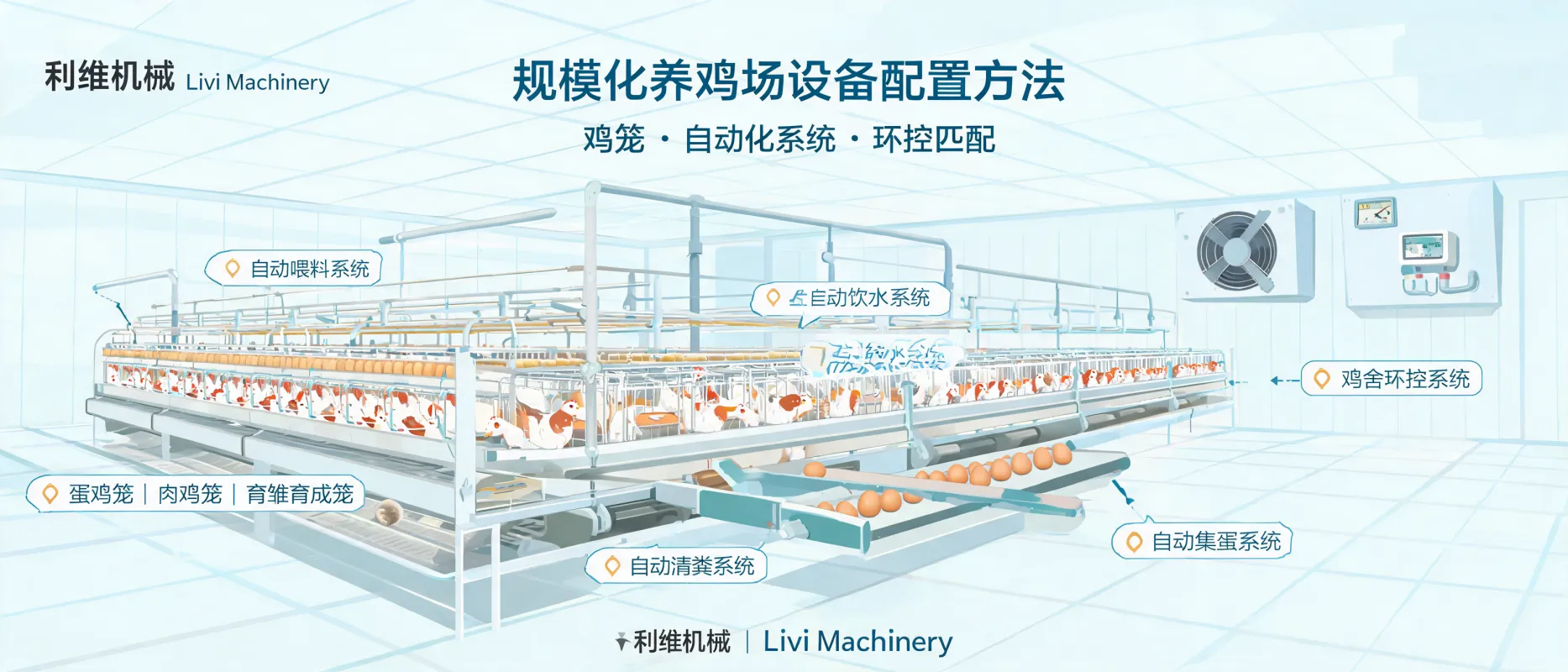
- Equipment selection and configuration
- Production scheduling, packing, shipping & delivery
- Installation guidance, commissioning, and technical support
1) Requirement Discussion & Project Baseline
A predictable delivery starts with a clear baseline. Livi Machinery typically aligns on project objectives, boundary conditions, and responsibilities before any equipment configuration is finalized.
- Production target & scale: farm capacity, growth plan, and timeline expectations.
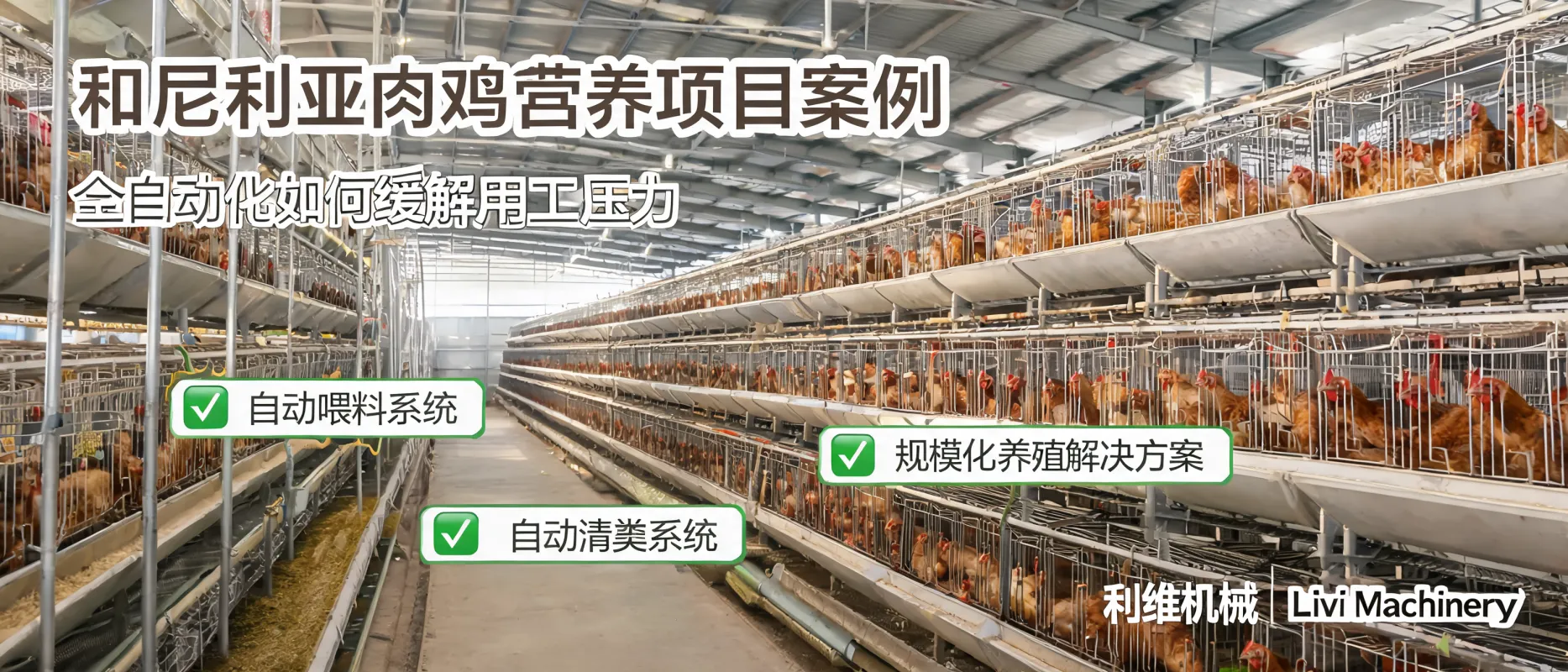
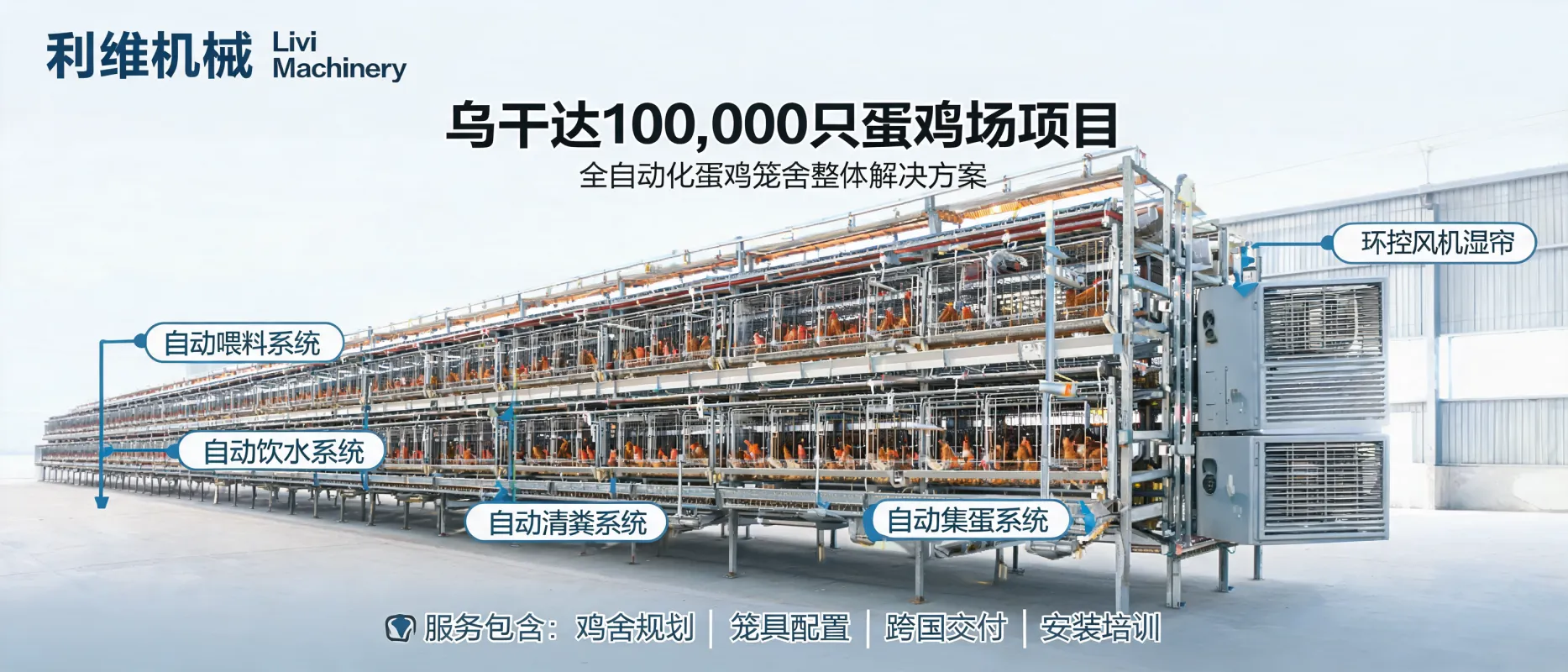
- Farming model: layer or broiler direction; target automation level for feeding, drinking, manure removal, egg collection, and environmental control.
- Site and utilities: available land, access roads, electricity/water, and local construction capability.
- Delivery mode: direct shipment, local production, overseas warehouse, or local distribution—depending on the region and partner setup.
- Commercial terms: required documents, inspection needs, customs constraints, and key acceptance milestones.
Practical tip: If the farm construction schedule is still changing, it’s better to confirm a “must-not-move” delivery window and then back-calculate equipment production and shipping plans to avoid site congestion or idle installation teams.
2) Farming Model Confirmation → System Scope
Once the farming model is confirmed, the project can be structured into a clear system scope. For large farms, scope clarity reduces rework and helps align civil works with equipment installation.
Livi Machinery provides integrated poultry farming equipment options to match different farm sizes and regional conditions, supporting a system-level configuration rather than isolated component selection.
3) Poultry House Planning & Build Coordination
Poultry house planning and equipment delivery must be coordinated. In practice, many project delays come from mismatches between civil works progress and equipment arrival (for example, unfinished floors, missing openings, or unstable power supply).
- Layout alignment: cage rows, aisles, end-wall equipment positions, and maintenance access.
- Interface points: reserved holes, embedded parts, drainage, and utility routing for feeding/drinking/manure systems.
- Construction readiness: floor flatness, wall/roof completion, weatherproofing, and safe unloading paths.
- Commissioning prerequisites: stable electricity, water supply, and basic safety conditions.
For cross-border projects, planning should also consider local material availability, labor skill level, and the most reliable logistics route—so installation and commissioning can follow a realistic schedule.
4) Equipment Configuration & Quotation Readiness
After the planning stage, the project moves to equipment selection and configuration. This step translates farm requirements into a structured equipment list and delivery plan.
Configuration outputs
- System modules and scope boundaries
- Main equipment list (by house / by line)
- Interface requirements for civil works and utilities
- Packaging and shipping unit planning (for customs and unloading)
Common decision factors
- Target labor efficiency and automation level
- Climate and ventilation strategy
- Local power and water stability
- Spare parts and after-sales support pathway
Livi Machinery’s role as a system/turnkey solution provider helps keep configuration consistent with poultry house planning, and helps reduce changes during production and shipping.
5) Production Coordination, Packing & Quality Checks
For large-scale poultry farm projects, production coordination is as important as technical selection. A realistic plan considers manufacturing sequence, packing method, and container optimization—especially for overseas shipments.
- Production scheduling: coordinate lead times across cage systems, automation modules, and environmental control components.
- Packing plan: label by poultry house and installation sequence to reduce on-site sorting time.
- Document readiness: align shipment documents with destination requirements and the selected logistics route.
- Pre-shipment verification: check quantities, key components, and packaging integrity before dispatch.
Response commitment: Livi Machinery aims to respond to customer inquiries within 3 hours, supporting faster alignment during configuration and delivery coordination.
6) Logistics, Customs & Delivery: Key Regional Factors
Cross-border delivery varies by country and region. Delivery success often depends on early identification of constraints and a schedule that matches real port, customs, and inland transport conditions.
Factors that commonly affect delivery
- Site conditions: road access, unloading space, and equipment storage protection before installation.
- Local climate: may influence ventilation/cooling configuration and installation timing.
- Customs procedures: required documents, inspection rules, and HS-code handling practices.
- Logistics route: shipping line stability, transshipment risks, inland transport limitations.
- Local construction capability: pace and quality of civil works, which determines installation readiness.
- Schedule coordination: synchronize civil completion with equipment arrival and commissioning windows.
With a global market focus (Africa, Middle East, Southeast Asia, South America, Central Asia, Europe), Livi Machinery supports multiple fulfillment approaches—such as direct shipment, local production, overseas warehouses, and local distribution—depending on project needs and partner setup.
7) On-Site Installation, Commissioning & Acceptance
Installation and commissioning are where the plan becomes operational. For large farms, the recommended approach is to install by poultry house and by system sequence, keeping commissioning prerequisites ready to avoid downtime.
Typical on-site sequence
- Unloading & inventory by labeled packages
- Cage structure installation and alignment
- Feeding and drinking system assembly
- Manure removal system installation
- Egg collection system integration (layers)
- Environmental control installation and checks
- System commissioning and operator handover
Installation readiness checklist
- House is weatherproof; floor is completed and safe for work
- Electricity and water are stable and tested
- Storage area protects components from moisture and damage
- Clear plan for lifting tools, manpower, and site safety
- Construction interfaces (openings, drains, anchors) are confirmed
8) Technical Support After Delivery
For commercial farms, ongoing technical support helps keep systems running as designed. Support typically focuses on operation guidance, troubleshooting pathways, and maintenance planning for key modules such as feeding, drinking, manure removal, egg collection, and environmental control.
- Remote coordination: assist with installation questions, commissioning checks, and operation guidance.
- Spare parts planning: recommend a practical spare parts list aligned with the configured systems and local supply conditions.
- Operator handover: support farm teams to understand daily checks and preventive maintenance logic.
If you are preparing a new build or expansion, share your target capacity, location, and preferred automation level. Livi Machinery can align the poultry house planning and poultry equipment delivery workflow early—so production, shipping, installation, and commissioning follow a coordinated schedule.
About Livi Machinery
Zhengzhou Liwei Machinery Equipment Co., Ltd. (brand: Livi Machinery) is a China-based integrated industry-and-trade company focusing on poultry farming equipment and project delivery coordination for commercial farms. Our product scope includes layer cages, broiler cages, brooding & growing cages, automatic feeding systems, automatic drinking systems, automatic manure removal, automatic egg collection systems, poultry house environmental control equipment, steel-structure poultry houses, and supporting equipment for large-scale poultry farms—helping customers move from planning to delivery with clearer steps and fewer uncertainties.

Hot Products

.jpg?x-oss-process=image/resize,m_fill,h_800,w_800/format,webp)


Popular articles


READY TO START?
Ready to Build Your Poultry Farm?
Tell us your land size, poultry type and farming capacity. LIVI will provide a complete farm solution for your project.