


How to Configure Equipment for a Large-Scale Poultry Farm: From Cages to Climate Control

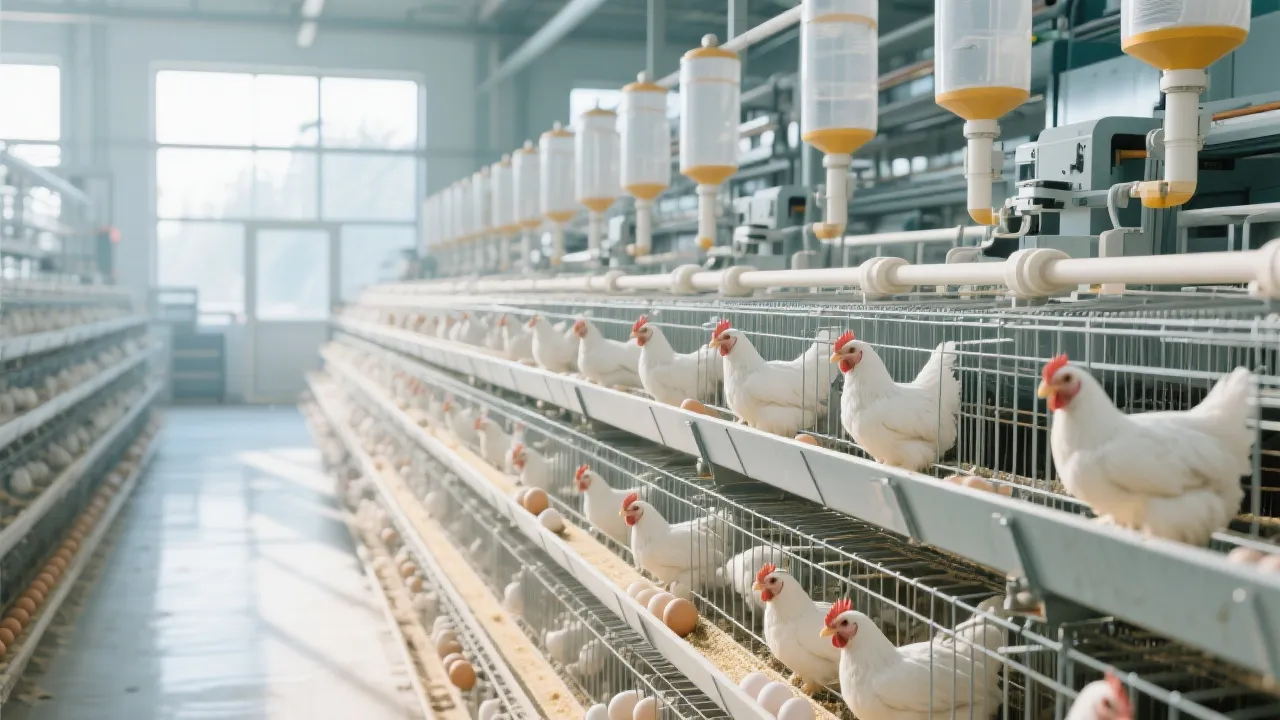
Configuring equipment for a large-scale poultry farm is not about buying “more machines”—it is about matching production stage, housing type, and management goals into a stable system. This page provides a practical configuration logic covering the core modules used in modern farms: poultry cage systems, automatic feeding, automatic drinking, automatic manure removal, egg collection, and poultry house climate control.
Prepared by Livi Machinery (Zhengzhou Livi Machinery Manufacturing Co., Ltd.)—a poultry farming equipment manufacturer and solution provider focused on scalable, durable, and practical systems for layers, broilers, and brooding/growing stages.
1) Start with the production scenario (layers vs. broilers vs. brooding/growing)
Before selecting equipment models, define the scenario clearly. This prevents mismatches—such as over-investing in some modules while leaving bottlenecks in others.
2) Core system overview: what to configure in a modern poultry house
A large-scale poultry farm typically relies on six linked systems. Each affects labor, biosecurity, and day-to-day stability. The goal is to build a configuration that is workable now and expandable later.
Poultry cage system
The cage system defines stocking, daily operations, and integration points for feeding, drinking, manure removal, and egg collection.
Automatic feeding system
Ensures consistent feed delivery and helps stabilize flock uniformity and labor planning.
Automatic drinking system
Water availability is a primary driver of intake and performance; reliability and hygiene matter most.
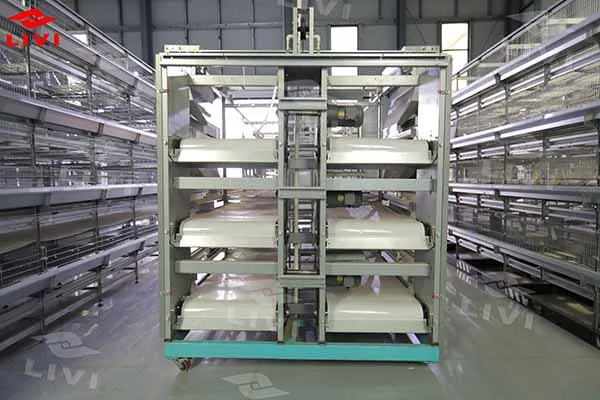
Automatic manure removal system
Reduces ammonia risk, supports cleanliness, and improves working conditions and biosecurity routines.
Egg collection system (layers)
Supports efficient collection and handling—often critical for managing breakage and labor.
Poultry house climate control (ventilation / cooling / heating)
Climate control is the “system integrator” of the house—airflow, temperature, and humidity stability affect feed conversion, health management, and mortality risk.
3) Configuration logic: build the system in the right order
In practical projects, selecting equipment in a clear sequence helps reduce rework and avoids interface conflicts.
- House & layout basics: building type (steel structure poultry house or existing house), aisle width, row spacing, service areas, and future expansion plan.
- Cage system selection: choose based on production stage (layer/broiler/brooding/growing), desired management intensity, and integration requirements.
- Feeding + drinking matching: ensure alignment with cage rows, line lengths, access points, and maintenance routine.
- Manure removal planning: design for easy daily/periodic removal and smooth waste routing without contaminating clean areas.
- Egg collection (layers): match collection method and transfer path to labor plan and egg handling area.
- Climate control integration: confirm airflow path, fan/pad/heating placement, and control strategy after internal layout is stable.
A reliable configuration is one where each module is serviceable, maintainable, and compatible with the next—especially at scale.
4) Selection checkpoints by system (what to evaluate)
4.1 Poultry cage system
- Stage-fit: layer cages, broiler cages, and brooding/growing cages have different operational priorities—confirm you are selecting for the right stage.
- Integration interfaces: confirm how feeding lines, drinking lines, manure belts/scrapers, and egg belts (layers) connect.
- Service access: consider inspection, bird handling, and cleaning routines at the aisle level.
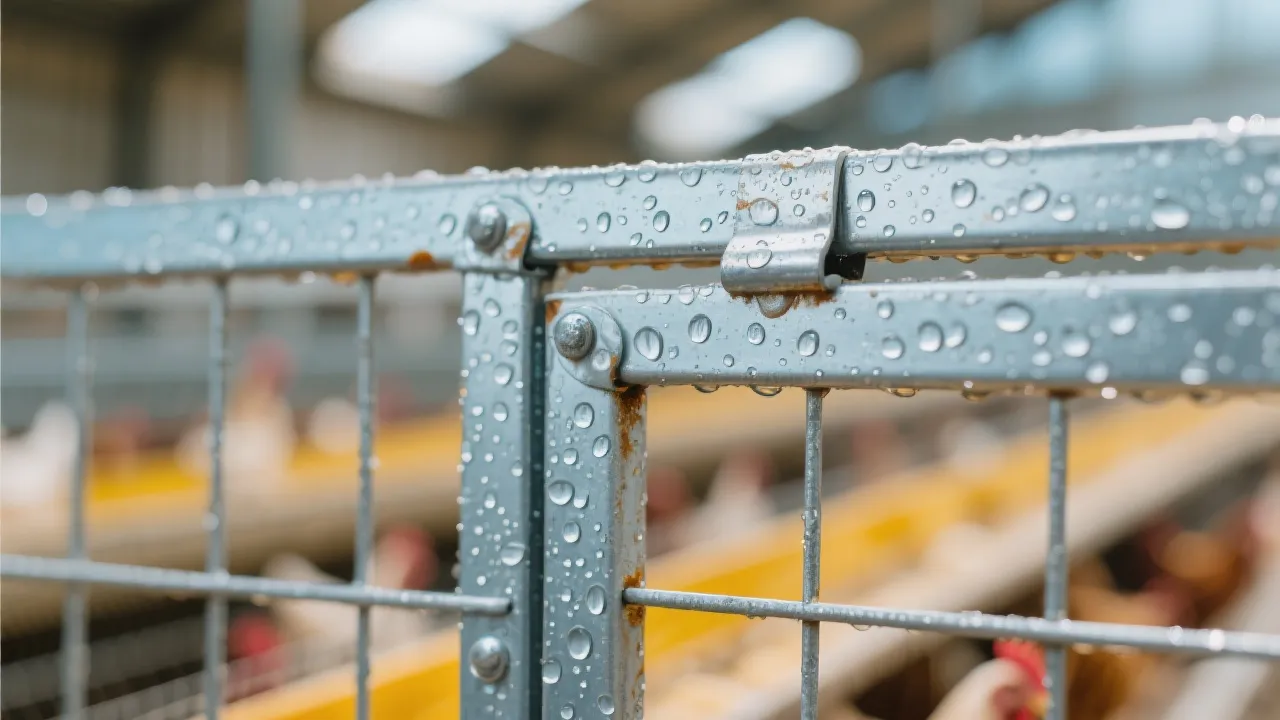
- Durability mindset: evaluate material selection and production quality controls offered by the manufacturer for long-term stability.
4.2 Automatic feeding system
- Uniform delivery: confirm the system supports consistent feed distribution across rows and levels.
- Maintenance plan: check daily inspection points, wear components, and ease of cleaning.
- Management fit: align feeding strategy and labor plan with the equipment workflow (loading, delivery, and monitoring).
4.3 Automatic drinking system
- Reliability: stable water access is non-negotiable in large-scale farms—review layout, pressure management, and routine checks.
- Hygiene readiness: plan for flushing/cleaning and minimize leak risks to protect litter and air quality.
- Animal access: ensure drinker placement is appropriate for the stage (brooding/growing vs. adult birds).
4.4 Automatic manure removal system
- Removal rhythm: confirm whether the farm will run continuous, daily, or scheduled removal and choose accordingly.
- Clean/dirty separation: design the manure route to reduce cross-contamination with feed storage and egg handling areas.
- House environment impact: proper manure handling supports ammonia control and overall climate management.
4.5 Egg collection system (layers)
- Handling path: map the full route from cage to collection point to minimize drops, congestion, and unnecessary manual steps.
- Workflow alignment: ensure the collection solution matches your labor availability and packing/temporary storage plan.
- Compatibility: egg collection should integrate cleanly with the selected layer cage system.
4.6 Poultry house climate control (ventilation / cooling / heating)
- Airflow logic: confirm the airflow path fits the cage layout, prevents dead zones, and supports stable bird comfort.
- Cooling & heating balance: plan seasonality and local climate realities—cooling without airflow planning (or heating without ventilation) creates management risk.
- Control readiness: prioritize solutions that are practical to operate and maintain for your team’s skill level and monitoring routine.
5) A practical checklist for evaluating a configuration proposal
- Stage clarity: Is the solution explicitly designed for layers, broilers, or brooding/growing (not a generic mix)?
- System completeness: Does it cover cages + feeding + drinking + manure removal + (egg collection for layers) + climate control?
- Interface confirmation: Are connection points and installation boundaries defined between systems?
- Operability: Can your team maintain it daily—cleaning, inspection, and routine troubleshooting?
- Scalability: Can the design expand by adding rows/levels/houses without redesigning core logic?
- Quality controls: What inspection steps exist from raw materials to shipment to ensure stable delivery quality?
6) How Livi Machinery supports large-scale farm equipment configuration
As a manufacturing-focused poultry farming equipment provider established in 2013, Livi Machinery supplies key modules including layer cages, broiler cages, brooding/growing cages, automatic feeding systems, automatic drinking systems, automatic manure removal systems, automatic egg collection systems, and poultry house climate control equipment, as well as steel structure poultry houses and farm supporting equipment.
One-stop, project-oriented delivery
Livi supports customers with a practical, end-to-end approach—from planning and equipment matching to delivery and implementation coordination—helping farms build configurations that can operate consistently in real production conditions.
Global project experience
Serving customers across multiple regions worldwide, Livi’s team focuses on making equipment selection and system integration clear and executable for different market needs.
Quality-first manufacturing discipline
Quality control is emphasized throughout—from raw material selection to product inspection prior to shipment—supporting stable long-term operation for large-scale farms.
Next step: discuss your farm’s configuration requirements
If you are evaluating equipment for a layer farm, broiler farm, or brooding/growing house, share your target capacity, house dimensions, local climate conditions, and preferred automation level. Livi Machinery can help you review the matching logic across cages, feeding, drinking, manure removal, egg collection, and climate control to form a workable configuration plan.




Hot Products

.jpg?x-oss-process=image/resize,m_fill,h_800,w_800/format,webp)




READY TO START?
Ready to Build Your Poultry Farm?
Tell us your land size, poultry type and farming capacity. LIVI will provide a complete farm solution for your project.