


Guide to Cage Selection for Large-Scale Laying Hen Farms: A Scientific Plan to Improve Farming Efficiency and Reduce Maintenance Costs

Large-scale laying hen farms often face three major pain points: low cage efficiency, frequent maintenance, and high labor costs. These issues not only affect the profitability of the farms but also pose challenges to sustainable development. In this guide, we will explore how to scientifically select cage equipment to address these concerns, with a focus on the H-type layer hen cage.
1. Understanding the Pain Points in Large-scale Farms
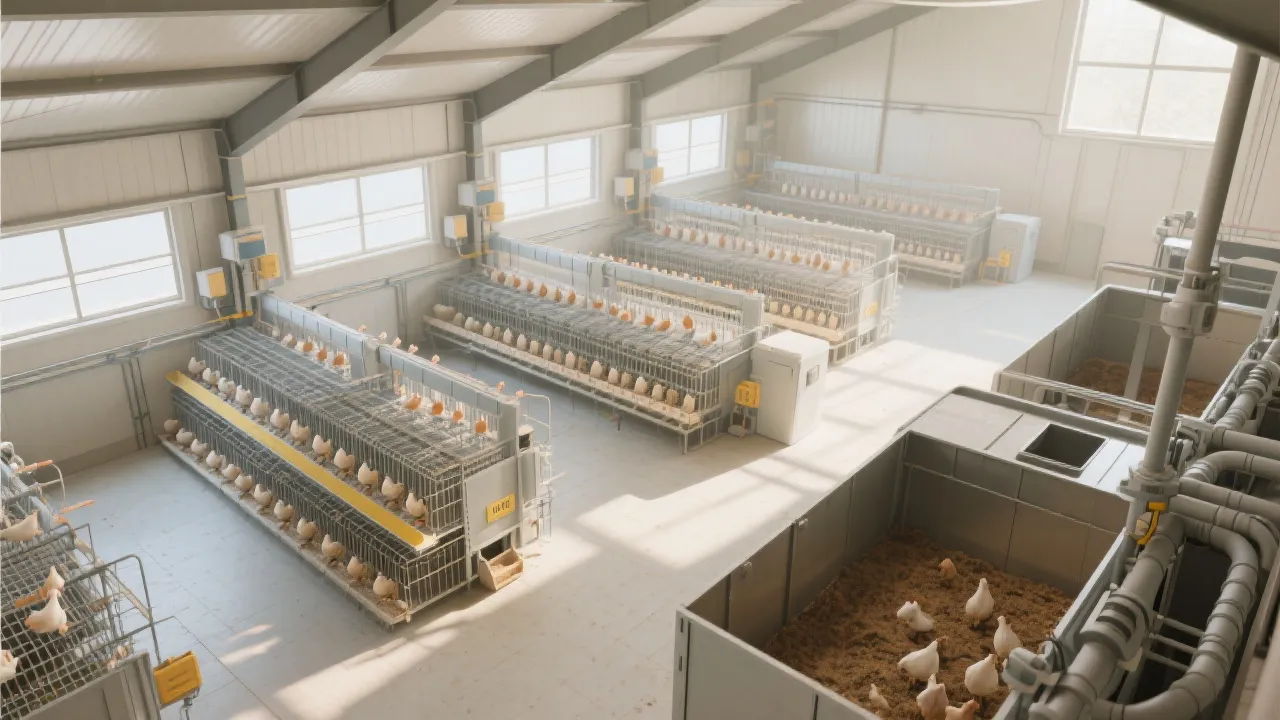
Traditional cage systems in large farms may have poor space utilization, leading to overcrowding and reduced productivity. Frequent maintenance is required due to the wear and tear of cage materials, which also increases the overall cost. Additionally, high labor costs are incurred in tasks such as egg collection and manure cleaning. For example, a large farm may spend up to 8 hours per day on manual egg collection and manure removal, which is both time-consuming and labor-intensive.

2. The Advantages of H-type Structure Design
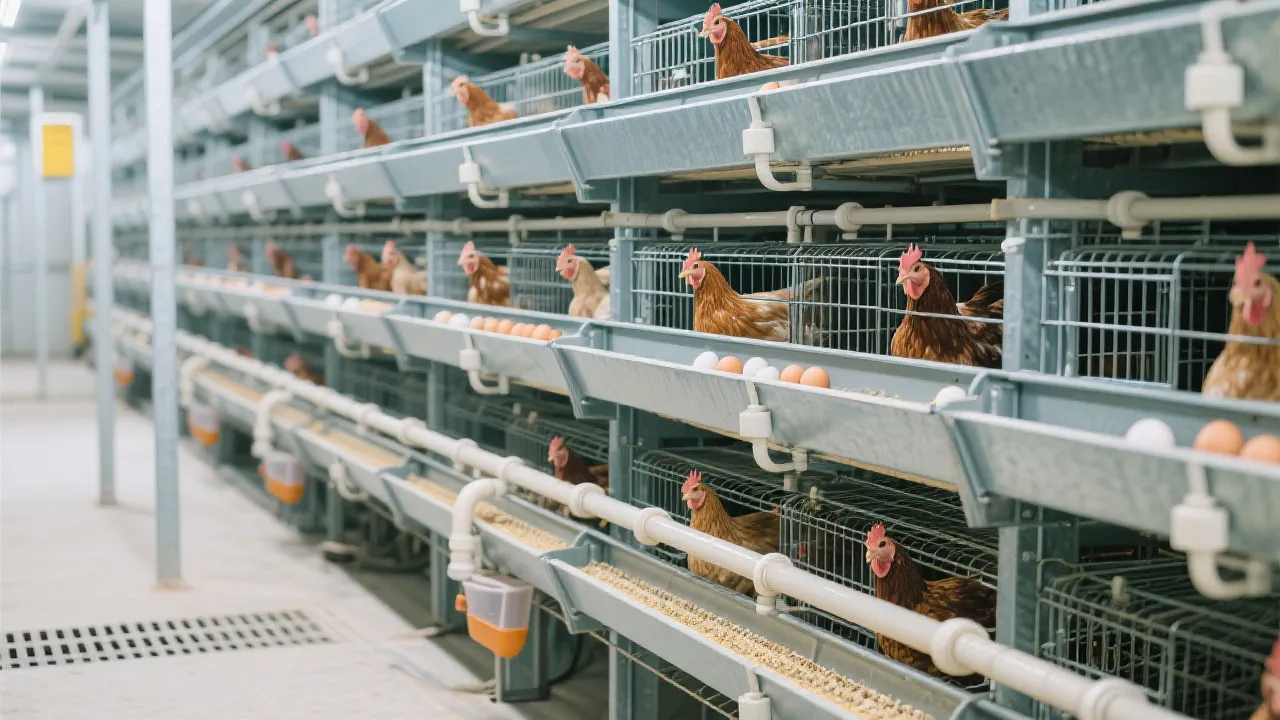
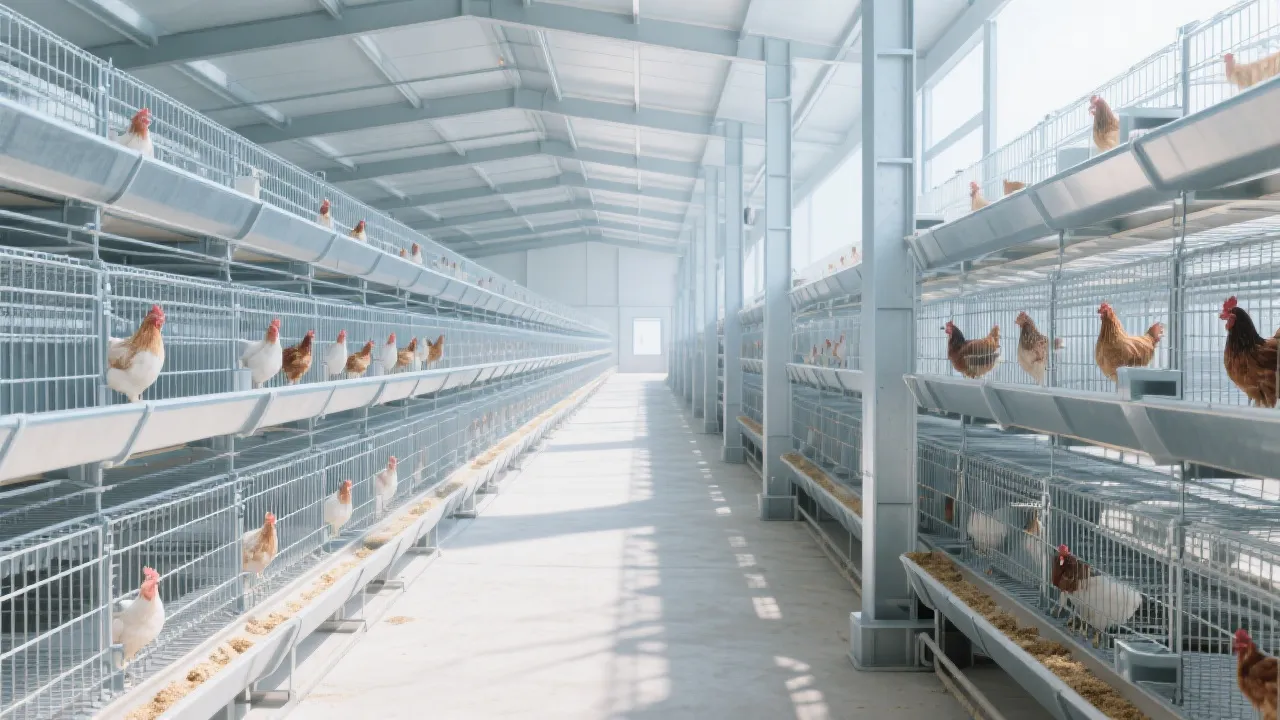
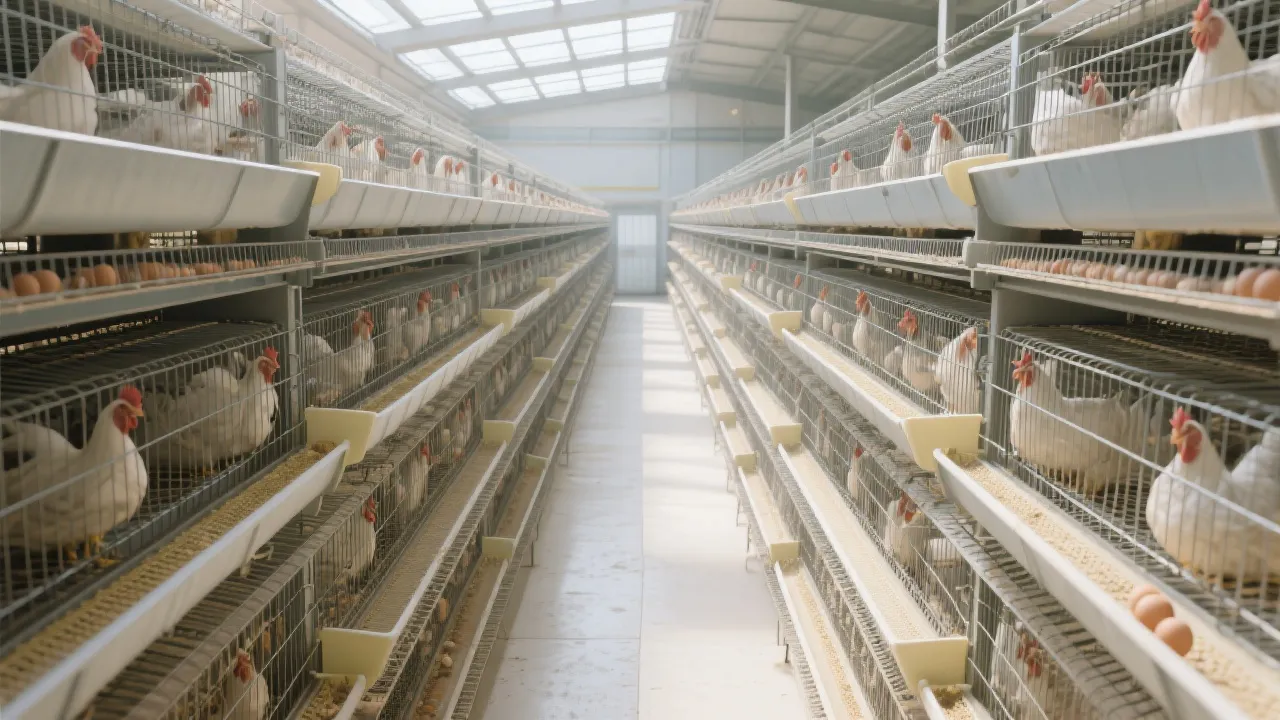
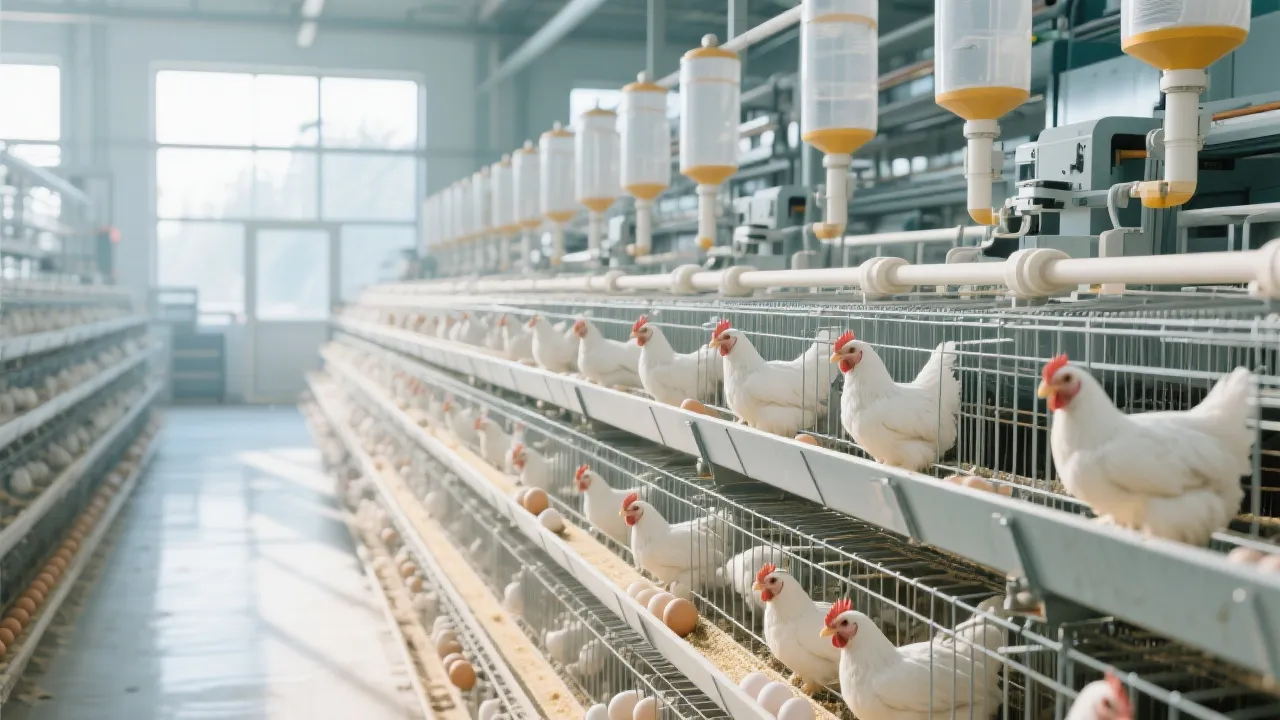
The H-type layer hen cage features an optimized structure that significantly improves space layout and operational convenience. Compared with traditional cage types, the H-type design allows for better ventilation and temperature control, which is crucial for the health of the hens. It also provides more space for the hens to move around, reducing stress and improving egg production. For instance, the H-type cage can increase the space utilization by up to 30% compared to traditional cages, allowing more hens to be housed in the same area.
3. Key Role of Material and Process
The material and process of the cage play a vital role in its durability and anti-corrosion properties. The H-type cage is made of Q235 steel, which is then treated with hot-dip galvanizing and an aluminum-zinc alloy coating. This combination can extend the service life of the cage to 15 - 20 years, significantly reducing the need for frequent replacements. The hot-dip galvanizing process forms a protective layer on the steel surface, preventing rust and corrosion. The aluminum-zinc alloy coating further enhances the anti-corrosion ability, especially in humid environments.

4. Value of the Automation System
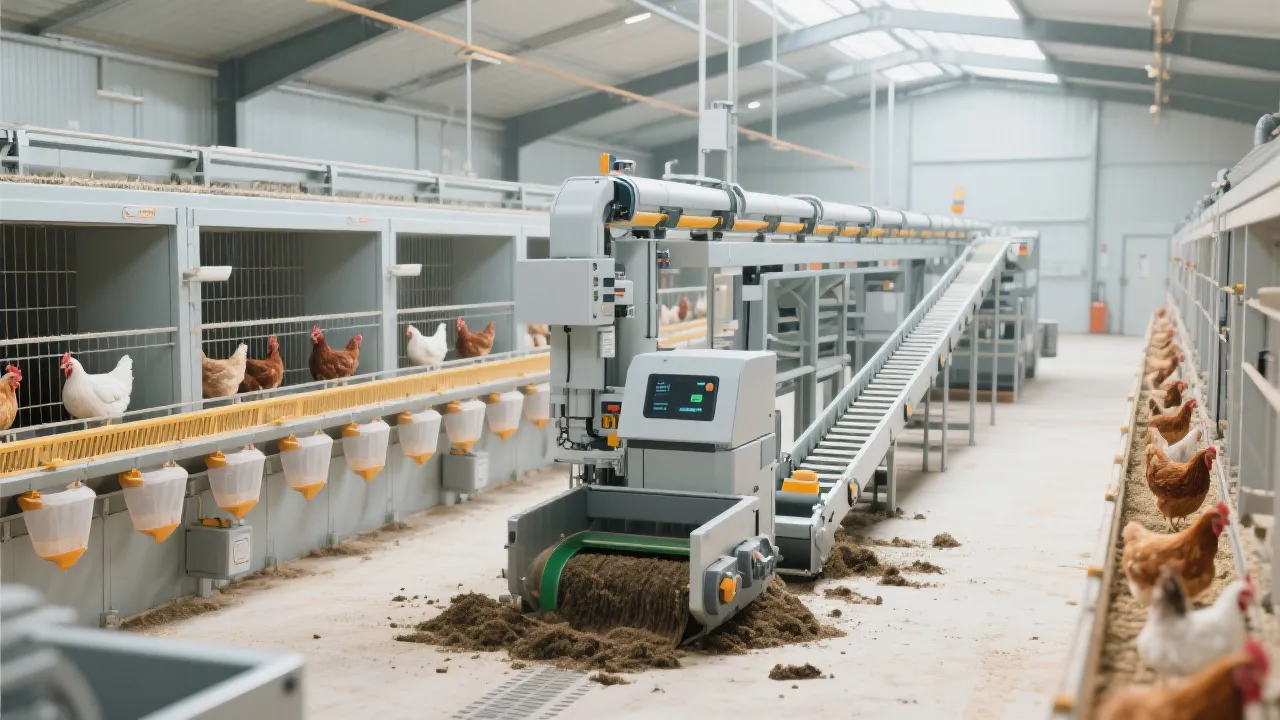
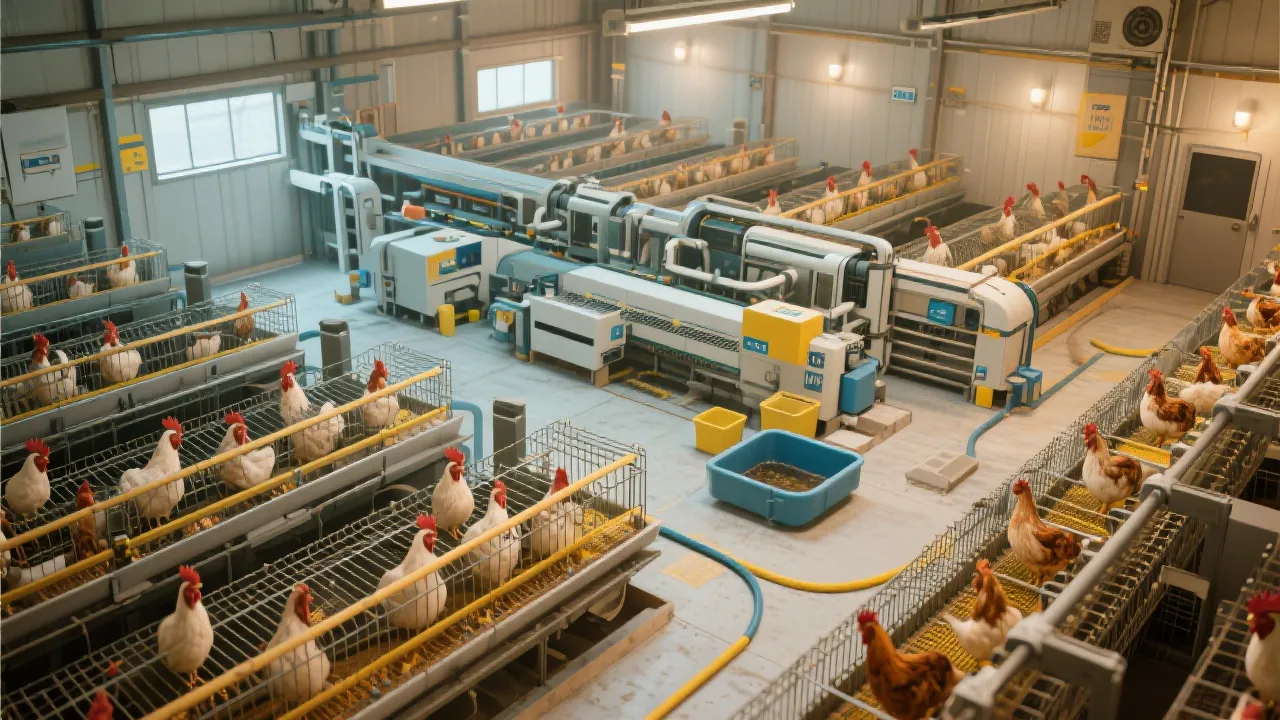
The automation system in the H-type layer hen cage is a game-changer in modern egg production. The egg collection system can automatically collect eggs, reducing the manual labor by up to 6 hours per day. The manure cleaning system can also efficiently remove manure, improving the hygiene of the chicken house and reducing the risk of diseases. Moreover, the automation system helps to improve the welfare of the hens by providing a cleaner and more comfortable living environment.
5. Compliance with ISO/CE Certification and Industry Trends
When selecting cage equipment, it is essential to consider ISO/CE certification, which ensures that the product meets international quality and safety standards. The H-type layer hen cage complies with these certifications, providing assurance to farmers. In addition, with the increasing emphasis on environmental protection policies and animal welfare standards, the H-type cage is designed to be more environmentally friendly and in line with the latest industry trends. For example, the cage is designed to reduce waste and energy consumption, while also providing a better living environment for the hens.

6. Practical Selection Suggestions
When choosing the right cage for your large-scale egg farm, consider the following factors: the size of your farm, the number of hens, your budget, and your long-term development goals. It is also recommended to consult with industry experts or visit successful farms to gain more practical experience. By making a scientific and informed decision, you can not only improve the efficiency of your farm but also reduce the overall cost in the long run.
"Choosing the right cage is an investment in the future of your farm. It can save you a significant amount of money in the long term by reducing maintenance costs and improving productivity." - Industry Expert
Are you ready to take your large-scale egg farm to the next level? Discover more about the H-type layer hen cage and its advanced features by clicking here.





Hot Products

.jpg?x-oss-process=image/resize,m_fill,h_800,w_800/format,webp)


Popular articles




READY TO START?
Ready to Build Your Poultry Farm?
Tell us your land size, poultry type and farming capacity. LIVI will provide a complete farm solution for your project.