Three Scaled Broiler Farm Cases: How Optimized Housing Plans Lift Efficiency at 10,000 / 30,000 / 50,000 Birds
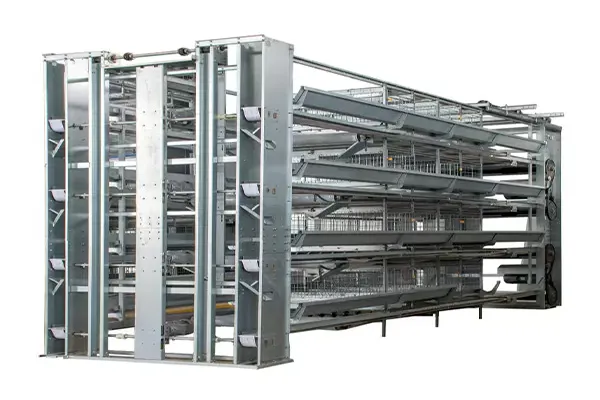
When broiler production moves from “family-scale” to “industrial-scale,” profits stop being driven only by feed price and market timing. The real difference is often hidden in the housing plan: corrosion resistance, space efficiency, labor workflow, daily management stability, and whether installation/service is reliable enough to avoid costly downtime. This case-based analysis reviews how three large broiler growers upgraded to an H-type broiler battery cage solution from Zhengzhou Livi Machinery Manufacturing Co., Ltd., and what changed in measurable terms.
Why These Farms Chose H-Type Broiler Battery Cages (Before Looking at Numbers)
For buyers comparing poultry equipment, “cage” is never just a cage. Large farms evaluate total cost of ownership: expected service life, cleaning speed, labor stability, and how consistently birds perform under daily routines. Across these three cases, the selection criteria converged on four practical requirements.
1) Steel & Anti-Corrosion: Protecting the Investment, Not Only the Birds
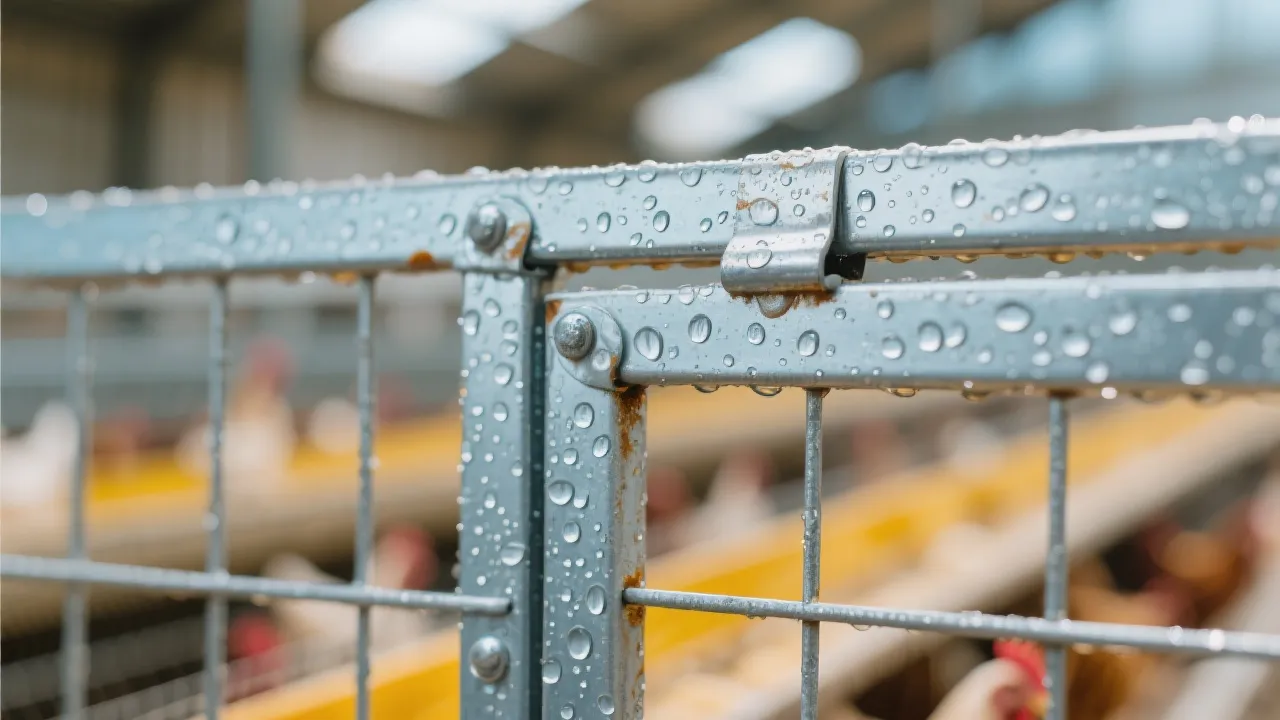
The core structure uses Q235 bridge steel (widely adopted in industrial frameworks for its balance of strength and fabrication consistency). For broiler houses where moisture, ammonia, and daily washdown are unavoidable, surface protection is the real “lifespan switch.”
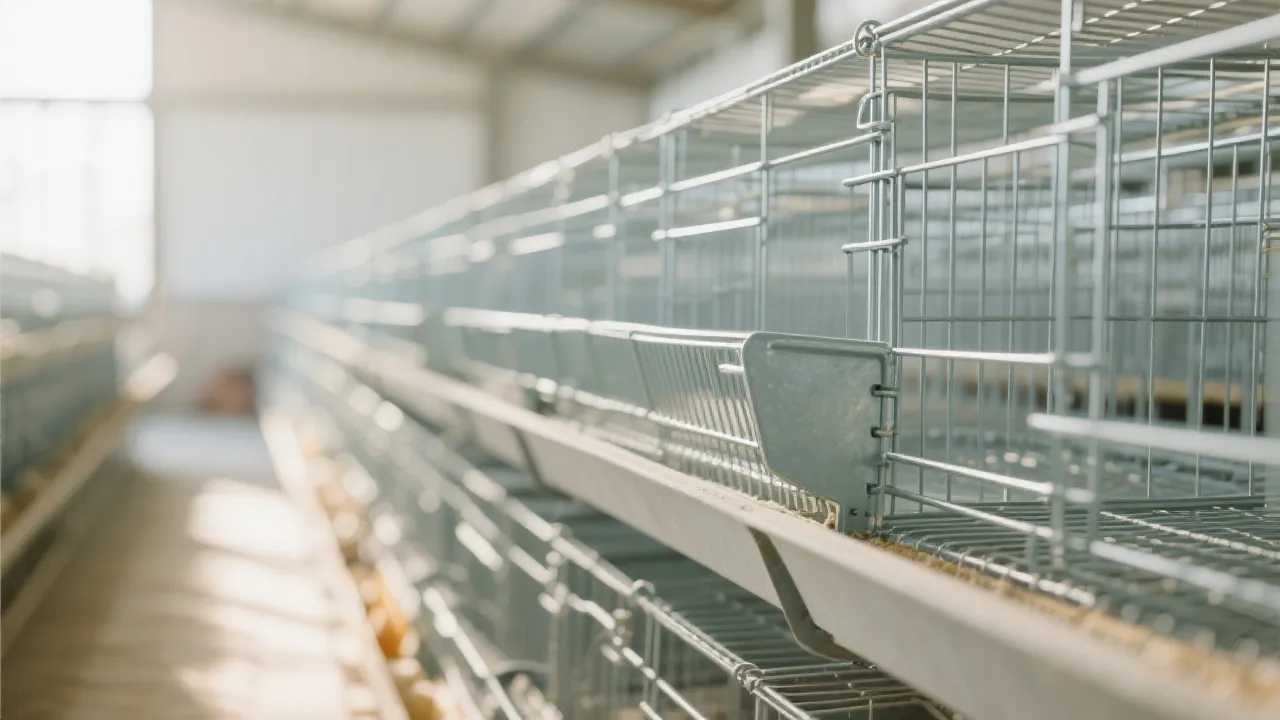
These farms prioritized hot-dip galvanizing as a corrosion-resistance baseline. In practical terms, it reduces rust-related failures (mesh deformation, fastener corrosion, frame weakening) that often appear after repeated cleaning cycles—especially in warm, humid regions.
2) Multi-Tier H-Type Layout: Turning Height Into Capacity
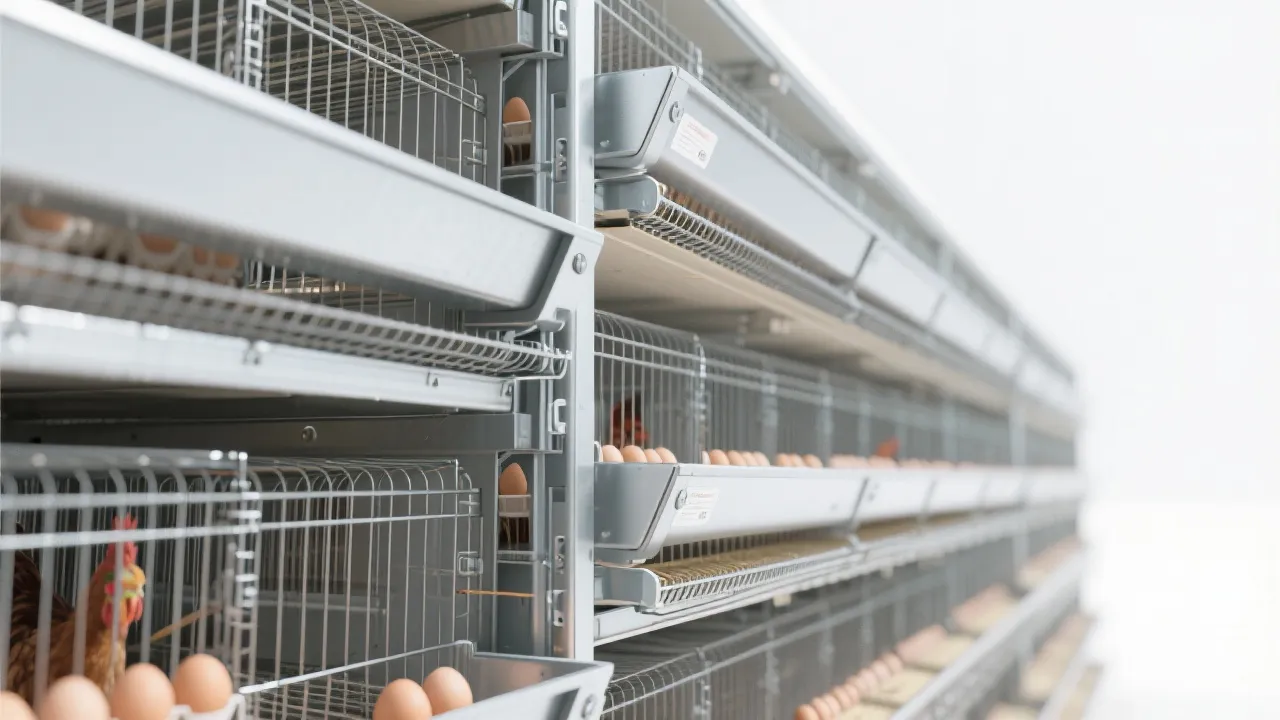
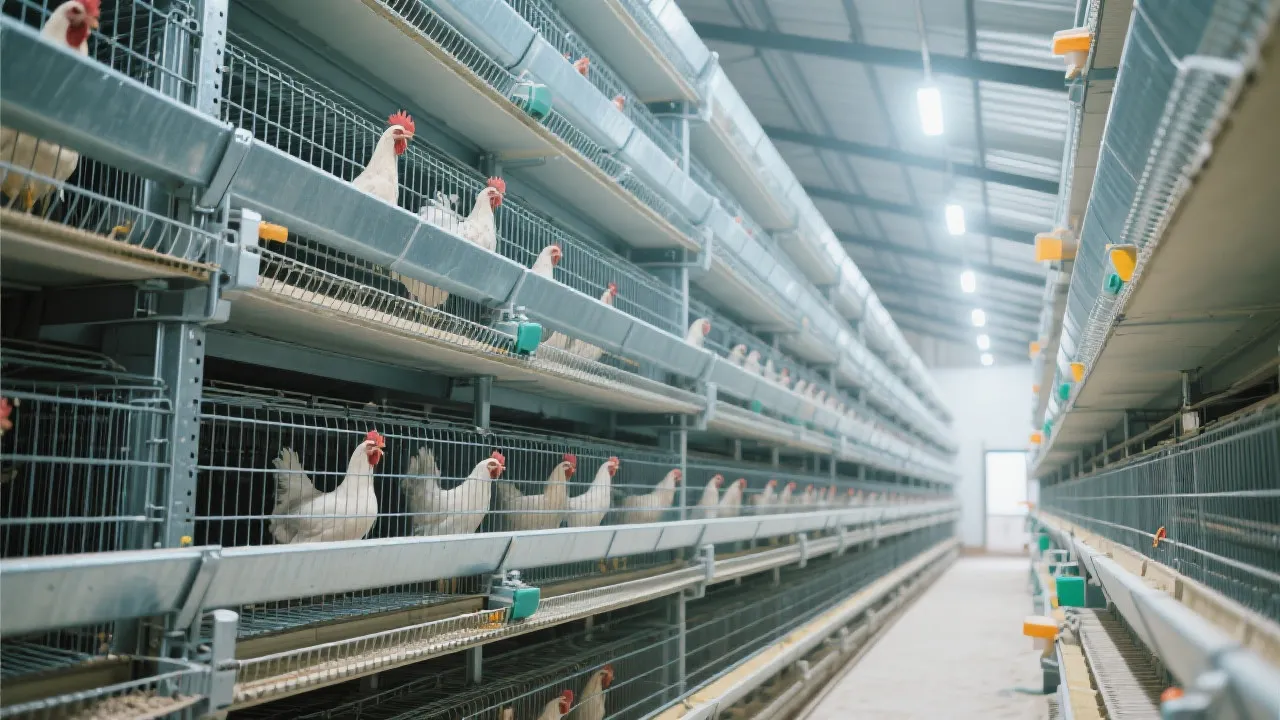
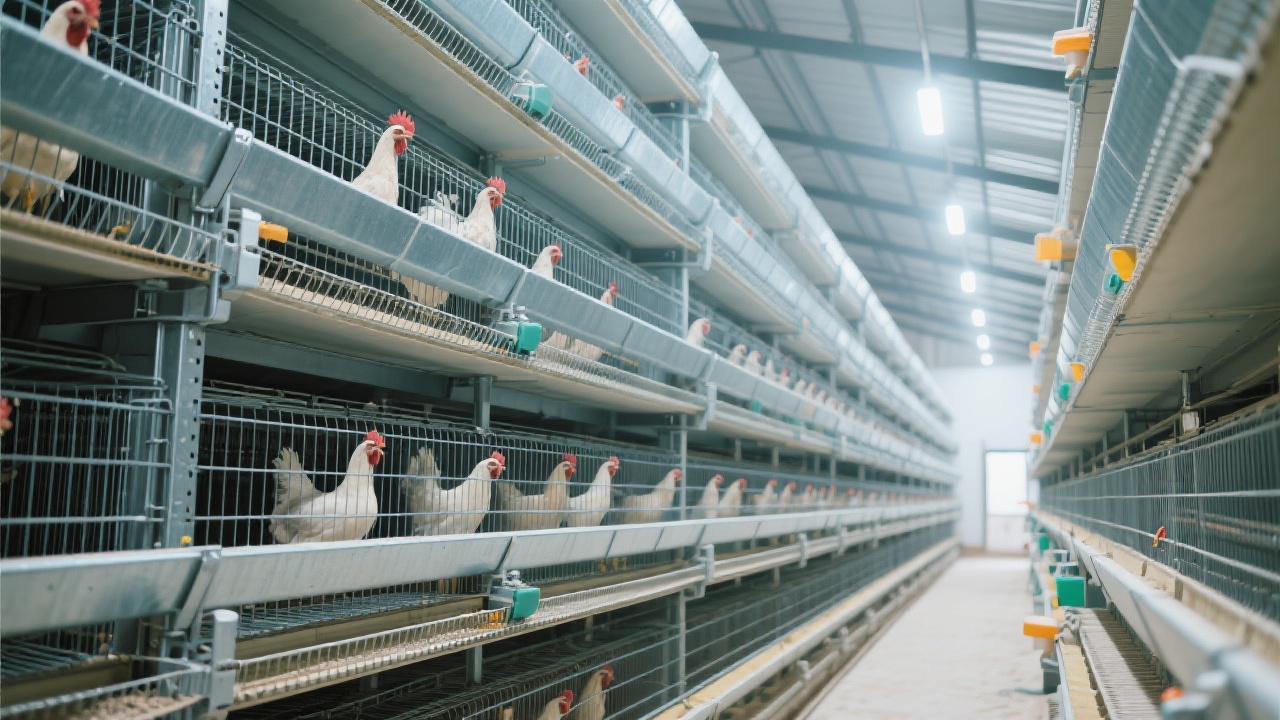
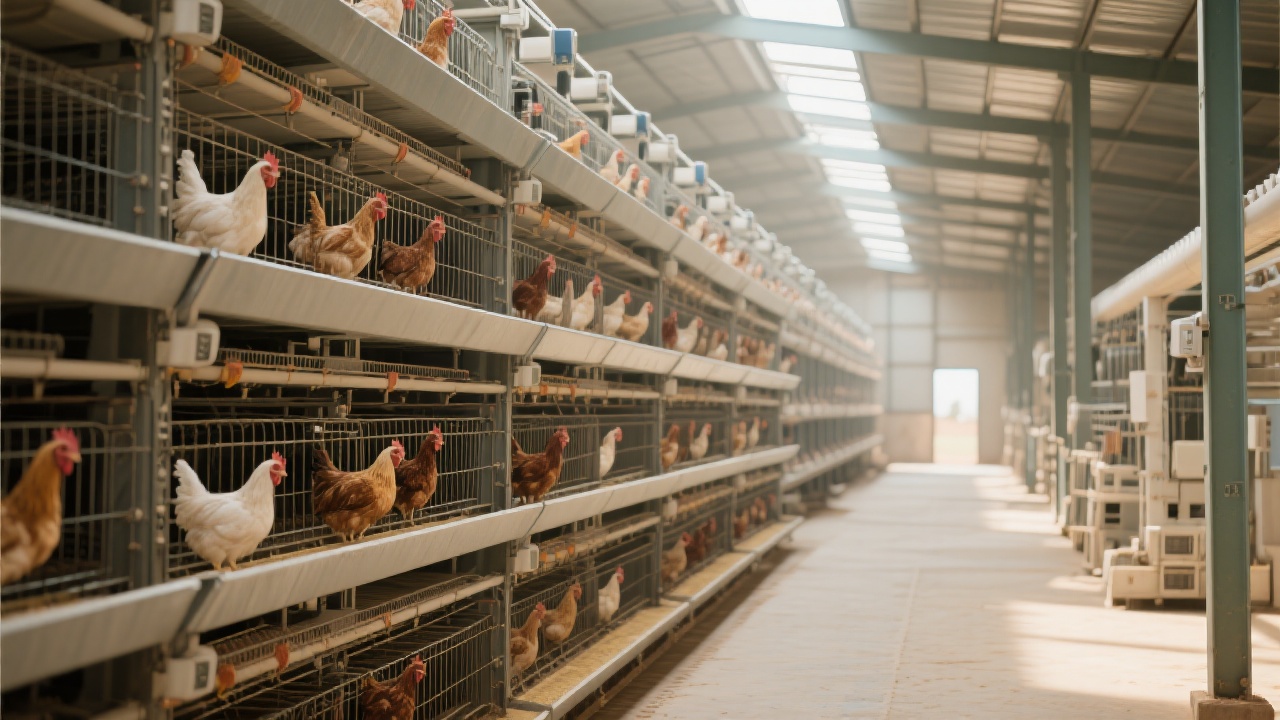
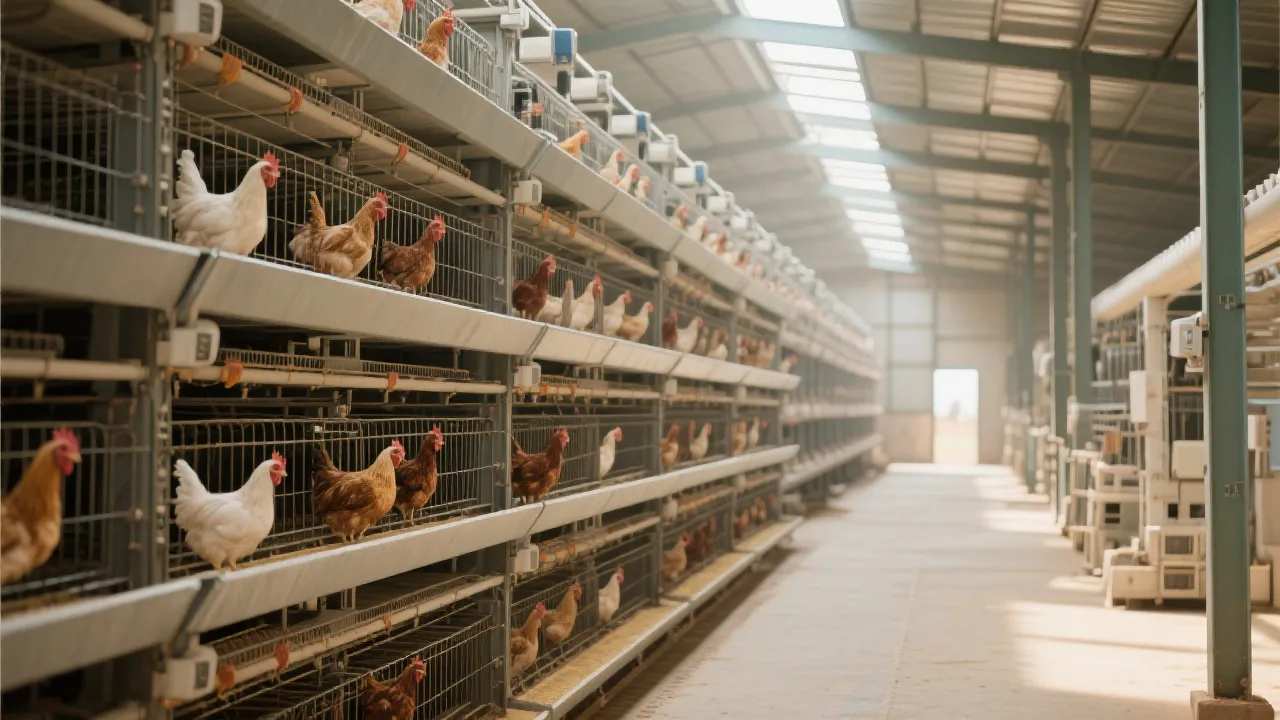
H-type multi-layer design focuses on maximizing usable building volume without turning management into a daily struggle. Compared with floor rearing or low-efficiency layouts, the vertical arrangement typically improves stocking capacity per square meter and creates clearer lanes for feeding, inspection, and catching.
For decision-makers, the question is not “How many layers?” but “Can the design maintain airflow, access, and cleaning routines while scaling?” These cases show that when layout and workflow are designed together, the farm becomes easier to run—not harder.
3) Daily Management: Fewer “Small Problems” That Become Big Losses
Large-scale broiler operations often lose money through small inefficiencies: uneven growth due to inconsistent access, time wasted on cleaning corners, frequent repairs, or stress events during catching. A well-matched cage plan reduces these friction points through consistent structure, predictable access paths, and easier sanitation.
Each of the following farms reported that after adopting a more standardized system, routines became repeatable—making staff training simpler and reducing performance variability between batches.
Buyer-side checklist used in all three projects
- Corrosion resistance strategy: hot-dip galvanized, easy-to-clean surfaces
- Structural stability: Q235 steel frame consistency, reduced deformation risk
- Workflow fit: inspection access, cleaning lanes, catching convenience
- Support scope: logistics planning + installation guidance + after-sales responsiveness
Case 1 — 10,000 Broilers: A “First Step” Upgrade That Stabilized Results
The 10,000-bird farm was transitioning from a simpler setup to a standardized, repeatable production rhythm. Their top concern wasn’t maximum density; it was avoiding management chaos and minimizing unexpected losses during each batch.
What changed after optimizing the housing plan
*Reference ranges vary by climate, management, and biosecurity level; numbers reflect typical outcomes reported by commercial farms adopting standardized cage-based workflows.
Case 2 — 30,000 Broilers: Scaling Without Tripling Labor
At 30,000 birds, the farm’s management pain shifted: labor becomes a bottleneck and “small repair delays” quickly ripple into performance issues. Their decision focused on a cage configuration that supports high-frequency routines while staying durable under intense cleaning cycles.
Key gains they cared about (and why)
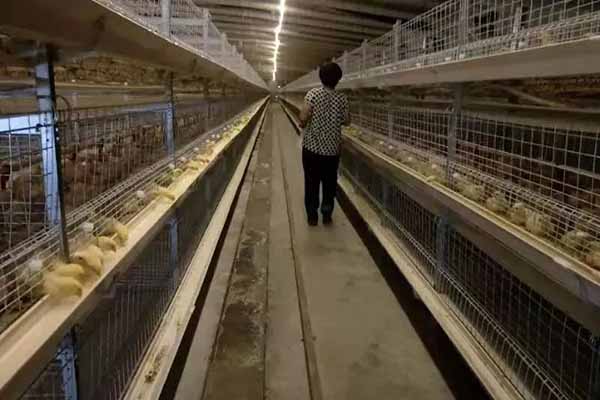
- Space utilization: multi-tier layout increased birds per house footprint, helping avoid costly building expansion.
- Workflow simplification: clearer access reduces missed checks and improves staff consistency.
- Durability: Q235 steel frame + hot-dip galvanizing targeted long-term stability in a high-moisture environment.
Performance snapshot (reference outcomes)
Labor efficiency
Routine labor hours per 10,000 birds often drop by ~10–20%.
House utilization
Capacity per m² commonly increases ~1.5–2.5× vs. floor systems (layout dependent).
Batch stability
More consistent daily checks typically improve uniformity and reduce avoidable losses.
Reference data is shown for planning and comparison; final results depend on ventilation design, stocking density, feed program, and biosecurity.
Case 3 — 50,000 Broilers: When Downtime Becomes the Biggest Cost
At 50,000 birds, the farm already understood broiler biology; their biggest threat was operational risk: delayed delivery, installation mistakes, or fragile components that trigger downtime. The upgrade decision focused on a robust, scalable plan with clear execution steps—logistics, installation guidance, and service responsiveness included.
What a “complete solution” meant for this farm
Rather than purchasing equipment alone, they required a plan that supports implementation: shipment preparation, on-site assembly steps, and operational handover. For large farms, the installation phase is not a formality—it’s where many hidden costs appear.
- Pre-project layout confirmation: house dimensions, aisle widths, and service clearance mapped before production.
- Transport packaging logic: fewer damaged parts and faster on-site counting.
- Installation guidance: reduces rework and shortens ramp-up time.
- After-sales service plan: clear response channel for parts and technical questions.
Reference comparison: where large farms typically see payback
What Makes the Difference vs. “Similar-Looking” Cage Offers
In international B2B procurement, many poultry cage listings look the same on screen. The differences that matter tend to show up after installation—during washdowns, daily routines, and the third or fourth batch.
Material transparency & processing
Stating Q235 steel and using hot-dip galvanizing as a defined anti-corrosion method helps buyers evaluate expected service life under ammonia exposure and frequent cleaning—critical for investment safety in large-scale broiler housing.
Execution-ready planning
A practical solution includes layout confirmation, shipping protection, and installation guidance—not only a factory quotation. For scaling farms, fewer unknowns means fewer hidden costs.
Budgeting without “surprises” (non-price guidance)
For large broiler projects, most buyers plan in three blocks: equipment, international logistics, and installation/commissioning. Equipment configuration (tiers, density targets, house layout) will heavily influence the final numbers—so farms in the consideration stage often start with a bill-of-materials-style plan, then confirm shipping and installation timelines to control total project risk.
A Practical Decision Guide for Large Broiler Growers
If you are evaluating a broiler housing upgrade, compare solutions using questions that reveal long-term outcomes—not only upfront features:
- Anti-corrosion: Is hot-dip galvanizing clearly specified, and is it suitable for your washdown routine?
- Structure: What steel grade is used for the frame, and how is deformation risk controlled over time?
- Workflow: Can staff inspect, clean, and catch birds efficiently without “blind spots”?
- Service scope: Do you get layout confirmation, transport planning, and installation guidance?
- Scalability: Can the system scale from 10,000 to 50,000 birds without redesigning the entire house?
Get a Custom H-Type Broiler Battery Cage Plan Based on Your House Size & Target Capacity
Share your poultry house dimensions, target birds per batch, and local climate conditions. Zhengzhou Livi Machinery Manufacturing Co., Ltd. can prepare a configuration suggestion (tiers, layout, and implementation steps) that helps you control risk and improve long-term production efficiency.
Request an H-Type Broiler Battery Cage SolutionKeyword focus naturally covered: large-scale broiler farming, chicken battery cage, broiler farming solution, efficiency improvement, poultry farming equipment, management optimization, anti-corrosion cage materials, multi-tier cage design, delivery & installation service, case analysis.




.jpg?x-oss-process=image/resize,m_fill,h_800,w_800/format,webp)