


Advanced Automated Large-Capacity H-Type Layer Hen Cage System for Optimized Poultry Farming
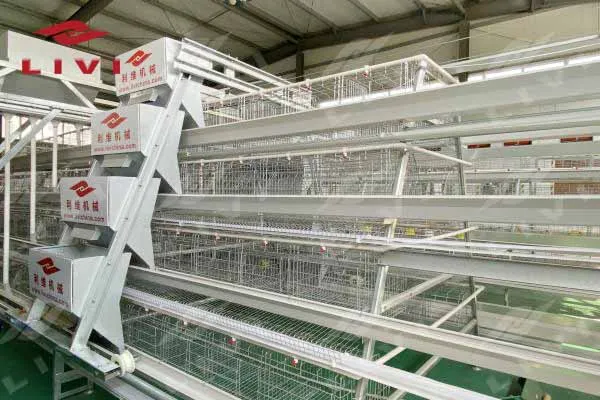
Modern Automated Laying Hen Farming System: Exploring the Advantages of the Large-Capacity H-Frame Poultry Cage
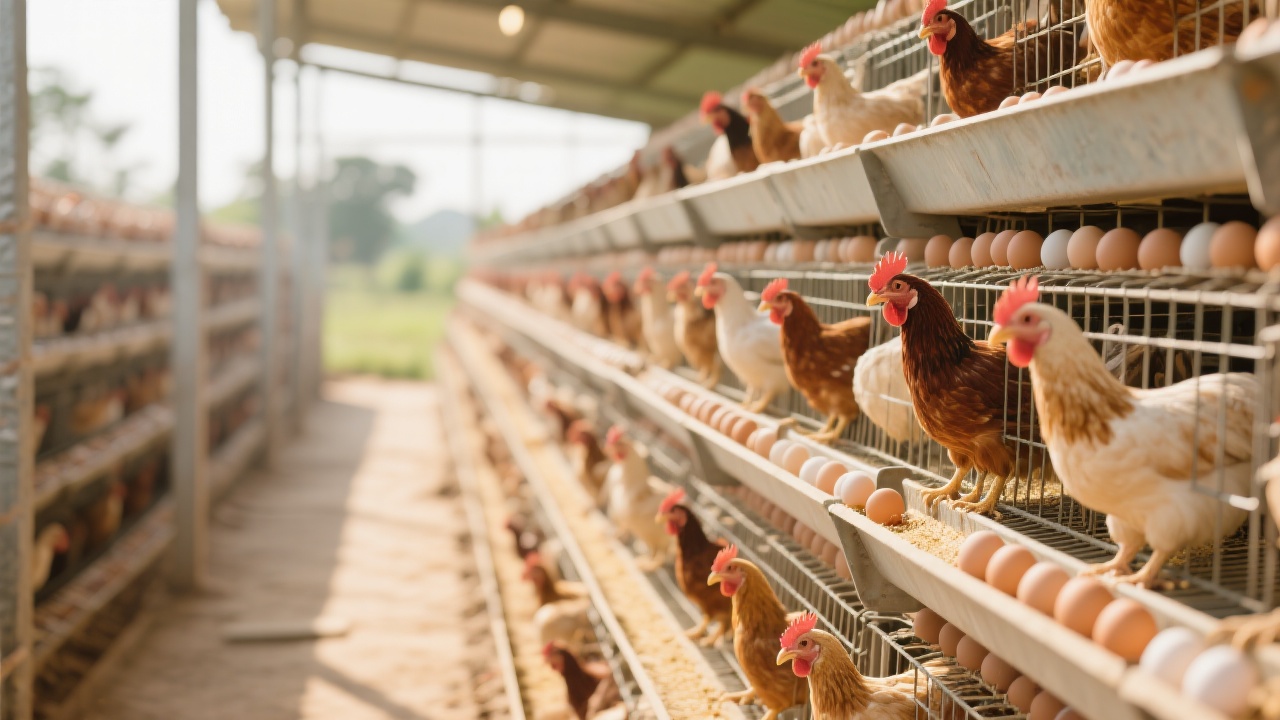
In today’s commercial poultry industry, optimizing space utilization and operational efficiency remains pivotal for maximizing profitability. The large-capacity H-frame laying hen cage, engineered by Zhengzhou Livi Machinery, epitomizes innovation by integrating durable materials, thoughtful structural design, and automation technologies. This article unpacks the technical merits and practical benefits of adopting Zhengzhou Livi’s automated poultry farming system, aimed at helping farm managers and procurement decision-makers elevate egg production performance while significantly reducing labor overhead.
Robust Construction with Superior Materials
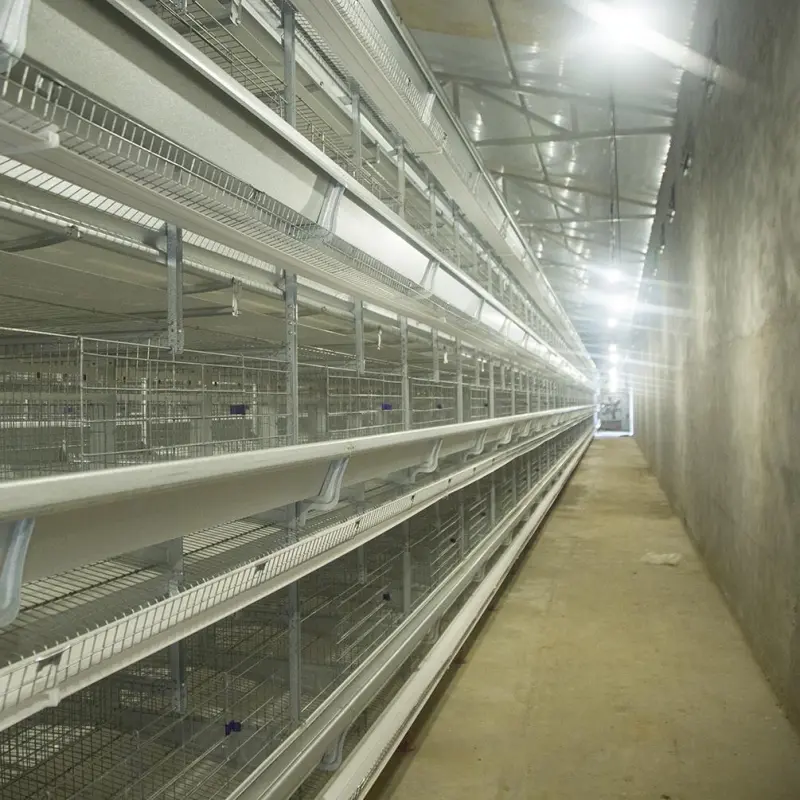
At the core of the H-frame cage’s durability lies the utilization of international-standard Q235 steel, known for its excellent mechanical toughness and corrosion resistance. Enhancing this base, the cage surfaces undergo hot-dip galvanizing combined with an aluminum-zinc alloy coating layer, delivering a multi-tiered defense against rust, abrasion, and environmental degradation. Field tests demonstrate that such treatment extends the operational lifespan of cages by upwards of 30% compared to traditional galvanized cages, ensuring long-term ROI protection.
Innovative H-Frame Structure Maximizing Space Efficiency
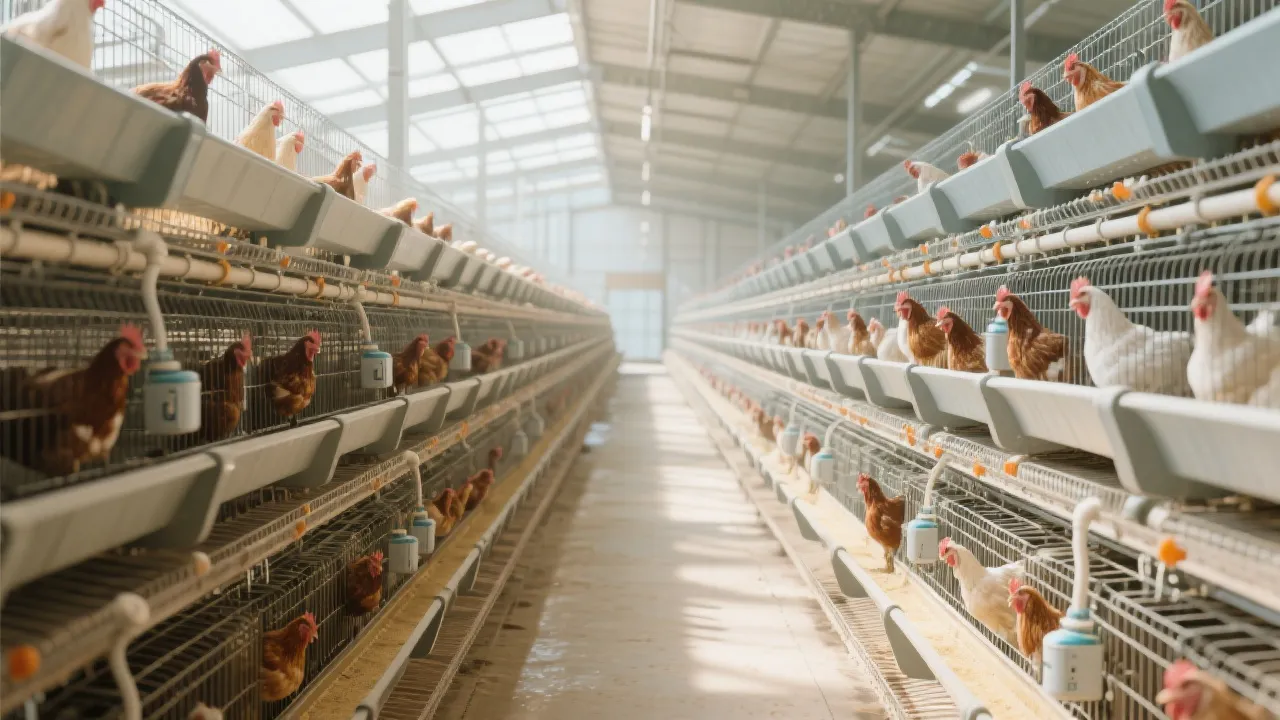
The H-frame geometry strategically arranges cages vertically and horizontally to optimize every square meter of the henhouse. This configuration supports up to 20% more hens per standard unit area without compromising bird welfare or operational accessibility. By streamlining egg collection pathways and enhancing airflow channels, the design underpins improved hygiene and bird comfort—all critical factors positively influencing egg yield and quality.
Automation: Reducing Labor and Boosting Productivity
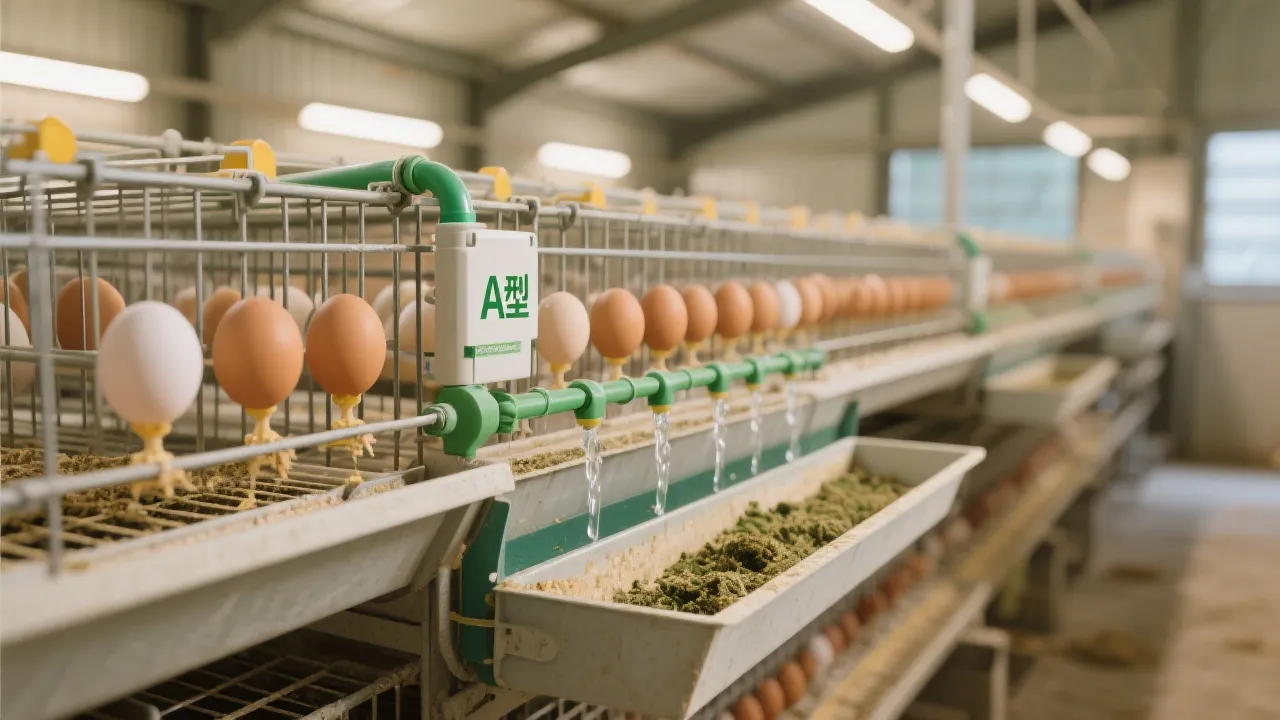
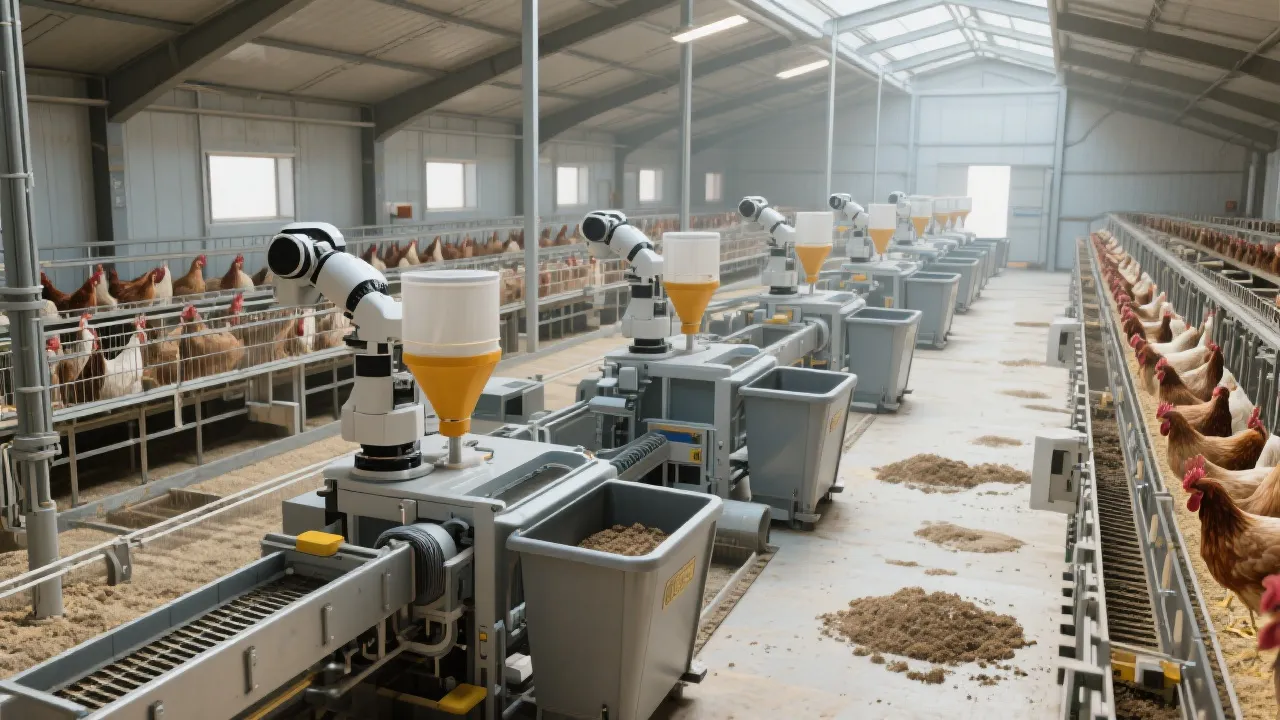
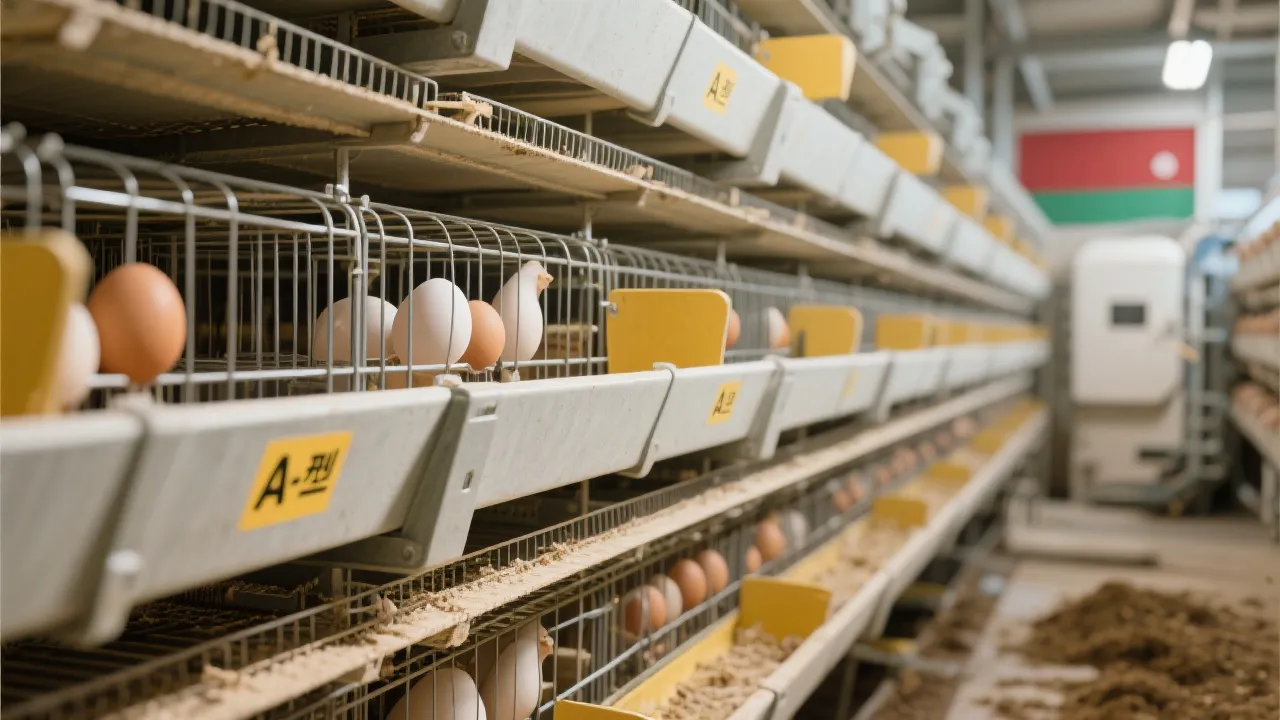
Incorporating an automated egg collection system that gently transports eggs directly to a centralized conveyor minimizes manual handling, thus reducing breakage rates by an estimated 15%. Additionally, the integrated manure removal mechanism operates continuously, maintaining cage cleanliness without the need for time-intensive manual manure clearing. Together, these systems cut labor requirements by approximately 40%, enabling farms to reallocate resources toward other value-driven activities.
Advanced Ventilation and Temperature Control
The integration of precise ventilation and microclimate management technologies ensures an optimal environment critical to the health and productivity of hens. Maintaining consistent fresh air circulation reduces respiratory risks and heat stress, directly correlating with a 5-8% increase in average daily egg production, as documented in recent peer-reviewed industry reports. Temperature regulation mechanisms embedded into the system adapt to seasonal variations, safeguarding continuous operation efficiency year-round.
Operational Impact: Case Studies and Metrics
Real-world deployments of Livi’s automated H-frame cage systems reveal tangible improvements: farms report labor cost savings averaging 38%, alongside a 12-15% uplift in overall egg output within six months of adoption. Beyond productivity, the ergonomic design reduces physical strain on workers, improving onsite job satisfaction and retention—a non-negligible benefit often overlooked in equipment investment decisions.
Maintenance and Management: Practical Recommendations
Optimal performance demands routine inspection of galvanization integrity and automation components, with recommended preventative maintenance intervals every four months. Operators are advised to train personnel in handling system controls and emergency overrides, ensuring swift response to operational anomalies. The modular design facilitates swift replacement of mechanical parts, minimizing downtime and sustaining continuous production lines.




Hot Products

.jpg?x-oss-process=image/resize,m_fill,h_800,w_800/format,webp)


Popular articles




READY TO START?
Ready to Build Your Poultry Farm?
Tell us your land size, poultry type and farming capacity. LIVI will provide a complete farm solution for your project.