


Large-Capacity H-Type Layer Cages with Advanced Ventilation & Temperature Control for Commercial Poultry Farming

Innovative Ventilation and Temperature Control in Commercial Layer Hen Farming
In the rapidly advancing field of commercial layer hen farming, optimizing environmental conditions is pivotal to ensure bird health and enhance egg production efficiency. Zhengzhou Livi Machinery’s development of the large-capacity H-type layer cage presents a significant leap forward by integrating durable materials and cutting-edge ventilation and temperature control techniques.
Durability and Design: The Backbone of Modern layer cages
Central to the effectiveness of layer cages is the use of premium materials. The H-type cages from Zhengzhou Livi are manufactured using Q235 steel, renowned for its mechanical strength and flexibility, ensuring structural stability under intensive farming conditions. This is complemented by advanced surface treatments — hot-dip galvanization and aluminum-zinc alloy coatings — which confer exceptional resistance to corrosion, extending cage lifespan up to 15-20 years.
The innovative H-shaped framework not only reinforces the cage integrity but also maximizes spatial utilization within layer houses. This design facilitates optimized arrangement and vertical stacking, leading to a 15-25% increase in hen density per square meter without compromising welfare standards.
Enhancing Operational Efficiency through Automation
Automation technology embedded in these systems revolutionizes routine tasks. The automated egg collection system employs a low-friction conveyor mechanism meticulously synchronized with cage layout, dramatically reducing egg breakage rates by up to 40% compared to manual methods, and cutting labor costs by approximately 35%.
Similarly, the mechanized manure cleaning system optimizes hygiene through scheduled automated scrapers efficiently removing waste, thereby minimizing ammonia buildup and drastically lowering respiratory disease risks. This system contributes to a 20% improvement in air quality indices within the poultry house.
Advanced Ventilation and Temperature Control for Optimal Hen Health
Maintaining a stable microclimate is crucial to production success. Zhengzhou Livi’s integrated ventilation technology incorporates adjustable ventilation fans coupled with temperature sensors that dynamically regulate airflow and ambient conditions.
According to field studies, maintaining temperatures between 18°C and 22°C with relative humidity around 60-70% optimizes egg-laying rates and minimizes stress-induced immunosuppression. The system’s precision control allows commercial farms to reduce mortality rates by an average of 12%, ensuring consistent daily production outputs.
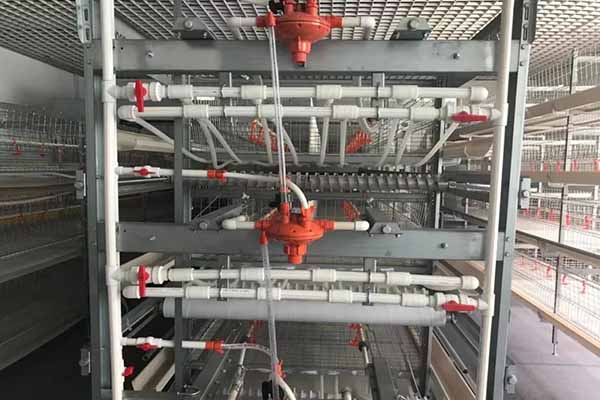
Practical Guidance for Modern Layer Facility Managers
Optimal placement of H-type cage stacks requires adherence to recommended spacing guidelines — maintaining at least 1.2 meters of aisle width for machinery and personnel accessibility. Regular maintenance of automated collection and manure systems includes monthly inspection of conveyor belts and hydraulic components, prolonging system uptime.
Installation considerations stress proper calibration of temperature controls during seasonal transitions to avoid thermal shock. Moreover, ensuring air velocity within the poultry house does not exceed 0.3 meters per second prevents chilling effects on the flock.

Evidence-Based Impact and Industry Validation
Independent industry research and farm case studies validate the efficacy of the Livi H-type cage system. Farms adopting the technology report a 10-15% surge in egg production within six months, attributed to improved hen comfort and optimized management workflows. In addition, the reduction in manual labor and associated overheads has led to an average ROI period of 18 months.
Visual data analyses indicate improvements in egg-laying uniformity and reduction of damaged eggs, critical KPIs monitored against industry benchmarks like those published by the International Poultry Council.


Hot Products

.jpg?x-oss-process=image/resize,m_fill,h_800,w_800/format,webp)


Popular articles


READY TO START?
Ready to Build Your Poultry Farm?
Tell us your land size, poultry type and farming capacity. LIVI will provide a complete farm solution for your project.