


Key Technologies to Improve Laying Hen Egg Production: A Guide to Optimizing Ventilation and Temperature Control Systems
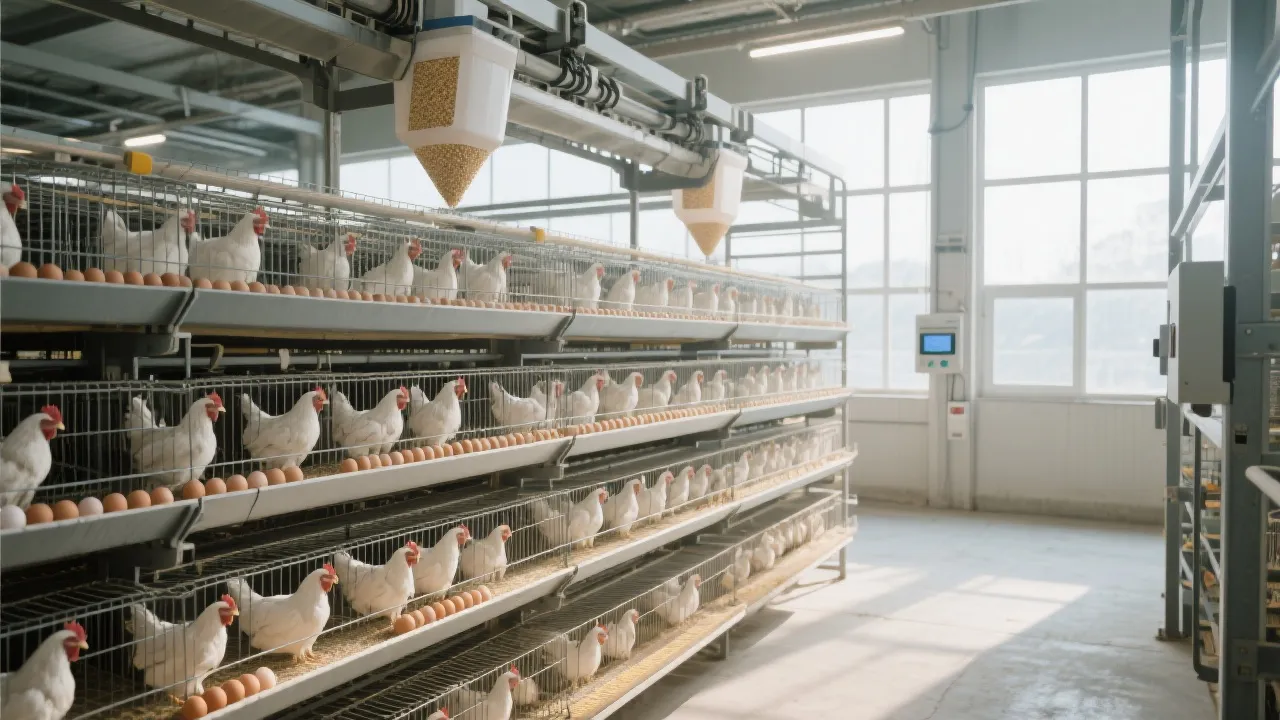
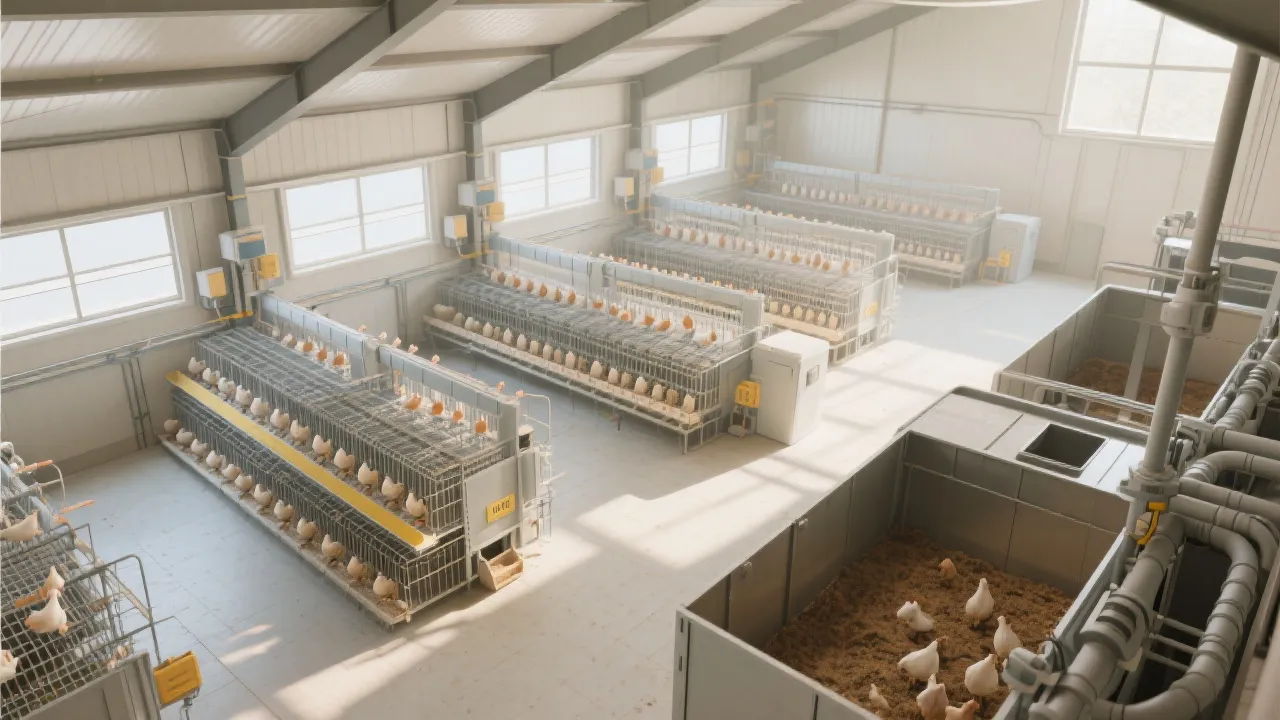
In the realm of egg - laying chicken farming, the pursuit of higher egg production rates is a constant endeavor. Scientific optimization of the farming environment, particularly through the ventilation and temperature control systems, plays a pivotal role in achieving this goal. This article delves into the key elements of these systems and their impact on the health and productivity of egg - laying chickens.
Ventilation System Design
Airflow rate, ventilation frequency, and humidity control are the cornerstones of an effective ventilation system. According to industry experts, an appropriate airflow rate of 0.1 - 0.3 m/s can ensure proper air circulation in the chicken coop. A ventilation frequency of 8 - 12 times per hour helps to remove harmful gases such as ammonia and carbon dioxide, which are detrimental to the health of chickens. Humidity control is equally important; maintaining a relative humidity of 50% - 70% can prevent respiratory diseases in chickens and improve their overall well - being. 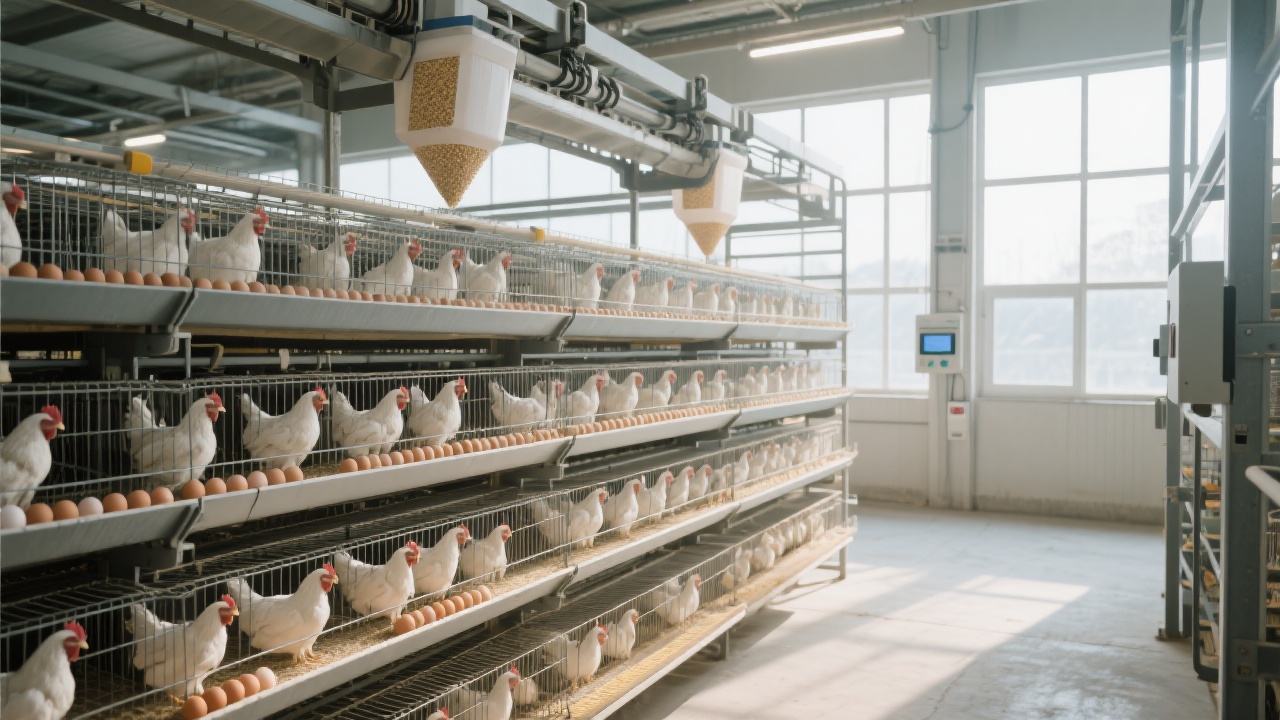
Temperature Control Mechanism
Temperature has a direct impact on the egg - laying performance of chickens. A constant temperature environment between 18°C - 23°C is considered ideal for egg - laying chickens. The temperature control system should be able to adjust quickly to external temperature changes. For example, in summer, when the outside temperature can reach 30°C or higher, the cooling system needs to reduce the temperature inside the coop to the optimal range. In winter, when the temperature drops below freezing, the heating system must maintain the warmth. Industry expert Dr. Smith stated that a well - designed temperature control system can increase the egg - laying rate by up to 15%.
Corrosion - Resistant Q235 Steel Egg - Laying Chicken Cages
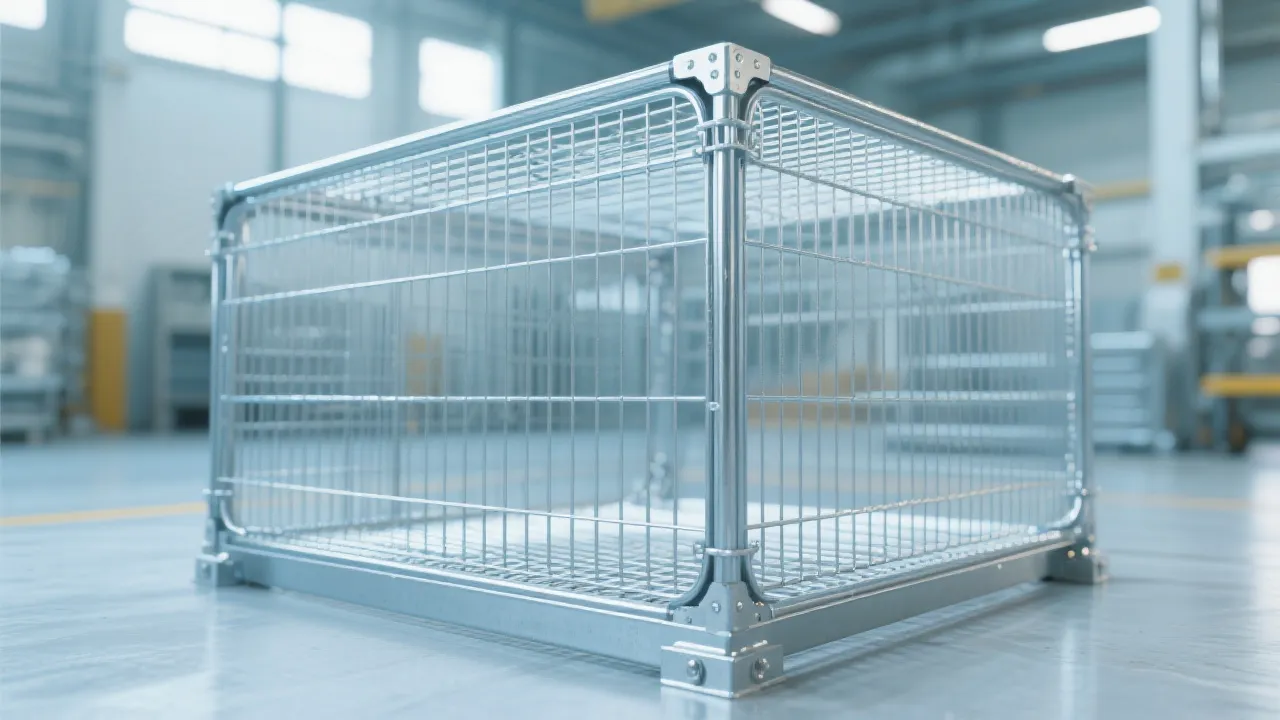
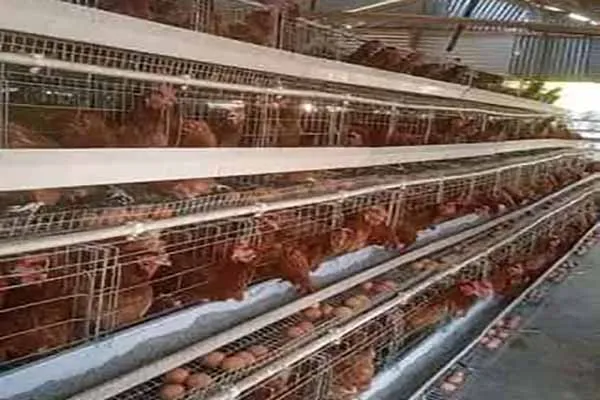
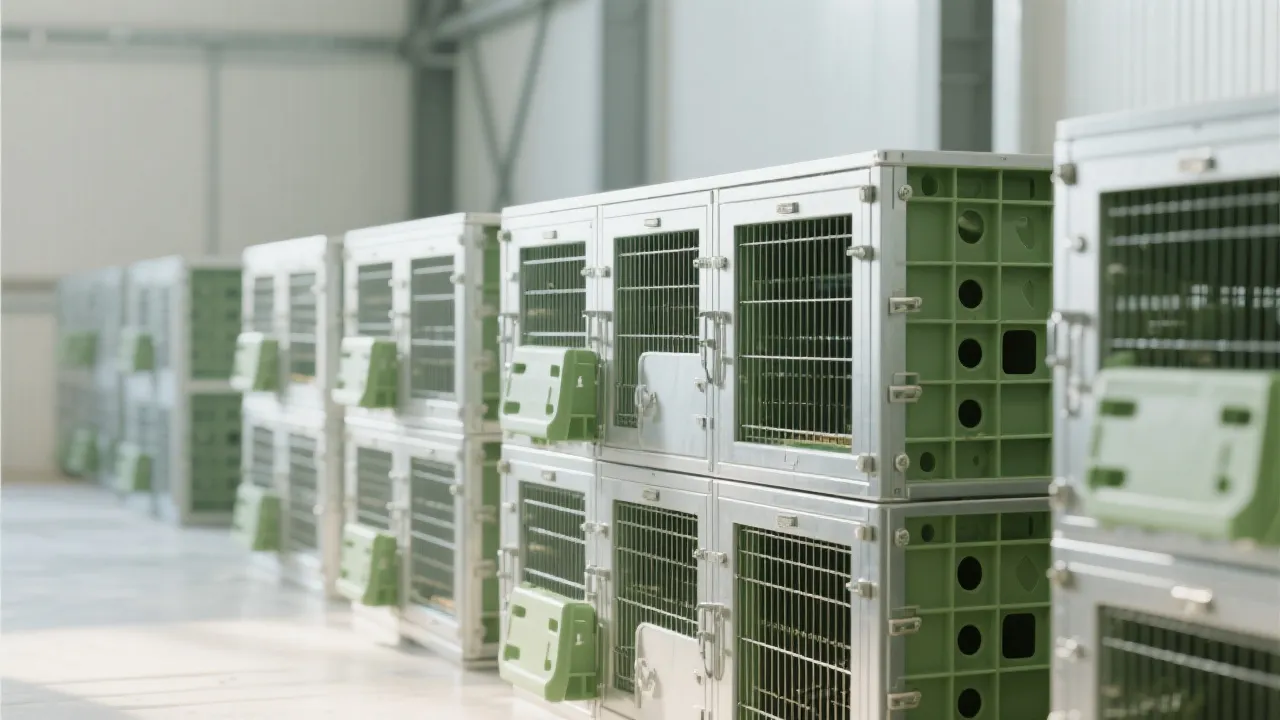
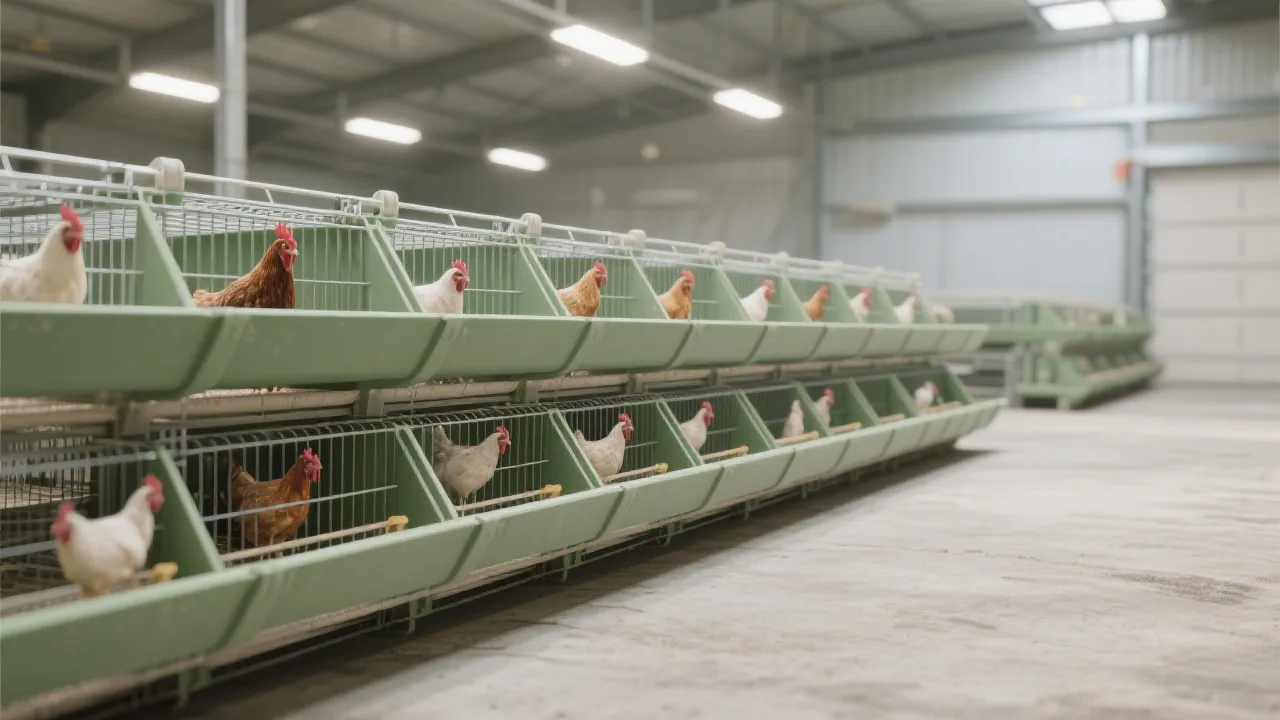
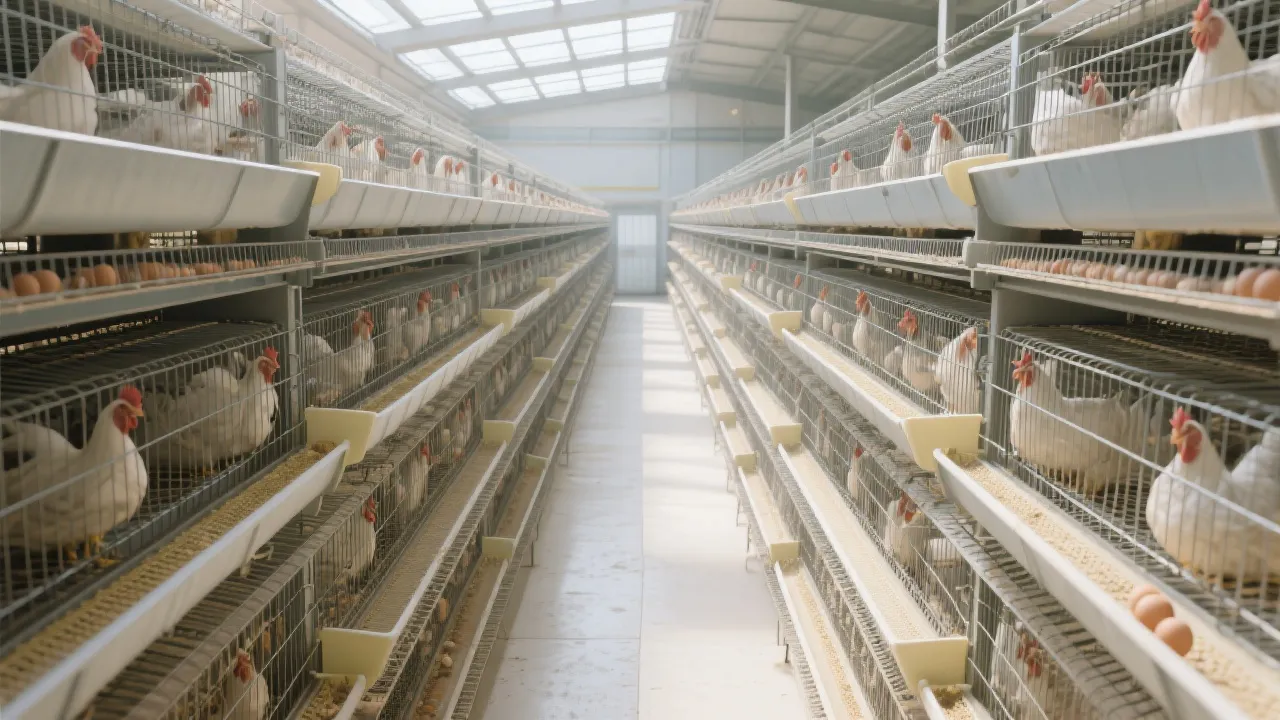
Q235 steel is a popular choice for egg - laying chicken cages due to its excellent corrosion resistance. This material can withstand the harsh environment in the chicken coop, including high humidity and the presence of corrosive substances in chicken manure. Compared with traditional chicken cages, Q235 steel cages have a longer service life, reducing the need for frequent replacements. They also enhance the hygiene and safety of the farming environment, as they are less likely to rust and harbor bacteria. 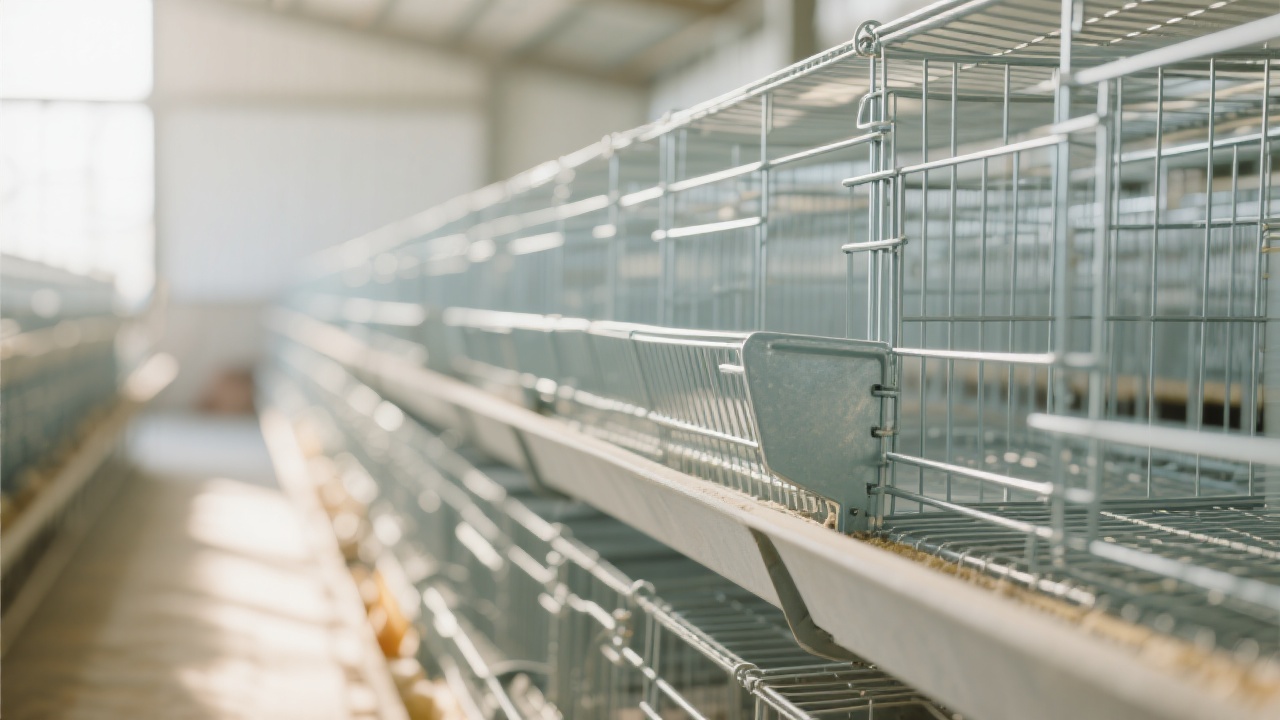
Automation and Environmental Control System Synergy
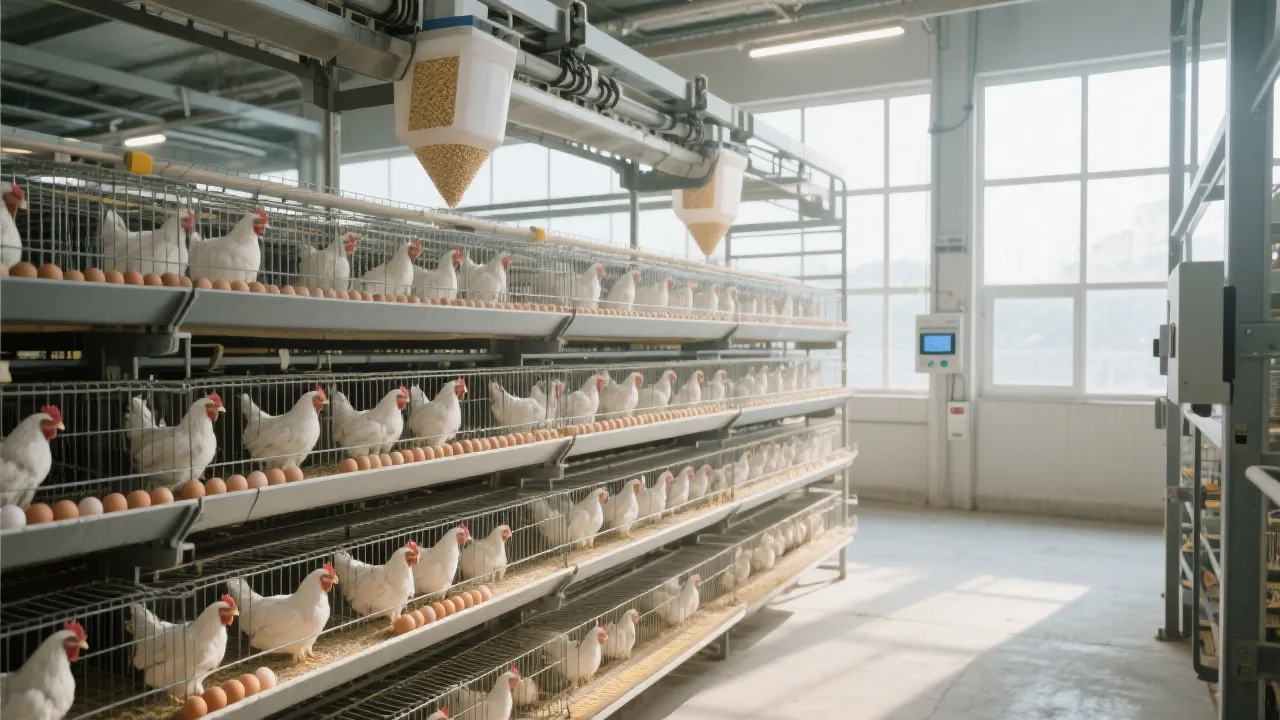
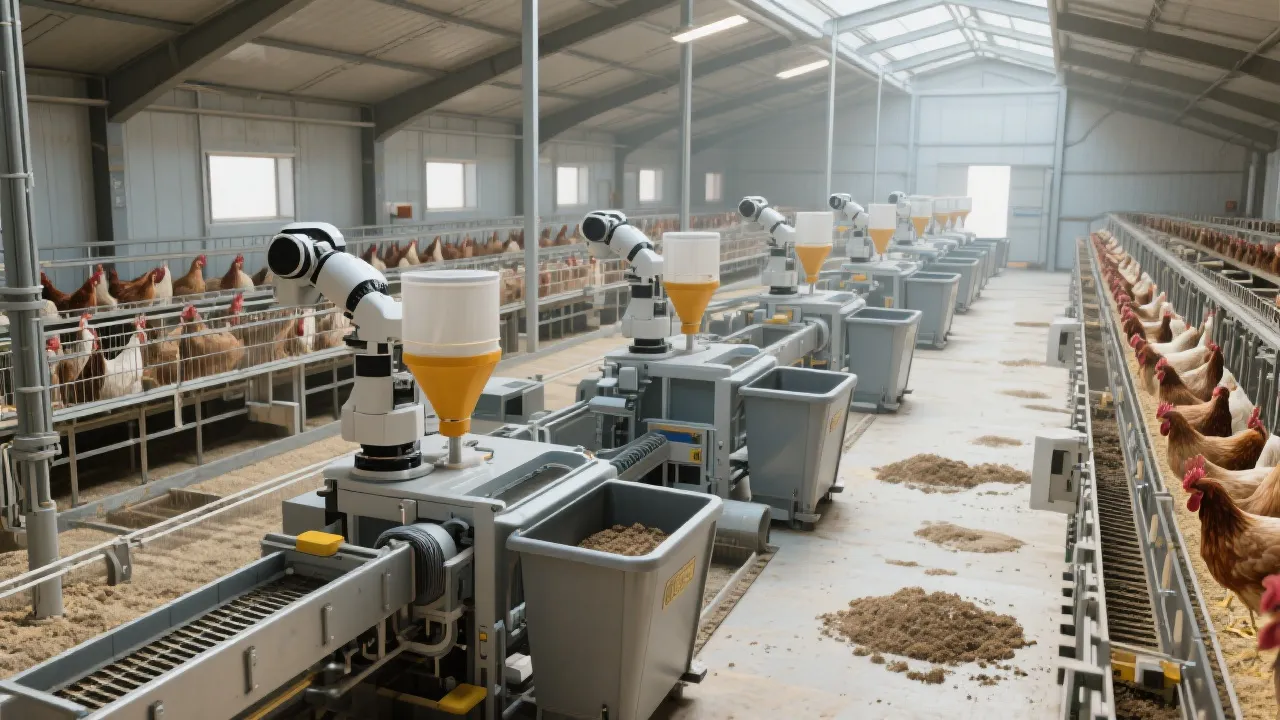
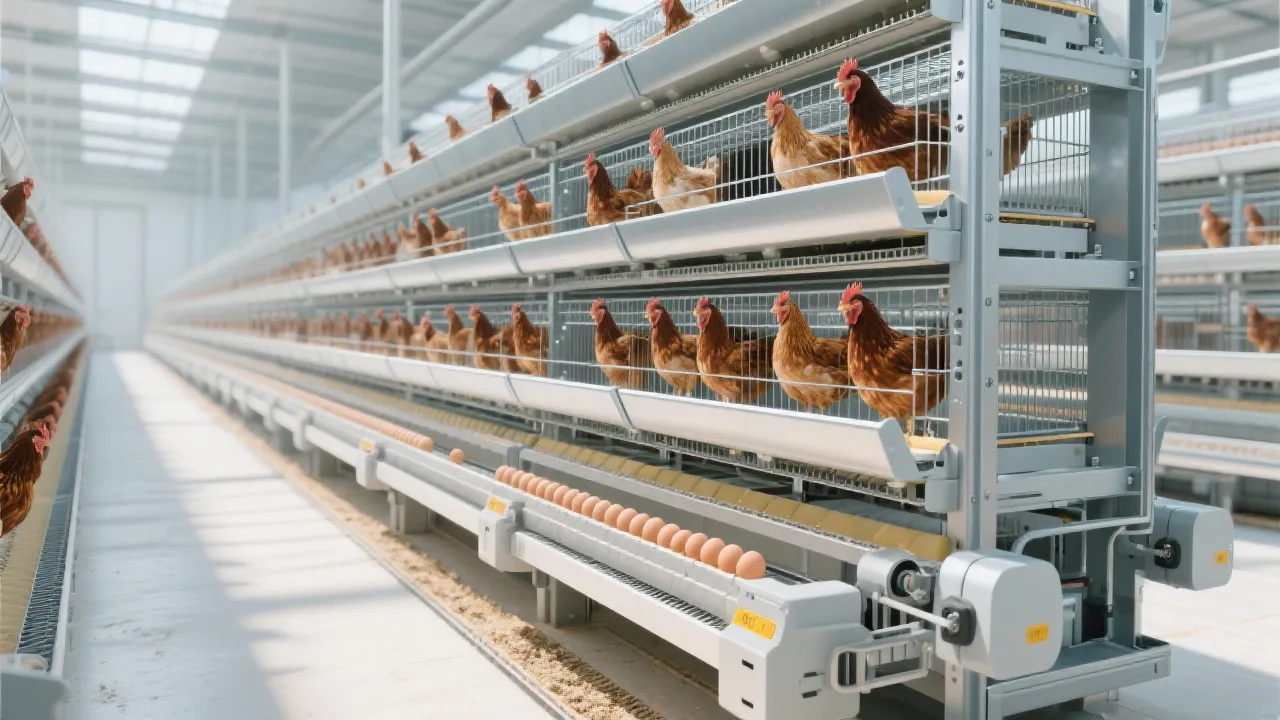
Automated egg collection and manure cleaning equipment can work in tandem with the environmental control system to improve the efficiency of egg - laying chicken farms. These automated systems can significantly reduce labor costs. For instance, an automated egg collection system can collect eggs at regular intervals, reducing the risk of egg breakage and contamination. The manure cleaning equipment can remove chicken manure in a timely manner, which helps to maintain a clean and healthy environment. By integrating these automated systems with the ventilation and temperature control systems, farms can achieve a more efficient and productive operation.
To better understand the impact of these technologies, a comparison chart is provided below:
| System | Traditional Method | Optimized Method |
|---|---|---|
| Ventilation | Manual control, low airflow rate | Automated control, appropriate airflow rate and ventilation frequency |
| Temperature Control | Simple heating and cooling, large temperature fluctuations | Precise control, constant temperature environment |
| Chicken Cages | Ordinary steel, short service life | Q235 steel, long - lasting and corrosion - resistant |
| Egg Collection and Manure Cleaning | Manual labor, high cost and low efficiency | Automated systems, low cost and high efficiency |
Based on real - world case studies, farms that have implemented these optimized systems have seen a significant improvement in egg production rates and egg quality. For example, Farm X increased its egg production by 20% after upgrading its ventilation and temperature control systems and using Q235 steel chicken cages.
For farm technicians, equipment managers, and farmers, implementing these scientific environmental improvement strategies can lead to a win - win situation of better egg quality and higher economic returns. A downloadable operation checklist is available to guide you through the implementation process. This checklist includes step - by - step instructions on system installation, operation, and maintenance.
More about intelligent environmental control solutions, please refer to our technical white paper. Click here to learn more




Hot Products

.jpg?x-oss-process=image/resize,m_fill,h_800,w_800/format,webp)


Popular articles




READY TO START?
Ready to Build Your Poultry Farm?
Tell us your land size, poultry type and farming capacity. LIVI will provide a complete farm solution for your project.