


How ISO9001 Certification Enhances Long-Term Stability of Poultry Equipment and Reduces International Customs Risks

How ISO9001 Certification Ensures Long-Term Stability in Poultry Equipment
For poultry farm managers and procurement decision-makers exporting or sourcing egg-laying equipment globally, the choice of certified machinery isn’t just a compliance checkbox—it’s a strategic investment in operational resilience. According to FAO data (2023), over 42% of imported agricultural machinery fails customs clearance due to non-compliance with quality and safety standards, often stemming from poor material selection or lack of systematic quality control.
Why Certification Matters More Than Ever
Unverified egg production systems—especially those lacking ISO9001 certification—pose hidden risks: premature wear, unexpected downtime, and even legal penalties in EU, GCC, and North American markets. A recent study by the International Federation of Animal Health found that farms using certified equipment reported 30% lower maintenance costs and 22% fewer labor-related incidents over five years compared to un-certified counterparts.
So what makes ISO9001 different? It’s not just about paperwork—it’s a living system that ensures consistent performance through every stage: design, manufacturing, testing, and post-sale support.
Technical Breakdown: What Does ISO9001 Actually Require?
Let’s dive into real-world specs:
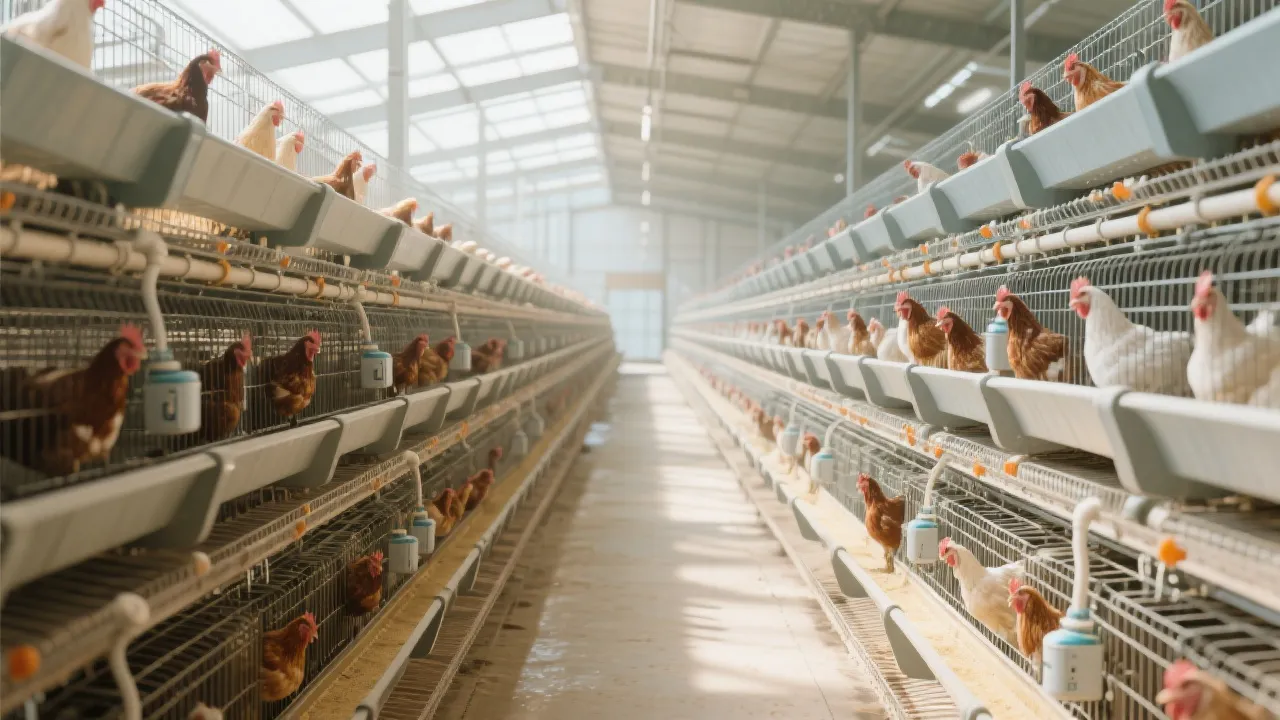
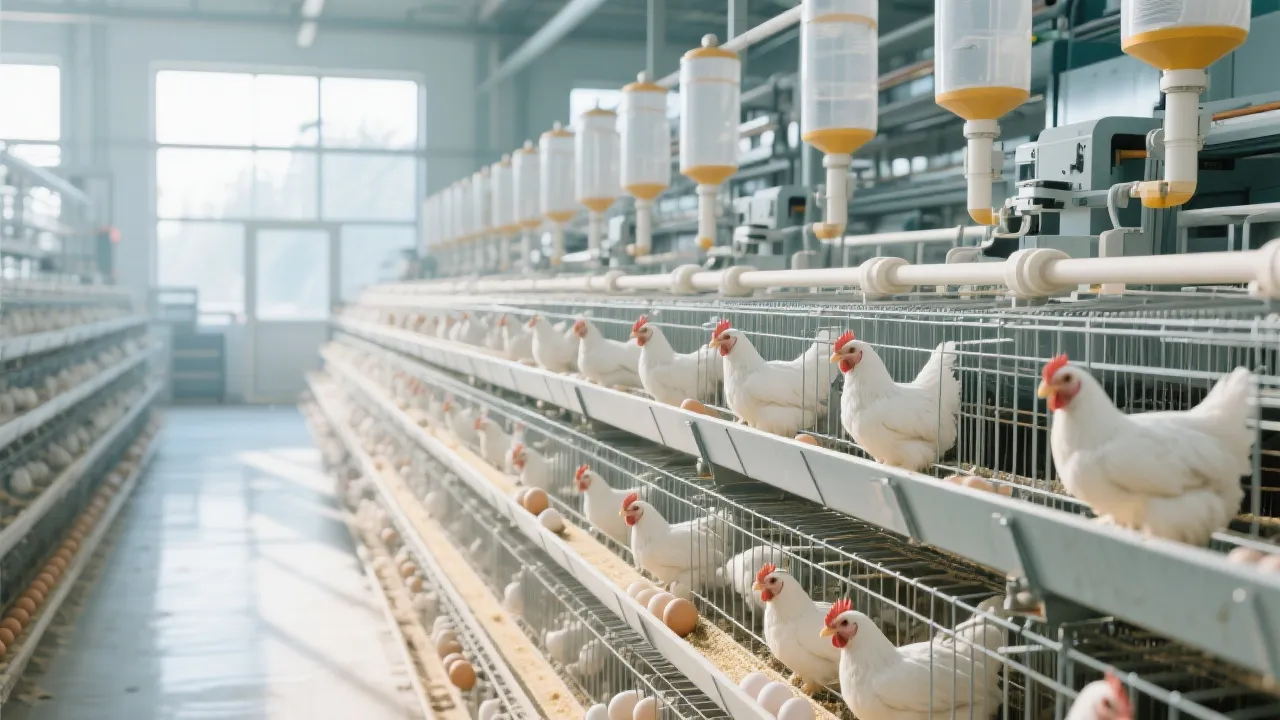
- Material Durability: Certified cage frames must use hot-dip galvanized steel with a minimum zinc coating of 60g/m² (per ISO 1461). This prevents rust after 5+ years in humid environments—a common failure point in uncertified units.
- Noise Control: ISO9001-certified automated feeding systems maintain noise levels below 75 dB(A) at 1 meter distance—critical for hen welfare and worker safety.
- Electrical Safety: All components must meet IEC 60335 standards for electrical insulation and grounding, reducing fire risk by up to 80% according to European Commission reports.
These aren't abstract guidelines—they’re measurable parameters that directly impact your bottom line.

Take this case: A mid-sized farm in Mexico switched from local suppliers to an ISO9001/CE-certified provider for their laying hen cages. Within 18 months, they saw:
| Metric | Before Certification | After Certification |
|---|---|---|
| Average Cage Lifespan | 3.2 years | 6.8 years |
| Annual Maintenance Cost | $12,000 | $6,200 |
| Incident Reports (Safety) | 14/year | 2/year |
This isn’t just theory—it’s proven ROI for global operators.
Your Next Step: Stay Ahead of Compliance Risks
If you're managing a farm that ships eggs internationally—or planning to expand into regulated markets—you can’t afford to guess. The right certifications protect your brand, reduce operational friction, and build trust with buyers who demand reliability.
Ready to Ensure Your Equipment Meets Global Standards?
Download our free “International Egg Production Equipment Compliance Checklist”—a practical PDF guide used by farms across Europe, Southeast Asia, and Latin America.
Get Your Free Compliance Checklist





Hot Products

.jpg?x-oss-process=image/resize,m_fill,h_800,w_800/format,webp)


Popular articles


READY TO START?
Ready to Build Your Poultry Farm?
Tell us your land size, poultry type and farming capacity. LIVI will provide a complete farm solution for your project.