


How ISO9001 Certification Boosts Export Competitiveness for Poultry Equipment

Why ISO9001 Certification Is the Hidden Key to Exporting Poultry Equipment Successfully
For egg producers and equipment suppliers targeting international markets, technical compliance isn’t just a checkbox—it’s the foundation of trust, scalability, and long-term profitability. Among global standards, ISO9001 certification stands out as one of the most influential indicators of quality management maturity in poultry farming equipment manufacturing.
Beyond Compliance: The Real Cost of Skipping ISO9001
A study by the Food and Agriculture Organization (FAO) found that non-certified poultry cages used in EU-bound shipments had a 47% higher failure rate during customs inspections due to inconsistent material specifications and unclear traceability records—costing farms an average of $12,000 per shipment in delays and rework.
These differences aren’t just about specs—they translate directly into operational risk. In Saudi Arabia, for example, a recent import audit revealed that 32% of unqualified poultry equipment was rejected outright because it lacked documented process controls—a red flag under GCC regulations.
How ISO9001 Builds Trust Where Words Can’t
Unlike marketing claims, ISO9001 demands systematic documentation of every stage—from raw material sourcing to final assembly. This means your customers can verify:
- Consistent weld integrity across batches
- Traceable steel grade certifications (e.g., S235JR vs. inferior alternatives)
- Employee training logs for safety procedures
In Germany, where precision and predictability are paramount, buyers often ask for ISO9001 certificates before even scheduling a factory visit. It’s not just a formality—it’s a signal that you operate like a mature industrial partner.
Don’t wait until your first rejection to realize the value of compliance. Whether you’re selling automated feeding systems or manual cage assemblies, the same principles apply: build processes that scale, document them transparently, and let standards do the talking.
Ready to Avoid Common Export Pitfalls?
Download our free checklist: “International Egg Farm Equipment Compliance Self-Assessment”
Get Your Free PDF Now →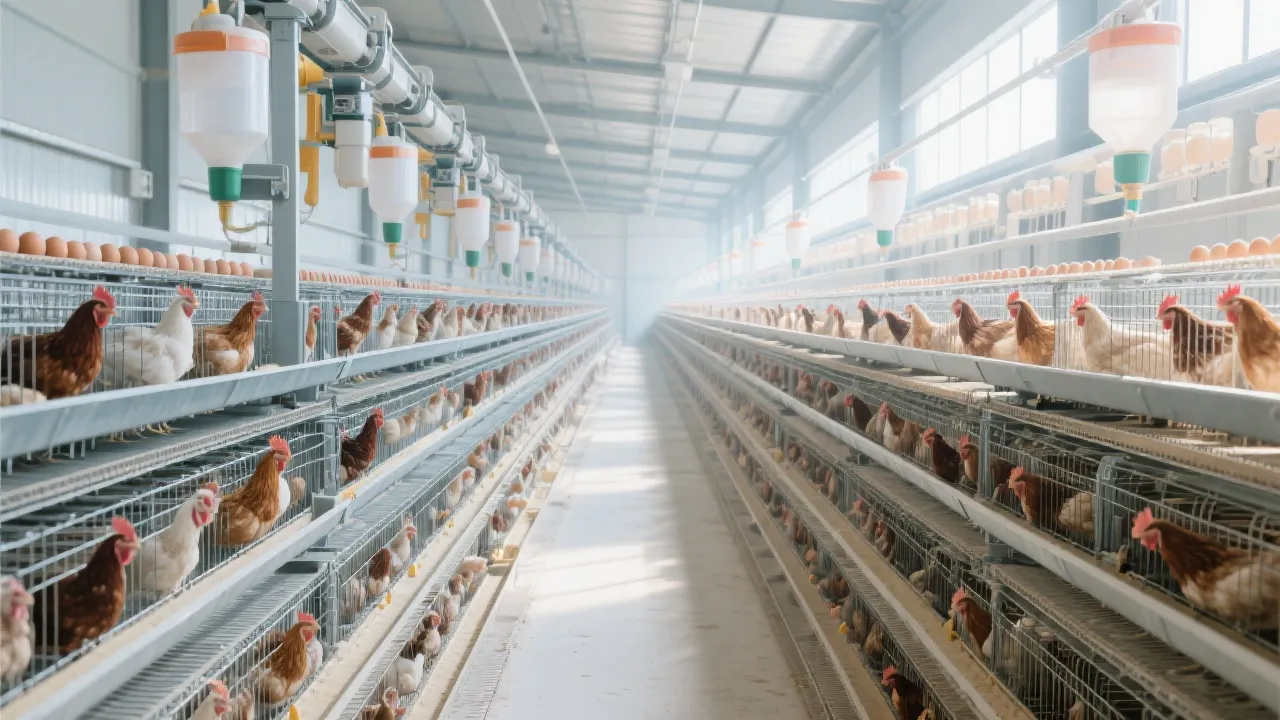









READY TO START?
Ready to Build Your Poultry Farm?
Tell us your land size, poultry type and farming capacity. LIVI will provide a complete farm solution for your project.