


ISO9001 & CE Certified H-Type Layer Chicken Cages: Boost Space Efficiency & Long-Term Profitability

Why Investing in Internationally Certified Layer Hen Cage Systems Brings Long-Term Benefits
Commercial egg production in Africa and other tropical regions faces unique challenges, including high temperatures, humidity, and limited space. Choosing the right hen housing system is crucial to maximizing productivity and profitability. This article explains why automated H-shaped tiered layer hen cages with ISO9001 and CE certifications represent the most strategic investment for large-scale farms planning to house 50,000+ laying hens.
Optimizing Space Utilization: The H-Type Cage Advantage
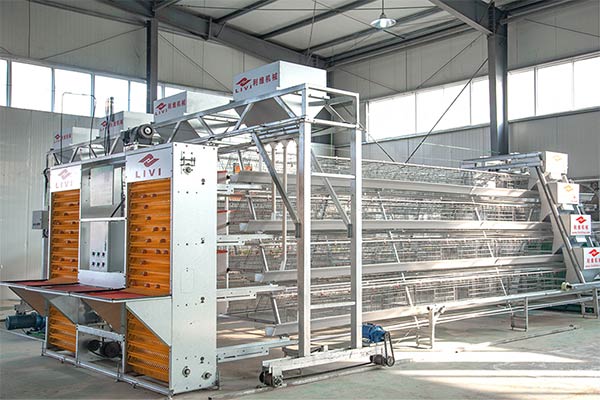
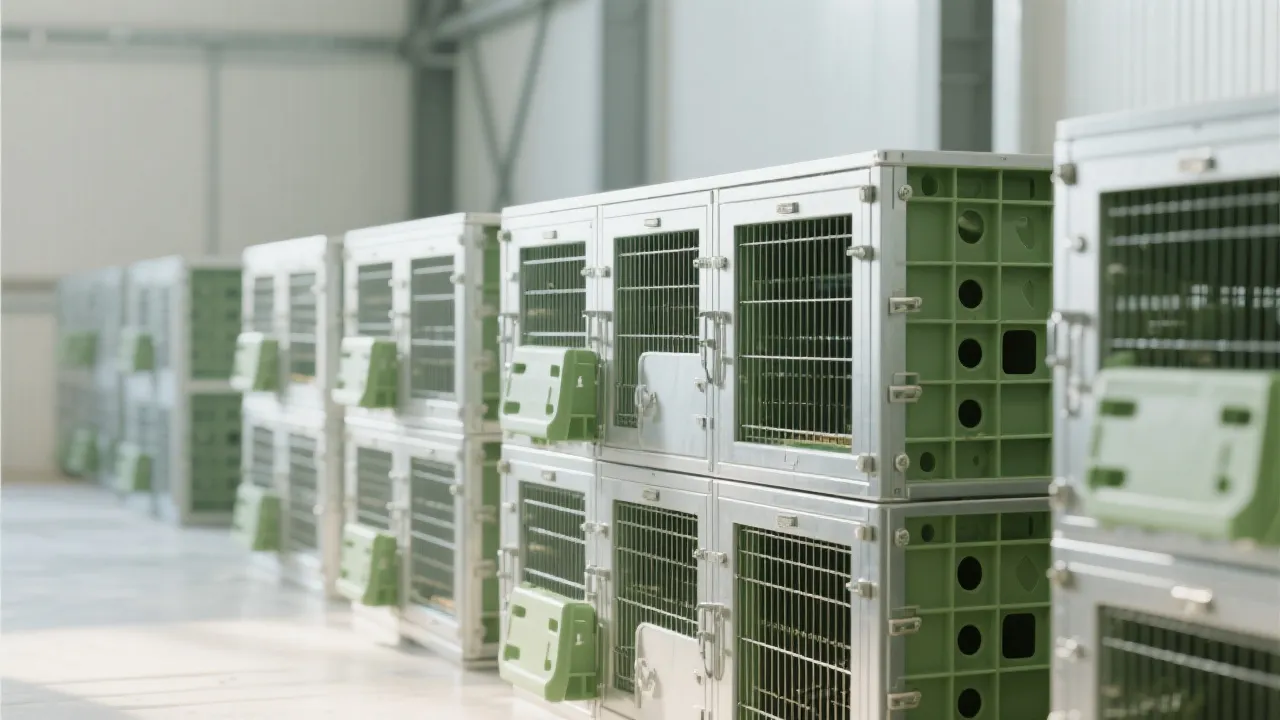
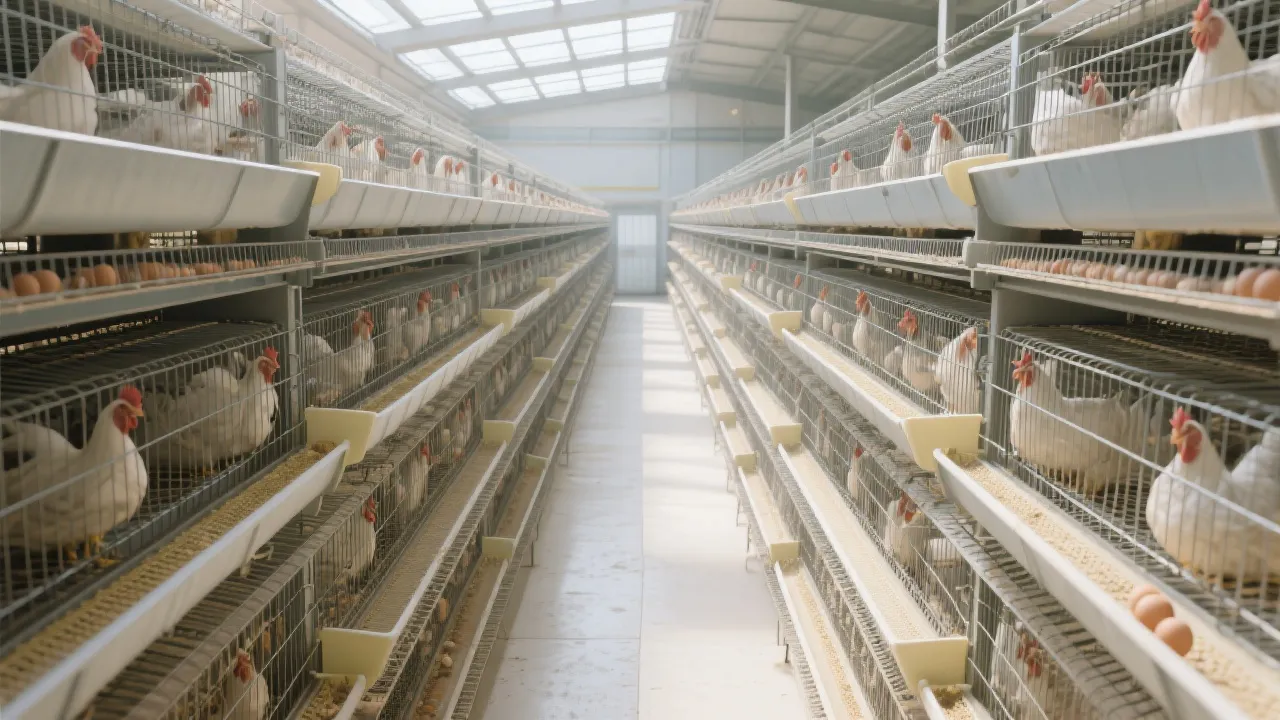
Compared to traditional single-level battery cages, the H-type layered design offers a vertical stacking structure that significantly improves the use of floor space. Farms utilizing tiered systems can increase cage density by up to 40%, crucial for expensive land and infrastructure in developing regions.
The H-shaped configuration facilitates efficient management of feed, water, and egg collection across multiple tiers while maintaining animal welfare. Especially in high-density setups, this spatial efficiency directly translates to higher output and revenue per square meter.
Superior Ventilation and Heat Dissipation in High-Humidity Climates
Tropical climates exacerbate heat stress in poultry, causing reduced egg production and increased mortality. The H-type cage’s open design enhances airflow compared to older enclosed cages, facilitating heat dissipation and minimizing ammonia buildup.
Data from controlled studies indicate: Farms adopting H-tier cages report up to 20% lower hen mortality and a 10-15% increase in egg yield attributed to improved environmental conditions.
Automation of Manure Handling Lowers Maintenance Costs
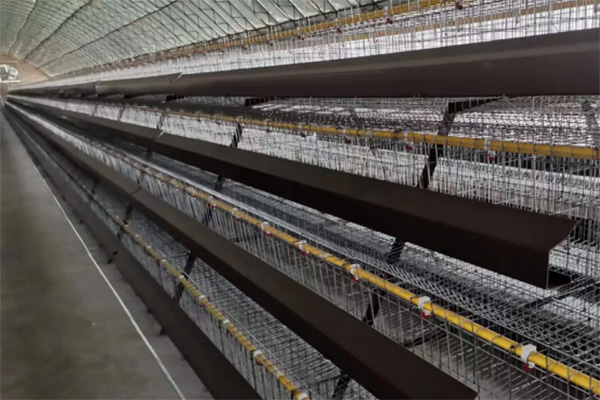
Manual manure removal is labor-intensive, increases biosecurity risks, and raises overall operating costs. The international standard-certified H-type systems incorporate automated manure belts and collection mechanisms, which efficiently remove droppings below each tier.
This mechanization minimizes human exposure to pathogens and allows farms to redeploy labor resources towards flock management, improving both hygiene and operational efficiency.
International Certifications Ensure Product Quality and Operational Stability
ISO9001 certification confirms that production processes meet stringent quality management criteria, while CE marking guarantees compliance with European safety, health, and environmental protection standards.
For commercial egg farmers, these certifications reduce risks of equipment failure and help secure long-term operational consistency. Certified products undergo thorough testing for materials durability, corrosion prevention, mechanical stability, and system integration.
Consequently, investing in ISO9001/CE-certified H-type layer cages lowers unexpected repair costs and downtime, enhancing farm profitability over a 10+ year operational lifespan.
Practical Selection Guidelines for Large-Scale Egg Farms
To maximize ROI, farmers should:
- Assess the specific climate conditions, focusing on ventilation and corrosion resistance.
- Evaluate supplier certification credentials and request technical test reports.
- Confirm automation compatibility for feeding, watering, egg collection, and manure removal.
- Plan cage density to balance space utilization with hen welfare according to international welfare guidelines.
Engaging with manufacturers who offer comprehensive post-sale support and customizable cage arrangements is also critical for addressing operational challenges dynamically.
Case Study: H-Type Layer Cages in African Commercial Farms
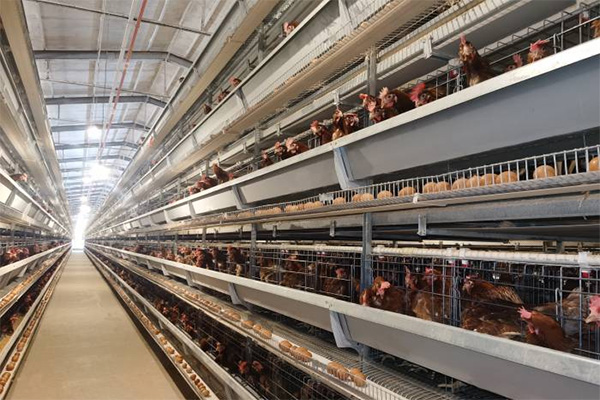
A commercial farm in Kenya with a 60,000 hen capacity switched from conventional battery cages to an ISO9001 & CE-certified automated H-type system in 2020. Within 18 months:
- Egg production per hen increased by 12% due to enhanced comfort and reduced heat stress.
- Maintenance costs dropped by 25%, primarily via automated cleaning systems.
- Mortality rates declined from 8% to 4.5%, positively impacting overall flock health.
This real-world example reinforces the tangible financial and operational benefits of investing in internationally certified, technologically advanced layer cage systems tailored for challenging climates.





Hot Products

.jpg?x-oss-process=image/resize,m_fill,h_800,w_800/format,webp)




READY TO START?
Ready to Build Your Poultry Farm?
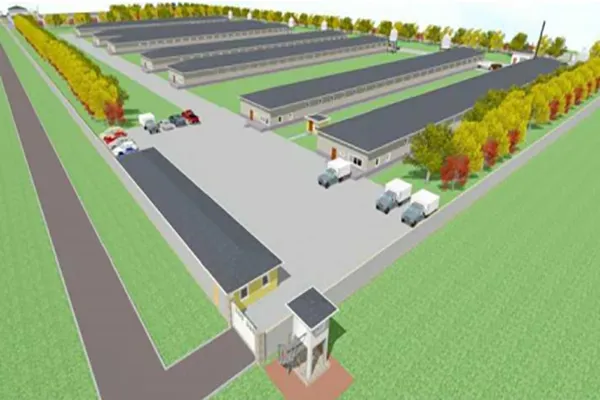
Tell us your land size, poultry type and farming capacity. LIVI will provide a complete farm solution for your project.