


International Standards and Implementation Processes for Manure Resource Utilization under ISO14001 Environmental Management System
Understanding ISO14001-Driven Manure Management in Modern Layer Hen Farms
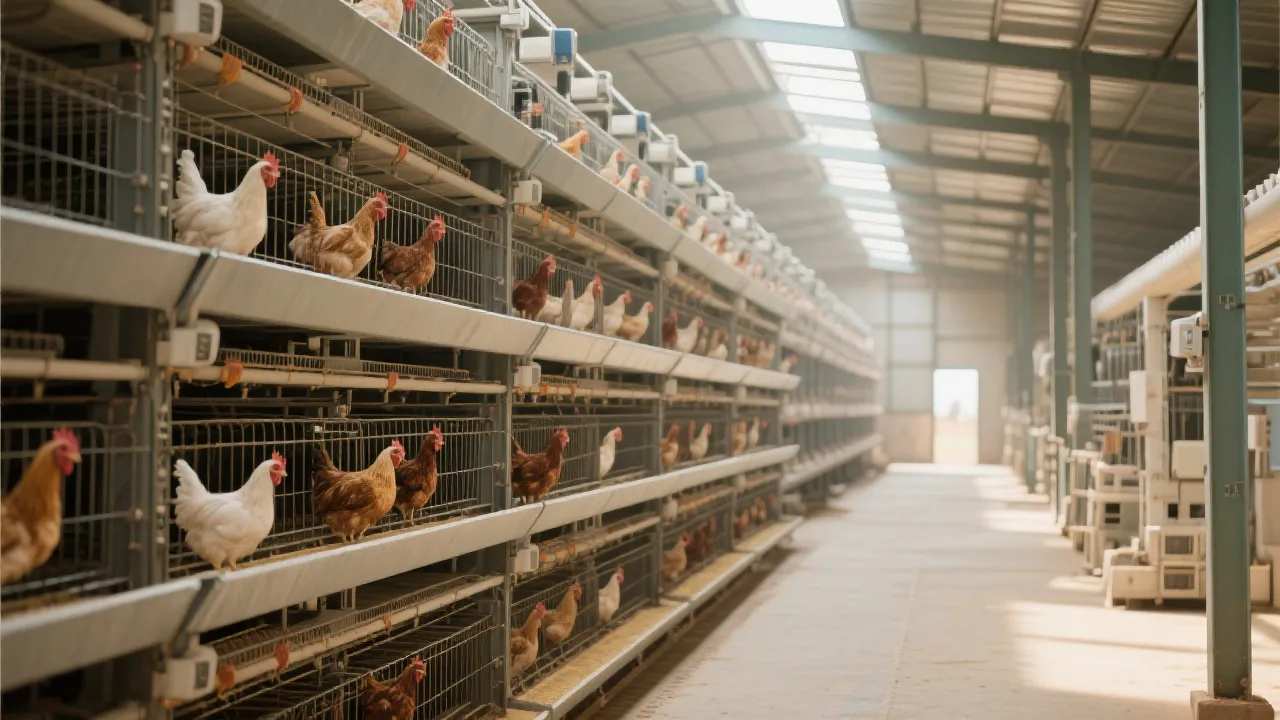
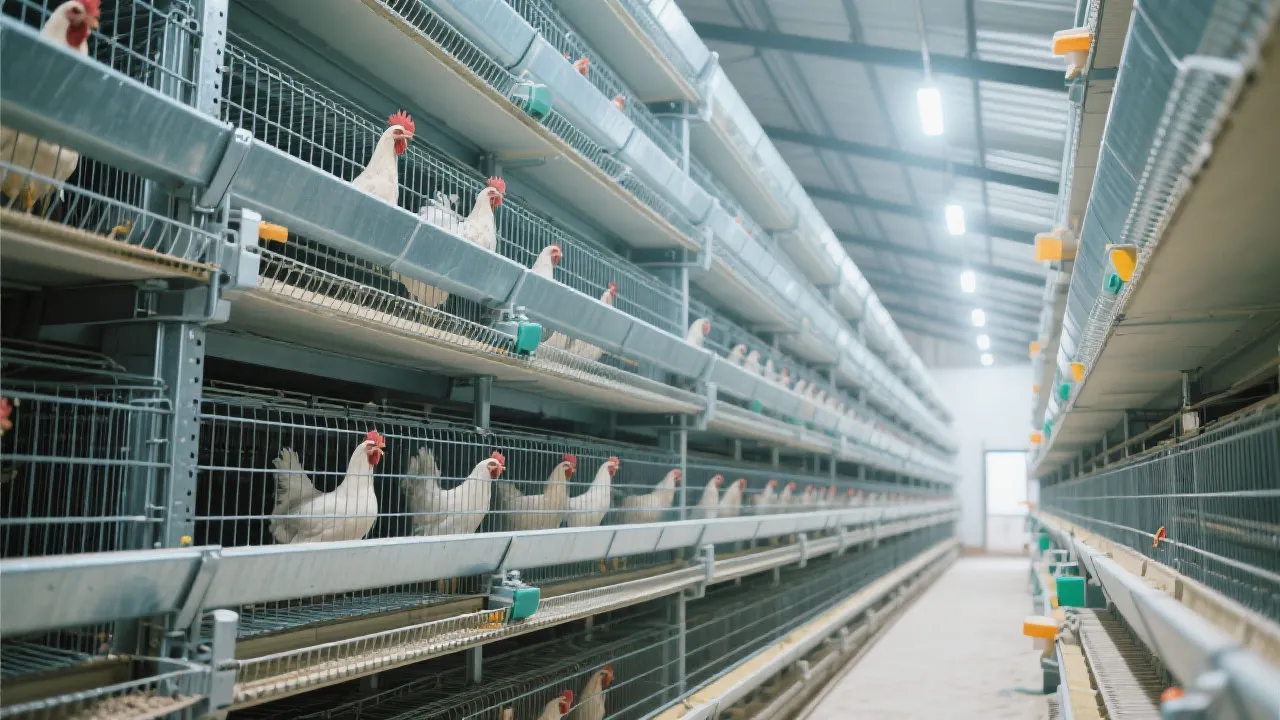
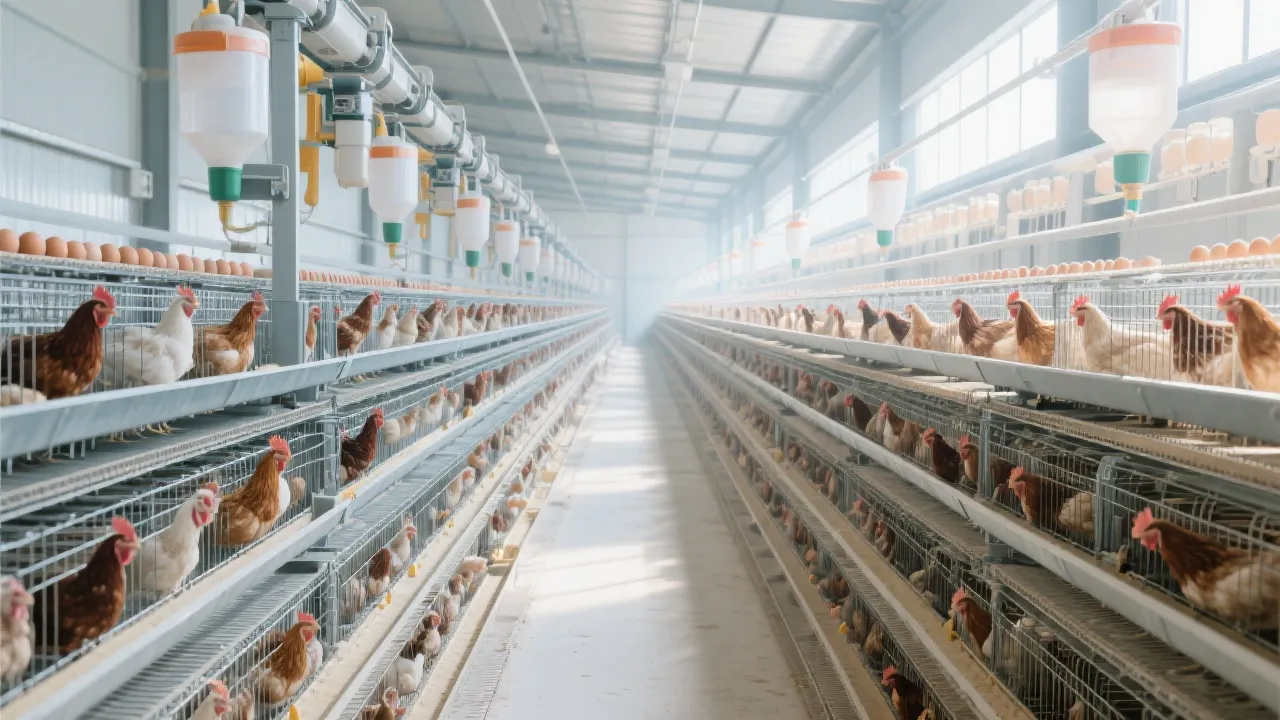
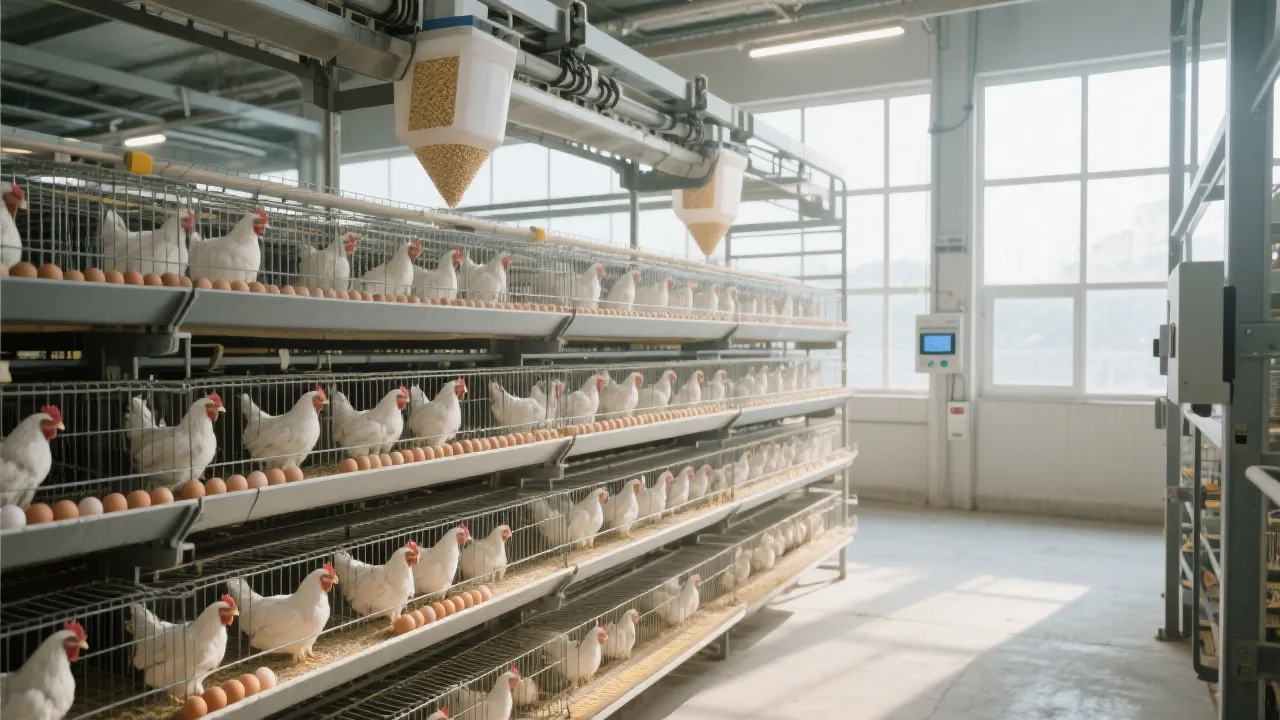
In the quest for sustainable and environmentally responsible poultry farming, integrating the ISO14001 Environmental Management System (EMS) within manure handling operations stands as a compelling approach. Layer hen farms worldwide face the dual challenge of effective manure removal and minimizing environmental impacts, especially in high-density operations using H-type cage systems. This article delves into energy-efficient and eco-friendly manure cleaning technologies, focusing on mechanical scraper and screw conveyor systems, their operational intricacies, energy consumption controls, maintenance protocols, and synergy with ventilation systems — all aligned with ISO14001 standards to facilitate manure resource utilization such as composting and biogas generation.
Mechanical Scraper and Screw Conveyor Systems: Operational Insights and Advantages
Mechanical scraper systems, notable for their robustness and simplicity, employ motor-driven blades that continuously scrape manure from cage floors into collection channels. Conversely, screw conveyor systems leverage a rotating helical blade (auger) mechanism to transport manure efficiently along a defined path, enabling smoother handling in confined spaces.
Comparative studies indicate that scraper systems typically achieve manure removal rates of up to 90% within operational cycles lasting 15 to 20 minutes, while screw conveyors offer increased flexibility in layout and reduced labor dependency. Both systems demonstrate compatibility with H-type cage designs, facilitating integration without sacrificing laying hen welfare or cage integrity.
Energy Consumption and Smart Control Strategies
Energy consumption remains a critical parameter under ISO14001 compliance. Latest field data from multiple layer farms reveal that mechanical scraper units consume approximately 1.8 kWh per 1000 hens per cleaning cycle, while screw conveyor systems average 1.5 kWh for similar throughput. To enhance energy efficiency, farms increasingly adopt programmable logic controllers (PLCs) combined with real-time sensors monitoring manure accumulation and system load, enabling adaptive operation schedules.
Parameter optimization—such as adjusting scraper speed, conveyor rotation, and cleaning frequency based on manure volume—has achieved energy savings up to 20% compared to fixed-timing operations. Such smart controls also extend equipment longevity by preventing overuse and reducing mechanical stress.
Maintenance Protocols to Ensure Reliability and Minimize Downtime
Regular maintenance underpins system reliability and ISO14001’s continual improvement objectives. Recommended maintenance schedules specify bi-weekly inspection of motor units, blade sharpness checks on scrapers, and auger integrity assessments in screw conveyors. Preventive lubrication every 200 operational hours and immediate addressing of abnormal vibrations further reduce breakdown risks.
An effective maintenance management system records all service activities, enables predictive analytics, and aligns with environmental audits required by ISO14001, thereby ensuring both operational excellence and compliance.
Integration with Ventilation for Air Quality and Environmental Control
The manure cleaning system's interaction with the cage house ventilation profoundly impacts airborne ammonia levels, dust concentration, and overall hen health. Synchronizing cleaning schedules with ventilation rates—ideally increasing airflow post-cleaning to accelerate litter drying—has proven effective in reducing hazardous emissions by 30 to 40%.
Advanced control systems can interlink manure cleaning apparatus with ventilation controllers, enabling coordinated operation that enhances indoor air quality and reduces respiratory risks for poultry and workers alike.
Pathways to Manure Resource Utilization: Composting and Biogas Generation
Under ISO14001, transforming manure from waste to resource is paramount. Collected manure undergoes standardized processing steps: pretreatment to remove contaminants, controlled aerobic composting, or anaerobic digestion for biogas production. Composting reduces volume by approximately 50%, stabilizes nutrients, and produces organic fertilizer suitable for agriculture.
Biogas plants convert manure’s volatile solids into methane-rich gas, supplying renewable energy that can offset farm power consumption. Case studies report energy recovery rates of 25 to 30 kWh per ton of manure processed, contributing to a circular economy model and reducing greenhouse gas emissions by an estimated 35%.
Real-World Case Study: Elevating Sustainable Practices at GreenEgg Farms
GreenEgg Farms, a 50,000-layer operation in the Netherlands, integrated screw conveyor manure removal aligned with ISO14001 protocols. By implementing smart control systems and synchronizing ventilation, energy use dropped by 18%, while ammonia emissions decreased by 33%. Their composting facility converts 95% of the manure into high-grade fertilizer, yielding 60 tons monthly and generating 5000 kWh of biogas-derived electricity per month.
Frequently Asked Questions (FAQ)
- Q: How does ISO14001 certification benefit a layer farm’s manure management?
- A: It ensures systematic environmental impact reduction, promotes continuous improvement, and enhances stakeholder confidence through transparent management of resources including manure.
- Q: What are typical energy savings achievable with intelligent control systems?
- A: Smart controls adjusting cleaning frequency and equipment speed can reduce energy consumption by up to 20%, based on operational data.
- Q: How often should manure cleaning equipment be serviced?
- A: Bi-weekly inspections with preventive maintenance every 200 operational hours align with best practices for reliability.



Hot Products

.jpg?x-oss-process=image/resize,m_fill,h_800,w_800/format,webp)


Popular articles





READY TO START?
Ready to Build Your Poultry Farm?
Tell us your land size, poultry type and farming capacity. LIVI will provide a complete farm solution for your project.