


Resource Recovery and Environmental Benefits of Livestock Manure Utilization Based on ISO 14001

From Waste to Value: How ISO14001-Compliant Manure Management Transforms Poultry Farms
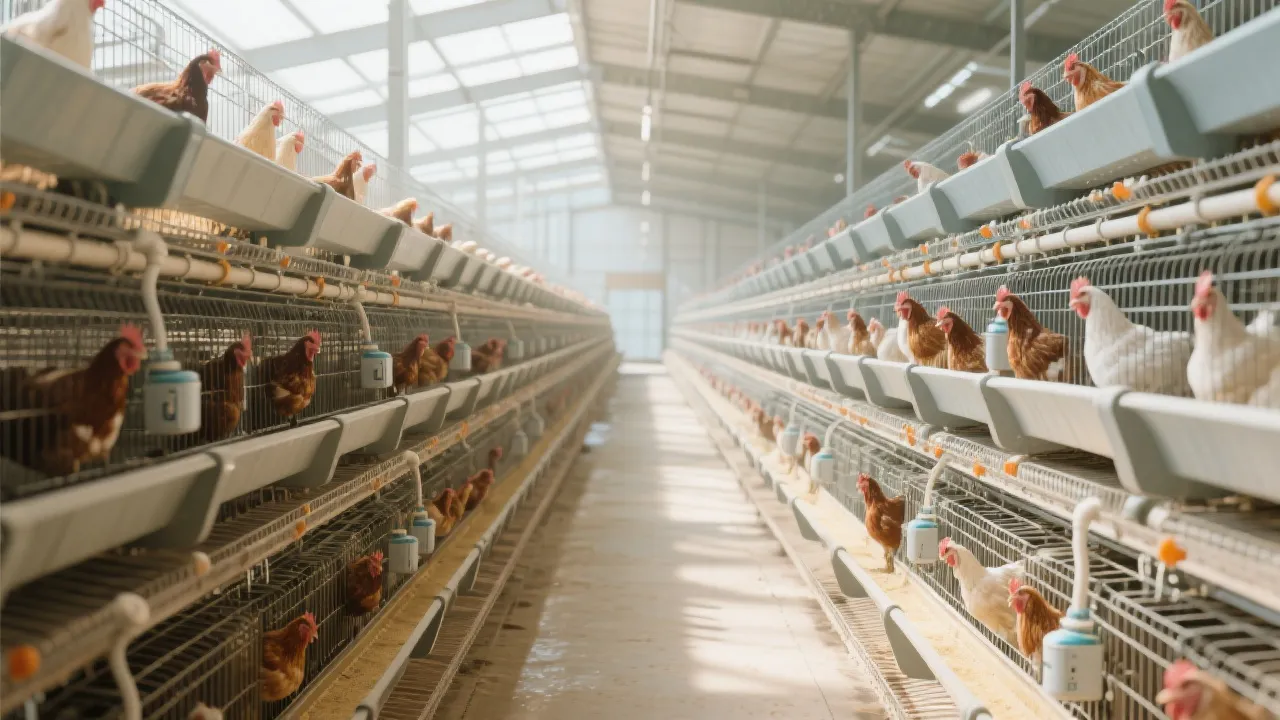
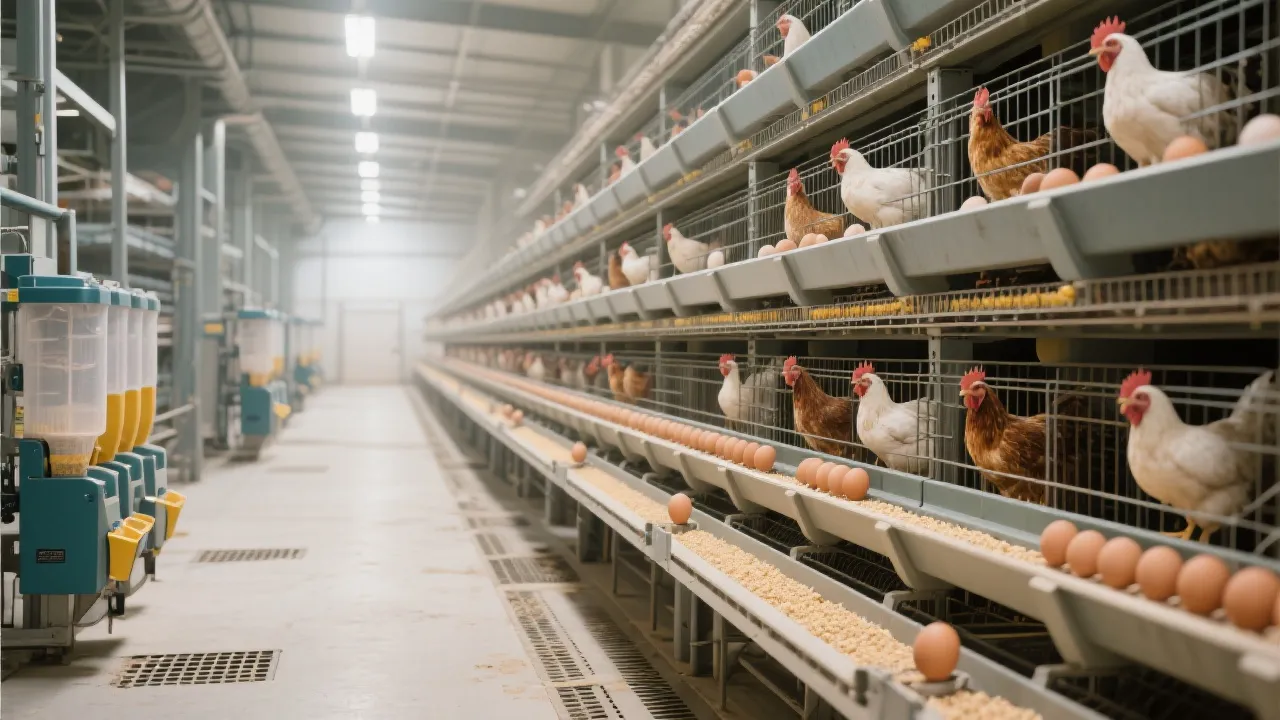
In today’s global agricultural landscape, environmental compliance isn’t just a legal requirement—it’s a competitive advantage. For egg producers using H-type cage systems, managing manure efficiently while reducing emissions and energy use is no longer optional. This article explores how integrating ISO14001 principles with modern mechanical cleaning technologies can turn waste into resource—and boost both sustainability and profitability.
The Hidden Cost of Poor Manure Handling
A study by the FAO (2022) estimates that poorly managed poultry waste contributes to over 12% of ammonia emissions in intensive farming regions—posing serious health risks for birds and workers alike. In countries like the U.S., EU, and UAE, regulatory fines for non-compliance with air quality standards can exceed $10,000 per violation. But beyond penalties, inefficient systems lead to higher feed conversion ratios due to poor ventilation and increased disease incidence.
ISO14001 Clause 8.1: “Organizations shall plan and implement actions to manage risks and opportunities related to their environmental aspects.” — This means proactive design of manure handling processes isn't just good practice—it's required.
Two Systems, One Goal: Energy Efficiency & Cleanliness
| System Type | Energy Use (kWh/day) | Maintenance Frequency | Best For |
|---|---|---|---|
| Mechanical Scraper | 8–12 kWh/day | Weekly inspection | Medium-scale farms (5K–20K hens) |
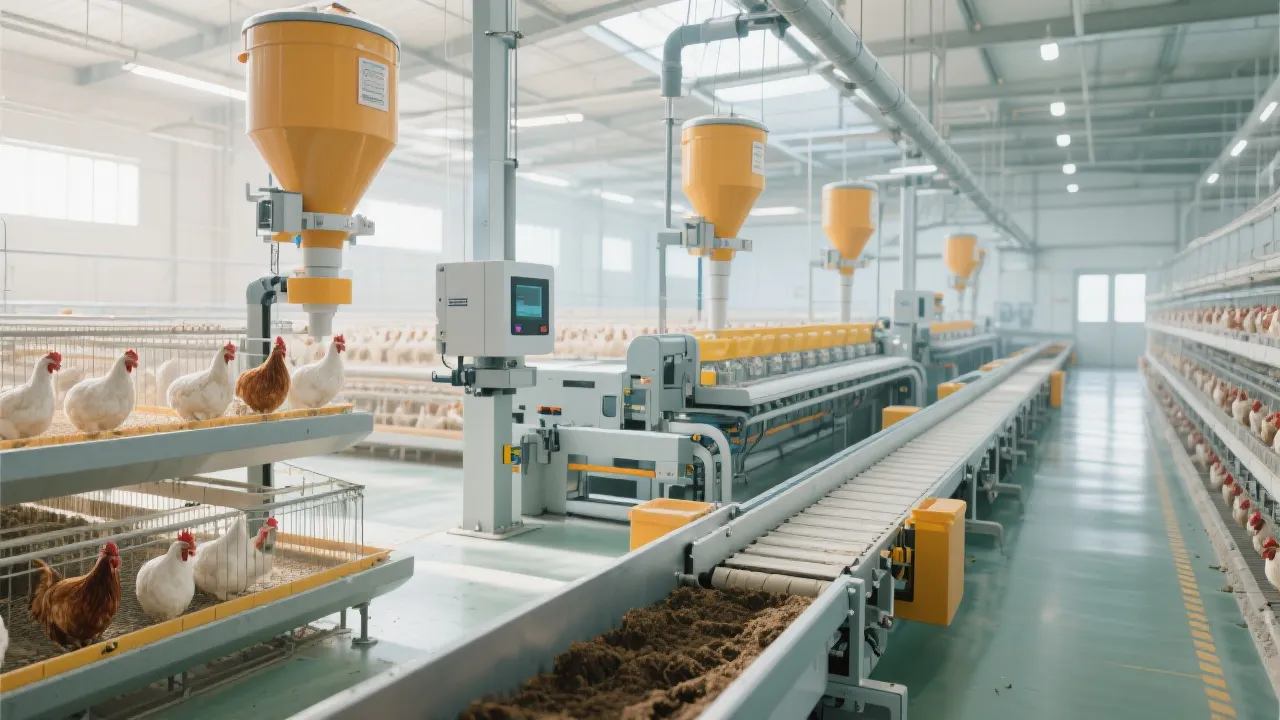
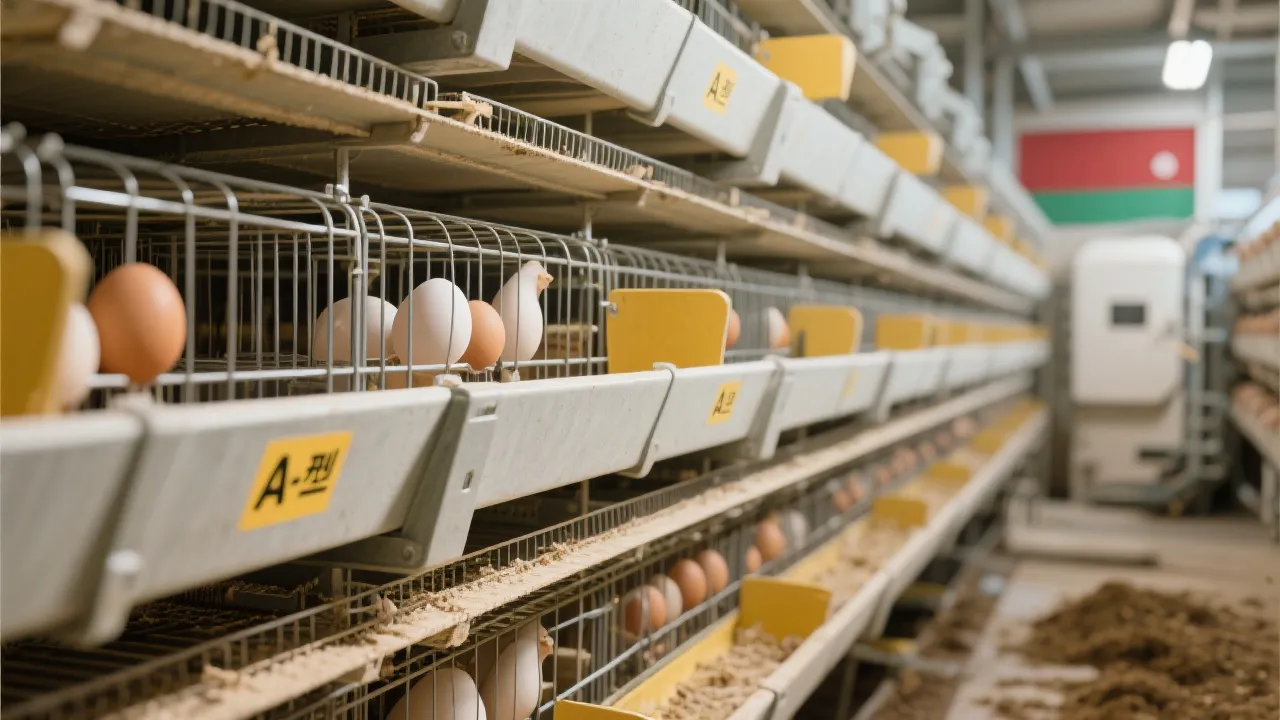
| Screw Conveyor | 5–9 kWh/day | Bi-weekly check-up | Large-scale operations (>20K hens) |
Data from pilot farms in Germany and Thailand shows that screw conveyors reduce labor costs by up to 30% compared to manual removal—and cut ammonia levels by an average of 45% when paired with automated ventilation control.
Smart Controls = Smarter Operations
Modern systems now integrate IoT-enabled sensors for real-time monitoring of moisture content, temperature, and motor load. A case study from a Dutch farm revealed that implementing timed start-stop cycles reduced electricity consumption by 22% without compromising hygiene. Remote diagnostics also cut downtime by 60%, allowing technicians to address issues before they escalate.
Why Maintenance Matters More Than You Think
Preventive maintenance isn’t just about avoiding breakdowns—it’s about preserving system efficiency. According to a 2023 report by the International Poultry Association, farms that follow ISO14001-aligned maintenance schedules see a 35% improvement in equipment lifespan and a 28% drop in unplanned repairs.
Key tips:
- Inspect scraper belts monthly for wear; replace every 6 months if used daily
- Use grease-resistant bearings in high-moisture zones
- Calibrate humidity sensors quarterly for optimal ventilation response
Beyond Cleaning: Creating a Circular System
When combined with anaerobic digestion and composting, clean manure becomes a revenue stream—not just a cost center. One Spanish farm reported generating €3,500/month from biogas sales after installing a small-scale digester linked to their screw conveyor system. Meanwhile, composted manure sold as organic fertilizer fetched an additional €1,200/month.
Ready to Turn Your Farm Into a Green Model?
Whether you're upgrading existing infrastructure or designing a new facility, our team helps tailor solutions aligned with ISO14001 standards and local regulations.
Explore Our Efficient Manure Handling Solutions





Hot Products

.jpg?x-oss-process=image/resize,m_fill,h_800,w_800/format,webp)


Popular articles





READY TO START?
Ready to Build Your Poultry Farm?
Tell us your land size, poultry type and farming capacity. LIVI will provide a complete farm solution for your project.