


Reduce Egg Farm Pollution with ISO14001 & Eco-Friendly Equipment | Expert Guide
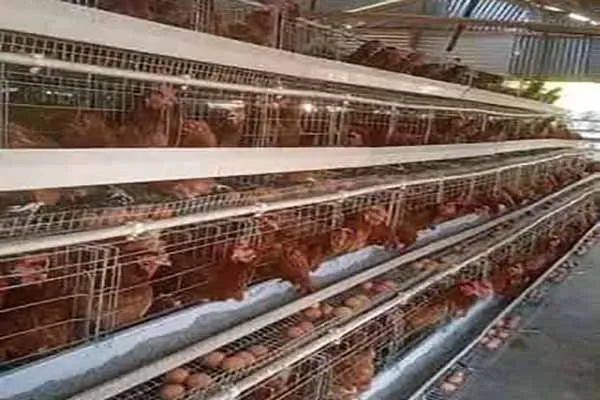
How ISO14001 Helps Reduce Pollution in Layer Chicken Farming
For poultry producers aiming to meet global environmental standards, integrating ISO14001 into daily operations isn’t just a compliance requirement—it’s a strategic lever for reducing emissions, improving efficiency, and gaining competitive advantage in export markets.
Why ISO14001 Matters in Modern Poultry Production
According to the International Organization for Standardization, ISO14001 requires organizations to establish systems that identify, monitor, and control environmental impacts—including air quality, waste management, and noise levels. In layer chicken farming, this translates to measurable reductions in ammonia emissions (up to 40% with proper ventilation), fecal runoff (reduced by over 60% through better manure handling), and operational noise pollution (down to 70 dB from 90 dB).
One key area where ISO14001 drives real change is equipment maintenance. A well-maintained system doesn't just extend asset life—it prevents leaks, malfunctions, and inefficient energy use that contribute to pollution.
The Role of Eco-Friendly Equipment: Case Study from Zhengzhou Livy Machinery
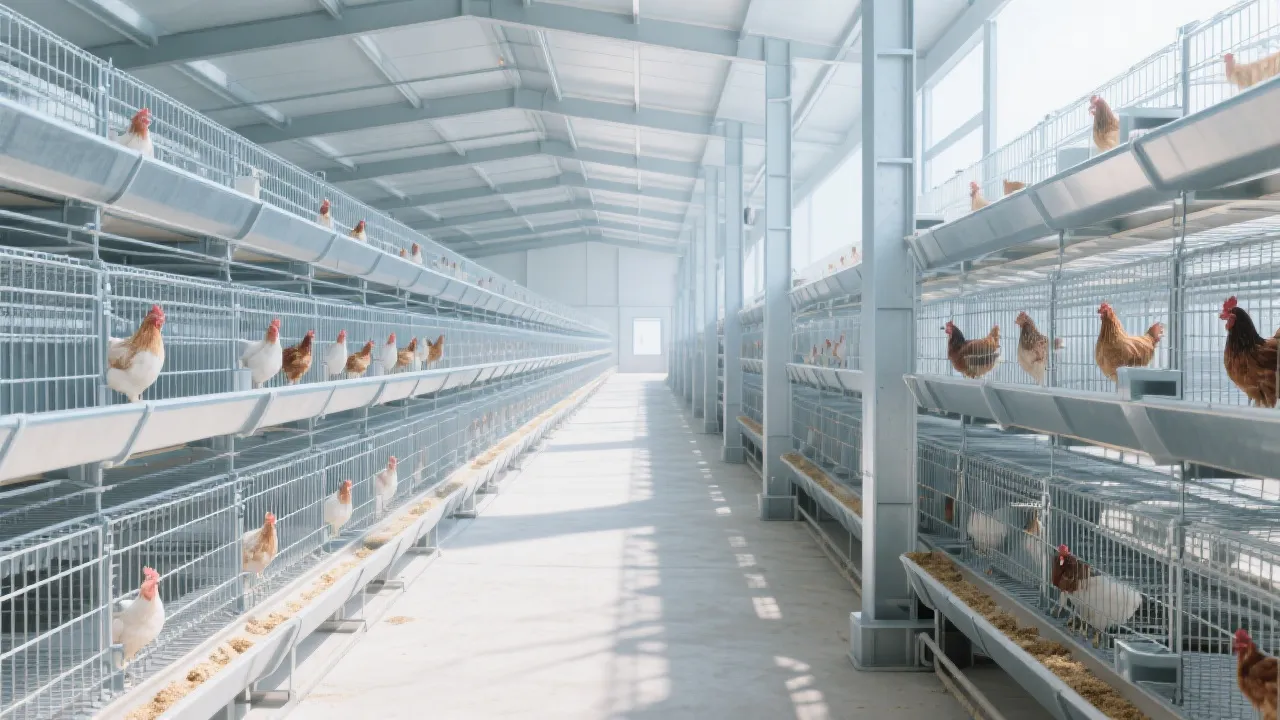
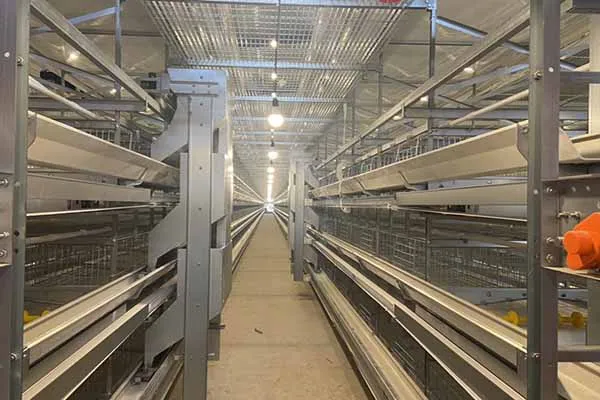
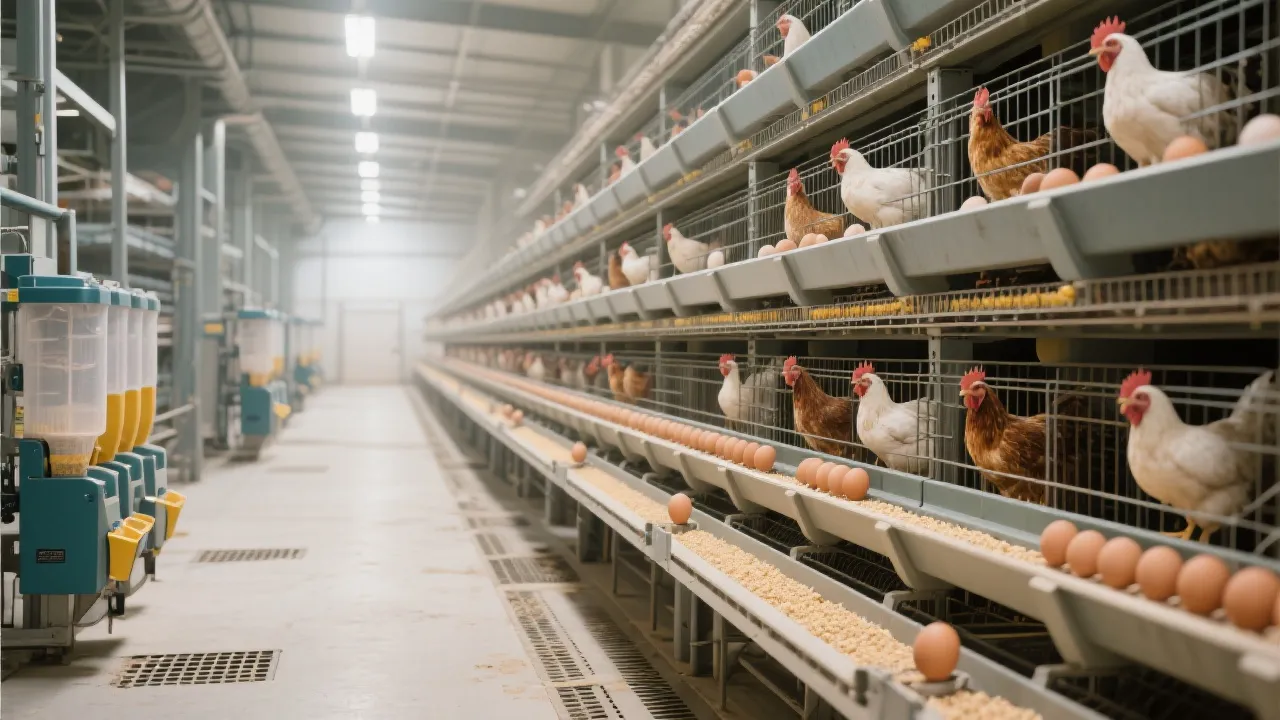
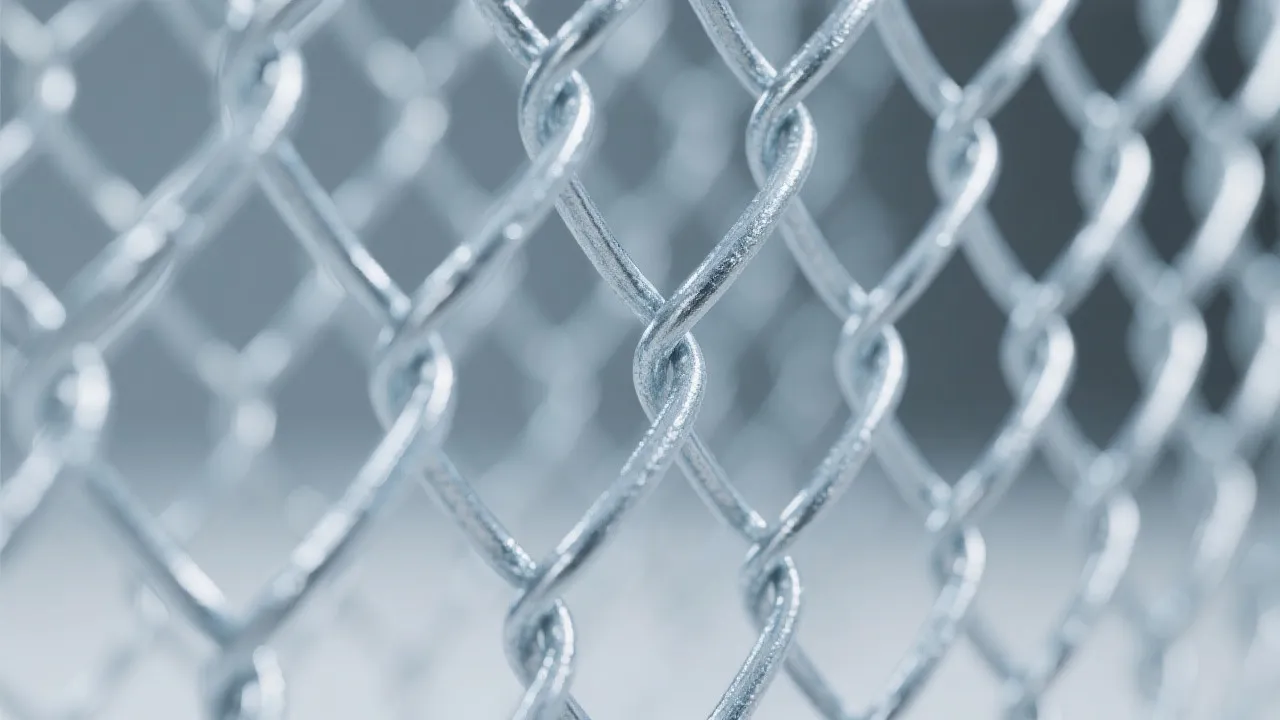
Take the H-type layer chicken cage—used widely in China and increasingly in Europe and the Middle East—as an example. These cages are made using hot-dip galvanized steel coated with aluminum-zinc alloy (AZ150). This combination increases corrosion resistance by up to 3x compared to standard galvanized cages, extending service life from 5–7 years to 10+ years without releasing harmful coatings into the environment.
That means less frequent replacement, fewer raw material inputs, and lower lifecycle emissions—a direct win for both farm sustainability and international compliance.
📌 Key Insight:
“ISO14001 emphasizes continuous improvement—not just one-time fixes.” — ISO 14001:2015 Clause 8.2
Practical Steps: The Environmental Maintenance Checklist for layer cages
Here’s a simple but powerful checklist adapted from best practices at farms implementing ISO14001:
- Daily: Clean droppings trays, inspect for rust or damage
- Weekly: Check ventilation fans, measure airflow rate (aim for 0.5 m/s minimum)
- Monthly: Test water lines for contamination, verify drainage system integrity
- Quarterly: Conduct full cage inspection for wear points, update logs per ISO documentation standards
Farms following such routines report 30–50% fewer complaints about odor or bird stress—and often see improved egg quality due to stable microclimates.
CE Certification: Your Passport to Global Markets
In EU and GCC countries, CE certification isn’t optional—it’s mandatory for livestock equipment. It signals adherence to EU directives on safety, health, and environmental protection. For exporters, it reduces import delays, builds buyer trust, and opens doors to government tenders and cooperative farming partnerships.
Like Livy Machinery, manufacturers who prioritize compliant design aren’t just selling cages—they’re offering a path toward long-term environmental stewardship and regulatory resilience.
Ready to Future-Proof Your Farm?
Explore how compliant, low-impact layer cages can transform your operation—from waste reduction to export readiness.
Get the Free Compliance Toolkit for Layer Farms


Hot Products

.jpg?x-oss-process=image/resize,m_fill,h_800,w_800/format,webp)


Popular articles




READY TO START?
Ready to Build Your Poultry Farm?
Tell us your land size, poultry type and farming capacity. LIVI will provide a complete farm solution for your project.