


How ISO Certification for Layer Cages Enhances International Competitiveness of Poultry Farming Equipment: A Comprehensive Guide to ISO 9001 and ISO 14001 Implementation

ISO Certification: Elevating the International Competitiveness of Laying Hen Cages
In the global market of poultry farming equipment, the application of ISO9001 Quality Management System and ISO14001 Environmental Management System has become a key factor in enhancing the competitiveness of laying hen cages. This article delves into how these two international certifications are applied in the design and operation management of laying hen cages, and how they contribute to the performance, durability, and environmental compliance of the equipment.
ISO9001: Ensuring Quality and Performance
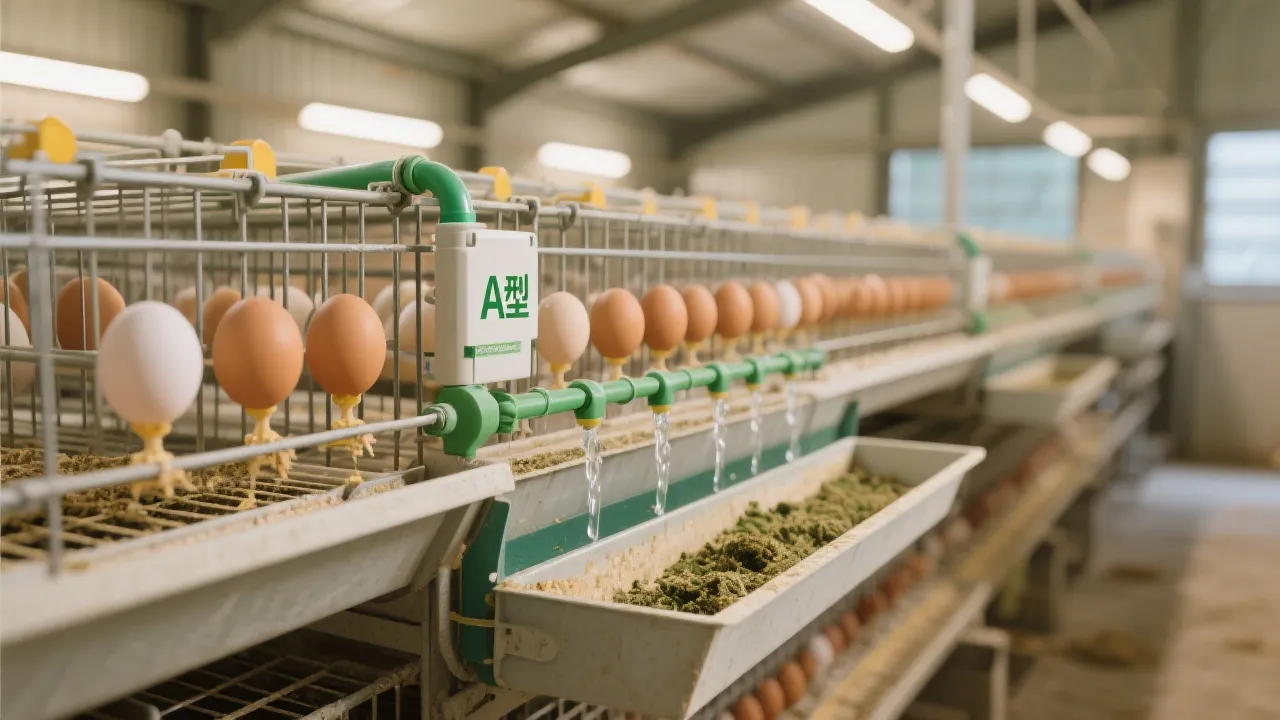
ISO9001 sets a series of standards for quality management, which are crucial for the design and production of laying hen cages. According to industry statistics, cages produced under strict ISO9001 management have a 30% lower defect rate compared to those without such certification. In the process of material selection, ISO9001 requires the use of high - quality materials that can withstand the harsh environment of poultry farms. For example, the steel used in the cage structure should have a certain level of corrosion resistance to ensure a service life of at least 10 years.
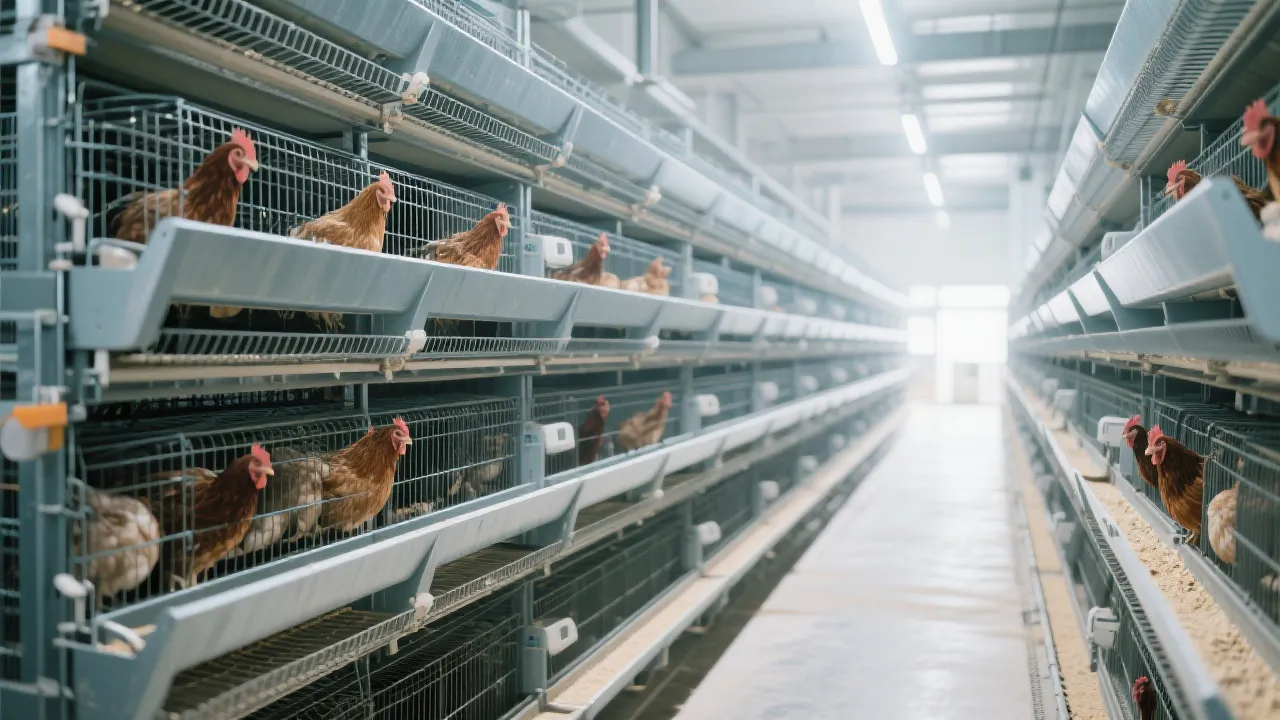
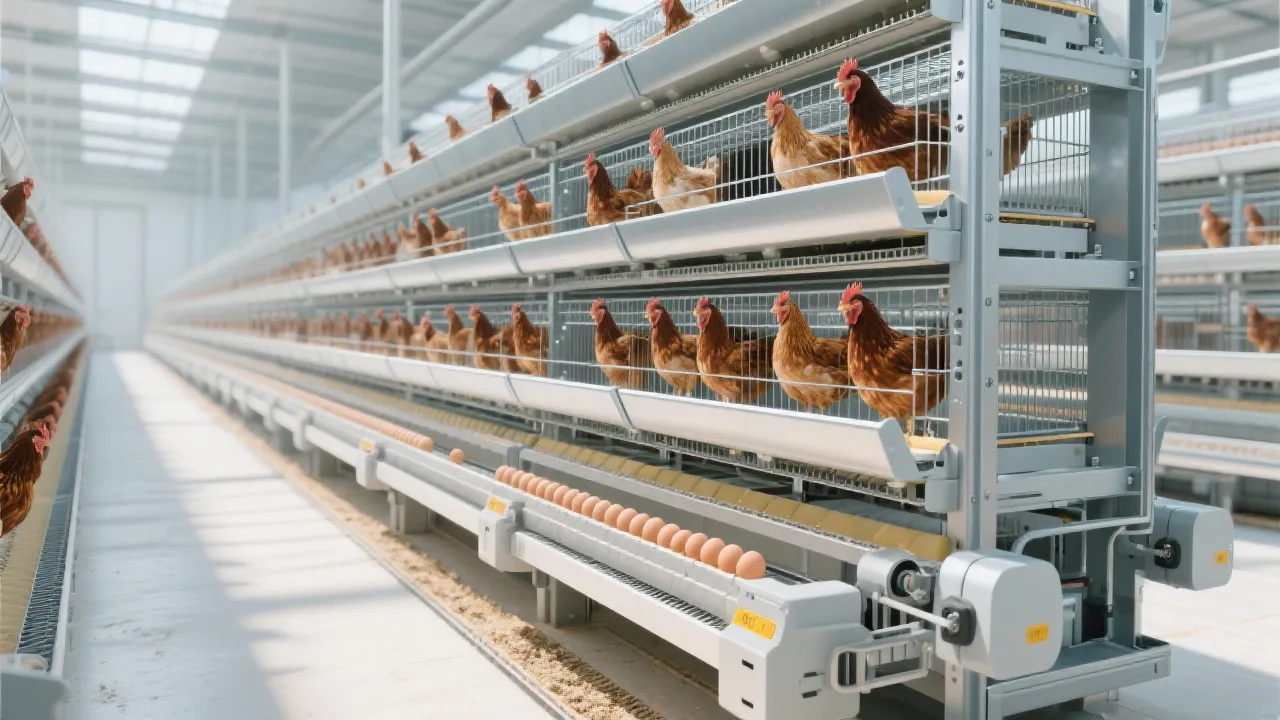
In terms of process control, ISO9001 mandates strict quality inspection at each production stage. This includes the precision of welding, the smoothness of wire surfaces, and the accuracy of cage dimensions. By adhering to these standards, the performance stability of laying hen cages is greatly improved, which in turn enhances the production efficiency of large - scale farms. For instance, a well - designed cage can increase the egg - laying rate of hens by 15 - 20%.

ISO14001: Promoting Environmental Compliance
ISO14001 focuses on environmental management, which is increasingly important in the modern poultry farming industry. The application of ISO14001 in laying hen cages involves reducing the environmental impact during production and use. For example, the paint used in cages should be water - based to minimize volatile organic compound (VOC) emissions. Additionally, the design of cages should facilitate waste management, such as the efficient collection and treatment of manure.
By implementing ISO14001, farms can reduce their carbon footprint by up to 25%. This not only meets the growing environmental requirements of international markets but also helps farms save on waste treatment costs. Moreover, products with ISO14001 certification are more likely to gain favor from environmentally - conscious customers.

CE Certification: Ensuring Safety Standards
CE certification plays a core role in the safety specifications of laying hen cages. It is an essential requirement for products to enter the European market. CE certification underlines the safety of the equipment, including the strength of the cage structure, the safety of access doors, and the prevention of sharp edges that could harm hens.
With CE certification, the safety risk of cages can be reduced by 40%. This certification also provides an important compliance basis for enterprises to expand into international markets, as it is recognized and respected in many regions around the world.
Operational Guidelines
To ensure the reliable operation and environmental compliance of laying hen cages, a series of practical operational guidelines can be implemented. This includes a standardized inspection system for regular maintenance and an environmental operation checklist. For example, daily inspections should be carried out to check for any signs of damage or wear, and monthly environmental audits should be conducted to ensure compliance with ISO14001 standards.

FAQ
Q: How long does it take to obtain ISO and CE certifications for laying hen cages?
A: Generally, it takes about 3 - 6 months to complete the ISO9001 and ISO14001 certification processes, and about 2 - 4 months for CE certification, depending on the complexity of the enterprise's operations and the readiness of documentation.
Q: Do small - scale farms need to consider these certifications?
A: While large - scale farms may benefit more from these certifications in terms of international competitiveness, small - scale farms can also gain advantages, such as improved quality control and environmental protection, which can lead to better long - term development.



Hot Products

.jpg?x-oss-process=image/resize,m_fill,h_800,w_800/format,webp)


Popular articles




READY TO START?
Ready to Build Your Poultry Farm?
Tell us your land size, poultry type and farming capacity. LIVI will provide a complete farm solution for your project.