


International Standard Steel and Advanced Surface Treatment: 3 Key Techniques to Extend the Lifespan of Laying Hen Cages
Three Key Technical Points of International Standard Steel and Advanced Surface Treatment for Extending the Lifespan of Laying Hen Cages
This article delves into how large - scale laying hen farms can select efficient and durable laying hen cage equipment. It focuses on the crucial role of using international standard Q235 steel and advanced surface treatment technologies in extending the lifespan of laying hen cages.
Rationality of Laying Hen Cage Structural Design
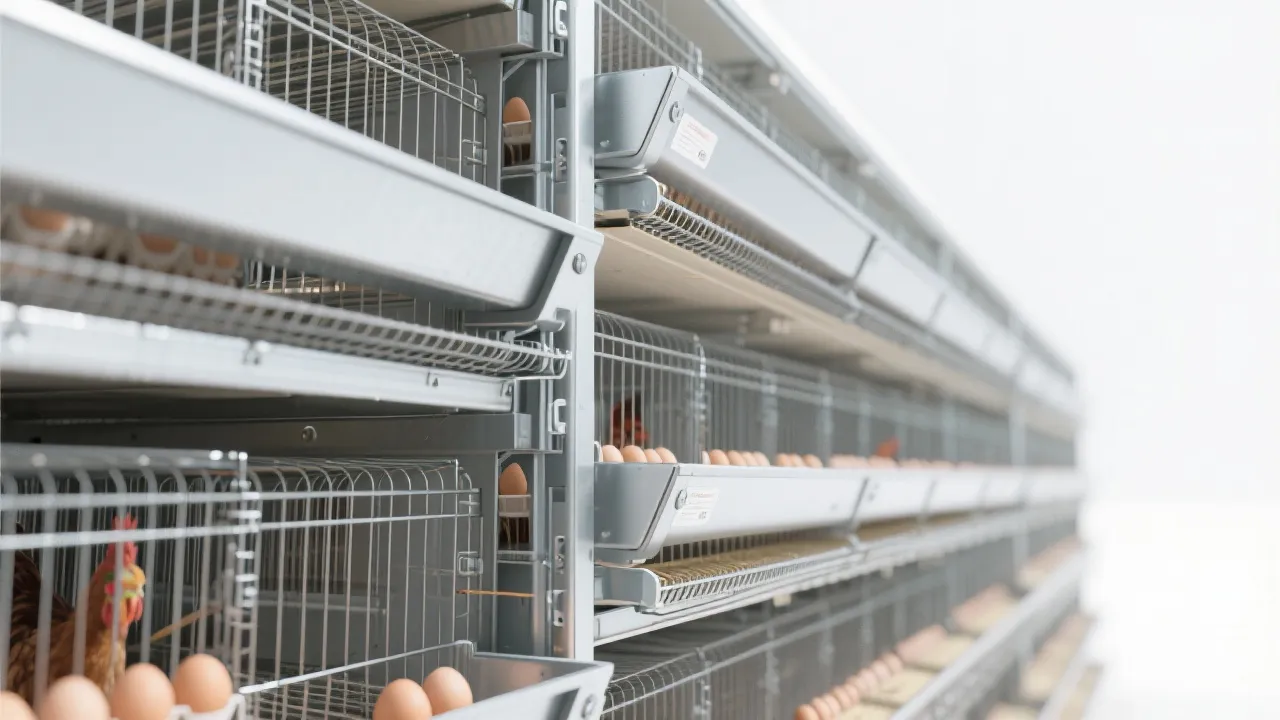
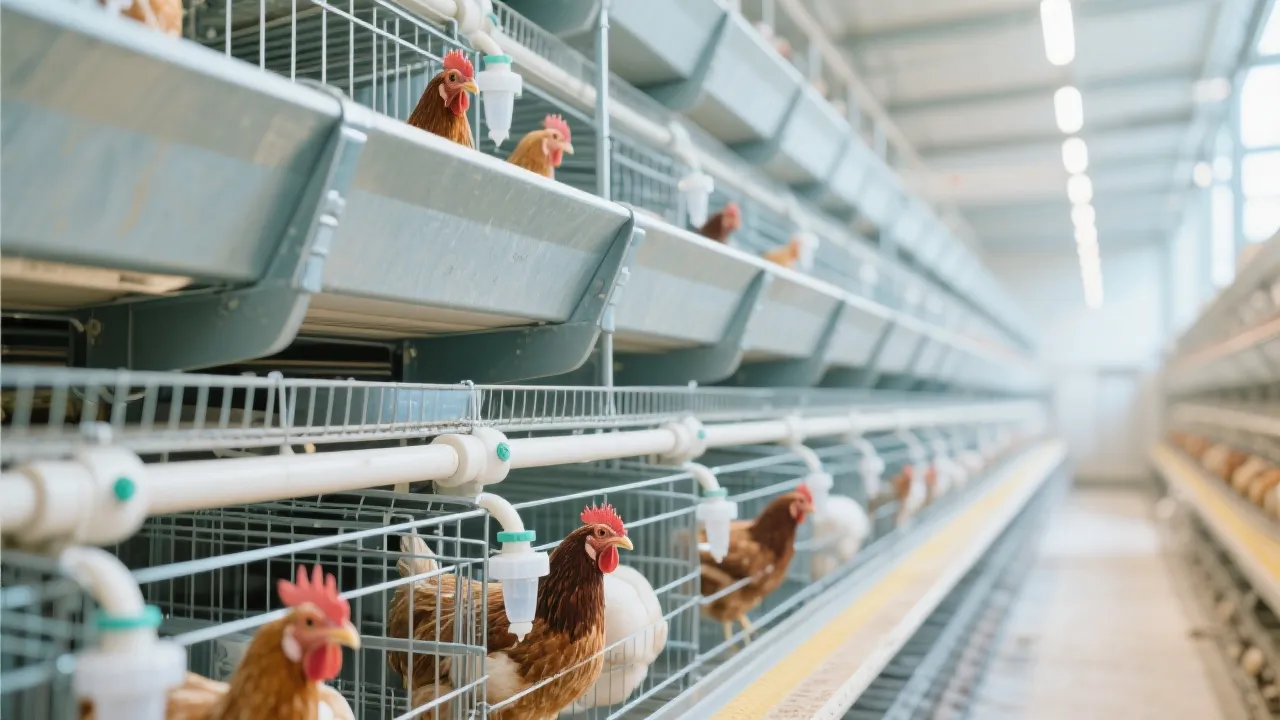
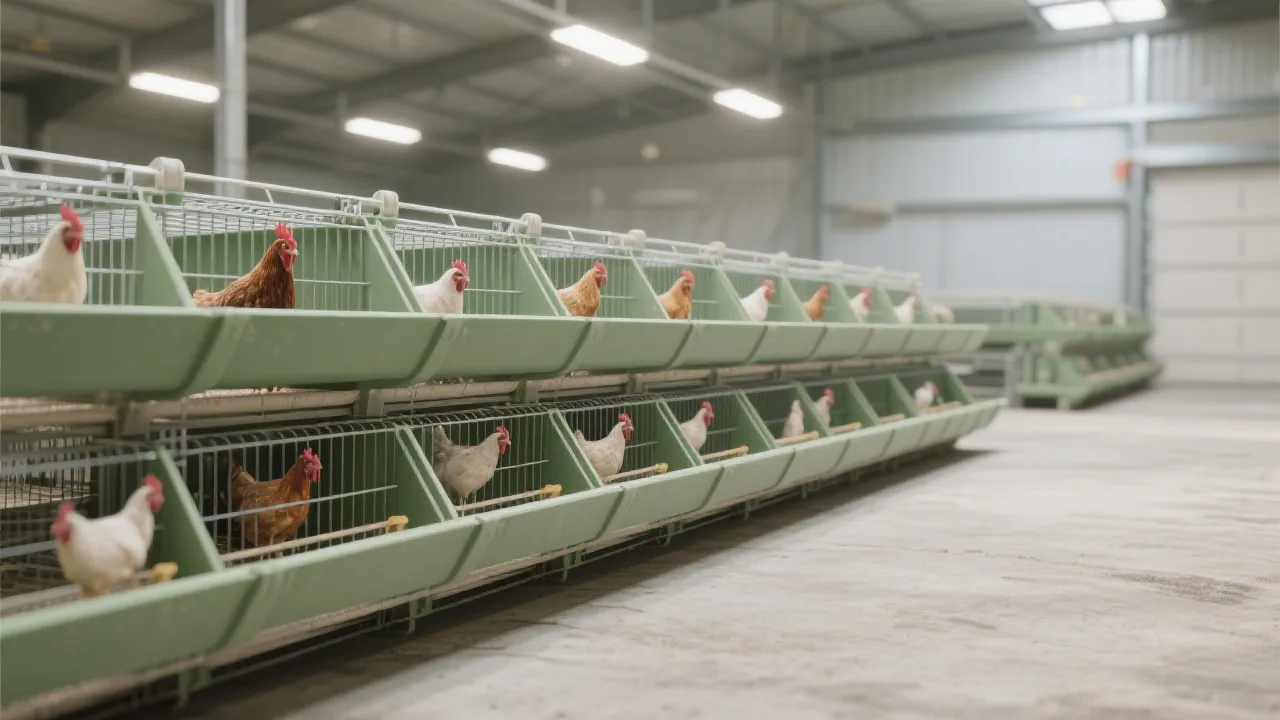
The structural design of laying hen cages is of great significance for large - scale farms. A well - designed cage can make full use of space. For example, in a traditional cage design, the space utilization rate might be around 60%. However, with a more scientific and rational design, this rate can be increased to 80% or even higher. This not only allows more hens to be housed in the same area but also improves the operational efficiency of the farm. Workers can move around more freely between cages, reducing the time and effort spent on daily operations such as feeding and egg collection.
Performance of International Standard Q235 Steel and Advanced Surface Treatment
International standard Q235 steel is known for its excellent mechanical properties. It has high strength and good plasticity, which can withstand the long - term impact and pressure from hens. When it comes to surface treatment, technologies like hot - dip galvanizing and aluminum - zinc alloy coating can significantly enhance the durability of the cages. A study shows that cages without proper surface treatment may start to show signs of corrosion within 1 - 2 years in a high - humidity and high - ammonia environment. In contrast, cages treated with hot - dip galvanizing can last for 8 - 10 years, and those with aluminum - zinc alloy coating can have a lifespan of up to 12 - 15 years.
Application of Automated Systems in Laying Hen Farms
Automated egg collection and manure cleaning systems have brought revolutionary changes to large - scale laying hen farms. In a traditional farm, it may take 5 - 6 workers to collect eggs and clean manure every day. With an automated egg collection system, this task can be completed by just 1 - 2 workers, reducing labor costs by up to 70%. Moreover, the automated manure cleaning system can ensure a clean environment in the farm in a timely manner, reducing the incidence of diseases among hens. For instance, in farms without an automated manure cleaning system, the disease incidence rate of hens may be around 15%. After implementing the system, this rate can be reduced to 5% or lower.
Advantages of Excellent Ventilation and Temperature Control Systems
A good ventilation and temperature control system is essential for the health of hens. In a well - ventilated environment, the concentration of harmful gases such as ammonia can be effectively controlled. For example, in a poorly ventilated farm, the ammonia concentration may reach 20 - 30 ppm, which can cause respiratory problems for hens. With a proper ventilation system, this concentration can be maintained below 5 ppm. In terms of temperature control, hens are most productive when the temperature is maintained between 18 - 22 degrees Celsius. An excellent temperature control system can ensure that the temperature in the farm remains within this range throughout the year, increasing the egg - laying rate by about 10 - 15%.
Case Comparison and Industry Trends
Let's take a look at a real - world case. Farm A uses traditional laying hen cages and management methods, while Farm B adopts the latest cages made of international standard Q235 steel with advanced surface treatment and automated systems. In one year, Farm A has an egg production of 100,000 eggs with a mortality rate of 12%, and the labor cost is $50,000. In contrast, Farm B produces 120,000 eggs with a mortality rate of only 5%, and the labor cost is reduced to $15,000. This clearly shows the advantages of the new - type equipment. The industry trend is moving towards more automated, environmentally - friendly, and efficient farming methods. With the increasing emphasis on environmental protection policies, farms need to choose more sustainable equipment to meet the requirements and gain a competitive edge in the market.
If you want to learn more about how to select the most suitable laying hen cage equipment for your farm and get professional advice, click here to get more information and support.




Popular articles


READY TO START?
Ready to Build Your Poultry Farm?
Tell us your land size, poultry type and farming capacity. LIVI will provide a complete farm solution for your project.