


How International Certifications Drive Smart Poultry Equipment Selection for Global Markets

How International Certifications Are Shaping the Future of Poultry Equipment Selection
For egg producers targeting global markets—especially those aiming to supply premium food chains or international investors—the choice of poultry equipment is no longer just about functionality. It’s a strategic decision rooted in compliance, sustainability, and long-term ROI. In this context, certifications like ISO 9001, ISO 14001, and CE marking are not optional—they’re essential filters for quality, safety, and market access.
Why These Standards Matter More Than Ever
According to the Food and Agriculture Organization (FAO), farms using certified equipment report an average of 23% lower maintenance costs over five years compared to non-certified counterparts. Why? Because ISO 9001 ensures consistent manufacturing processes, while ISO 14001 mandates environmental controls such as reduced emissions and proper waste handling—both critical for EU and North American importers.
A recent OIE (World Organisation for Animal Health) study also found that CE-compliant systems reduce workplace injuries by up to 40%. This isn’t just about legal compliance—it’s about protecting your team, minimizing downtime, and building trust with buyers who demand responsible sourcing.
| Feature | Certified Equipment | Non-Certified Equipment |
|---|---|---|
| Expected Lifespan | 8–10 years | 4–6 years |
| Noise Level (dB) | ≤65 dB (CE standard) | ≥75 dB |
| Maintenance Frequency | Once per quarter | Every 2 months |
| Market Access Risk | Low (compliant with EU/US standards) | High (often rejected at customs) |
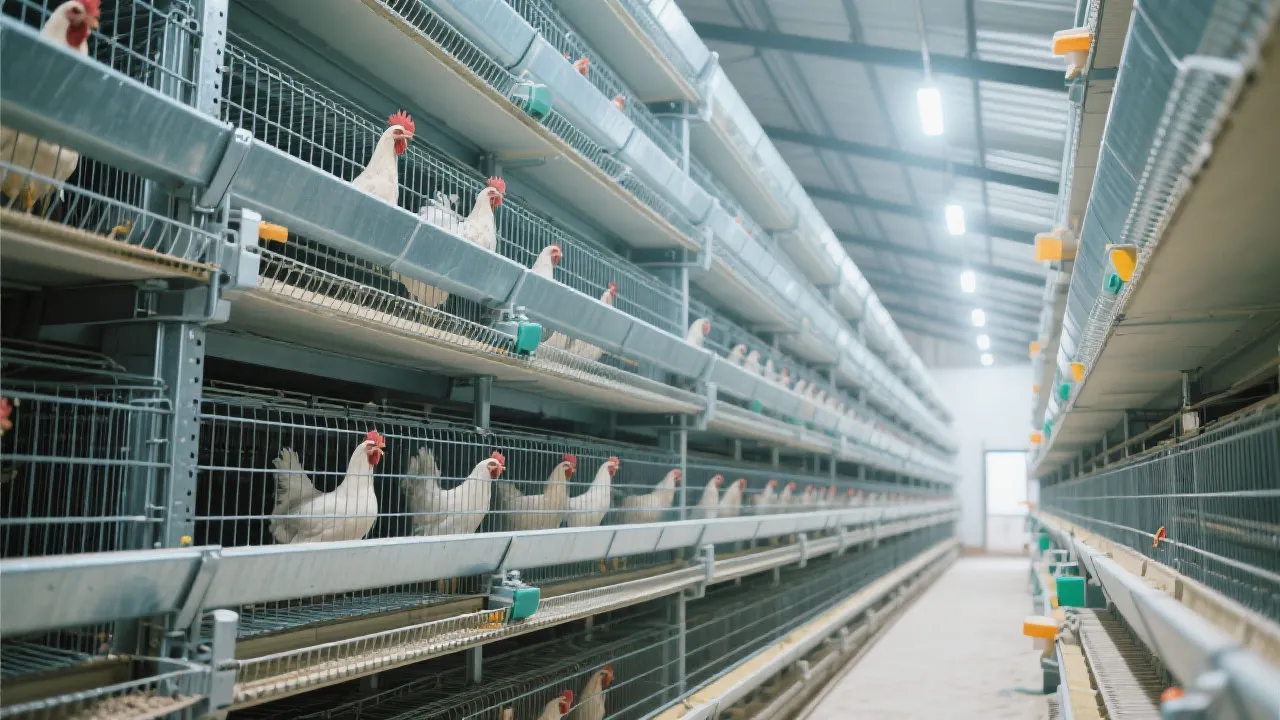
One key technical differentiator often overlooked is hot-dip galvanized coating thickness. Certified equipment typically uses ≥85 µm zinc layers—proven to resist corrosion in humid climates like Southeast Asia or Latin America. Non-certified units may use as little as 30 µm, leading to premature rusting and costly replacements.
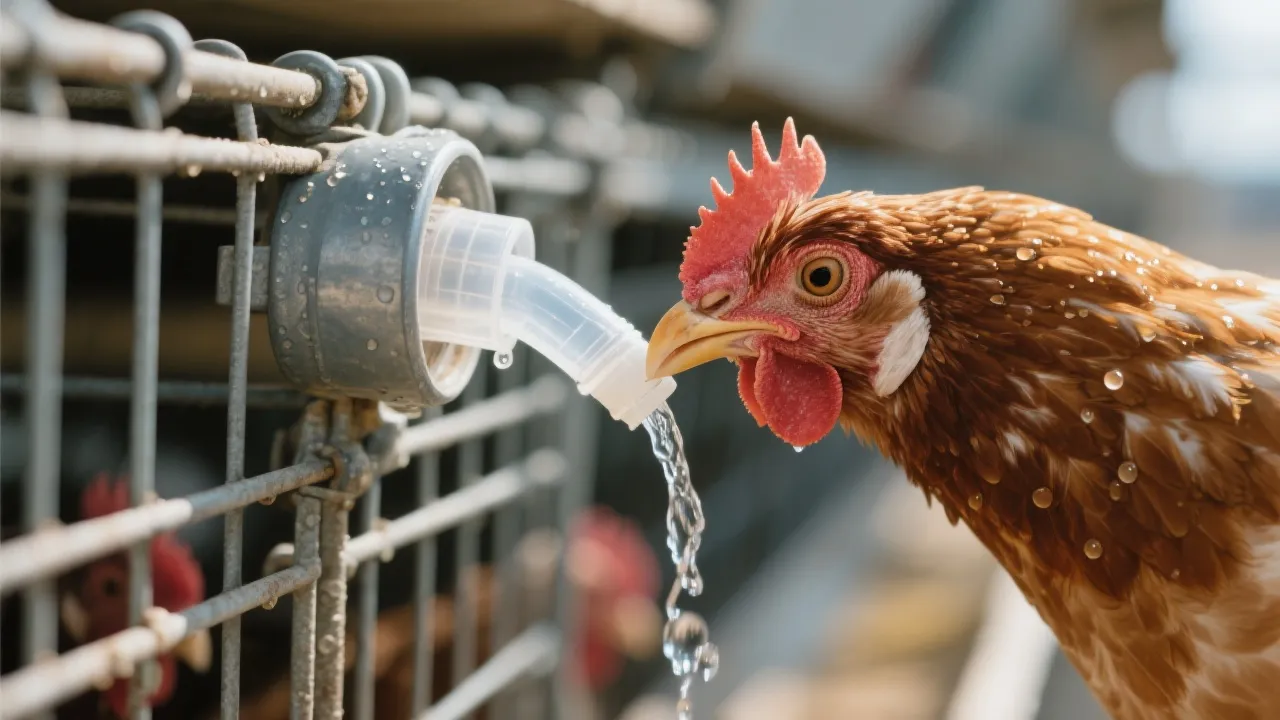
These aren't hypotheticals. A case study from a Vietnamese layer farm showed that after switching to ISO 14001-certified feeders and drinkers, they achieved 18% higher feed conversion ratio due to better hygiene control—an outcome directly linked to design standards endorsed by FAO.
If you're preparing for export or working with international partners, understanding these standards isn’t just smart—it’s mandatory. They form the backbone of modern, scalable poultry operations that meet both regulatory expectations and consumer demands for transparency.
Ready to Build a Compliant, Future-Proof Egg Farm?
Download our free checklist to ensure every piece of equipment meets global standards before purchase.
Get Your Free Compliance Checklist PDF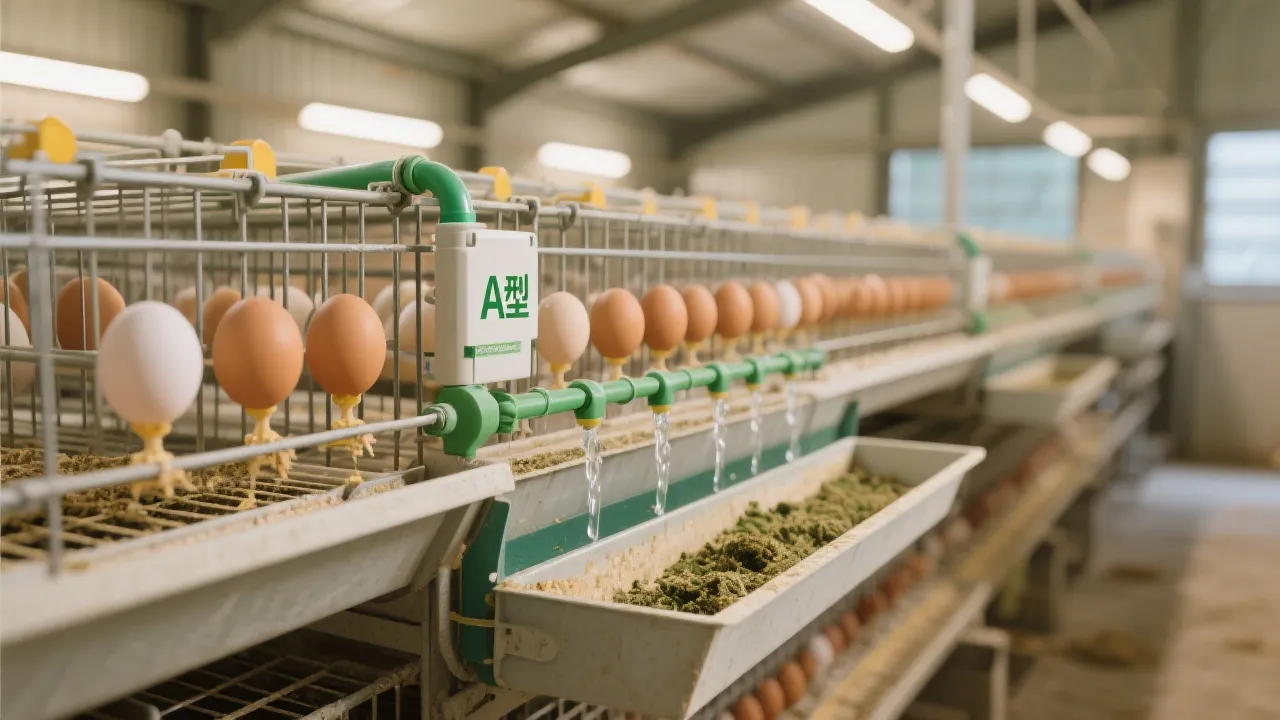


Hot Products

.jpg?x-oss-process=image/resize,m_fill,h_800,w_800/format,webp)





READY TO START?
Ready to Build Your Poultry Farm?
Tell us your land size, poultry type and farming capacity. LIVI will provide a complete farm solution for your project.