


Automated Laying Hen Farming: Practical Guide to High-Efficiency H-Shaped Cage Egg Collection and Manure Cleaning Systems

Maximizing Efficiency with Zhengzhou Livi’s High-Efficiency H-Type Layered Hen Cage System
In the evolving landscape of modern poultry farming, automation and space optimization play pivotal roles in boosting productivity and reducing operational costs. Zhengzhou Livi Machinery’s innovative H-type layered hen cage system exemplifies this by introducing a high-efficiency design that integrates automated egg collection and manure cleaning systems, elevating the standards of egg layer management.
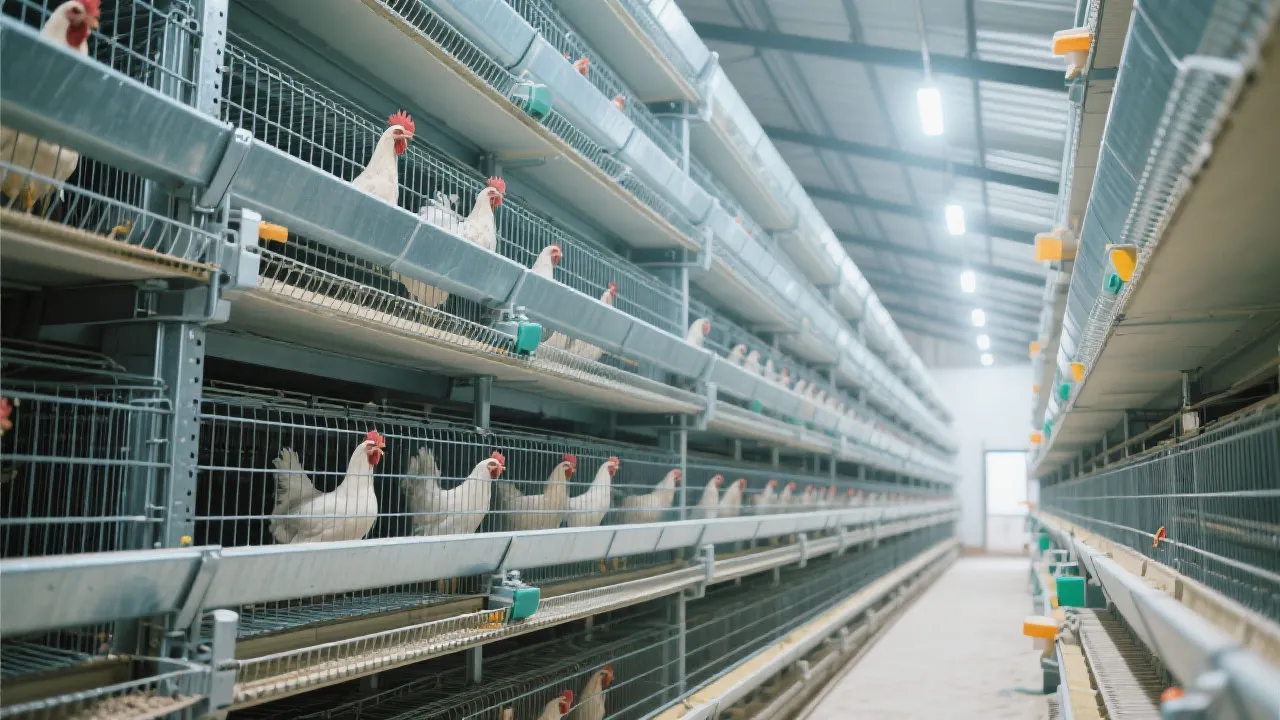
Innovative H-Type Structure: Space Optimization & Welfare Balance
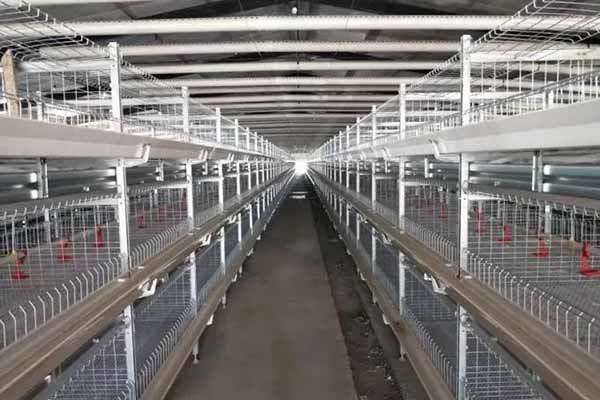
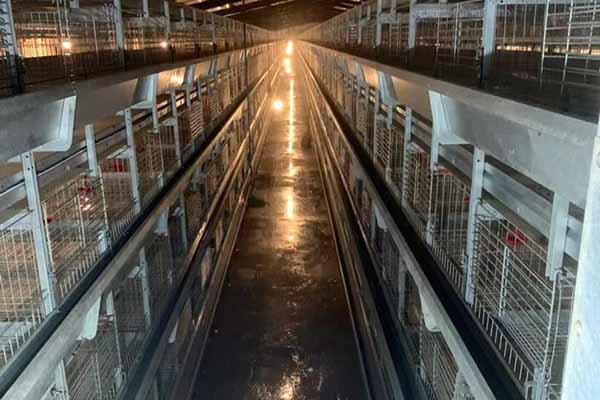
The core advantage of the H-type cage lies in its spatial design which smartly maximizes stocking density while maintaining sufficient activity space for hens. Unlike traditional single-tier cages, the vertical layering combined with the H-shaped framework allows for balanced airflow and light distribution, significantly improving hen welfare without compromising capacity.
Testing in operational farms reveals that this layout can increase per-square-meter housing capacity by up to 30% compared to conventional cages, while reducing stress indicators in hens by 20%, guiding towards sustainable intensive farming.
Automated Egg Collection: Streamlining Production Flow
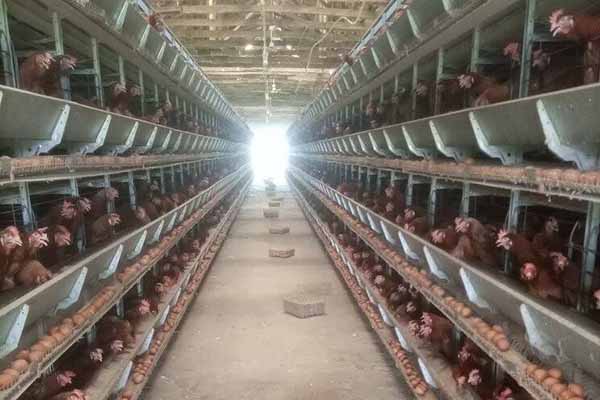
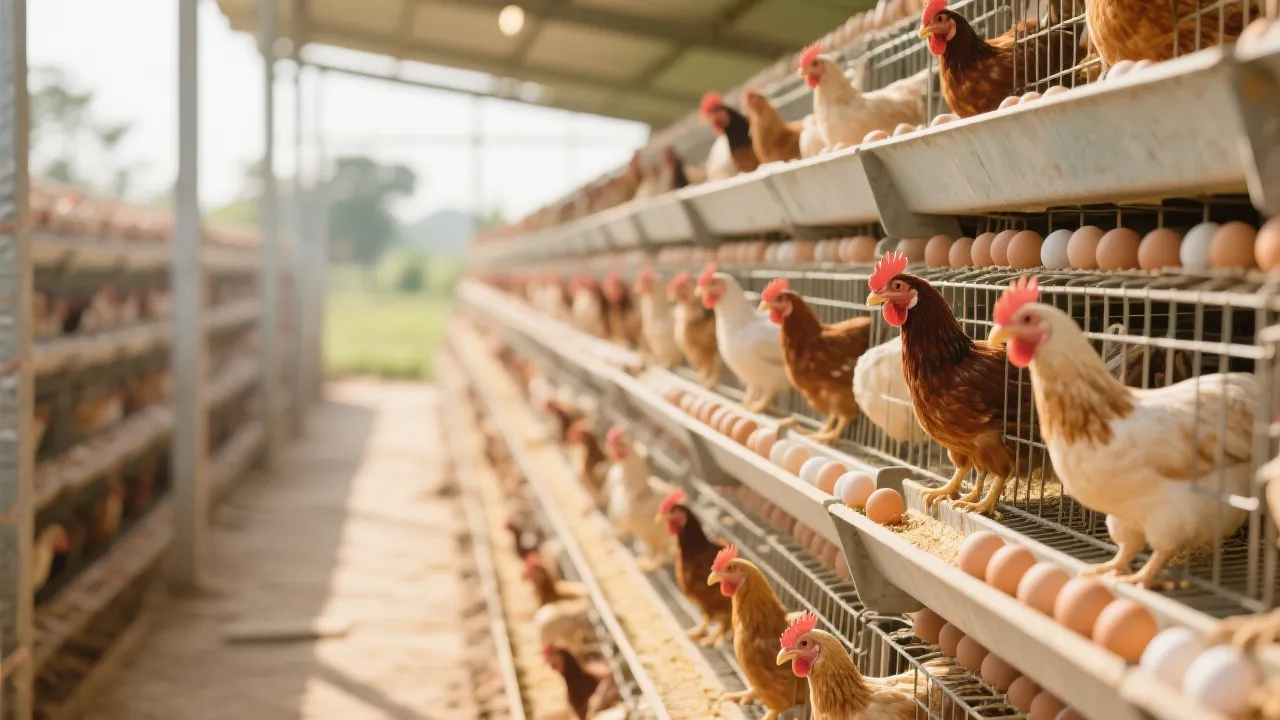
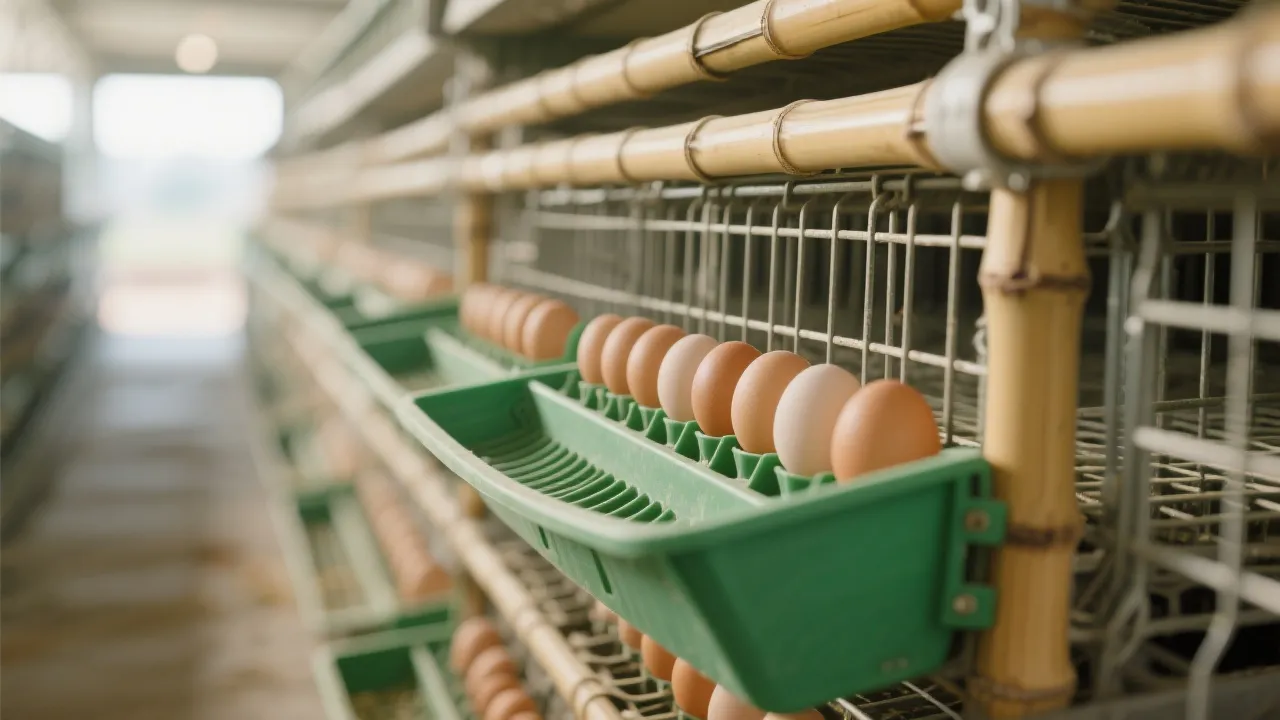
Zhengzhou Livi’s intelligent egg collection system incorporates an automated rolling trough beneath each cage layer with gentle slope regulation, enabling eggs to immediately roll onto cushioned conveyor belts for further transportation.
This circulation eliminates manual handling during critical hours, reducing labor costs by approximately 40% and minimizing egg damage rates to below 1%. The modular design also facilitates quick maintenance and scalability to different farm sizes.
Efficient Waste Management with Automated Manure Cleaning
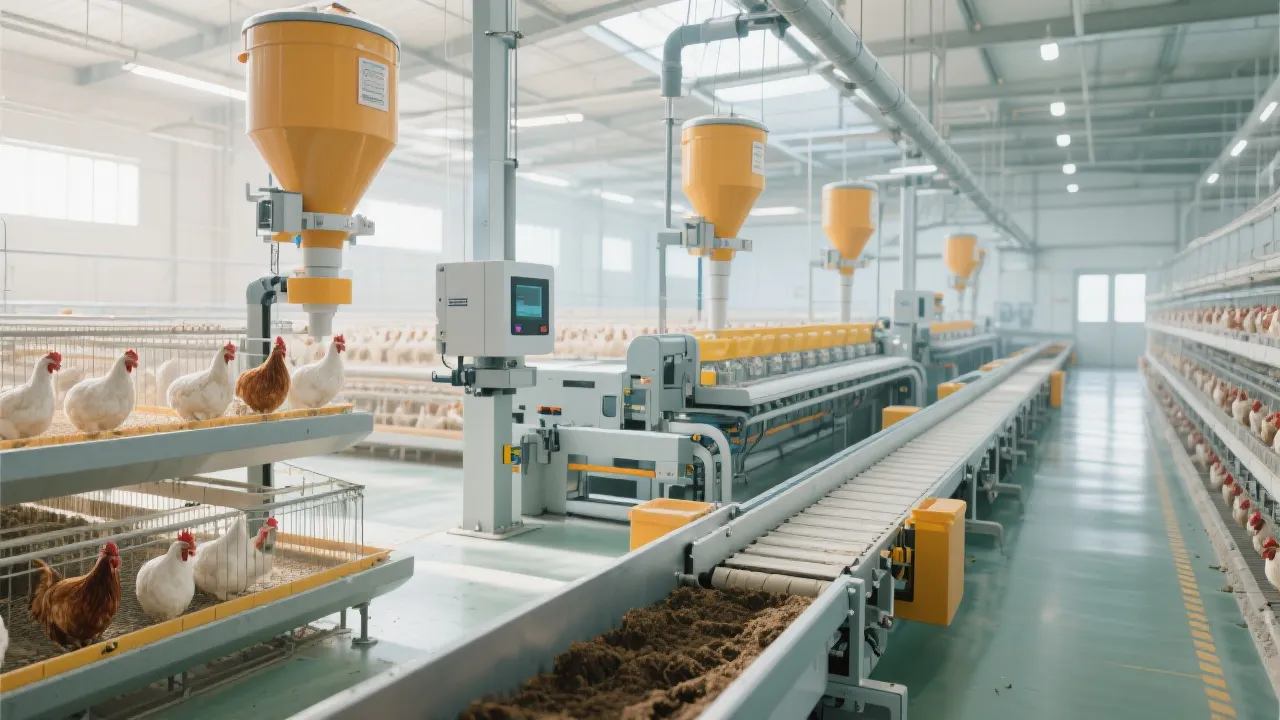
Manure accumulation poses significant environmental and health hazards in poultry farming. The integrated automatic manure cleaning system in this H-type design utilizes sliding trays and scraper mechanisms to continuously collect feces into centralized conveyors or pits, ensuring hygienic conditions throughout the day.
Studies indicate an average reduction of ammonia emissions by 35% due to timely removal, directly contributing to improved respiratory health for both hens and workers, while reducing the need for chemical disinfectants.
Integrated Ventilation & Temperature Control
Maintaining optimal microclimate conditions is critical for egg quality and hen health. The H-type system includes a synchronized ventilation and temperature control setup using adjustable fans and automated thermostatic sensors that regulate airflow and heat based on real-time environmental data.
This smart climate control supports stable ambient conditions—typically sustaining temperatures between 18°C to 24°C and humidity levels around 60%, which research correlates with egg-laying rates exceeding 90% during peak production phases.
Case Study: Boosting Farm Productivity with Livi’s H-Type Cage
A commercial laying farm in Henan province adopted the H-type system six months ago, reporting a 25% uplift in daily egg yield and a 15% drop in labor overhead. Automated cleaning and collection translated into cleaner housing environments and less downtime.
Feedback from farm managers included significant improvement in operational workflow, easier management of flock health, and clear reduction in biosecurity risks.
Frequently Asked Questions (FAQ)
- Q1: What is the typical lifespan of the automated egg collection system?
- A1: With routine maintenance, components are designed to last over 7 years. Modular parts facilitate easy replacement and upgrade.
- Q2: How does the manure cleaning system handle different stocking densities?
- A2: The system’s scraper velocities and collection trays are adjustable, allowing customization for both low and high-density setups without loss of efficiency.
- Q3: Can the H-type cage system be integrated with existing farm infrastructure?
- A3: Yes, it supports flexible configurations and can be retrofitted in many existing barns with minimal structural modifications.




Hot Products

.jpg?x-oss-process=image/resize,m_fill,h_800,w_800/format,webp)


Popular articles




READY TO START?
Ready to Build Your Poultry Farm?
Tell us your land size, poultry type and farming capacity. LIVI will provide a complete farm solution for your project.