


Recommended High - efficiency and Environment - friendly Manure Cleaning Solutions: Empowering Export - Oriented Poultry Farms for Sustainable Operations
Introduction to Sustainable Manure Management in Export Poultry Farms
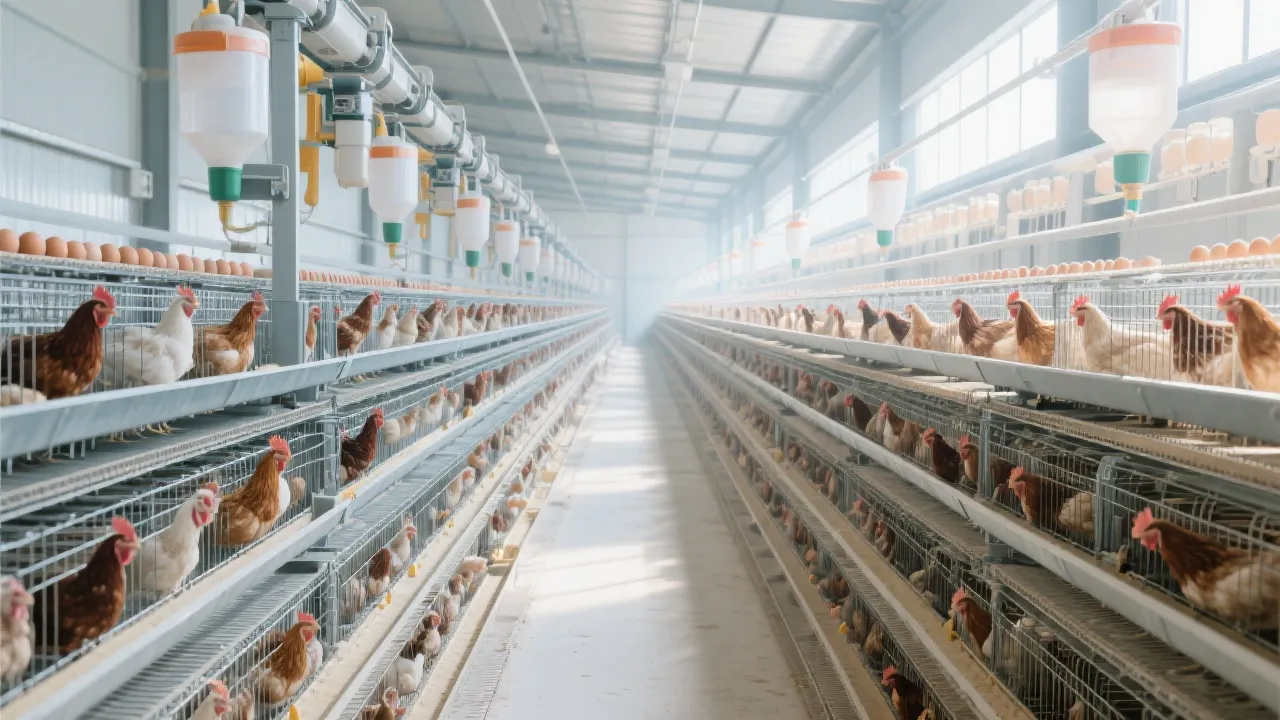
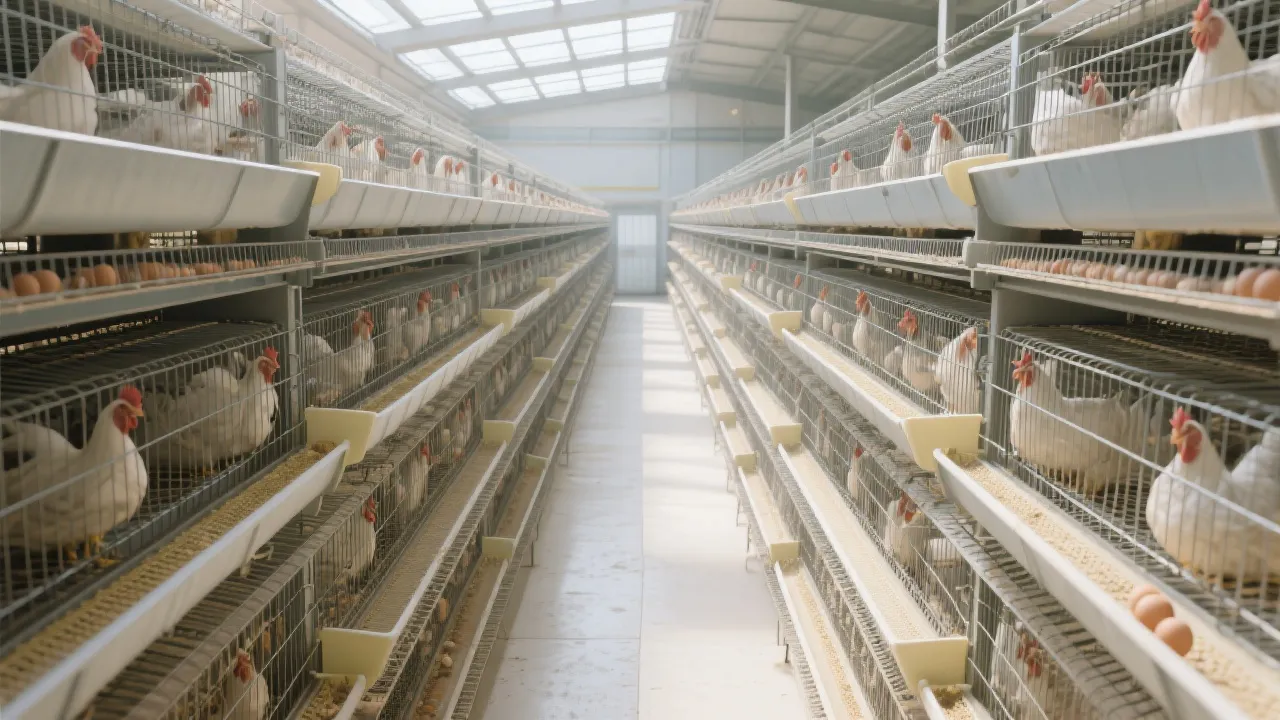
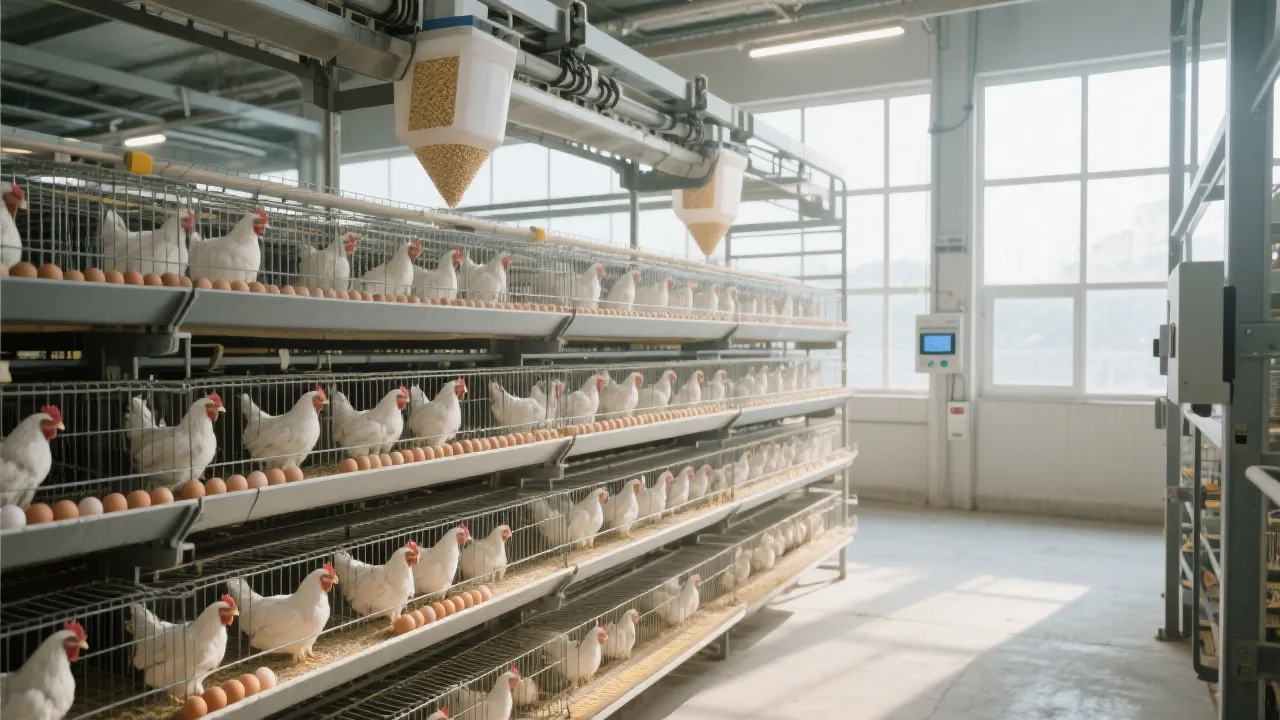
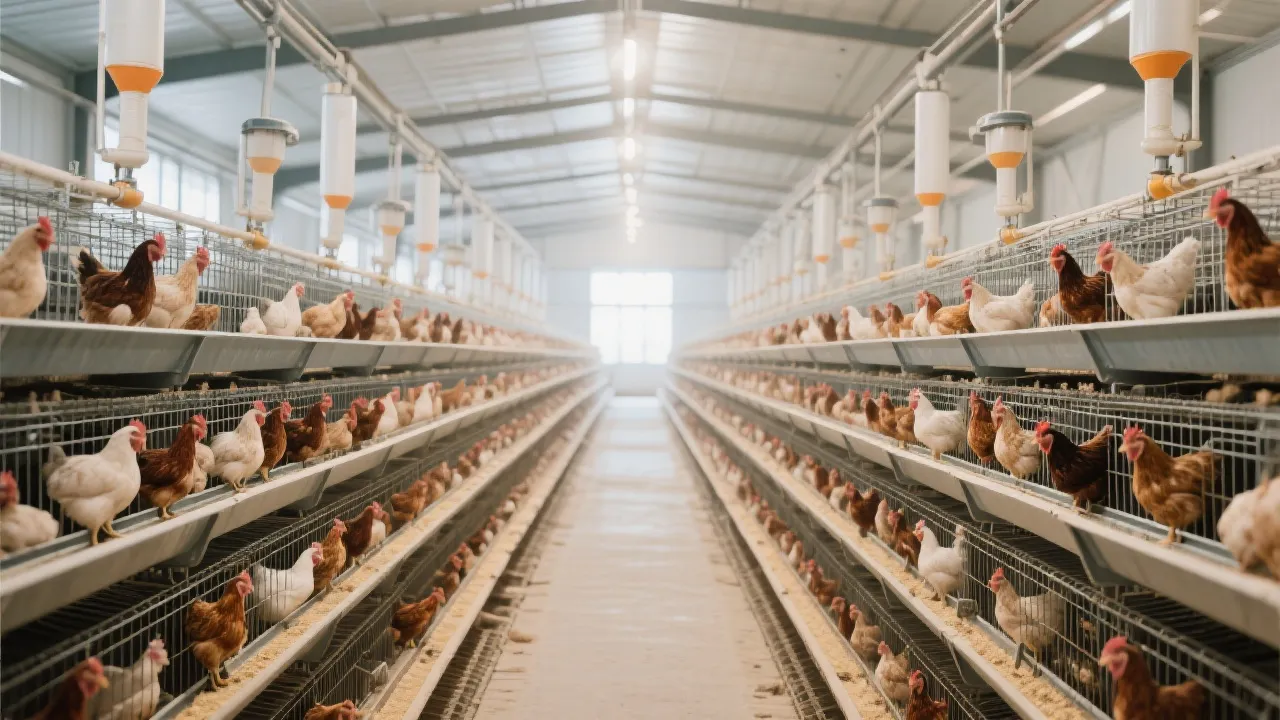
In the era of global environmental awareness, the poultry farming industry, especially export - oriented farms, is under increasing pressure to achieve sustainable operations. Manure management is a critical aspect that directly impacts the environmental footprint and long - term viability of these farms. This article presents a comprehensive solution for efficient and environmentally friendly manure cleaning systems in H - type layer chicken cages, with a focus on energy - saving, environmental protection, and resource utilization.
Design Principles and Advantages of Mechanical Scraper and Screw Conveyor Manure Cleaning Equipment
Mechanical scraper and screw conveyor manure cleaning equipment are two main types of systems used in H - type layer chicken cages. The mechanical scraper system operates by using a scraper blade to move the manure along a fixed track, while the screw conveyor system transports manure through a rotating screw. These systems are designed with high efficiency in mind, reducing the time and labor required for manure removal.
According to industry data, mechanical scraper systems can clean up to 90% of the manure in a chicken cage within 10 minutes, significantly reducing the accumulation of manure and the associated odor. Screw conveyor systems, on the other hand, are more suitable for transporting manure over longer distances, with a conveying capacity of up to 5 tons per hour.
Energy - Saving Technologies and Intelligent Control
Energy consumption is a major concern in modern poultry farming. To address this issue, both mechanical scraper and screw conveyor systems are equipped with energy - saving technologies. For example, variable frequency drives (VFDs) are used to adjust the speed of the motors according to the actual load, reducing energy waste. Intelligent control systems can also be integrated to automatically start and stop the manure cleaning process based on the manure level in the cage.
Studies have shown that the use of VFDs can reduce energy consumption by up to 30% compared to traditional fixed - speed motors. Intelligent control systems can further optimize energy use, resulting in additional savings of up to 15%.
Maintenance and Fault Prevention
Regular maintenance is essential to ensure the long - term performance of manure cleaning equipment. A reasonable maintenance cycle for mechanical scraper systems is recommended to be once every two weeks, including checking the scraper blade for wear, lubricating the moving parts, and inspecting the drive system. For screw conveyor systems, maintenance should be carried out once a month, focusing on the screw shaft, bearings, and the conveyor housing.
Common faults in these systems include blockages, motor failures, and belt slippage. By implementing preventive measures such as regular cleaning, proper lubrication, and timely replacement of worn parts, the occurrence of these faults can be significantly reduced.
Synergistic Optimization of Manure Cleaning and Ventilation Systems
The combination of manure cleaning and ventilation systems can have a significant impact on the air quality in the chicken house. When manure is removed in a timely manner, the production of harmful gases such as ammonia and hydrogen sulfide is reduced. Ventilation systems can then effectively remove these remaining gases, creating a healthier environment for the chickens.
Research indicates that by coordinating the operation of manure cleaning and ventilation systems, the concentration of ammonia in the chicken house can be reduced by up to 50%, improving the respiratory health of the chickens and reducing the incidence of diseases.
Manure Resource Utilization Based on ISO 14001 Environmental Management System
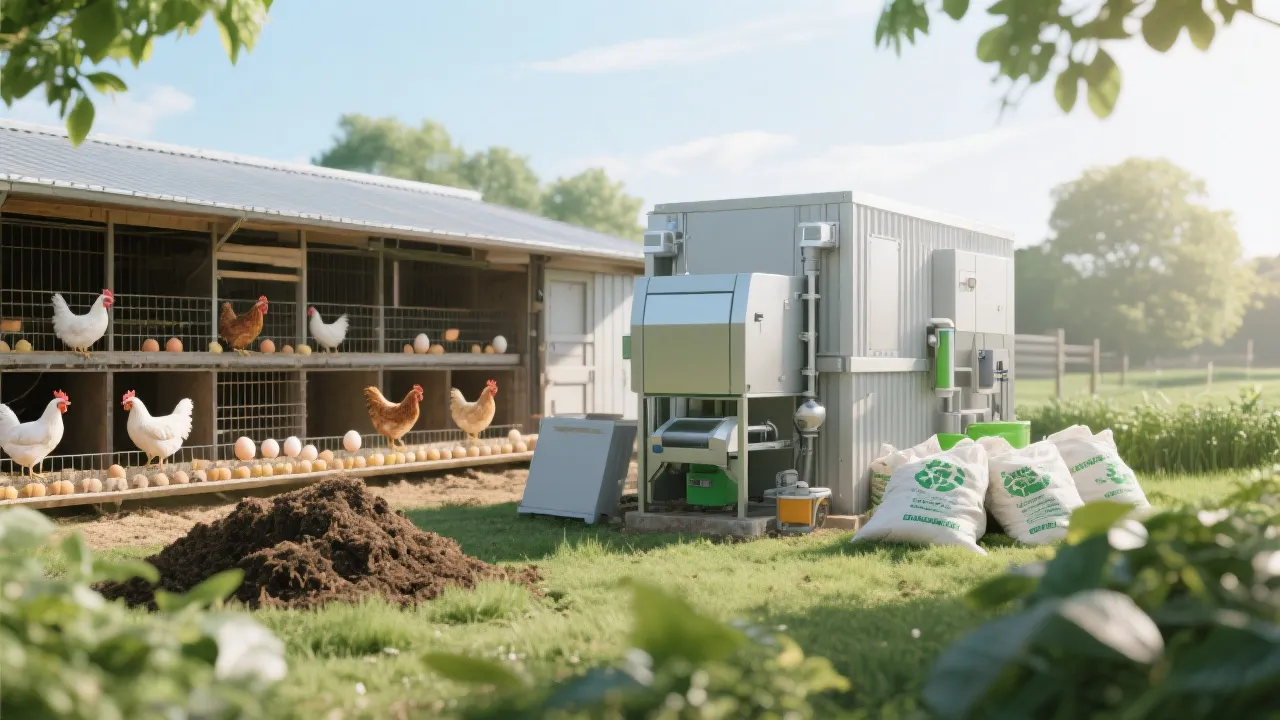
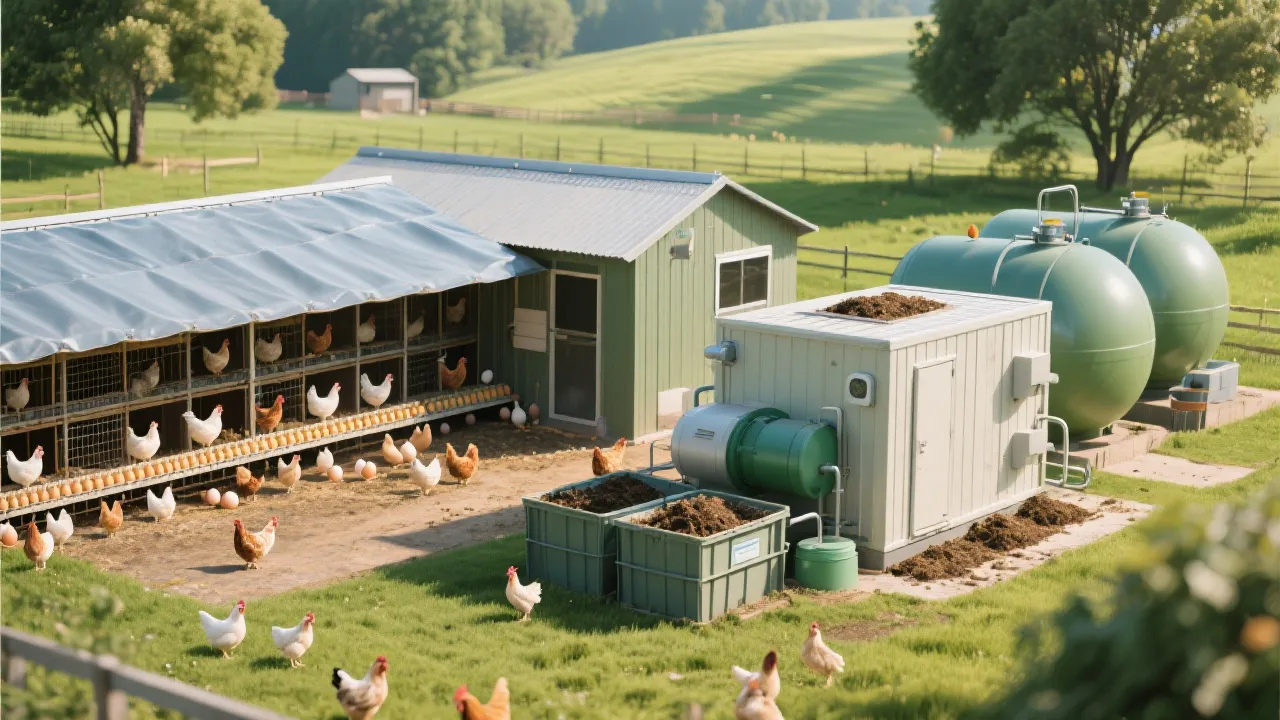
The ISO 14001 environmental management system provides a framework for the sustainable management of manure. Manure can be used for composting and biogas generation, which not only reduces environmental pollution but also creates additional economic value.
Composting is a process of decomposing manure under controlled conditions to produce organic fertilizer. It typically takes 2 - 3 months to complete the composting process, and the resulting compost can be used to improve soil fertility. Biogas generation, on the other hand, involves the anaerobic digestion of manure to produce biogas, which can be used for heating, electricity generation, or as a fuel for vehicles. A 10,000 - bird chicken farm can produce enough biogas to meet the daily electricity needs of 10 - 15 households.
Success Cases and Data Analysis
Many export - oriented poultry farms have successfully implemented these manure cleaning and management solutions. For example, a farm in Europe reduced its energy consumption by 25% and increased its chicken production by 10% after upgrading to a mechanical scraper manure cleaning system. Another farm in Asia achieved a 40% reduction in manure - related environmental pollution after implementing a comprehensive manure management plan that included composting and biogas generation.
Conclusion and CTA
In conclusion, the efficient manure cleaning systems and resource utilization solutions presented in this article offer a practical way for export - oriented poultry farms to achieve sustainable operations. By adopting these technologies and management strategies, farms can not only reduce their environmental impact but also improve the health and productivity of their chickens.
If you are interested in learning more about our efficient manure cleaning equipment and technical support services, and want to obtain a comprehensive system solution and after - sales guarantee, please click here.




Hot Products

.jpg?x-oss-process=image/resize,m_fill,h_800,w_800/format,webp)


Popular articles





READY TO START?
Ready to Build Your Poultry Farm?
Tell us your land size, poultry type and farming capacity. LIVI will provide a complete farm solution for your project.