


Heat Zinc Coating Thickness ≥85μm: Key Parameter for Extending Chicken Cage Lifespan in Premium Poultry Equipment

Why Certified Poultry Cages Last Longer: The Science Behind Zinc Coating Thickness ≥85μm
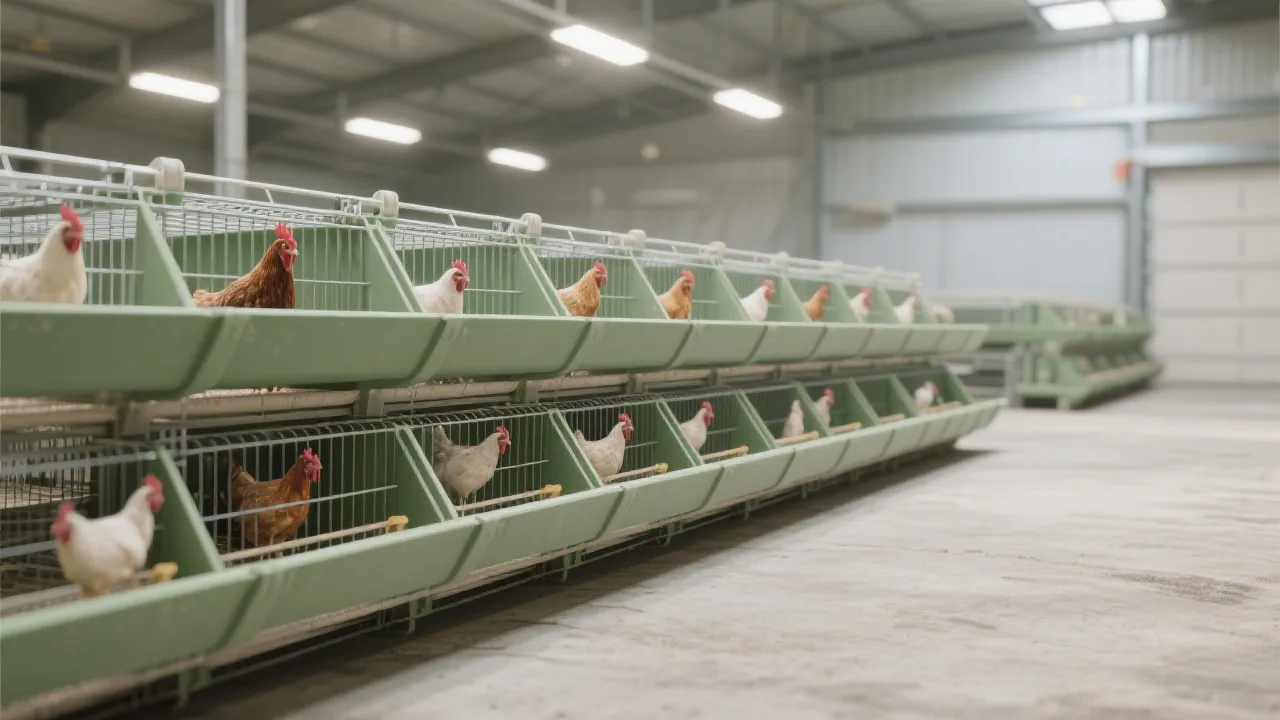
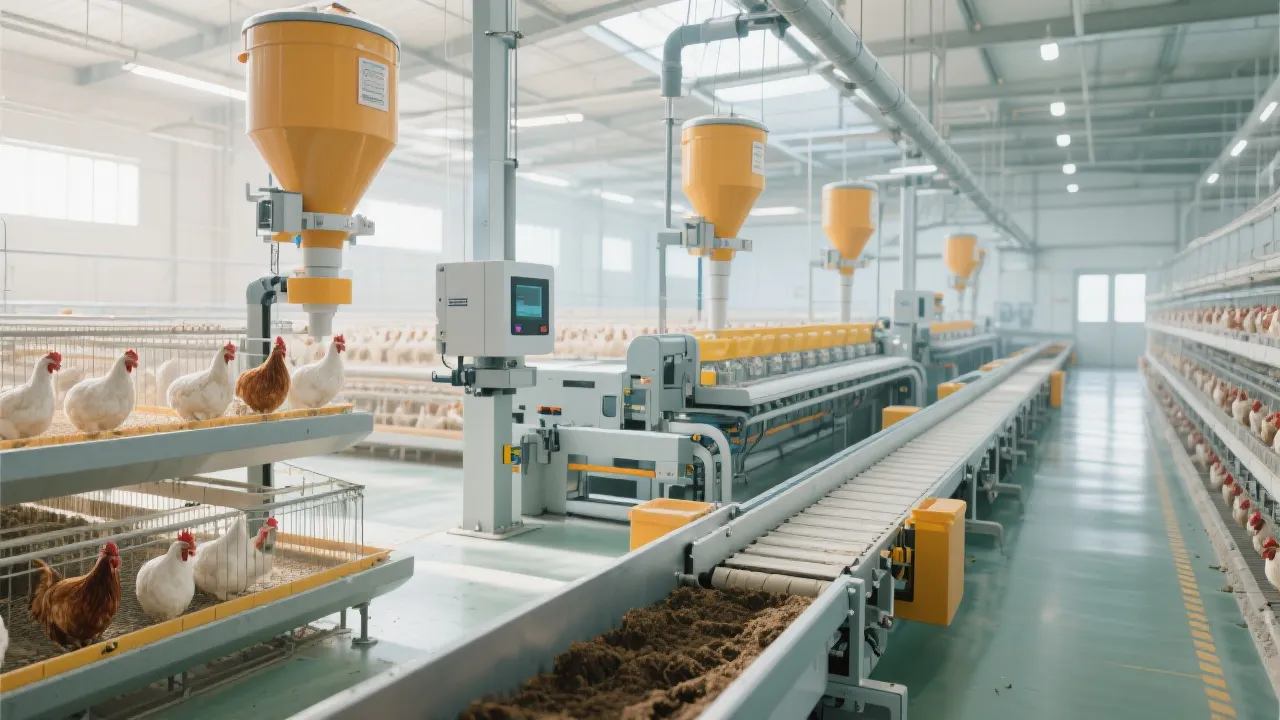
For international poultry farmers and procurement managers, choosing egg-laying cage systems isn’t just about cost—it’s about compliance, durability, and long-term ROI. Inconsistent quality or non-compliant equipment can lead to delays at customs, frequent repairs, and even safety risks on-site.
The Hidden Cost of Skipping International Standards
According to a 2023 FAO report, over 40% of imported livestock equipment in emerging markets fails initial inspections due to missing certifications like ISO9001 or CE marking. One case from Kenya involved a $12,000 shipment delayed by 3 weeks because the zinc coating thickness was only 50μm—well below the recommended minimum for humid climates.
| Feature | Certified (≥85μm Zn) | Non-Certified (<60μm Zn) |
|---|---|---|
| Expected Lifespan | 10–15 years | 3–5 years |
| Annual Maintenance Cost | $200/unit/year | $1,200/unit/year |
| Noise Level (dB) | ≤65 dB | >75 dB |
How ISO & CE Standards Protect Your Investment
The real value lies not in the label—but in what it guarantees:
- ISO9001: Ensures consistent manufacturing processes—reducing defects by up to 60%, per OIE data from 2022.
- ISO14001: Proves sustainable production methods—key for EU buyers prioritizing ESG criteria.
- CE Marking: Validates electrical safety, mechanical stability, and noise control—critical for avoiding import bans.
Our clients in Brazil and Vietnam have seen a 35% reduction in downtime after switching to certified cages with ≥85μm hot-dip galvanization—a standard backed by ASTM A123 testing protocols used globally.
Actionable Tips for Buyers: Avoid Common Pitfalls
If you're sourcing for export or high-end farms:
- Always request test reports showing zinc layer thickness—not just claims.
- Verify that the supplier holds valid ISO/CE certificates issued within the last 2 years.
- Check if the product meets local electrical standards (e.g., IEC 60335) to avoid customs rejection.



Hot Products

.jpg?x-oss-process=image/resize,m_fill,h_800,w_800/format,webp)


Popular articles





READY TO START?
Ready to Build Your Poultry Farm?
Tell us your land size, poultry type and farming capacity. LIVI will provide a complete farm solution for your project.