


Heat Galvanizing vs Al-Zn Alloy Coating: Proven Methods to Extend Chicken Cage Lifespan

Why Your Chicken Cages Are Rusting Too Fast — And How to Fix It in 5 Steps
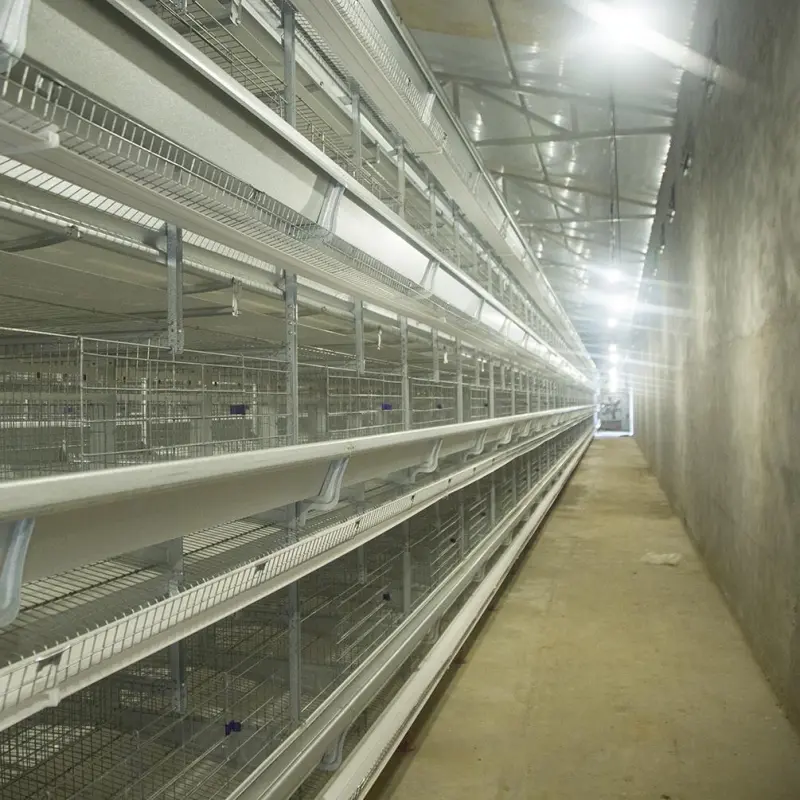
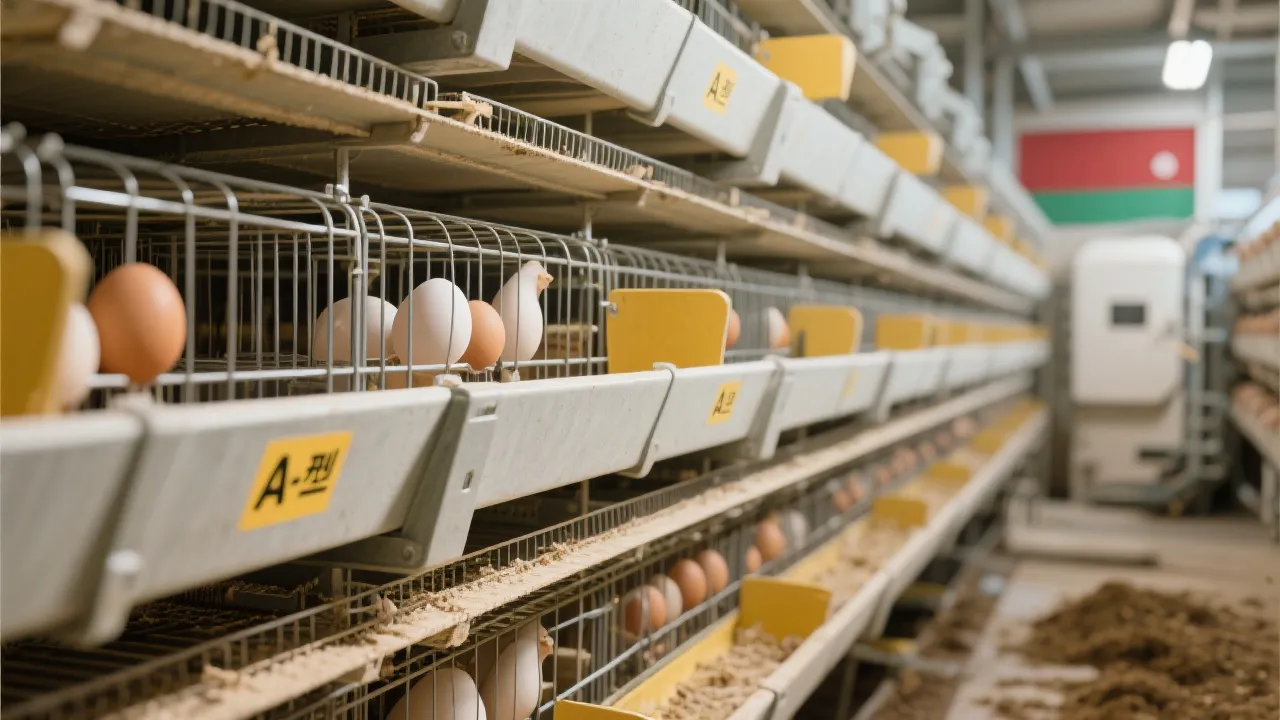
You’ve invested in high-quality H-shaped chicken cages made from Q235 steel — but after just 12–18 months, you’re seeing rust spots, mechanical jams, and unexpected downtime. Sound familiar?
According to a 2023 survey by PoultryTech Global, over 68% of egg farms in humid climates report increased maintenance costs due to premature corrosion on metal poultry equipment. The good news? You don’t need to replace your entire system — just apply the right protective layering strategy.
The Secret Behind Long-Lasting Egg Cage Durability: Dual Coating Technology
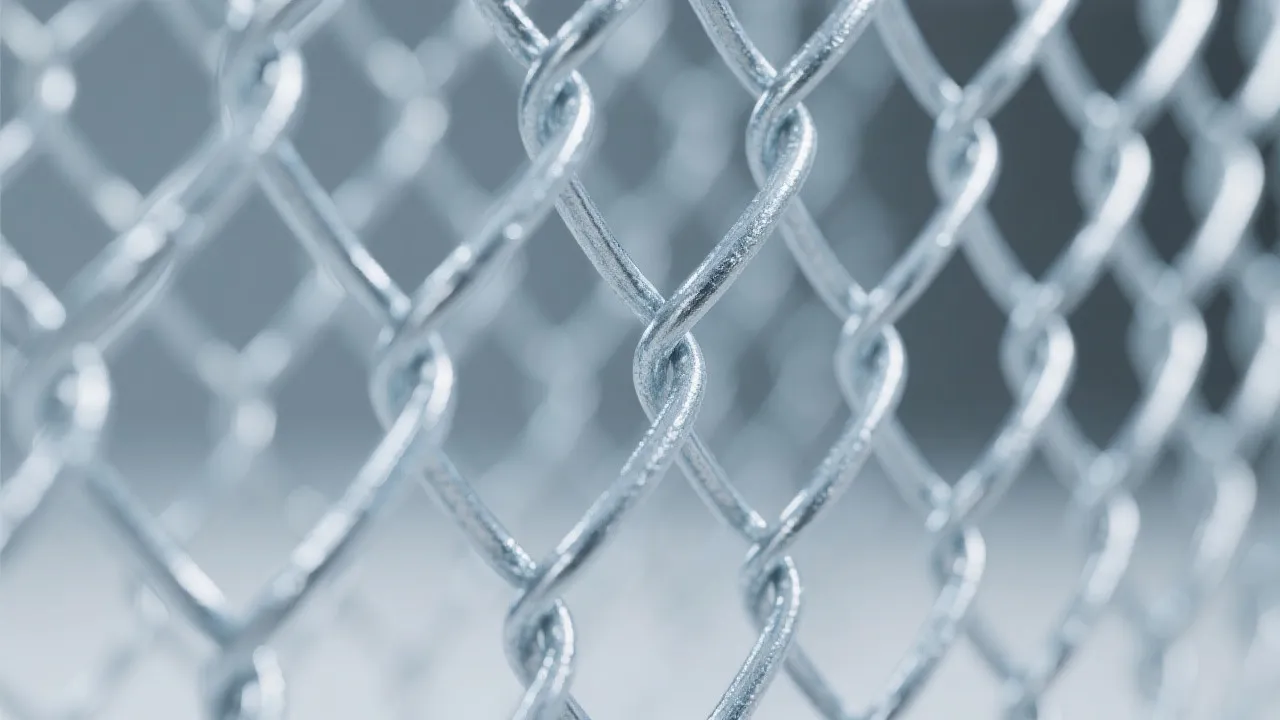
Hot-dip galvanizing + aluminum-zinc alloy coating isn't just marketing fluff — it’s a proven two-tier defense:
- Galvanized Layer (Zn): Forms a sacrificial barrier that protects the base steel even if scratched — lasts up to 15 years in moderate conditions.
- Al-Zn Alloy Topcoat (55% Al, 43.5% Zn, 1.5% Si): Adds oxidation resistance, especially in humid or saline environments like coastal farms. This combo can extend cage life by up to 3x compared to zinc-only treatment.
Real-world data from a 1,200-bird farm in Thailand shows this dual-coat method reduced annual repair costs by $1,200 per cage line — not including labor savings from fewer breakdowns.
Maintenance That Actually Works: A Seasonal Lubrication Plan
Don’t wait for squeaky hinges or stiff rollers to act. Here's a simple schedule based on climate and usage:
| Season | Lubrication Frequency | Recommended Oil Type |
|---|---|---|
| Spring / Fall | Every 2 weeks | Synthetic gear oil (ISO VG 68) |
| Summer | Weekly | High-temp grease (NLGI #2) |
| Winter | Bi-weekly | Low-temperature grease (–30°C rated) |
Pro tip: Use a checklist app like Google Sheets or Trello to track each cage line’s last service date — no more guesswork.
Avoid These 3 Common Mistakes That Accelerate Wear
- Skipping daily visual checks: Just 5 minutes a day can prevent major failures. Look for loose bolts, bent rails, or wet areas near feeders.
- Using water pressure instead of manual cleaning: High-pressure washers damage coatings — use soft brushes and neutral pH cleaners only.
- Ignoring feces buildup: Accumulated waste increases humidity inside cages, speeding up corrosion. Clean every 7 days minimum.
Your chickens deserve better than rusted cages. By applying these science-backed practices, you’ll see fewer breakdowns, lower labor hours, and a longer return on investment — all without replacing your existing setup.
Got questions about how this works in your specific environment? Share your story below — we’ll help tailor a plan for your farm!
Ready to Boost Your Cage Lifespan by 2x?
Explore our premium H-frame chicken cages with dual-layer anti-rust coating — engineered for durability, designed for efficiency.
Get Yours Now — Free Technical Support Included




Hot Products

.jpg?x-oss-process=image/resize,m_fill,h_800,w_800/format,webp)


Popular articles




READY TO START?
Ready to Build Your Poultry Farm?
Tell us your land size, poultry type and farming capacity. LIVI will provide a complete farm solution for your project.