


H-Type Stacked Chicken Cage Design for Efficient Large-Scale Egg Production | Smart Poultry Solutions

H-Type Layered Chicken Cages: A Game-Changer for Large-Scale Egg Production Efficiency
For modern poultry farms aiming to scale sustainably, the H-type layered chicken cage system is no longer a luxury—it's a strategic necessity. With global egg demand rising by over 4% annually (FAO, 2023), efficient space utilization and automation are critical to staying competitive.
Space Optimization Meets Operational Flow
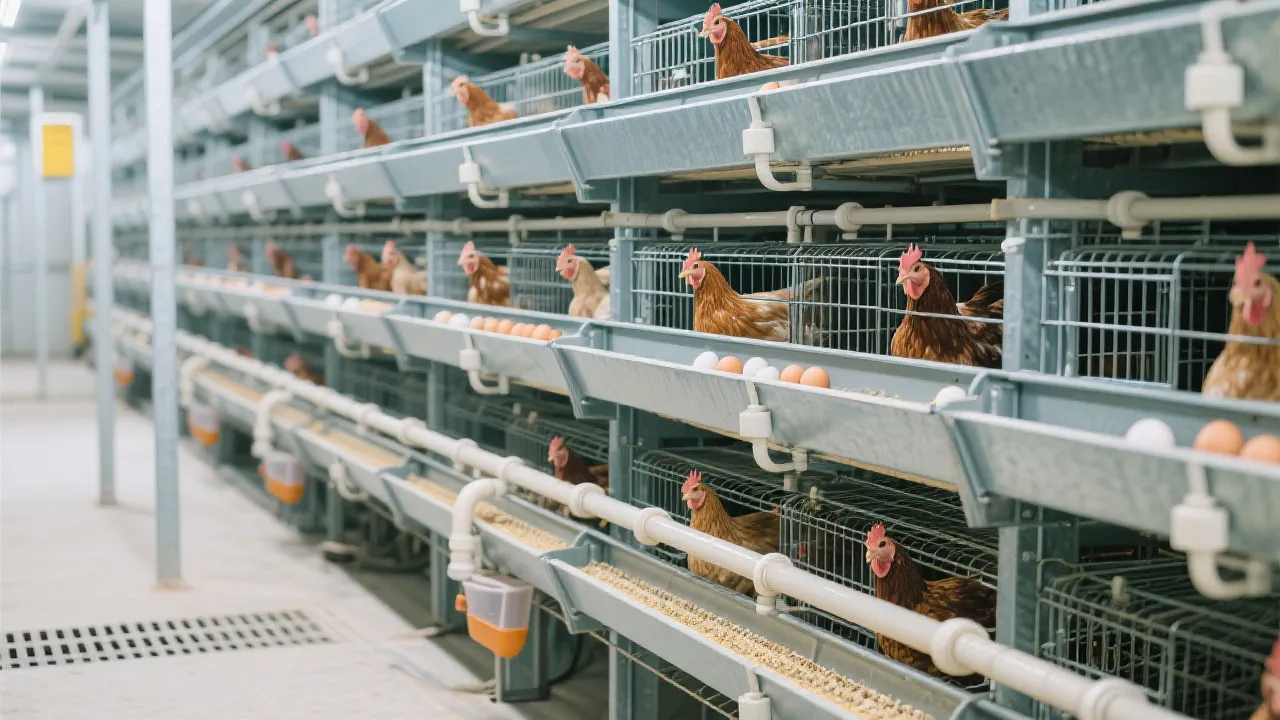
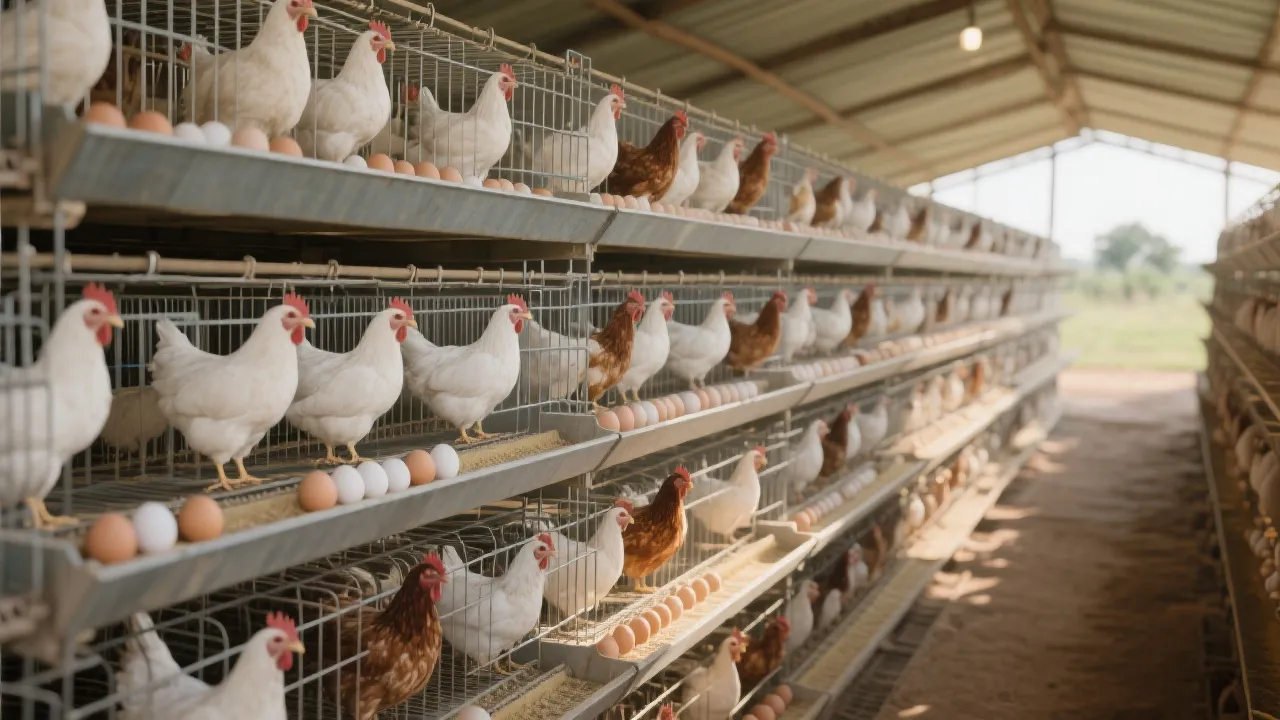
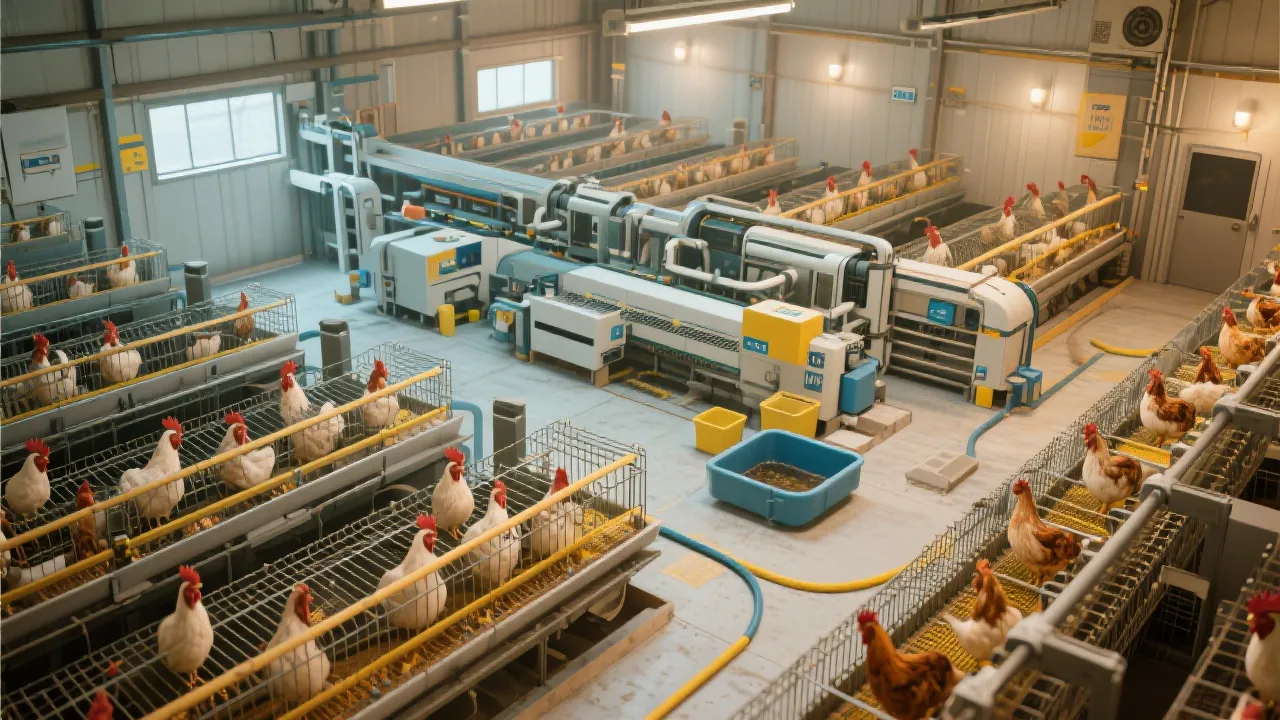
The H-shaped design maximizes vertical space while minimizing walking paths for farm staff. Unlike traditional single-tier systems, where workers must traverse long aisles to feed or collect eggs, the H-type structure reduces travel distance by up to 35%. This translates directly into labor savings—our client in Iowa reported a 28% reduction in daily man-hours after switching to this configuration.
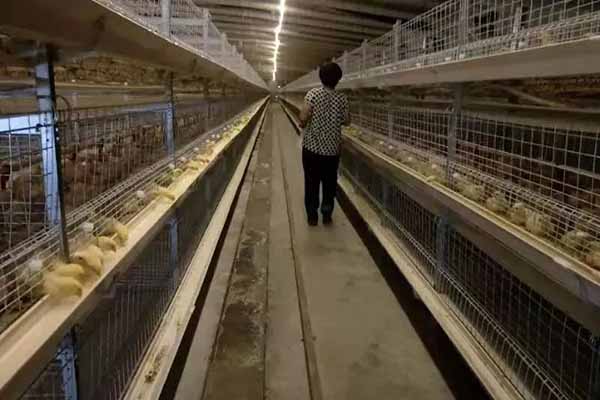
Automated Feeding & Egg Collection: Less Labor, More Output
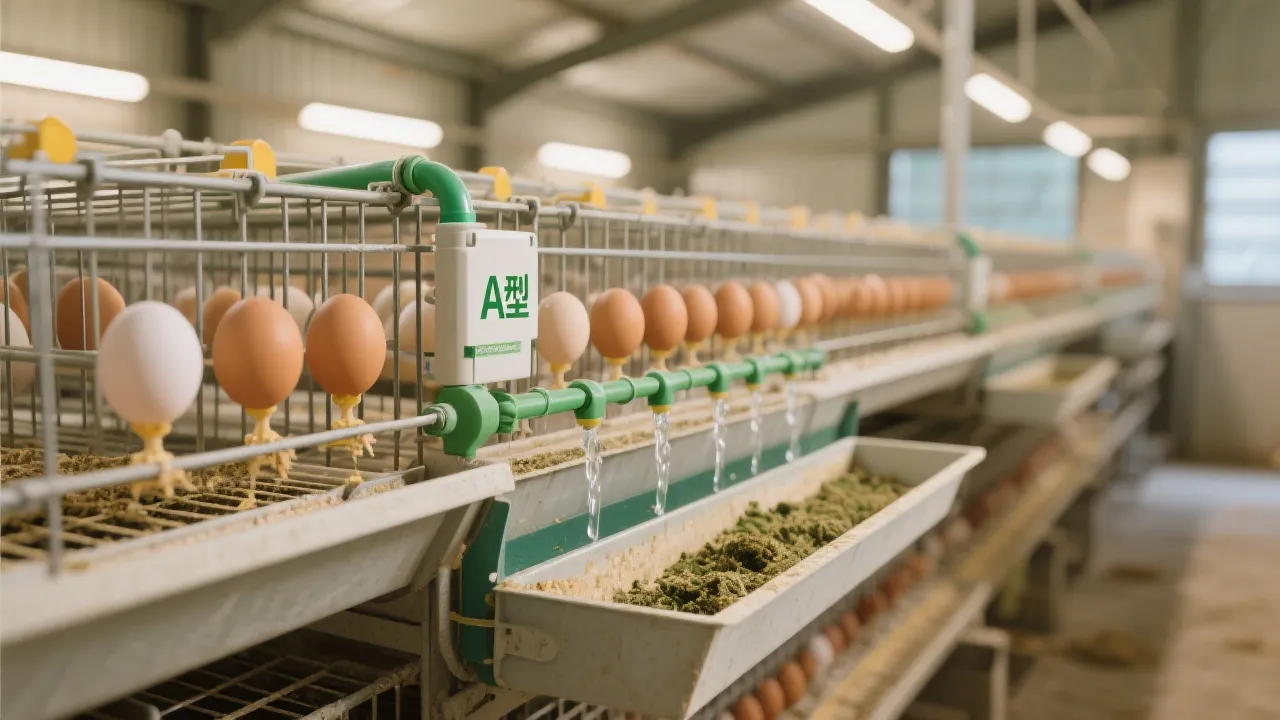
Integrated automated feeders and conveyor-based egg collection systems reduce manual intervention from 4–5 times per day to just once—cutting labor costs by an average of 30%. In one case study from Brazil, a 12,000-bird operation saw its daily egg yield increase from 8,700 to 10,200 eggs within three months post-installation, primarily due to consistent feeding schedules and reduced stress on hens.
Smart Waste Management = Healthier Birds, Lower Maintenance
A key advantage often overlooked is the integrated fecal removal mechanism. By using gravity-assisted slats and timed cleaning cycles, the system maintains hygiene without chemical disinfection. Farms report fewer disease outbreaks—up to 40% lower incidence of coccidiosis—and extended cage lifespan thanks to minimal corrosion from waste buildup.
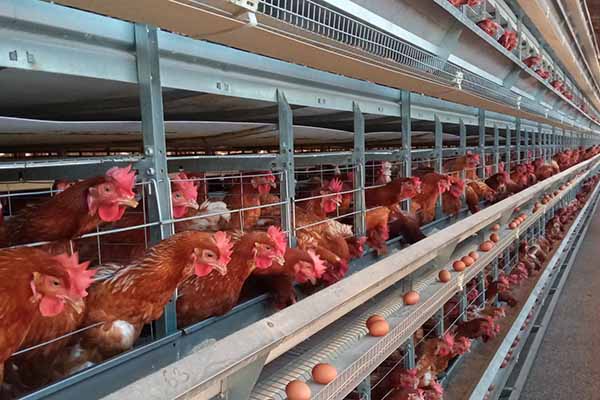
Certified Reliability: Why ISO9001 & CE Matter
Choosing equipment with ISO9001 certification ensures consistent quality control across production batches. CE marking confirms compliance with EU safety standards—a crucial factor when exporting or partnering with international agri-tech firms. These certifications aren’t just paperwork—they’re proof points that reduce downtime, improve ROI, and build buyer confidence.
The Future Is Smart Farming—Are You Ready?
As AI-driven monitoring, IoT sensors, and climate control integrate seamlessly with H-type cages, the next generation of poultry farming will prioritize data-driven decisions over guesswork. Early adopters are already seeing returns on investment in under 18 months—not just through cost savings, but also improved hen welfare metrics like feed conversion ratio (FCR) and mortality rates.
Ready to Transform Your Farm’s Efficiency?
Get your personalized technical consultation—no obligation, just actionable insights.
Schedule Free Technical Consultation



Popular articles




READY TO START?
Ready to Build Your Poultry Farm?
Tell us your land size, poultry type and farming capacity. LIVI will provide a complete farm solution for your project.