


Boost Egg Production Density with H-Type Multi-Tier Cages in Large-Scale Layer Farms | Proven Solutions for Poultry Efficiency

Unlocking Double Egg Production per Square Meter: From Traditional Single-Layer to H-Type Multi-Layer Poultry Cages
For large-scale egg farms with flocks exceeding 50,000 hens, optimizing production per unit area is no longer a luxury — it’s a necessity. Traditional single-layer cages have served the industry for decades but often fall short in space utilization, labor efficiency, and climate adaptability, especially under challenging environments such as the hot, humid conditions common in many African regions.
Key Challenges Faced by Large-Scale Egg Producers
Managing vast poultry populations (ranging typically from 5,000 to 30,000+ hens per compartment) comes with obstacles that impact profitability:
- Suboptimal use of barn space leads to wasted capital on infrastructure.
- High manual labor demand for feeding, cleaning, and egg collection escalates operational costs.
- Poor ventilation and temperature control increase hen stress, reducing egg yield.
Why Switch to H-Type Multi-Layer Poultry Cages?
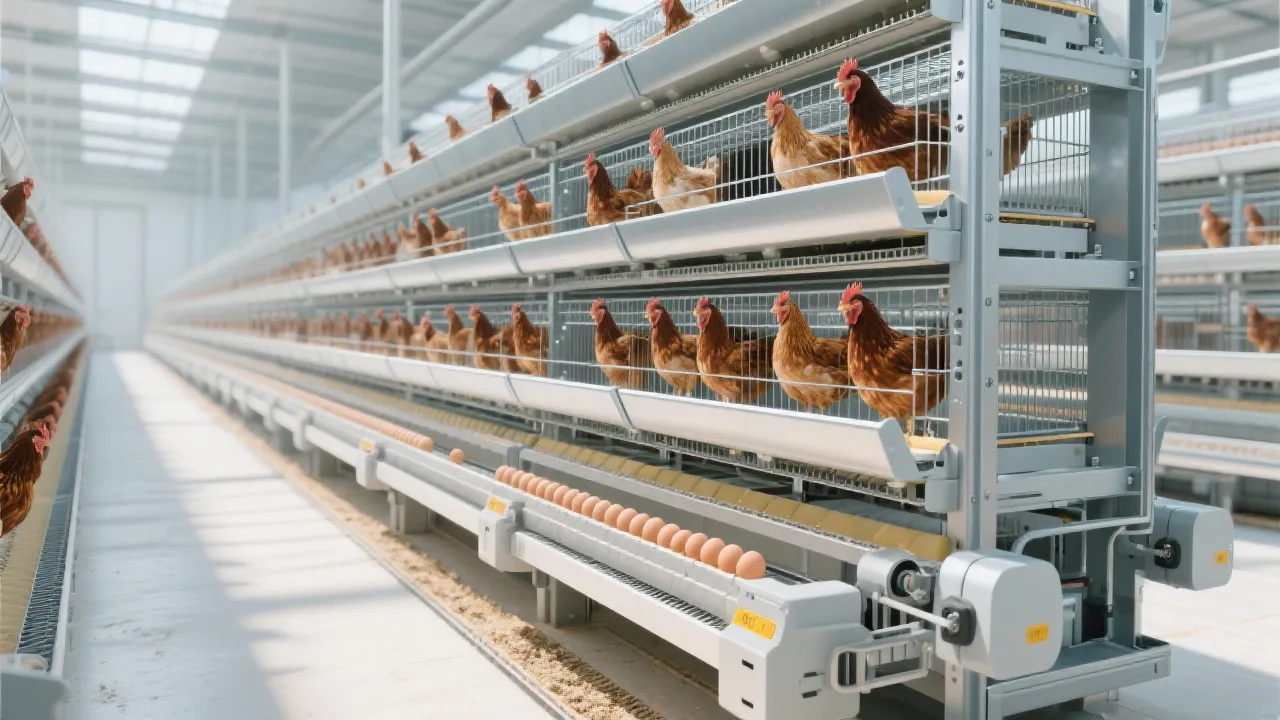
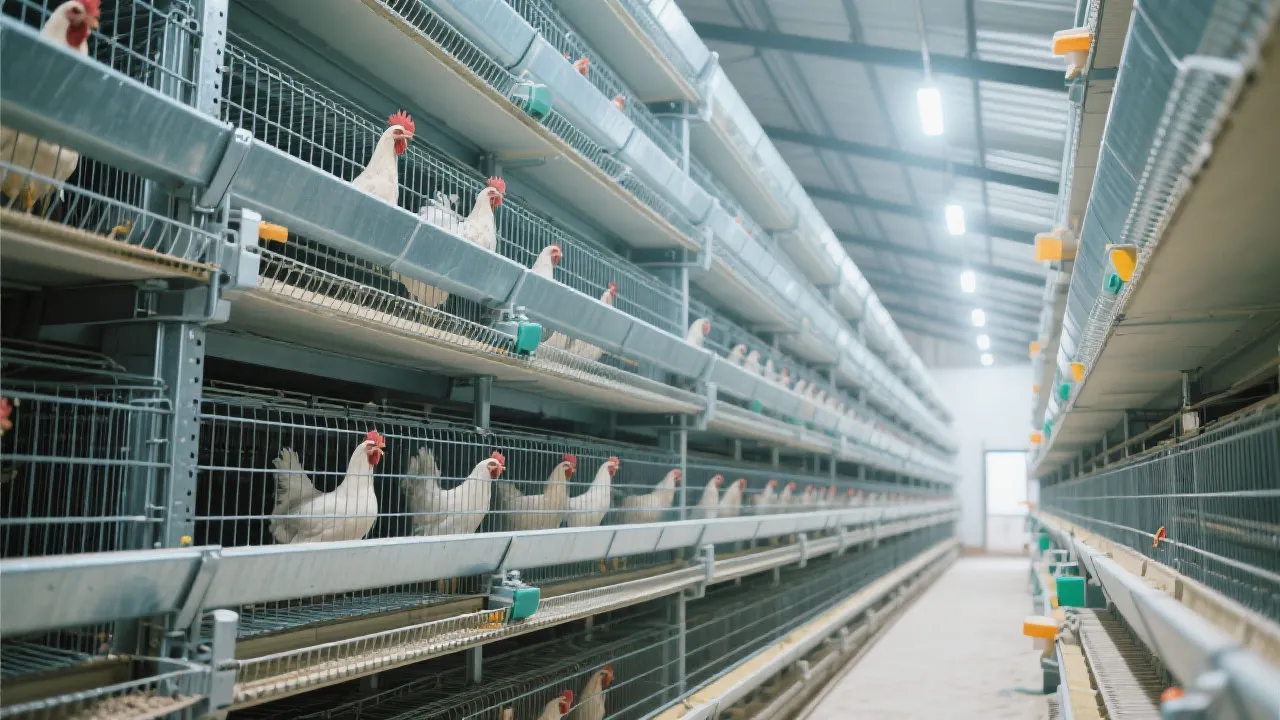
The innovative H-type multi-layer chicken cage structure transforms these pain points into competitive advantages by stacking hens vertically in a stable, space-efficient design. Here’s how it compares to conventional single-layer or ordinary multi-layer designs:
| Feature | Single-Layer Cage | Ordinary Multi-Layer Cage | H-Type Multi-Layer Cage |
|---|---|---|---|
| Space Utilization | Low | Moderate | High (Up to 2x per area) |
| Ventilation Efficiency | Poor, heat buildup common | Improved, but uneven airflow | Optimized airflow, reduced heat stress |
| Automated Manure Removal | Manual, labor-intensive | Partial automation | Fully integrated, reduces labor by ~30% |
| Durability & Certification | Varies | Standard | ISO9001/CE certified, >7 years lifespan |
Data derived from operational case studies in African poultry farms with 50,000+ hens.
Maximizing Efficiency Through Core Dimensions
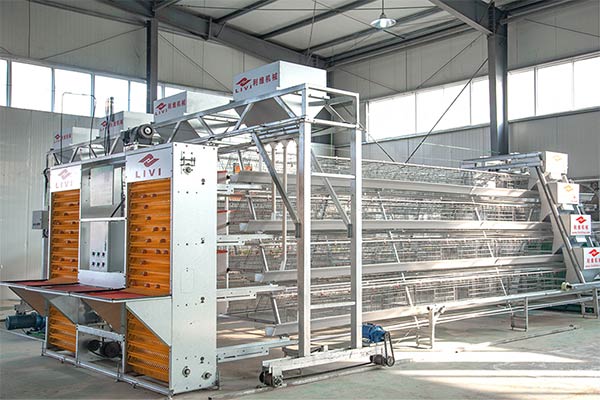
Vertical stacking exploits barn height, doubling stocking density without compromising hen welfare, allowing you to house up to 30,000 hens per standard 500 sqm unit — a remarkable 100% increase over single-layer cages.
2. Temperature and Ventilation Control
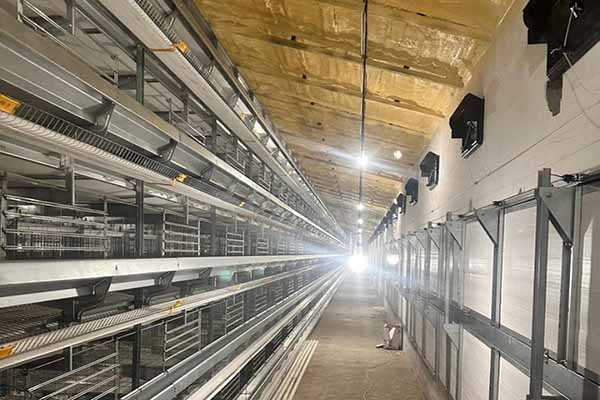
The H-shaped structure enhances airflow pathways and heat dissipation, crucial for maintaining hen productivity in Africa’s high temperature and humidity conditions, cutting heat stress-related egg drop rates by approximately 15%.
3. Automated Manure Management
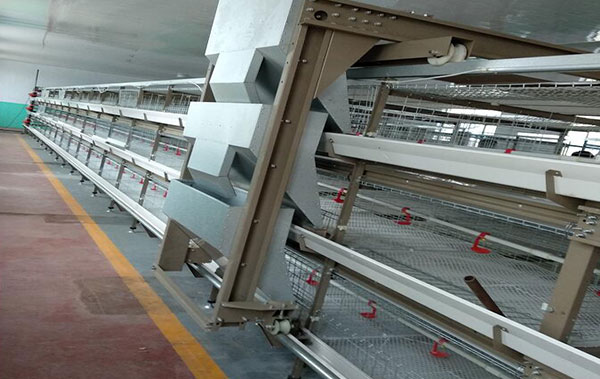
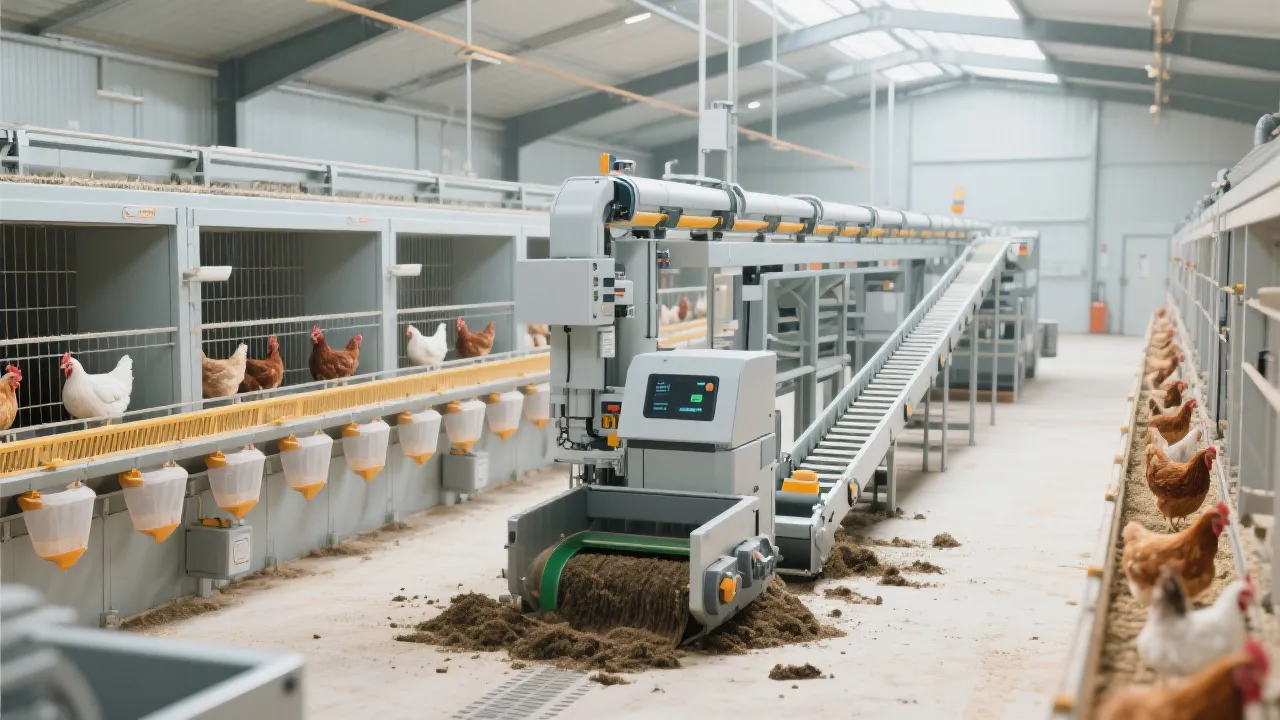
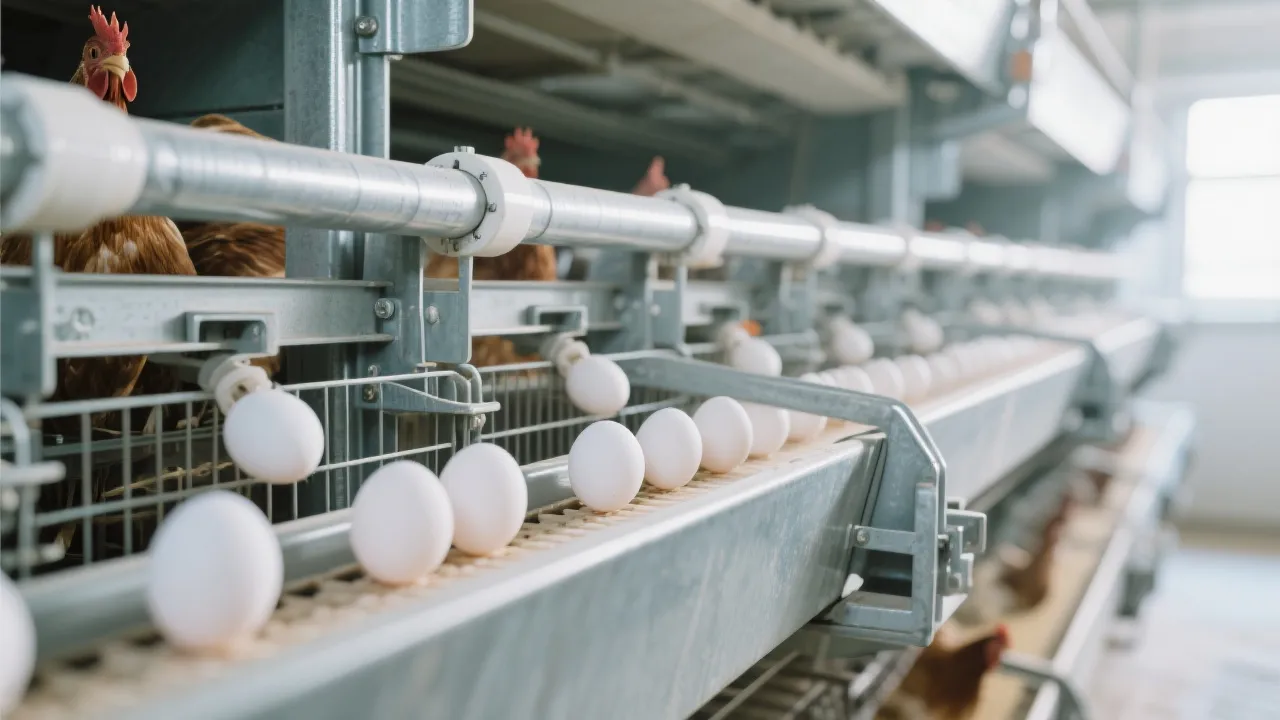
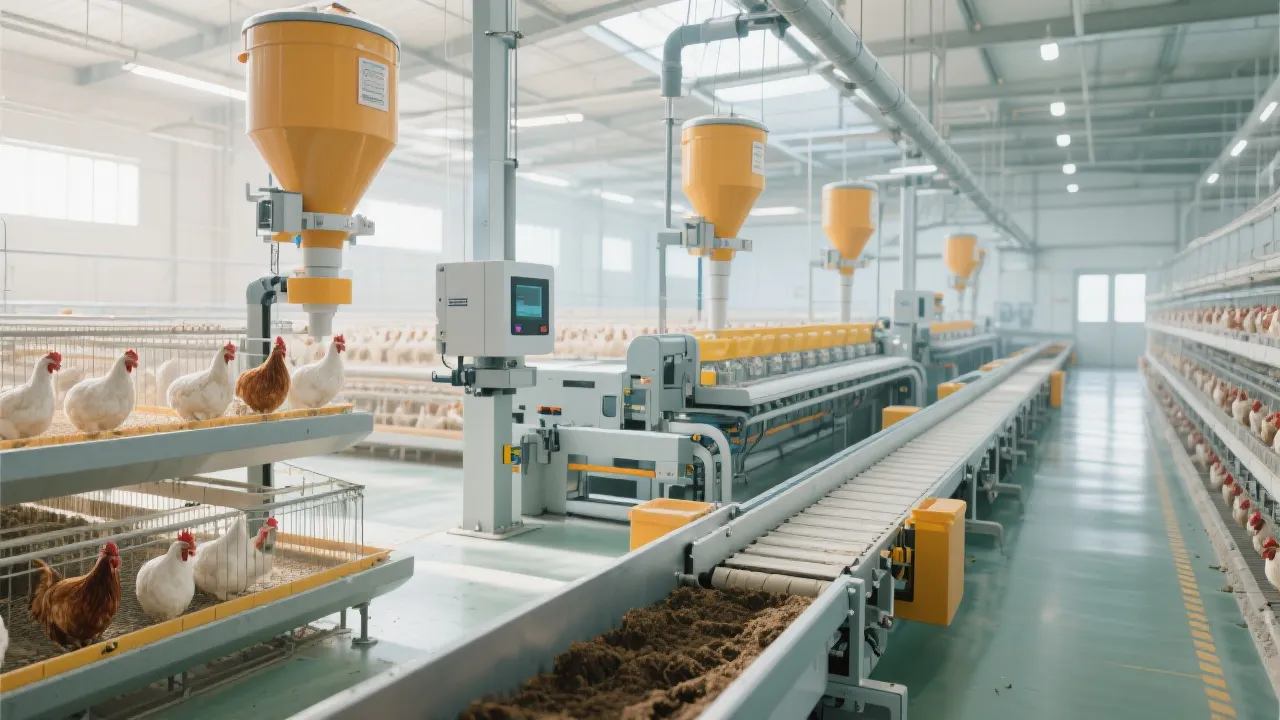
Integrated conveyor belts and collection trays automate feces removal, reducing manual cleaning time by about 30%, lowering labor costs and disease risk.
4. Durability and Certification Assurance
Manufactured under stringent ISO9001 and CE standards, these cages certify durability and safety, with service lifespans exceeding seven years — offering long-term investment confidence.
Adaptation to African Climate: Practical Selection and Operational Tips
When deploying H-type multi-layer cages in hot, humid African climates, consider these best practices to ensure sustainability and peak performance:
- Monitor microclimate: Use simple temperature and humidity measurement devices to track cage conditions daily; aim for 65%-75% humidity and 18-24°C temperature range.
- Optimize ventilation fans: Position exhaust fans strategically atop barns to complement the cage airflow design.
- Routine maintenance: Inspect conveyor belts and corrosion-proof coatings bi-monthly to sustain automation and durability.
- Training personnel: Equip your team with operational knowledge specific to automated manure systems and multi-layer cage management.
A Clear 3-Step Decision Framework for Cage Selection
To simplify your investment decision, the following process has demonstrated success in farms ranging from 5,000 to 30,000 hen capacity:
- Assess your barn structural dimensions and hen density targets; confirm vertical clearance and floor load capabilities.
- Compare airflow and temperature control requirements versus local climate data; simulate ventilation efficiency.
- Engage with technical experts for onsite inspection and custom configuration aligned with ISO9001/CE standards.
This systematic approach mitigates the risks of costly trial and error, equipping you with a technical strategy supported by industry compliance and operational evidence.





Hot Products

.jpg?x-oss-process=image/resize,m_fill,h_800,w_800/format,webp)


Popular articles



READY TO START?
Ready to Build Your Poultry Farm?
Tell us your land size, poultry type and farming capacity. LIVI will provide a complete farm solution for your project.