


In - depth Analysis of H - type Laying Hen Cage Structure Design: Key Technologies for Improving Space Utilization and Farming Efficiency
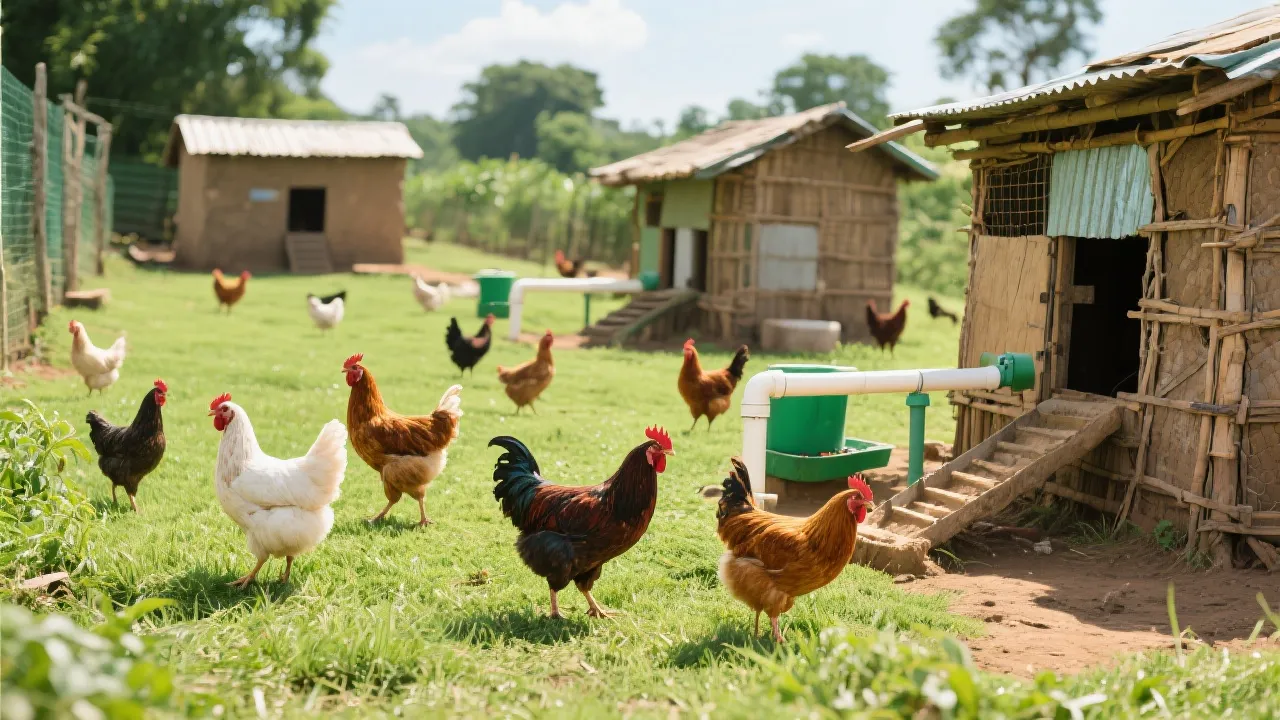
In - Depth Analysis of the Structural Design of H - Type Laying Hen Cages: Key Technologies for Improving Space Utilization and Farming Efficiency
In the realm of modern poultry farming, the choice of laying hen cages significantly influences the overall efficiency and profitability of the operation. The H - type laying hen cage has emerged as a game - changer, revolutionizing the way farmers approach space management and chicken rearing.
The Concept of H - Type Structure and Its Breakthrough Advantages in Space Utilization
The H - type structure design of the laying hen cage is based on the principles of vertical stacking and modular layout. By implementing this innovative approach, the cage can increase the stocking density per unit area by 20% - 30% compared to traditional flat cages. This remarkable improvement not only maximizes the use of limited land resources but also substantially reduces the land occupation cost for farmers.
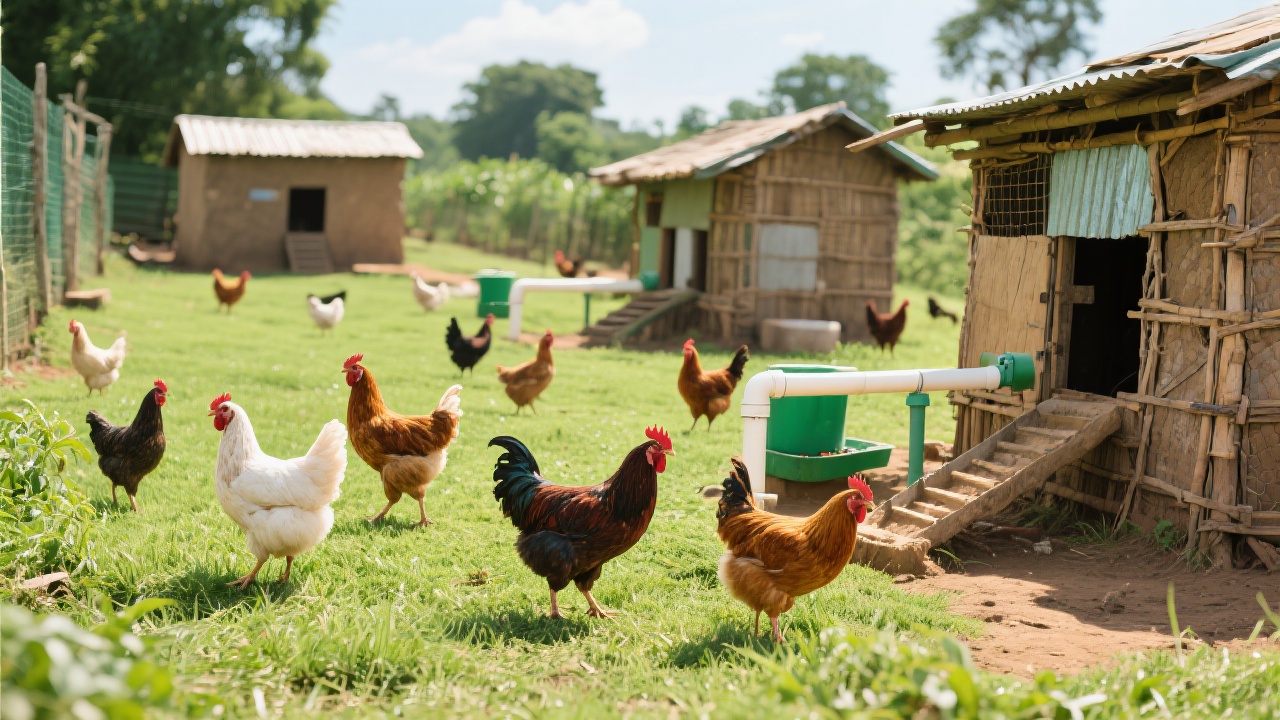
A Comparative Analysis with Traditional Flat Cages
When comparing traditional flat cages with H - type cages, the difference in efficiency and cost - saving is evident. Traditional flat cages often require a large floor area, leading to high operating costs and low space utilization. In contrast, H - type cages can house more chickens in the same space, resulting in better economic benefits. For example, in a study of several medium - sized farms, the average cost per chicken in H - type cage systems was reduced by approximately 15% due to lower land and infrastructure costs.
It is recommended to create a comparison table here, showing the differences in space utilization, cost, and stocking density between traditional flat cages and H - type cages.
Real - world Application Scenarios in Farms
H - type laying hen cages are suitable for farms of various sizes, ranging from small - scale farms with 5000 chickens to large - scale ones with 30,000 chickens. For small - scale farms, a simple and compact H - type cage configuration can effectively increase the raising capacity without significantly expanding the farm area. In large - scale farms, the modular design of H - type cages allows for easy expansion and flexible adjustment according to the actual situation of the chicken population.
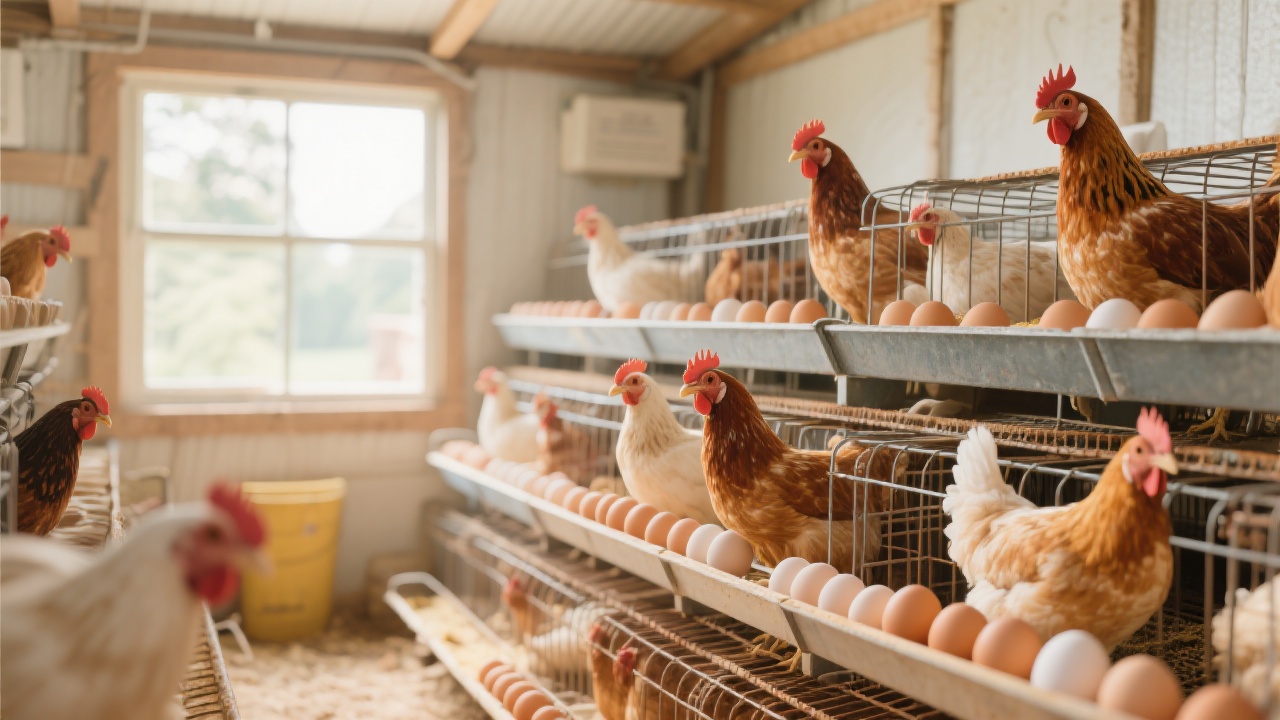
Adaptability to Automated Equipment
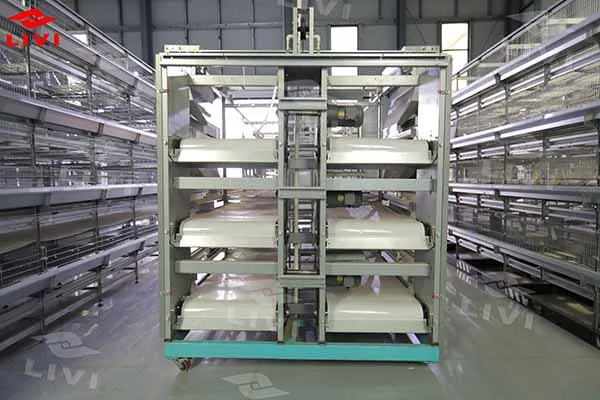
One of the most prominent features of H - type laying hen cages is their excellent adaptability to automated equipment. The structure of the cage is designed to facilitate the installation of automatic feeding and manure cleaning systems. This not only reduces labor costs but also improves the accuracy and efficiency of feeding and cleaning. For instance, an automatic feeding system can ensure that each chicken receives the right amount of feed at the right time, while an automatic manure cleaning system can keep the cage environment clean and reduce the incidence of diseases.
Environmental Control and Chicken Health
Proper environmental control is crucial for the health and productivity of chickens. The H - type cage has a well - designed inter - layer ventilation system. By setting a reasonable layer spacing, it can improve air circulation, reduce heat stress, and prevent the spread of diseases. Research shows that in H - type cage systems, the incidence of respiratory diseases in chickens can be reduced by about 20% compared to traditional cage systems.
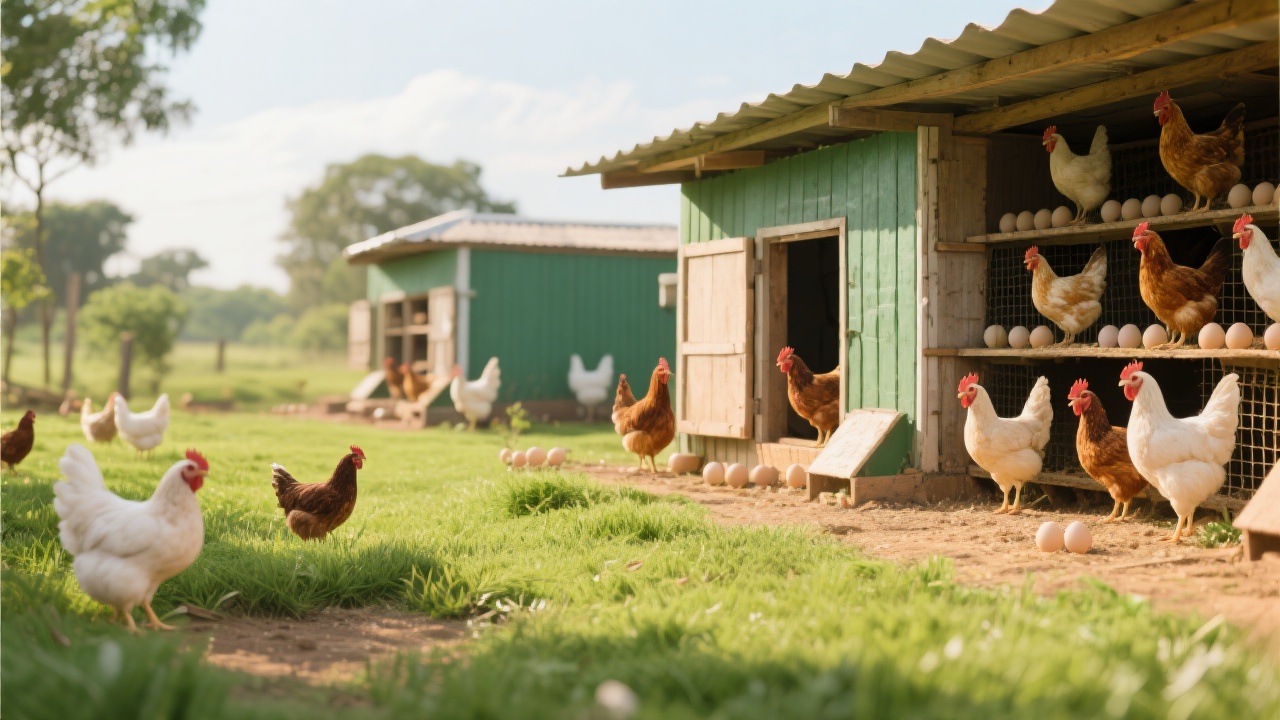
Practical Suggestions for Cage Selection
When choosing an H - type cage, farmers need to consider factors such as the site conditions and the number of chickens. For farms with limited space but a large number of chickens, a more vertically stacked H - type cage configuration may be the best choice. On the other hand, if the site has a large area but the chicken population is relatively small, a less dense configuration can be selected to ensure better comfort for the chickens.
Your farm may also be facing the problem of space constraints. Are you looking for a solution to improve space utilization and farming efficiency?



Hot Products

.jpg?x-oss-process=image/resize,m_fill,h_800,w_800/format,webp)


Popular articles





READY TO START?
Ready to Build Your Poultry Farm?
Tell us your land size, poultry type and farming capacity. LIVI will provide a complete farm solution for your project.