


Daily Maintenance Tips and Simple Inspection Methods for H-Type Layer Hen Cage Ventilation Systems

Optimizing Egg Production: Maintenance Tips & Simple Inspection Methods for H-Type Layer Cage Ventilation Systems
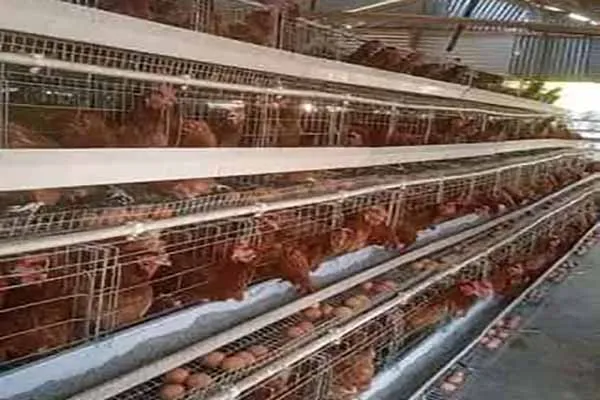
In commercial egg farming, maintaining stable temperature and air quality inside layer houses is paramount for maximizing egg production and ensuring flock health. Zhengzhou Livi Machinery’s H-type layer cage ventilation system integrates advanced airflow principles tailored to meet these critical environmental needs. This article explores how scientific airflow management, combined with durable aluminum-zinc alloy coatings, supports a heat stress-resistant environment, extending equipment lifespan and boosting layer productivity.
The Critical Role of Temperature and Air Quality in Egg Production
Studies demonstrate that egg-laying hens housed within an optimal temperature range of 18°C to 24°C show egg production rates up to 10-15% higher than those exposed to fluctuating or elevated temperatures. Moreover, poor ventilation leads to ammonia accumulation and humidity spikes, resulting in respiratory issues and decreased feed conversion efficiency. Industry data indicate that consistent air exchange reducing ammonia levels below 20 ppm correlates strongly with improved hen welfare and egg quality.
Innovative Design and Airflow Dynamics of the H-Type Layer Cage Ventilation System
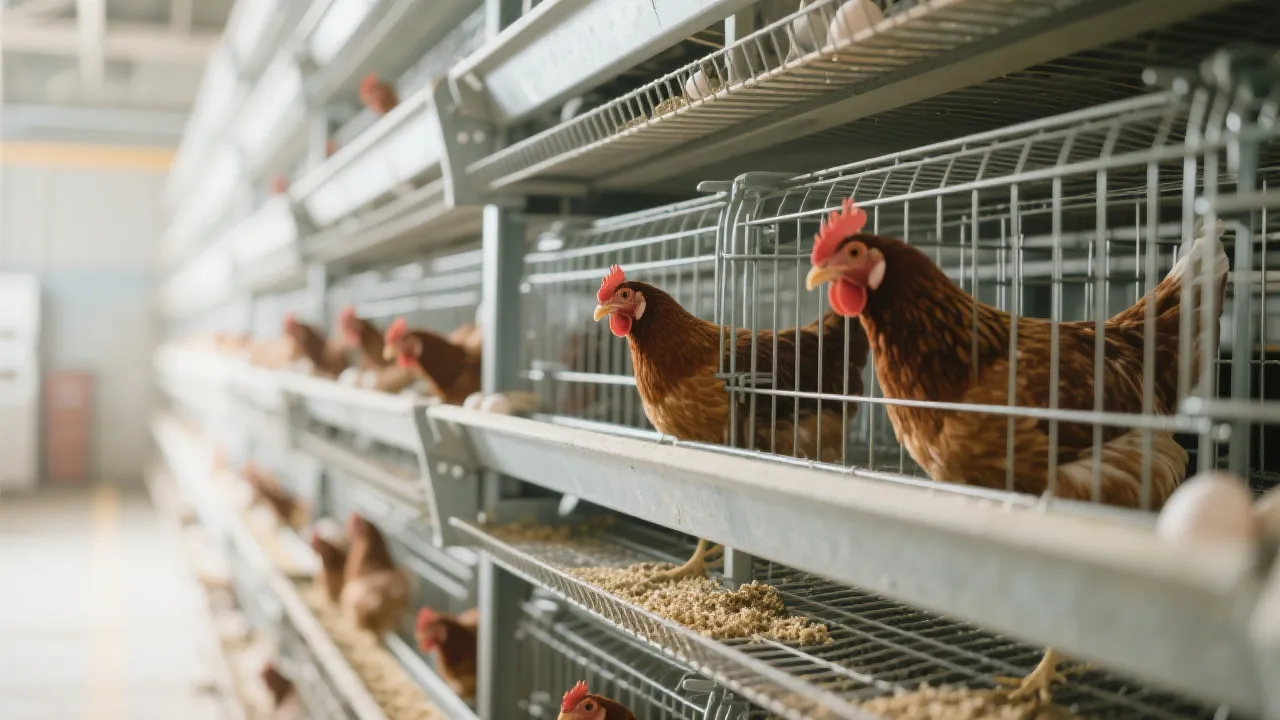
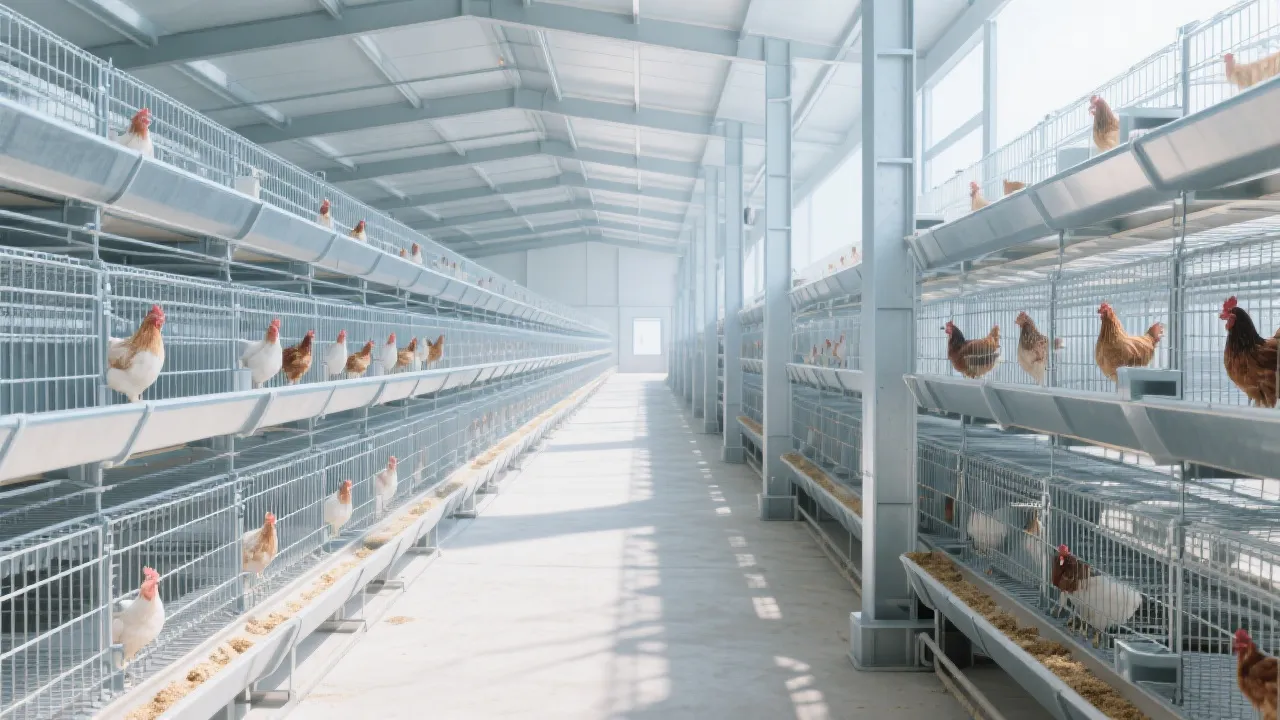
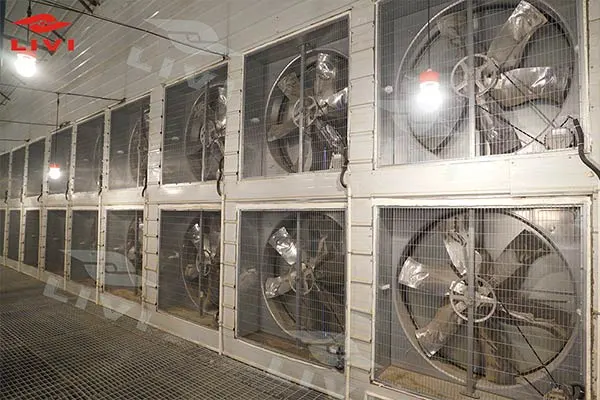
The H-type ventilation system adopts a dual-path airflow strategy: fresh air intake via perforations on the sidewalls, coupled with warm, stale air evacuation through roof-mounted exhausts. This configuration creates a steady laminar flow pattern that minimizes air stagnation zones and maintains uniform temperature distribution inside the shed. Computational fluid dynamics (CFD) simulations confirm a 30% improvement in airflow efficiency compared to conventional single-inlet designs.
Such a mechanism ensures hens experience balanced air circulation, efficiently removing excess heat and moisture—even during peak summer months—thereby mitigating risks of heat stress-induced drops in laying rates.
Durability Through Aluminum-Zinc Alloy Coating
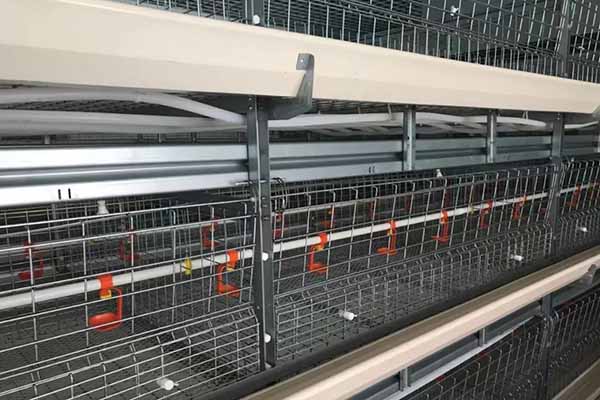
Given the humid and corrosive environment typical in layer houses, equipment longevity is a key concern. The application of an aluminum-zinc alloy (Al-Zn) coating on ventilation system components provides excellent corrosion resistance—demonstrated to reduce rust formation by over 60% compared to untreated steel after two years of operation in industrial-scale farms.
This protective layer not only extends service life but also lowers maintenance frequency and cost, ensuring continuous, reliable ventilation performance with minimal downtime.
Essential Daily Maintenance and Simplified Inspection Techniques
To sustain optimal operation, daily visual inspections should focus on checking air inlet screens for blockage by dust or feathers, verifying the integrity of fan blades, and ensuring exhaust vents remain unobstructed. Simple tools like airflow meters or smoke tests can effectively measure ventilation rates during routine checks.
Recommended maintenance steps include:
- Cleaning inlet and outlet vents every 7-10 days to avoid airflow restrictions.
- Lubricating fan motor bearings monthly for smooth operation.
- Monitoring system noise for early signs of mechanical wear.
Implementing these straightforward practices has shown in case studies to reduce ventilation failure incidents by approximately 40%, directly impacting flock performance.
Data-Driven Results from Industry Applications
Feedback from multiple commercial layer farms using the H-type ventilation system reflects:
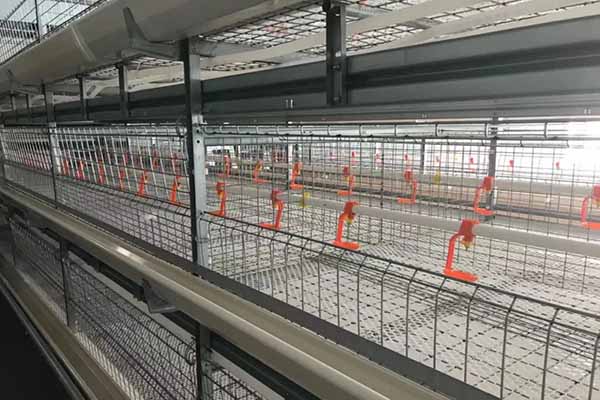
- Average increase of 8% in daily egg yield within the first 3 months post-installation.
- Reduction in heat stress-related mortality by 25% during summer periods.
- Lower maintenance costs by 15% thanks to the corrosion-resistant design.
These performance metrics are supported by longitudinal monitoring and underscore the critical impact of effective ventilation on commercial egg production profitability.

Enhance Your Layer House Efficiency Today
Discover comprehensive technical insights and customized support to maximize your egg production and animal welfare by exploring the full capabilities of our H-type layer cage ventilation technology.
Explore H-Type Ventilation Solutions & Consult Experts




Hot Products

.jpg?x-oss-process=image/resize,m_fill,h_800,w_800/format,webp)






READY TO START?
Ready to Build Your Poultry Farm?
Tell us your land size, poultry type and farming capacity. LIVI will provide a complete farm solution for your project.