


Optimize Poultry Farming with H-Type Layer Cage Automation to Reduce Labor Costs and Boost Egg Production
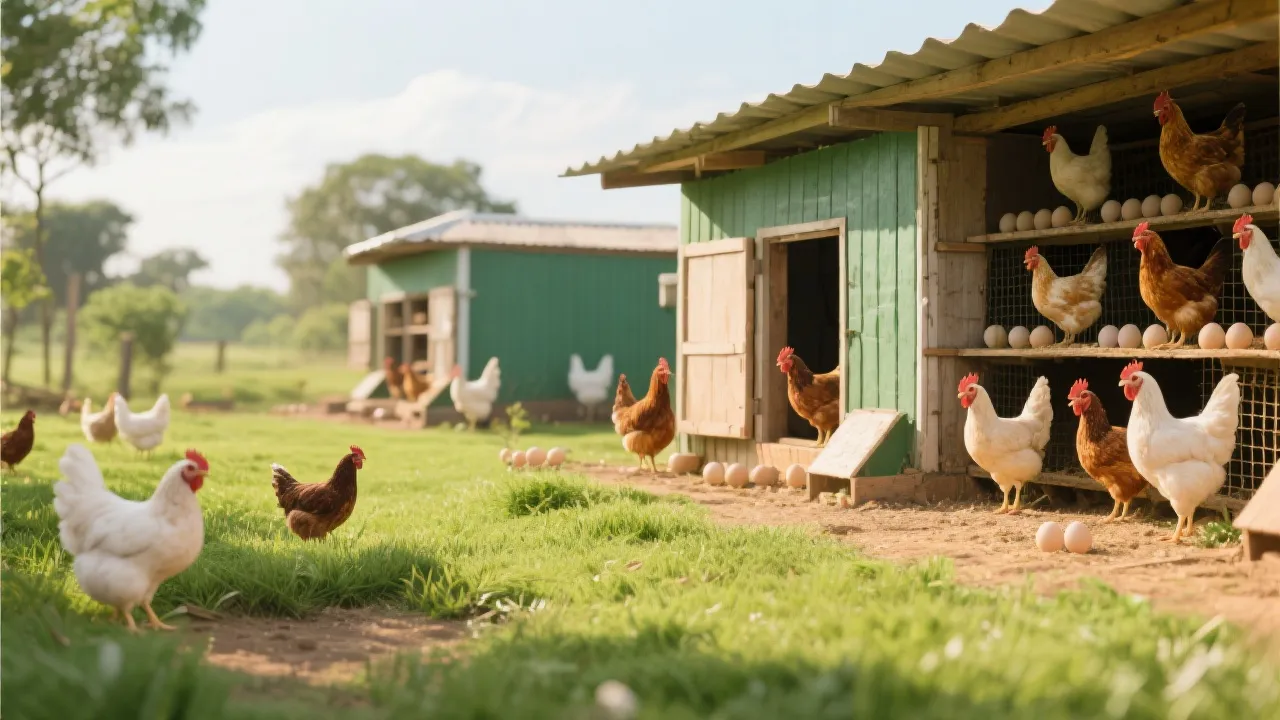
Revolutionizing Poultry Farming with the H-Type Automated Layer Cage System
In today’s competitive commercial poultry industry, reducing labor costs while maximizing egg production is paramount. Zhengzhou Livi Machinery Co., Ltd. offers a cutting-edge solution with its H-Type Layer Cage System — a meticulously engineered poultry housing system that integrates automation, durability, and intelligent environmental control. Designed specifically for modern layer farms, this system empowers producers to achieve higher efficiency and sustainable growth.
Innovative Design and Premium Materials for Longevity
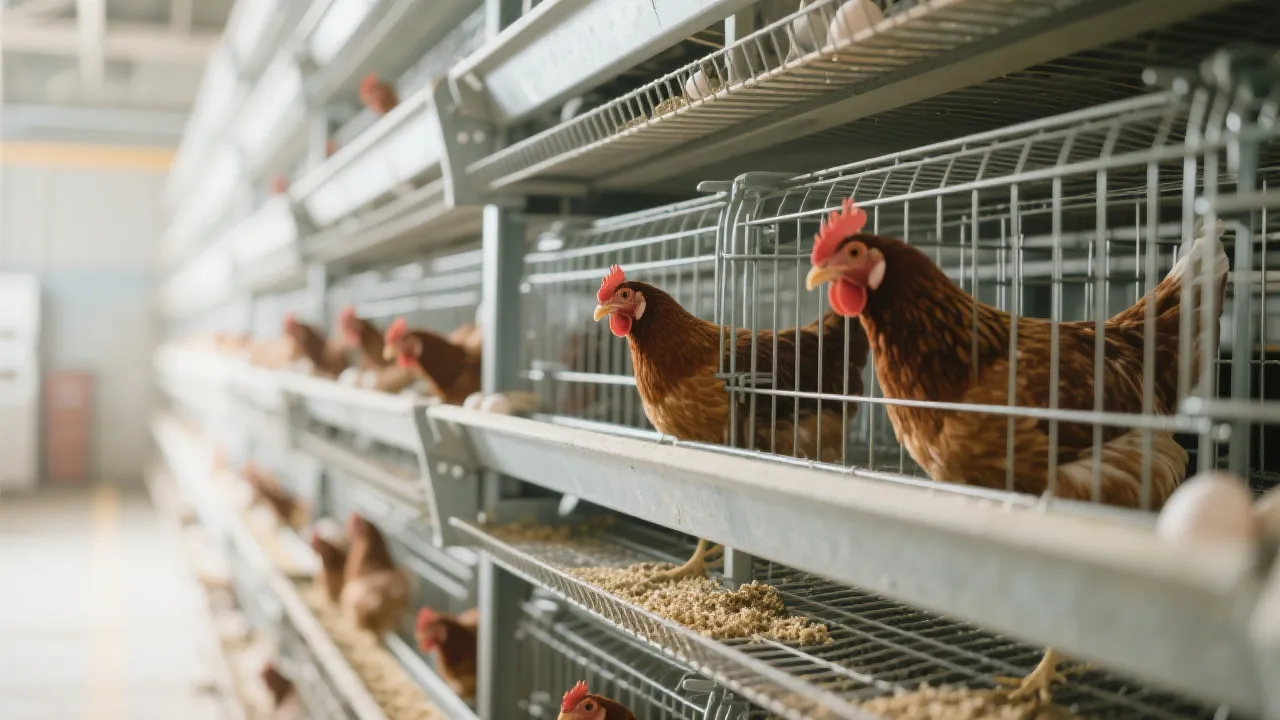
At the core of the H-Type Layer Cage is its smart structural design that maximizes space without compromising bird welfare. Constructed using high-quality Q235 steel, famed for its exceptional tensile strength and ductility, each cage undergoes rigorous anti-corrosion surface treatment. This extends equipment lifespan by over 30% compared to industry averages, effectively reducing long-term replacement and maintenance costs.
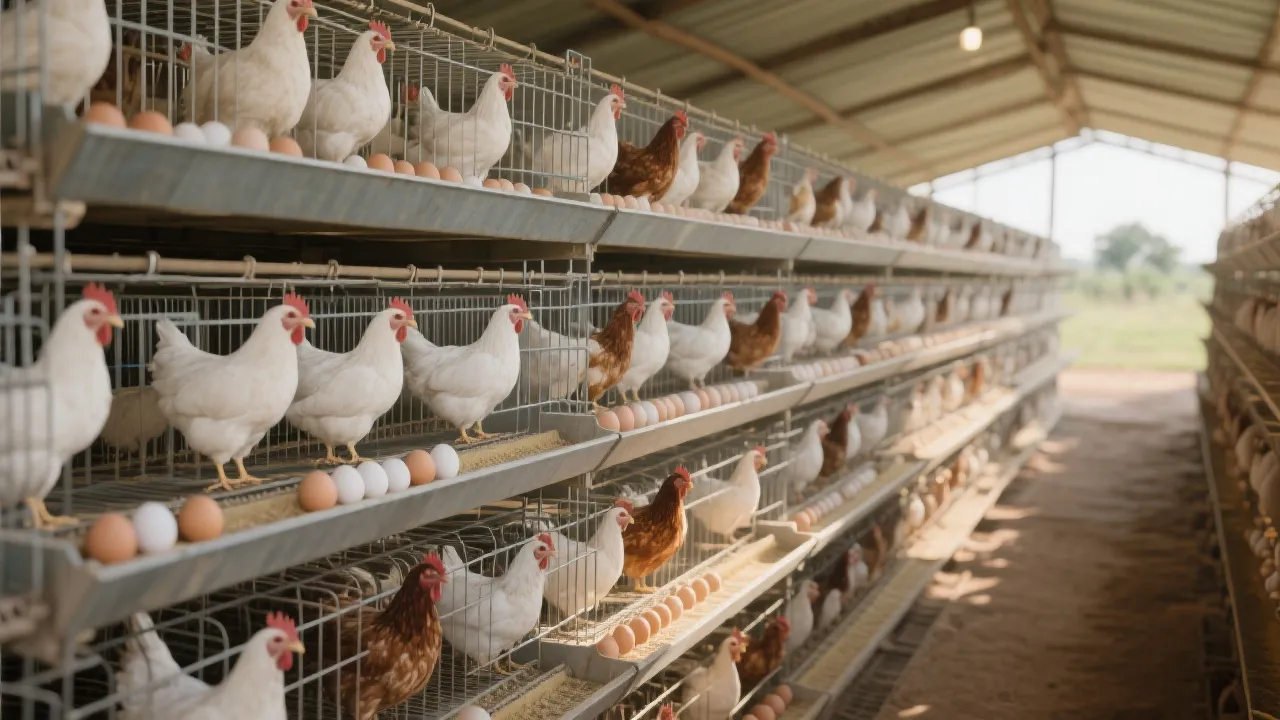
The modular H-shaped layout optimizes vertical stacking, enhancing space utilization by up to 40% compared to traditional single-level cages. This compact design not only increases stocking density but also simplifies farm logistics and monitoring.
Automation That Transforms Labor Efficiency and Productivity
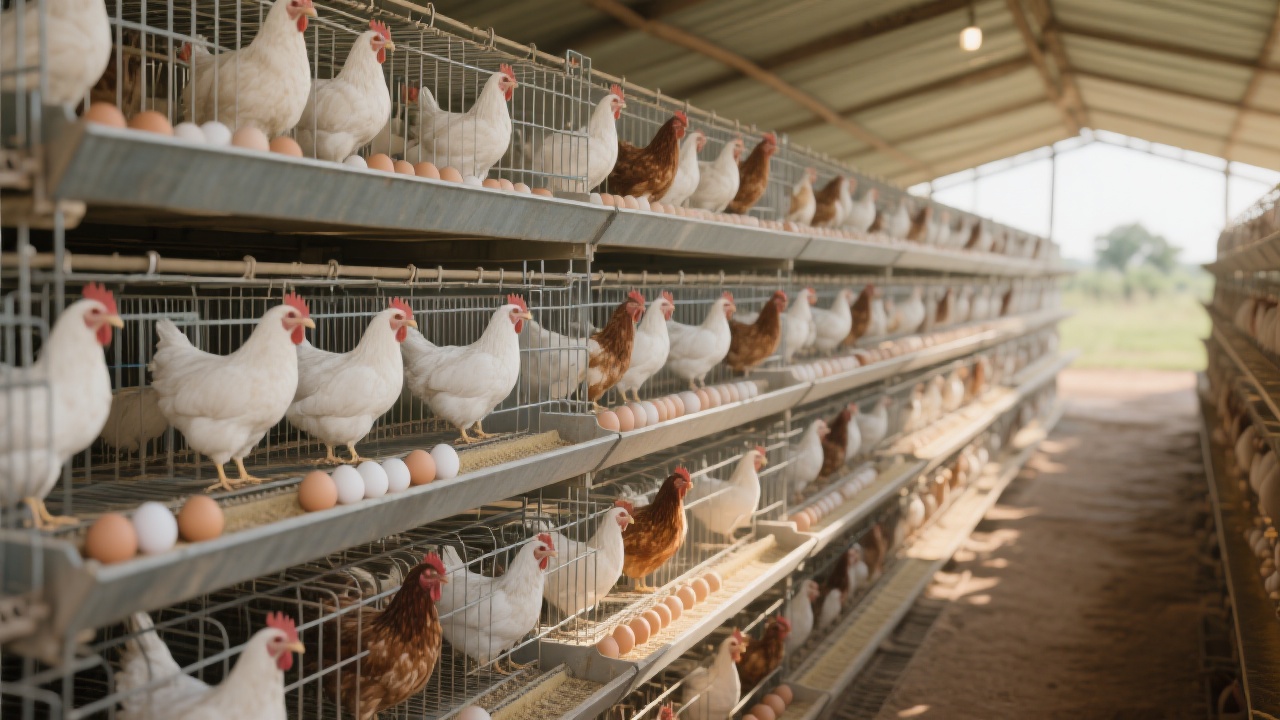
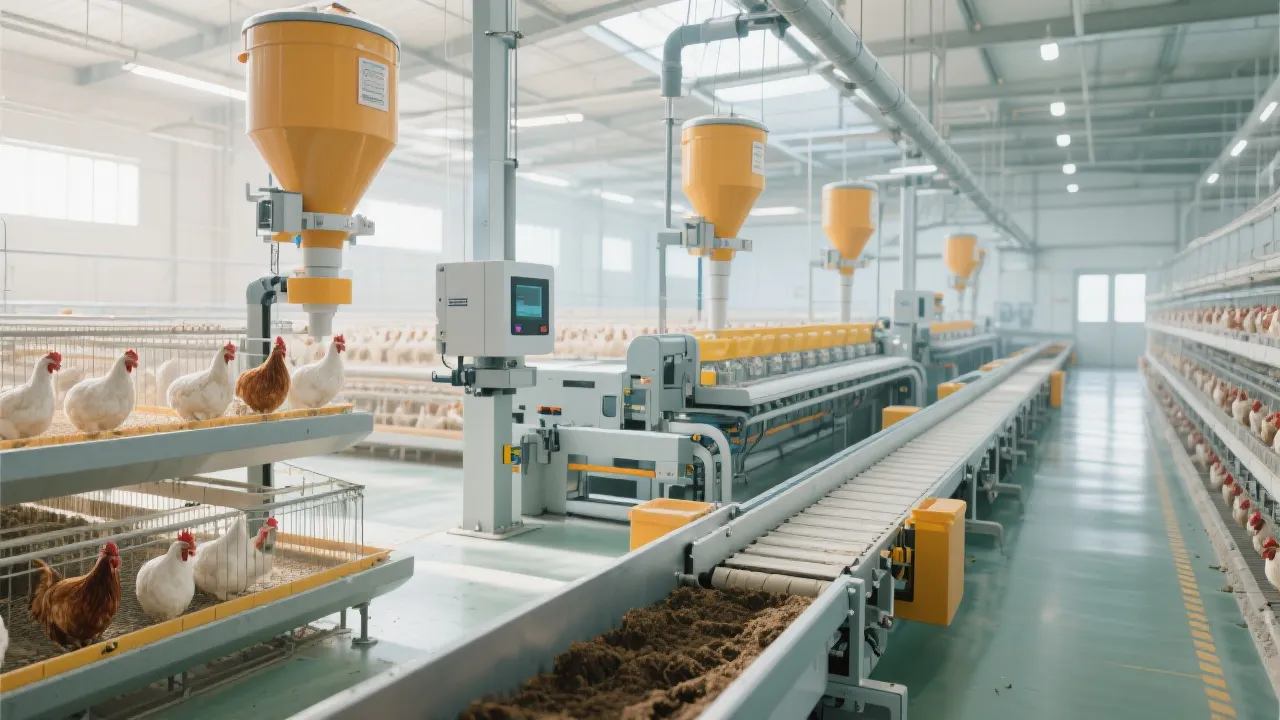
A hallmark of this system is its integrated automatic egg collection and manure removal mechanisms, engineered to streamline routine tasks drastically:
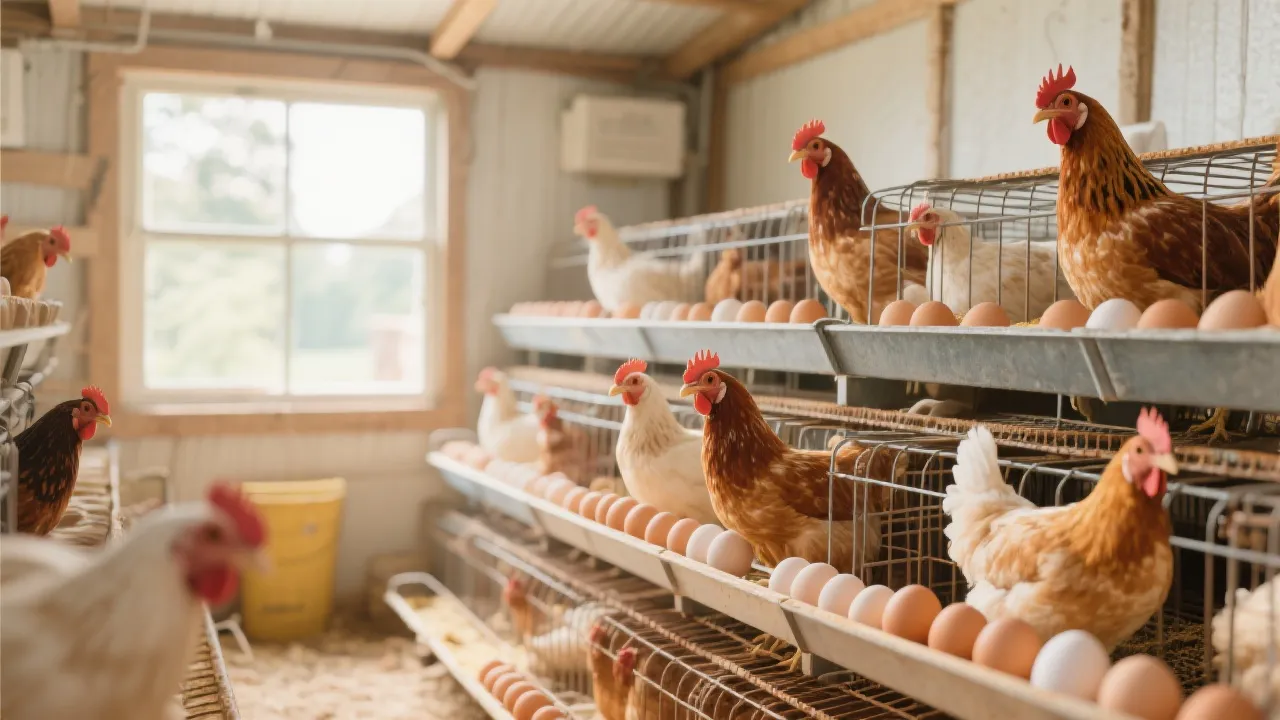
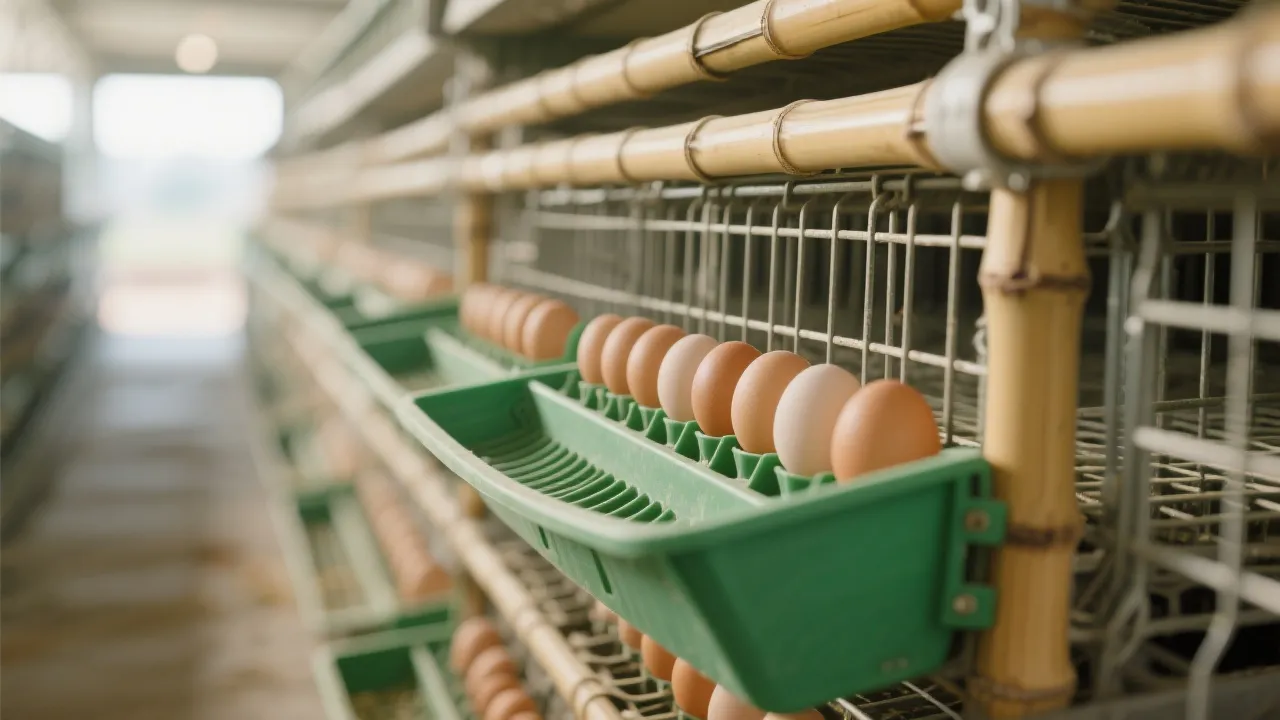
- Automated Egg Transport: Smooth-sloped trays with gentle conveyor belts transfer eggs from individual cages to centralized collection points. This reduces manual handling errors, breakage rates, and staff labor input by over 60%.
- Continuous Manure Cleaning: The bottom-tier overflow manure conveyor captures droppings promptly, maintaining sanitary conditions critical for layering flock health. Farms using this technology report a 50% decrease in disease outbreaks related to hygiene.
By minimizing manual work cycles, the system helps farms cut labor expenses by approximately 35%, freeing up human resources for value-added management activities. Simultaneously, the clean environment and reduced stress bolster egg-laying rates by 8-12%, based on field trials.
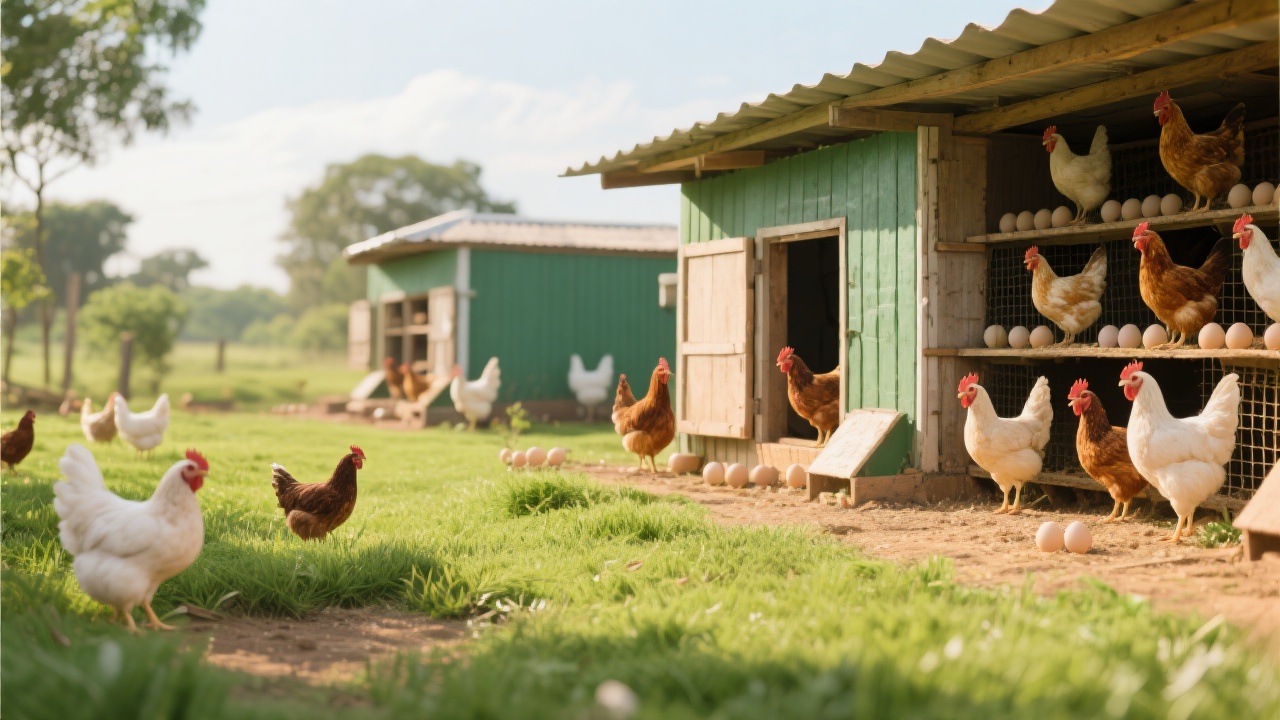
Optimized Environmental Controls for Peak Flock Performance
Maintaining optimal airflow and temperature is critical for laying hens to sustain health and maximize egg yield. The H-Type system incorporates:
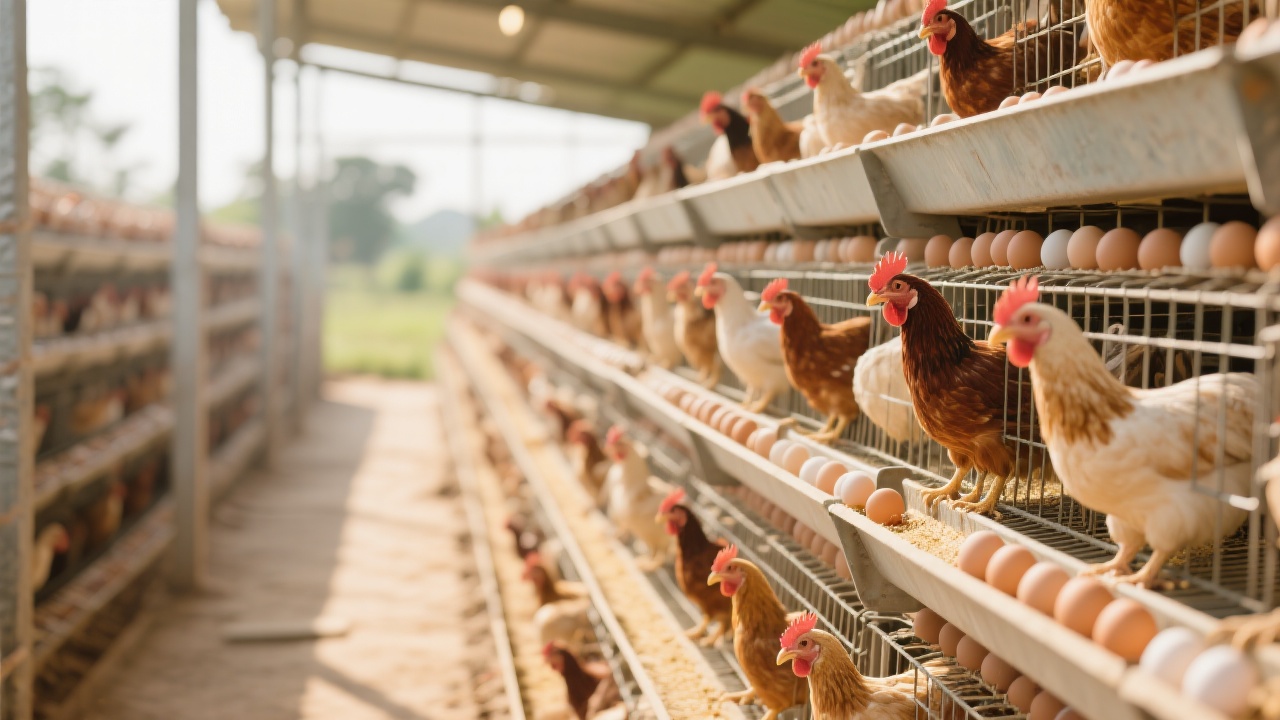
- Advanced Ventilation Channels: Strategically placed vents facilitate continuous, fresh air circulation, eliminating ammonia buildup and reducing heat stress during warmer months.
- Temperature Regulation Features: Compatibility with automated heaters and coolers allows dynamic temperature adjustments in response to climatic changes, ensuring comfortable conditions year-round.
Independent studies reveal these environmental factors can raise average egg production by 5-7% when properly controlled. Additionally, these measures help reduce mortality and improve feed conversion ratios by stabilizing bird metabolism.
Streamlined Farm Operations and Practical Applications
Operational simplicity is another key advantage. The H-Type system supports quick installation, minimal maintenance, and intuitive operation, crucial for farms aiming to scale efficiently. Automated components connect seamlessly to standard farm management software to provide real-time status updates, enabling proactive decision-making.
For example, a mid-sized commercial farm with 20,000 layers reported the following changes post-installation:
| Performance Metric | Before Installation | After Installation | Improvement |
|---|---|---|---|
| Egg Collection Labor Hours/Day | 8 hours | 3 hours | -62.5% |
| Egg Production Rate | 88% | 97% | +10% |
| Mortality Rate | 3.2% | 2.1% | -34.4% |




Hot Products

.jpg?x-oss-process=image/resize,m_fill,h_800,w_800/format,webp)


Popular articles



READY TO START?
Ready to Build Your Poultry Farm?
Tell us your land size, poultry type and farming capacity. LIVI will provide a complete farm solution for your project.