


Export-Market Trends and Buying Guidance for International-Standard H-Type Layer Battery Cages
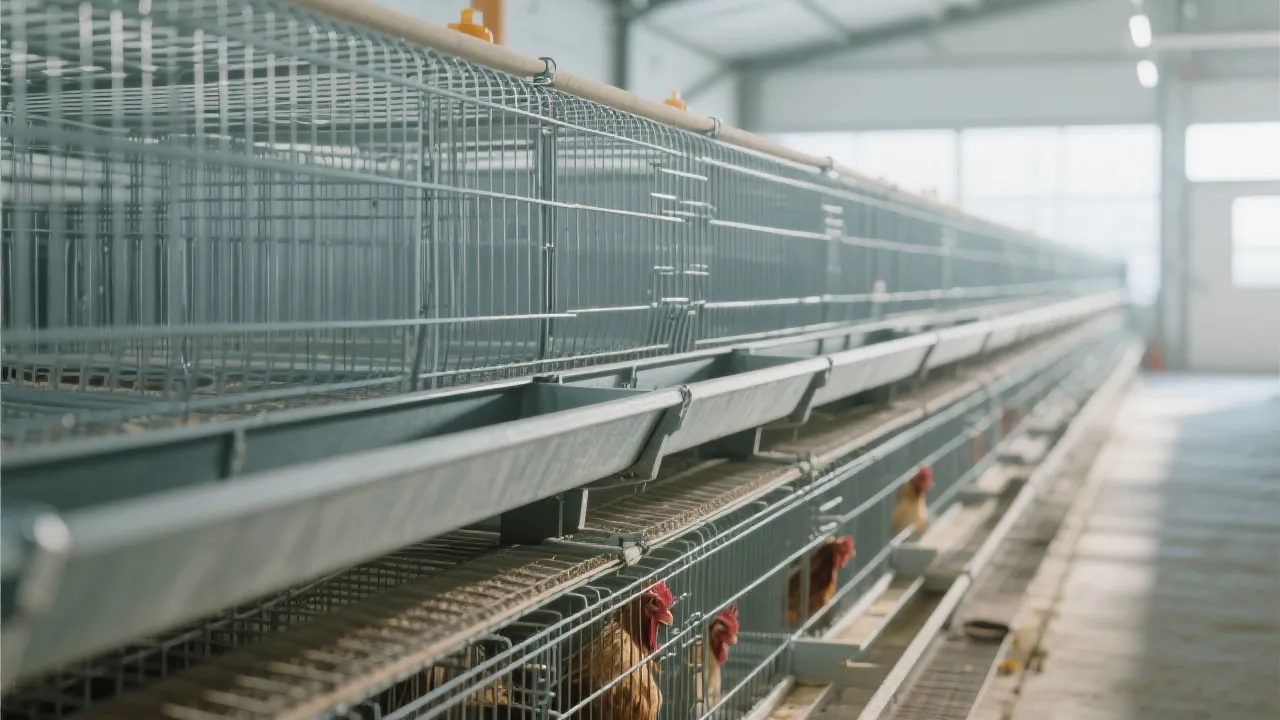
Why H-Type layer battery cages Are Becoming a Standard Choice in Export Markets
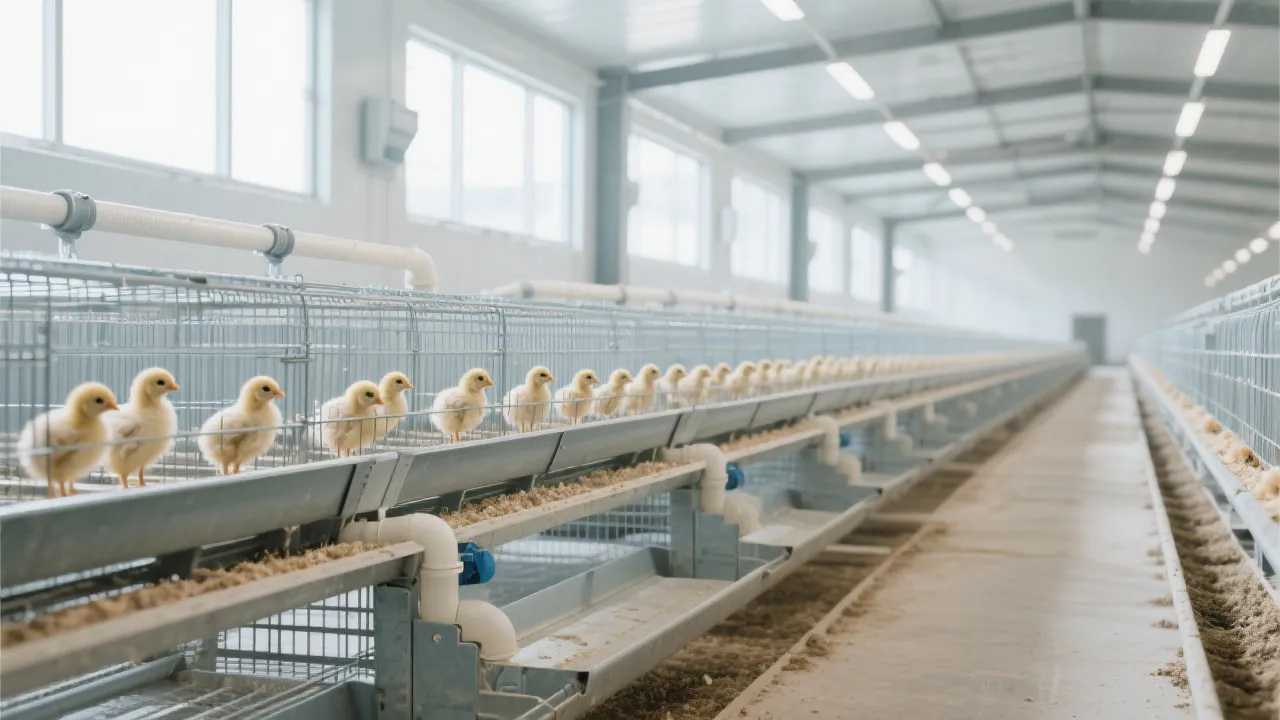
Commercial egg farms in Africa, the Middle East, Southeast Asia, South America, and Central Asia are increasingly evaluated against international poultry farming standards—not only for productivity, but also for durability, operational consistency, and easier management at scale. In this context, the H-type layer battery cage is widely adopted because it improves space utilization, supports optional automation, and fits standardized farm layouts.
This page summarizes practical buying guidance based on common export-project requirements and introduces the reference product: Livi Machinery High-Efficiency H-Type Layer Battery Cage for 5,000–30,000 birds, engineered for long service life and structured daily operation.
Export-Market Trend: “International-Standard” Means More Than Just Compliance
For export-oriented or standards-driven projects, cage procurement decisions typically focus on repeatable performance across different climates and operating skill levels. Instead of chasing “maximum output” claims, buyers often prioritize:
- Durability under intensive use: corrosion resistance, structural stability, predictable maintenance cycles.
- Space utilization: achieving the required farm capacity within realistic building footprints.
- Operational efficiency: labor reduction through structured workflows and optional automation.
- Environmental adaptability: cage layout compatibility with ventilation and temperature control strategies.
- Service and delivery readiness: documentation, installation guidance, technical support, and predictable fulfillment.
What Makes an H-Type Layer Battery Cage Attractive for Commercial Egg Farms
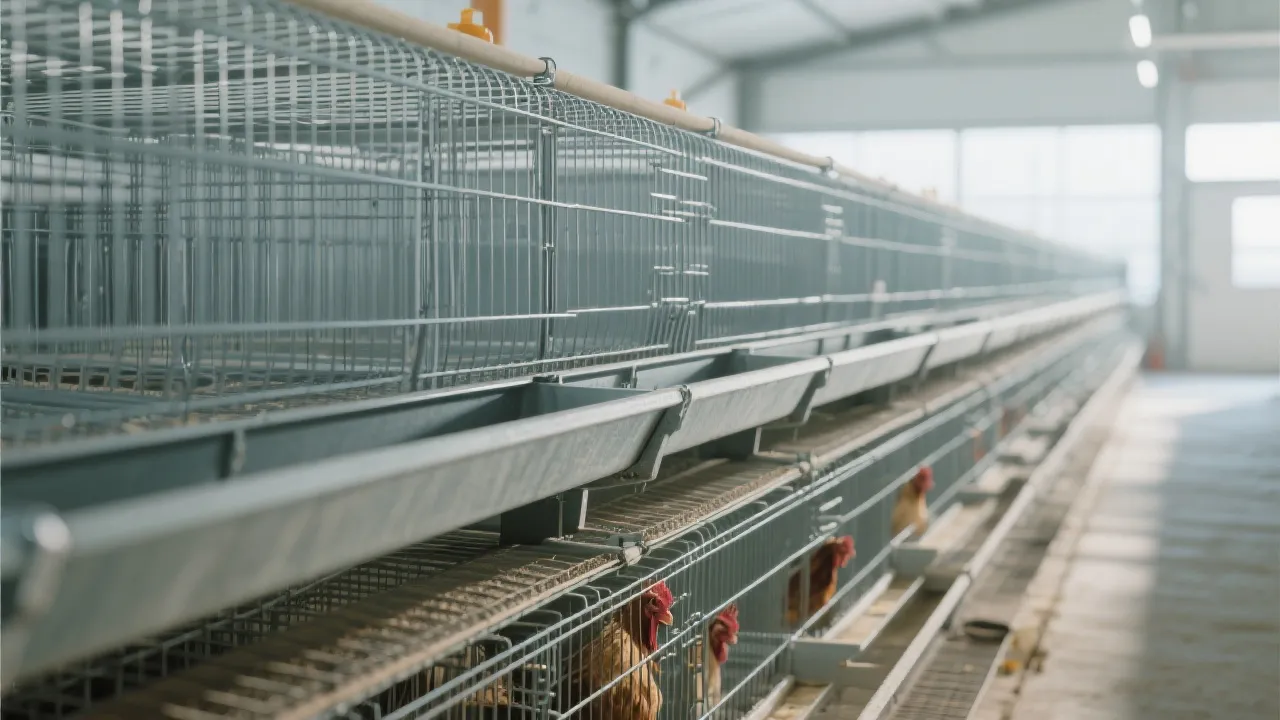
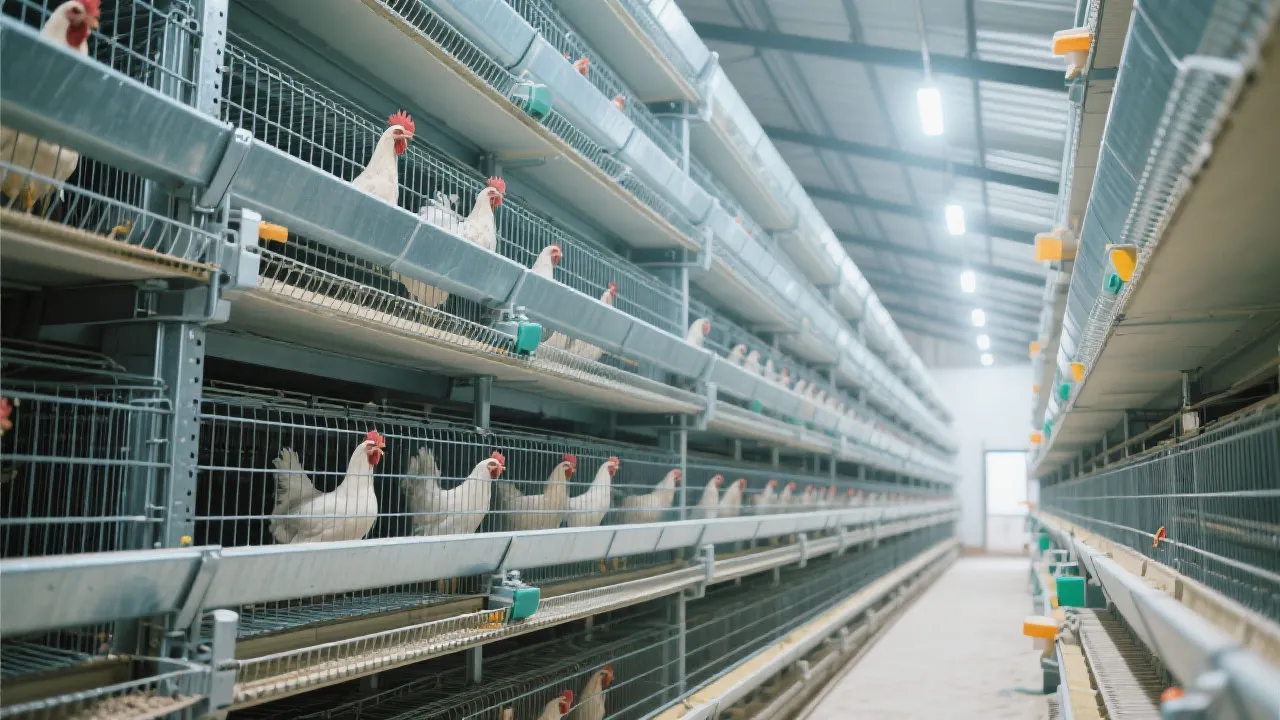
The “H-type” concept is often selected for its stacking efficiency and clear management lanes. When designed correctly, it supports daily tasks—feeding, inspection, cleaning, egg collection—without creating bottlenecks, which is especially important when farms scale from thousands to tens of thousands of birds.
1) Space utilization & scalable layout
H-type stacking helps use building height and organizes rows for consistent access. This is commonly used to match capacity targets (e.g., 5,000–30,000 birds) while keeping the facility workflow manageable.
2) Durability in demanding environments
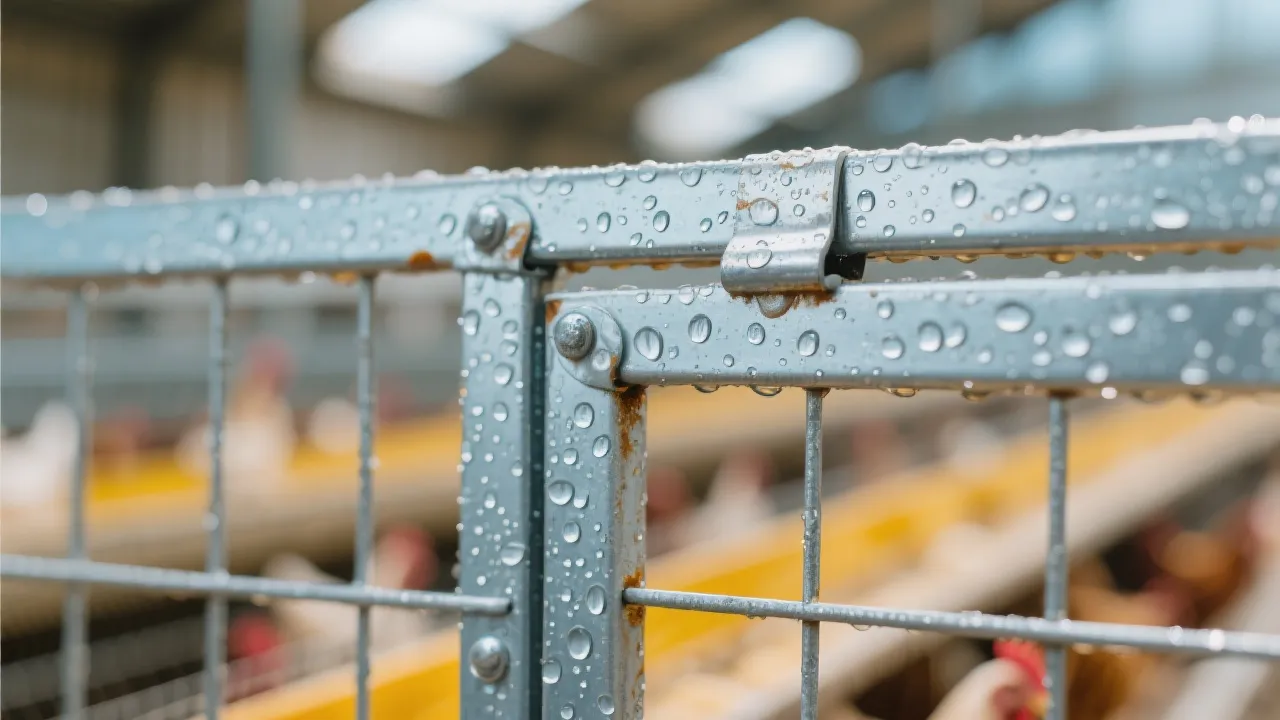
Export projects frequently face humidity, temperature variation, and intensive cleaning routines. The referenced Livi Machinery system uses Q235 steel with hot-dip galvanizing and an Al-Zn alloy coating to improve corrosion resistance and long-term stability.
3) Automation value (optional, project-based)
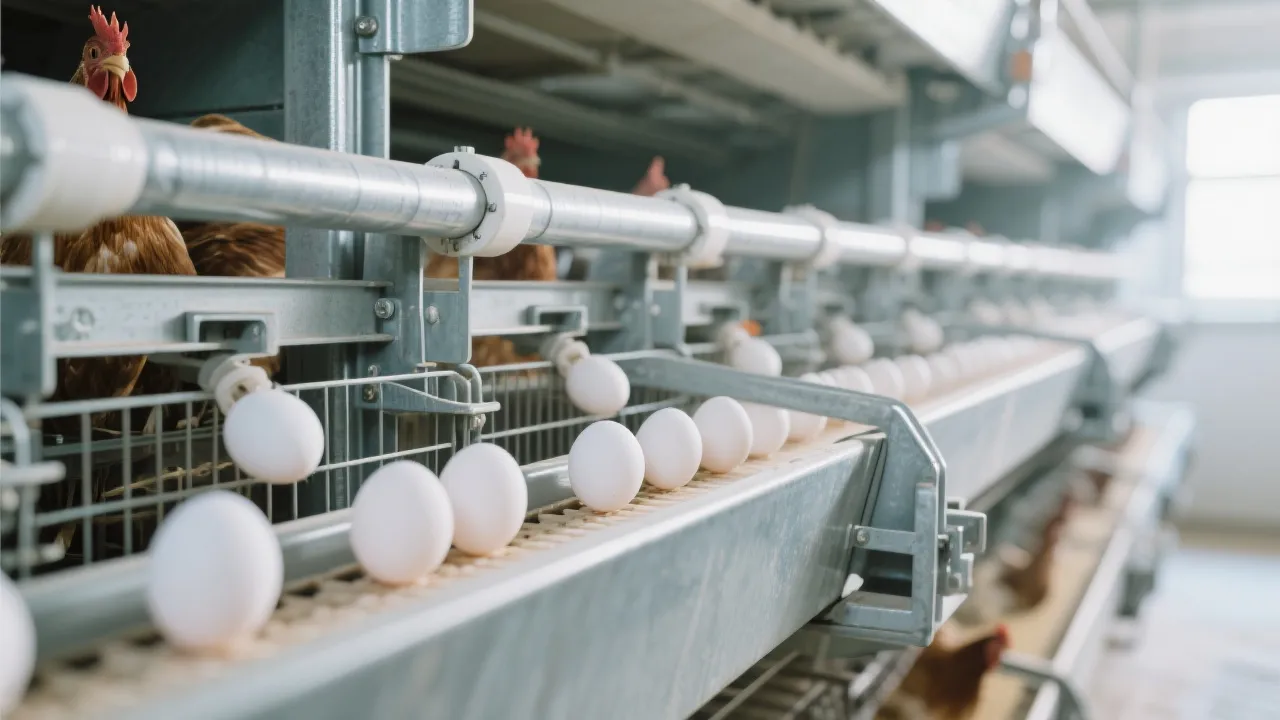
Buyers often compare cage systems by how easily they integrate with egg collection and manure cleaning solutions. Automation is typically evaluated not as a “luxury,” but as a method to stabilize labor input and reduce routine task variability.
Practical Buying Criteria: How to Evaluate an International-Standard H-Type Cage
When comparing suppliers for an H-type layer battery cage, a structured checklist helps avoid “feature shopping” and keeps attention on performance drivers that matter in daily farm operation.
Tip for export projects: align your cage selection with the house design (airflow, manure handling route, egg transfer route) early. The best results typically come from coordinated planning rather than isolated equipment purchasing.
Application Scenarios (Small-to-Large Egg Farms)
Expanding farms standardizing management
When moving from semi-manual to structured operations, H-type cages help formalize daily routines and reduce variation in feeding, cleaning, and egg handling.
Export-oriented or compliance-driven builds
Projects that prioritize durability, documentation, and predictable performance often shortlist systems positioned around international standards and repeatable manufacturing quality control.
Labor-sensitive operations
In regions where stable labor is a challenge, optional automation such as egg collection and manure cleaning can support consistent day-to-day throughput and supervision efficiency.
How Livi Machinery Supports International Projects
Zhengzhou Livi Machinery Manufacturing Co., Ltd. (Livi Machinery) is a manufacturing-focused poultry equipment company established in 2013. The company develops and produces poultry farming systems including layer cages and automated poultry equipment, serving commercial markets across multiple regions worldwide.
- End-to-end capability: from farm planning support to equipment supply and installation coordination (project-based).
- Quality-first approach: inspection from raw material selection to shipment, aligned with stated management standards.
- Delivery flexibility: direct shipment and other fulfillment models depending on destination and partner structure.
Request a Configuration Review for Your Farm Size
If you are evaluating an international-standard H-type layer battery cage for a new build or upgrade, Livi Machinery can help you map cage capacity targets (5,000–30,000 birds) to a practical house layout and automation options—based on your site conditions and management goals.
Prepare: target bird count, house dimensions, climate notes, power availability, and desired automation level.
Confirm: coating and documentation needs for your market (e.g., CE scope), plus shipping/installation plan.
Evaluate: workflow efficiency—egg route, manure route, aisle access, and maintenance convenience.
Note: Final configuration, certifications scope, and service life depend on project conditions, operating practices, and contractual specifications.



Hot Products

.jpg?x-oss-process=image/resize,m_fill,h_800,w_800/format,webp)


Popular articles




READY TO START?
Ready to Build Your Poultry Farm?
Tell us your land size, poultry type and farming capacity. LIVI will provide a complete farm solution for your project.