


Technical Strategies to Boost Egg Production Efficiency: Space & Equipment Optimization with H-Type Layer Cages
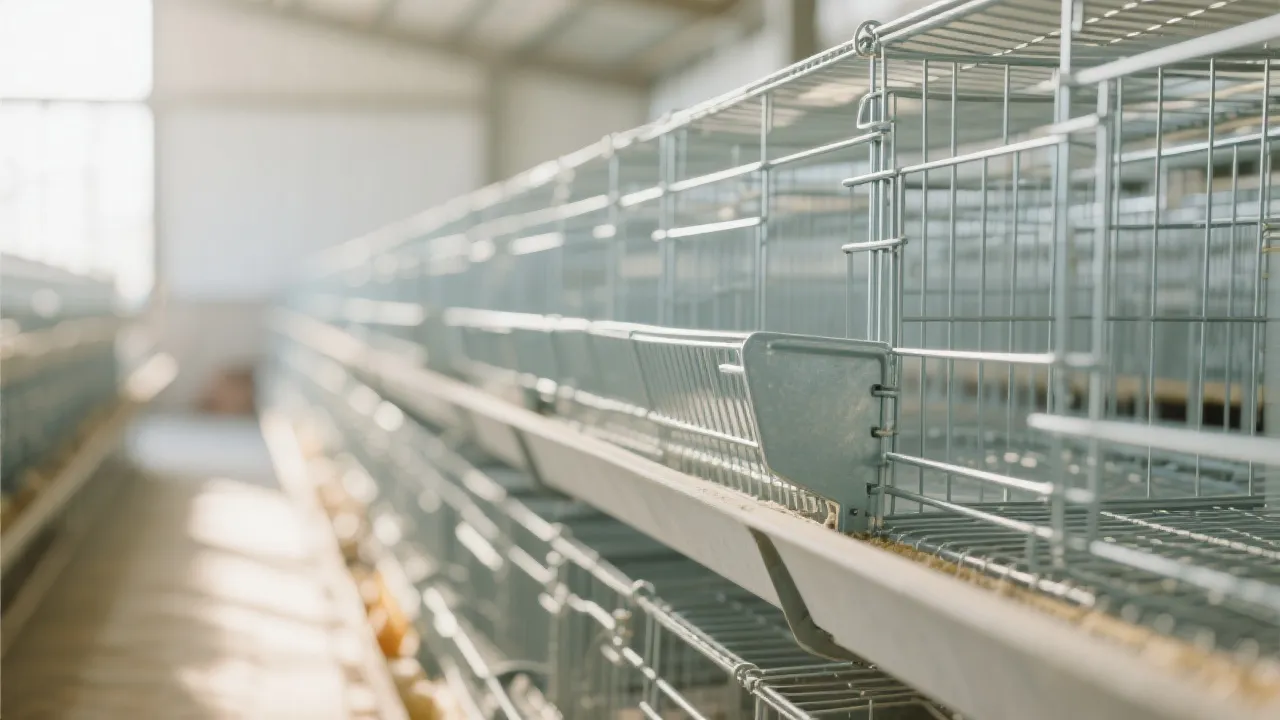
For commercial egg operations, egg production efficiency is often limited by two practical constraints: space utilization and day-to-day labor intensity. Equipment selection—especially the cage structure, surface protection, and automation readiness—directly affects stocking density, management consistency, and long-term operating stability.
Livi Machinery (Zhengzhou Livi Machinery Manufacturing Co., Ltd.) develops and manufactures poultry farming equipment for global markets. This page explains how our High-Efficiency H-Type Layer Battery Cage with hot-dip galvanizing + alu-zinc alloy coating supports space & equipment optimization for improved layer farm efficiency.
Why H-Type layer cages Improve Egg Production Efficiency
Efficiency gains usually come from a combined effect: more usable capacity per house, more consistent management, and less downtime from corrosion or maintenance. H-type tiered cages are designed to increase density without compromising routine operations such as feeding, egg handling, and manure management.
1) Space utilization through tiered H-type layout
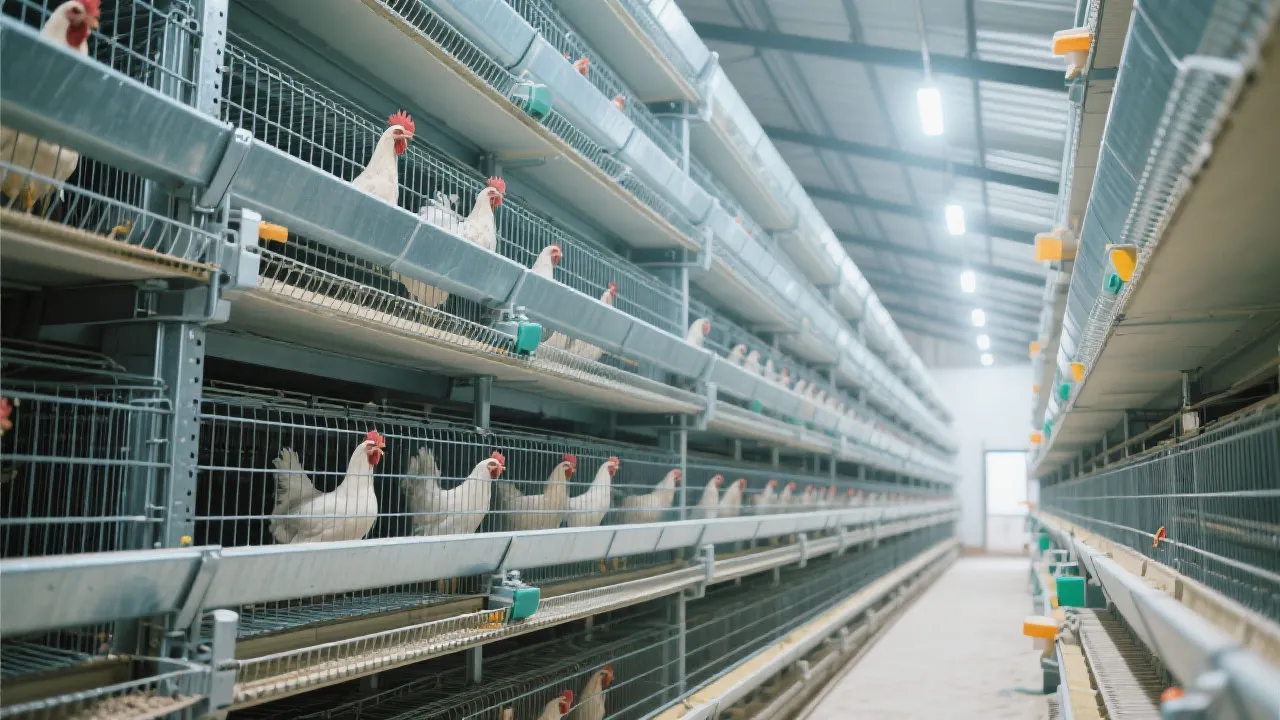
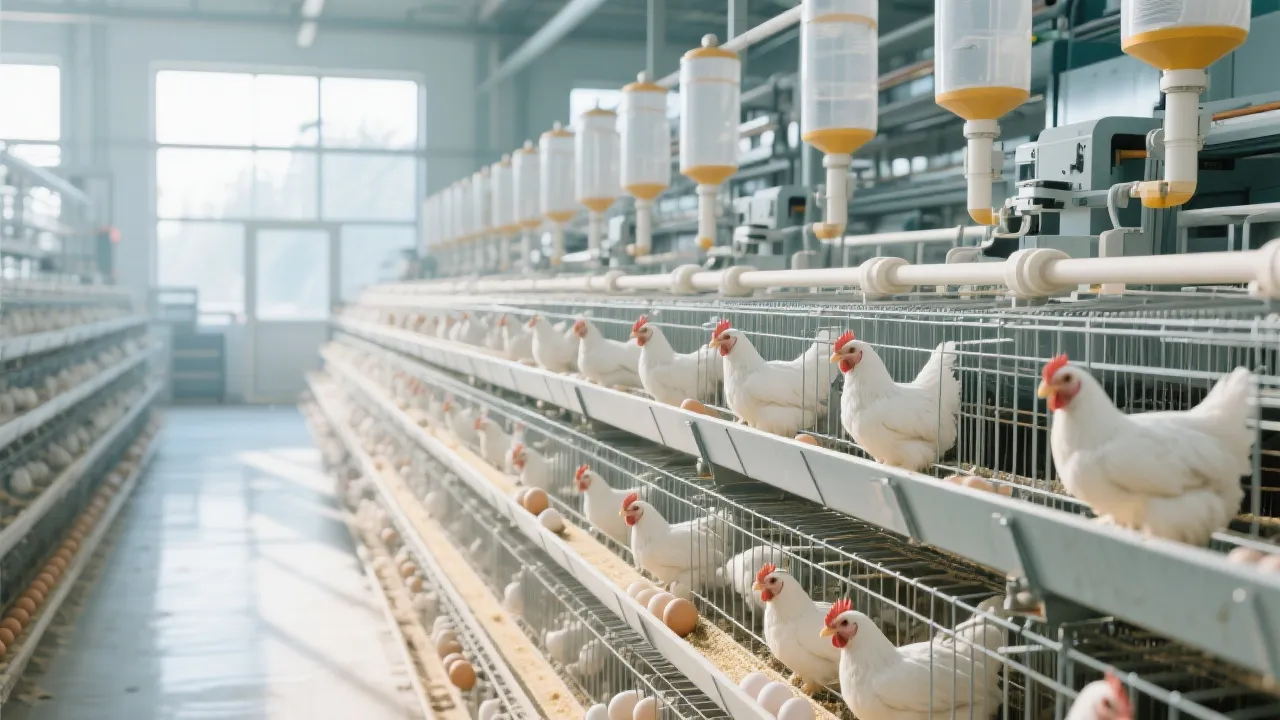
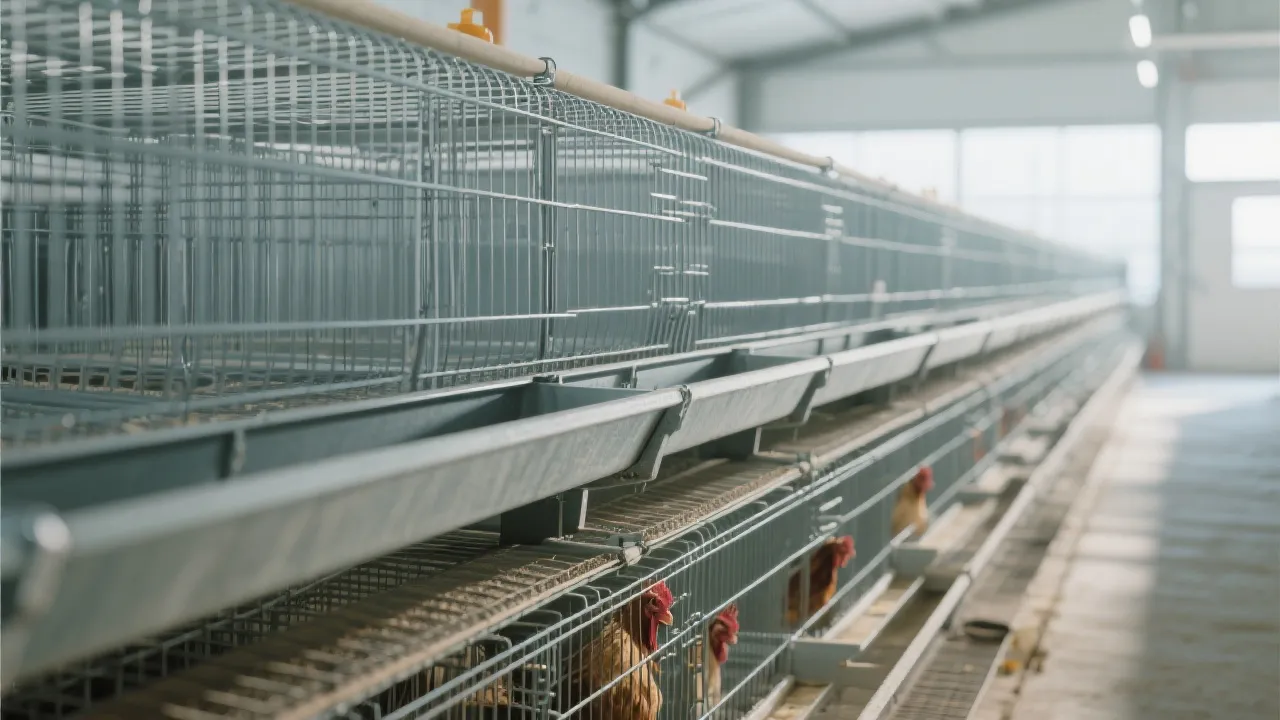
The H-type stacked design helps farms use vertical space effectively, supporting a higher stocking density per building footprint. The structure is also designed for practical daily work—improving access for feeding, cleaning, and egg collection workflows, which can reduce handling time and improve operational discipline.
2) Durability that protects long-term performance
For layer systems, corrosion resistance is not just a maintenance topic—it directly influences cage integrity and the stability of automated components. This model uses Q235 steel with hot-dip galvanizing + alu-zinc alloy coating to enhance durability. The stated service life is 15–20 years under appropriate use and farm conditions.
3) Lower labor input with automation compatibility
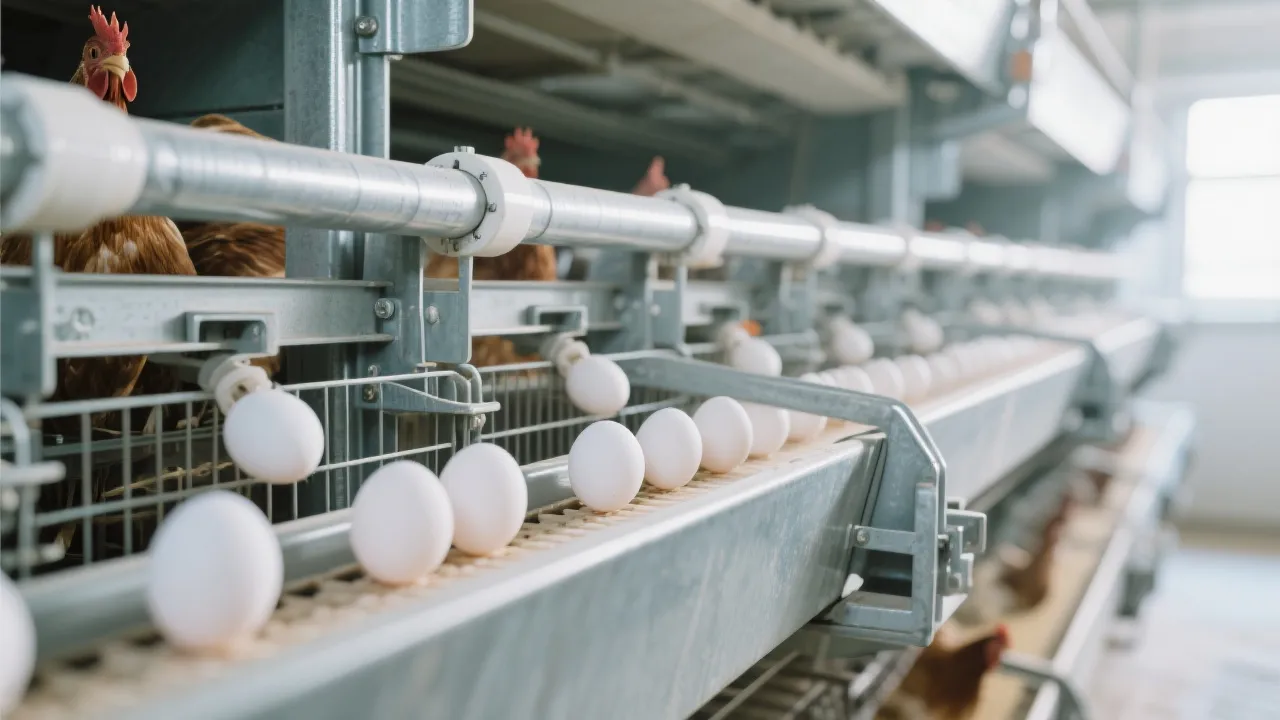
The system is designed to work with automated egg collection and manure removal. In practice, automation reduces repetitive manual tasks, helps standardize results across shifts, and improves throughput—especially for farms scaling from small-to-mid size toward commercial operation.
4) Environmental adaptability for stable layer management
Stable production depends on a controllable environment. This H-type cage concept supports management practices around ventilation and temperature control by facilitating organized airflow pathways and operational order in the house—supporting healthier growth conditions for layers.
Selection Guidance: Small-to-Mid Farms vs. Large Commercial Operations
When evaluating an equipment upgrade, align the cage configuration with your target capacity, labor structure, and long-term maintenance expectations. The table below summarizes a standards-based way to compare options using the practical criteria highlighted on this page.
| Evaluation point | What to check | How H-type alu-zinc coated cages help |
|---|---|---|
| Capacity planning | Target birds per house and growth path | Designed to support 5,000–30,000 birds across different farm scales |
| Space utilization | Building dimensions, aisles, and operational access | Tiered H-type layout makes better use of vertical space while supporting routine management |
| Durability & corrosion resistance | Material grade, coating, and expected service life | Q235 steel + hot-dip galvanizing & alu-zinc alloy coating for long-term use (stated 15–20 years) |
| Labor & automation readiness | Whether egg handling & manure management can be automated | Compatible with automatic egg collection and manure removal systems to reduce manual workload |
| Compliance & acceptance | Documentation and quality system expectations | Designed and produced under ISO9001, ISO14001 and CE related requirements (as stated) |
Practical note: final stocking density and performance depend on house design, ventilation strategy, local climate, management, and biosecurity practices. Livi Machinery can align cage configuration with your site conditions and project plan.
Implementation Path: From Layout Planning to On-Farm Operation
- Capacity & house assessment: confirm target flock size (within 5,000–30,000 birds) and available building footprint.
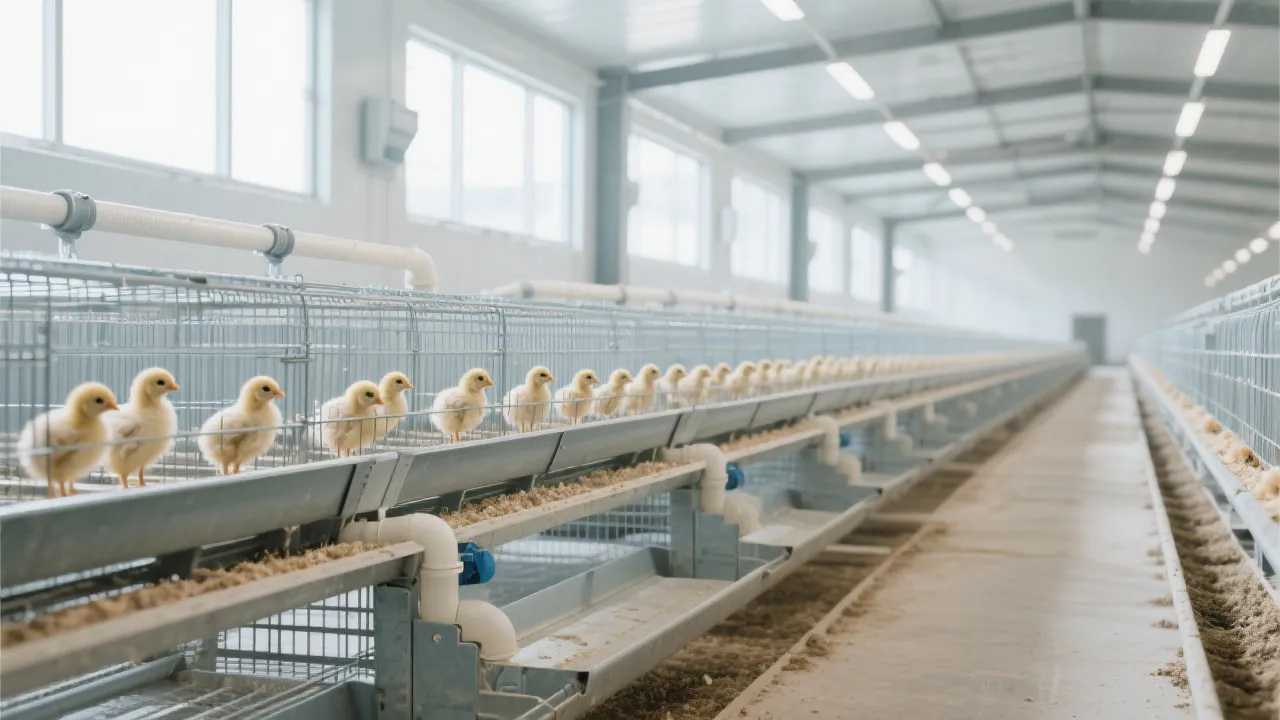
- Space & aisle optimization: plan the tiered H-type layout to balance density with access for inspection, egg handling, and cleaning.
- System integration: define the configuration for automatic egg collection and manure removal to match labor availability and management goals.
- Installation & commissioning: verify alignment, operation flow, and safety checks before full-scale stocking.
- Routine maintenance plan: establish periodic inspection points to protect coating integrity and keep automated components running smoothly.
Why Work with Livi Machinery
Founded in 2013, Zhengzhou Livi Machinery Manufacturing Co., Ltd. is an integrated manufacturer focused on poultry farming equipment. Our product coverage includes layer cages and related automation systems supporting the full farming process.
- Global delivery experience: served customers in 70+ countries with 1,000+ clients visited (as stated by the company).
- Quality-first approach: strict inspection from raw material selection to shipment.
- One-stop capability: support from farm planning to equipment installation, aligned with local project needs.
- Fulfillment options: direct shipment, local production, overseas warehouse, and local distribution models depending on region.
Request a Configuration Recommendation
If you are evaluating an upgrade to improve egg production efficiency through space utilization, durability, and automation, Livi Machinery can propose an H-type layer cage configuration aligned to your farm scale and management objectives. Share your target bird capacity, house dimensions, and preferred automation level to receive a practical specification discussion.


Hot Products

.jpg?x-oss-process=image/resize,m_fill,h_800,w_800/format,webp)


Popular articles




READY TO START?
Ready to Build Your Poultry Farm?
Tell us your land size, poultry type and farming capacity. LIVI will provide a complete farm solution for your project.