


How H-Type Chicken Cage Design Boosts Egg Production Efficiency with Integrated Ventilation and Temperature Control

Why Smart H-Type Layer Cage Systems Are Reshaping Modern Poultry Farming
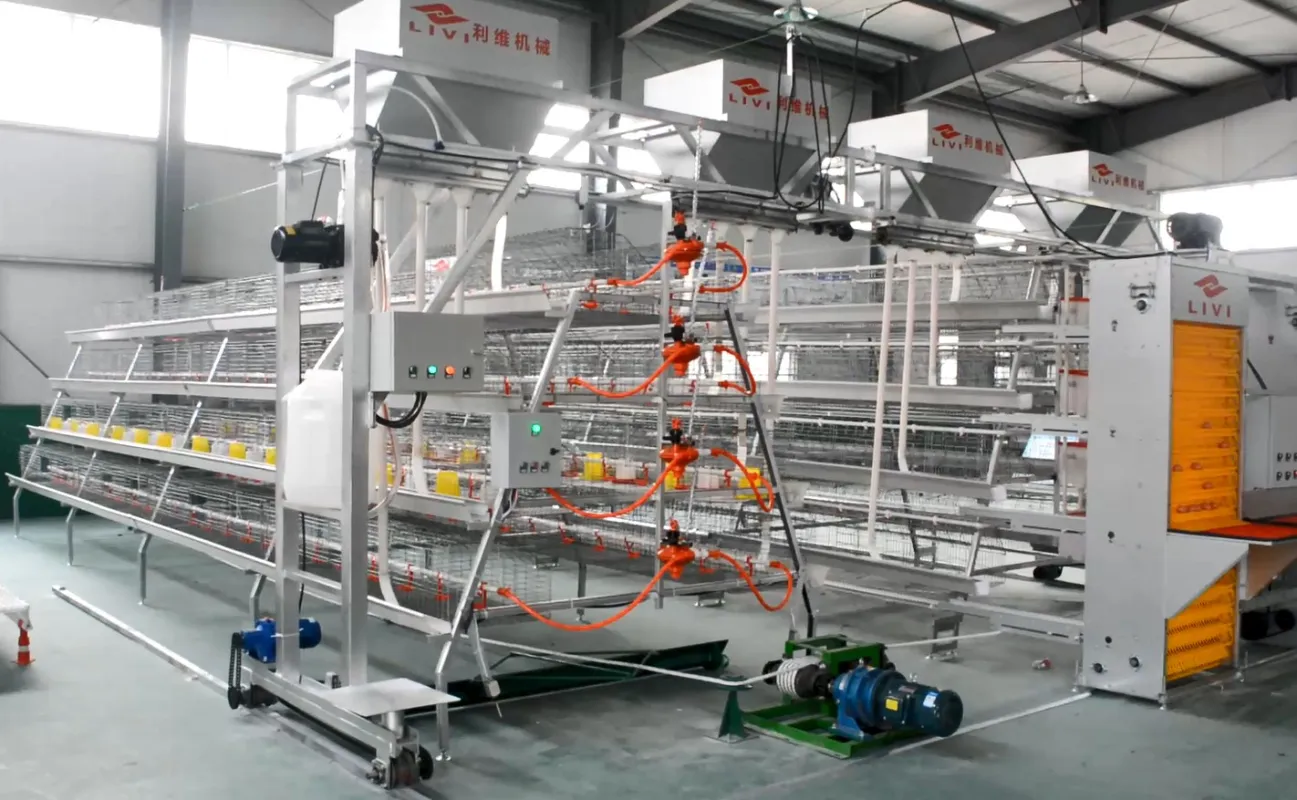
In today’s competitive egg production market, efficiency, animal welfare, and environmental control are no longer optional—they’re essential. The efficient H-type layer cage system from Zhengzhou Livewell Machinery has emerged as a game-changer for large-scale poultry farms worldwide, combining space optimization with intelligent automation to boost productivity while reducing operational stress.
Space Optimization That Works: How the H-Structure Increases Density Without Compromising Comfort
Traditional cage designs often force a trade-off between stocking density and bird comfort. But the H-type design breaks this rule—it maximizes vertical space usage by up to 30% compared to conventional flat-row systems (based on field data from over 50 farms in China and Southeast Asia). This means more hens per square meter without increasing crowding or stress levels—key factors linked directly to stable egg production.
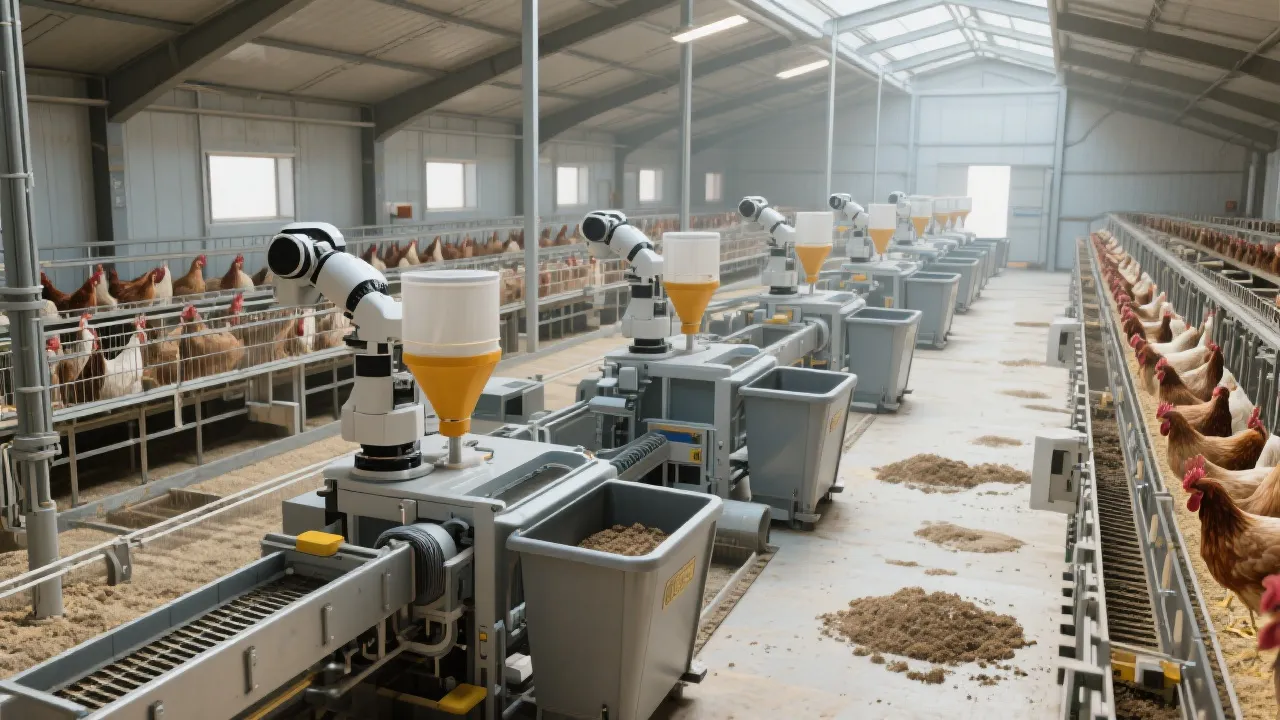
Each tier is engineered for airflow and easy access, allowing farmers to manage feed, water, and egg collection efficiently across multiple levels. In real-world applications, farms using this setup report an average increase of 7–10% in daily egg output due to improved hen behavior and reduced aggression.
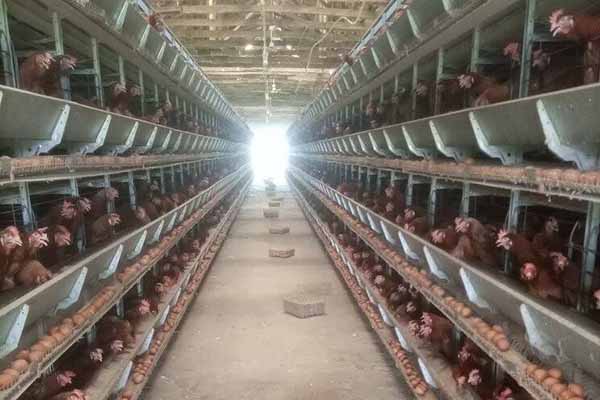
Automated Egg Collection: Saving Time, Reducing Labor Costs
Manual egg gathering remains one of the biggest labor burdens in modern poultry farming. With the integrated automated egg conveyor belt system, eggs are collected continuously throughout the day—no more missed eggs or manual sorting errors. On average, farms see a 40% reduction in labor hours dedicated to egg handling, freeing staff for higher-value tasks like health monitoring and feeding optimization.
This isn’t just about convenience—it’s about consistency. Automated systems reduce breakage rates by up to 15%, preserving quality and maximizing revenue per dozen.
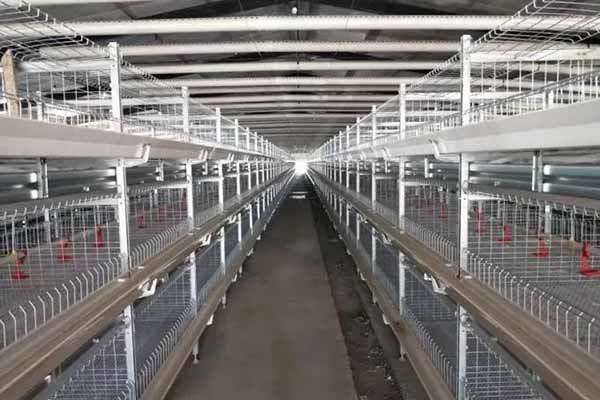
Integrated Ventilation & Temperature Control: A Healthier Environment = Higher Yield
Temperature fluctuations can cause significant drops in egg production—even as little as 2°C changes can impact laying cycles. The H-type system includes smart ventilation units that maintain optimal air circulation and temperature (between 18–24°C) year-round. Combined with humidity sensors and automatic fan adjustments, these features help prevent heat stress and respiratory issues in birds.
Case studies show that farms implementing this tech saw a 12% improvement in consistent egg-laying rates within 3 months—proof that investing in climate control pays off quickly.
Real Results from Real Farms
From commercial operations in Vietnam to cooperative farms in Kenya, users consistently report:
- Reduced mortality rates by 8–12%
- Lower feed conversion ratios (FCR) due to less energy expenditure from stressed birds
- Faster ROI—typically within 12–18 months post-installation


Hot Products

.jpg?x-oss-process=image/resize,m_fill,h_800,w_800/format,webp)


Popular articles





READY TO START?
Ready to Build Your Poultry Farm?
Tell us your land size, poultry type and farming capacity. LIVI will provide a complete farm solution for your project.