


Optimizing Poultry Cage Design: How H-Type Layer Cages Enhance Efficiency and Automation in Egg Production

Optimizing Poultry Cage Design for Efficiency and Automation in Modern Egg Farms
In today’s competitive global poultry market, farm operators are under constant pressure to improve efficiency, reduce labor costs, and ensure animal welfare—all while meeting international quality standards. One of the most impactful innovations in this space is the H-type layer cage system, pioneered by manufacturers like Zhengzhou Livi Machinery. This article dives into how structural design, automation integration, and material science converge to transform traditional egg production into a scalable, data-driven operation.
Space Optimization Through H-Type Structure
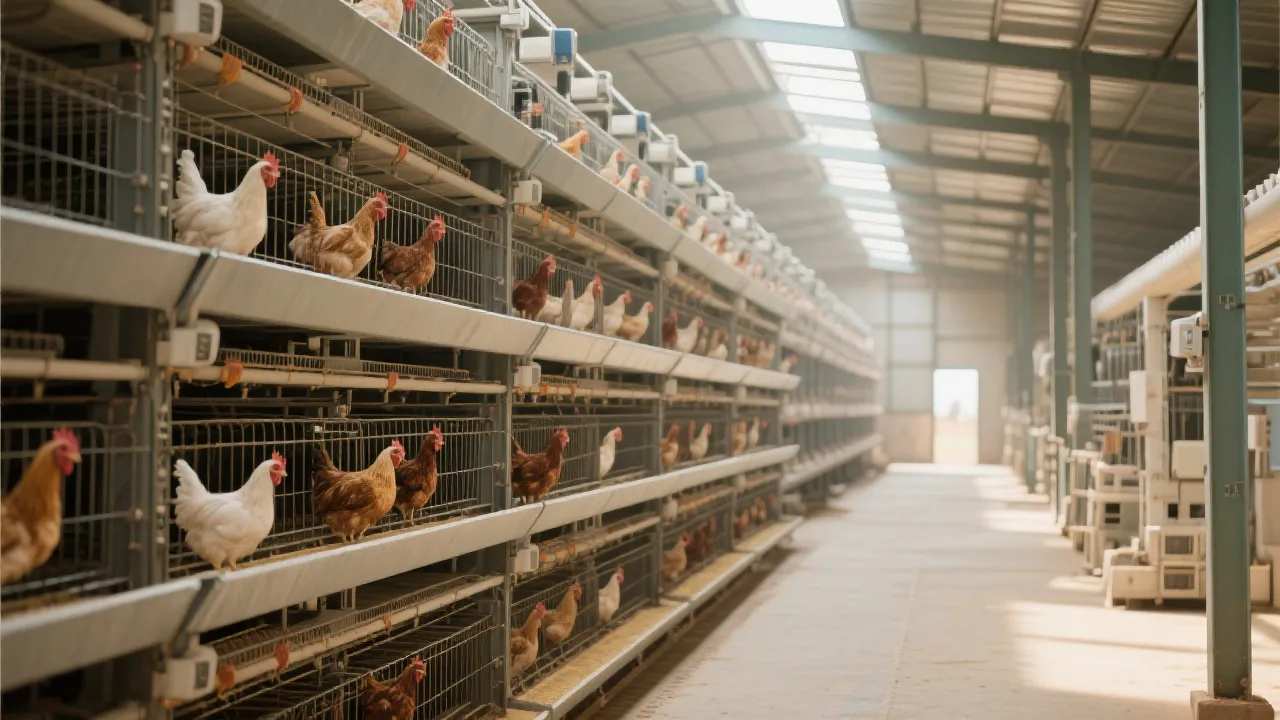
The H-shaped frame allows for up to 20–25% more birds per square meter compared to conventional flat-tier cages—without compromising bird movement or access to feed and water. A case study from a 5,000-bird farm in Kenya showed that switching to an H-type system increased daily egg output by 17%, with no rise in mortality rates. The vertical stacking reduces floor footprint, making it ideal for high-density farms in urban or land-constrained regions.
| Feature | Traditional Cage | H-Type Cage (Livi) |
|---|---|---|
| Bird Capacity per m² | 12–14 birds | 16–18 birds |
| Ventilation Efficiency | Moderate | High (Airflow +18%) |
| Maintenance Time (daily) | ~4 hours | ~1.5 hours |
Automation That Reduces Labor Costs by Up to 40%
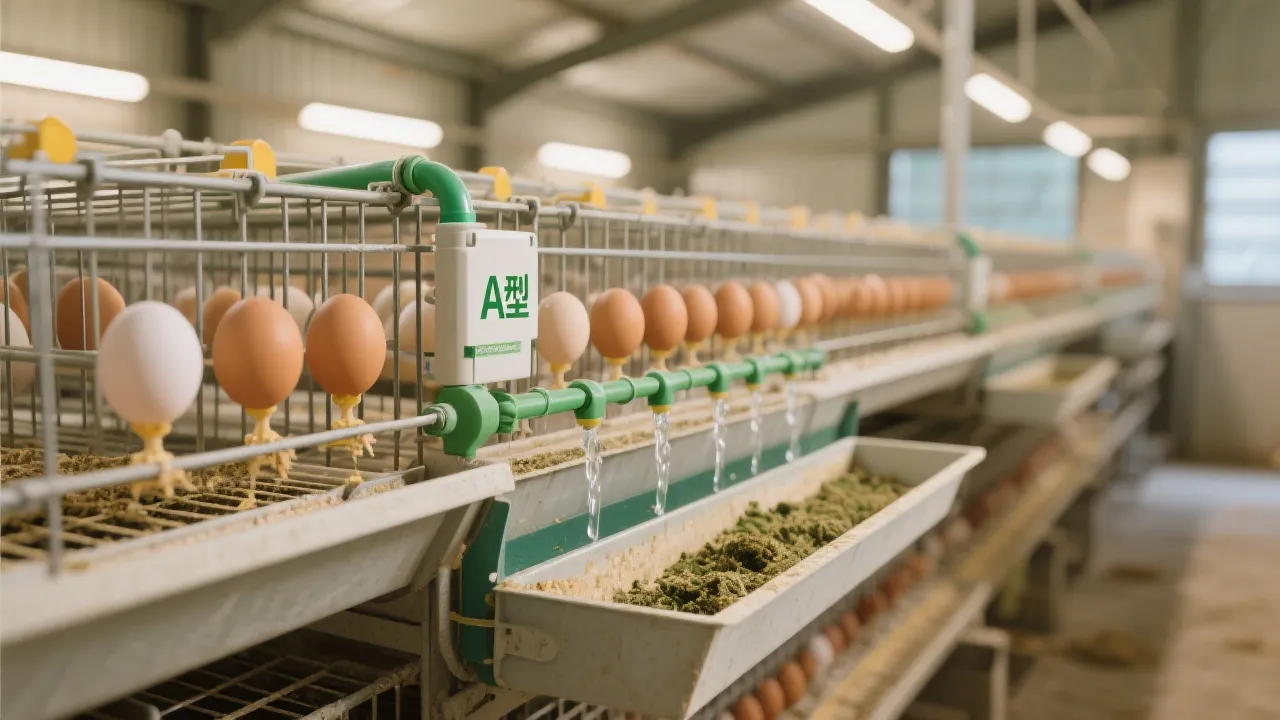
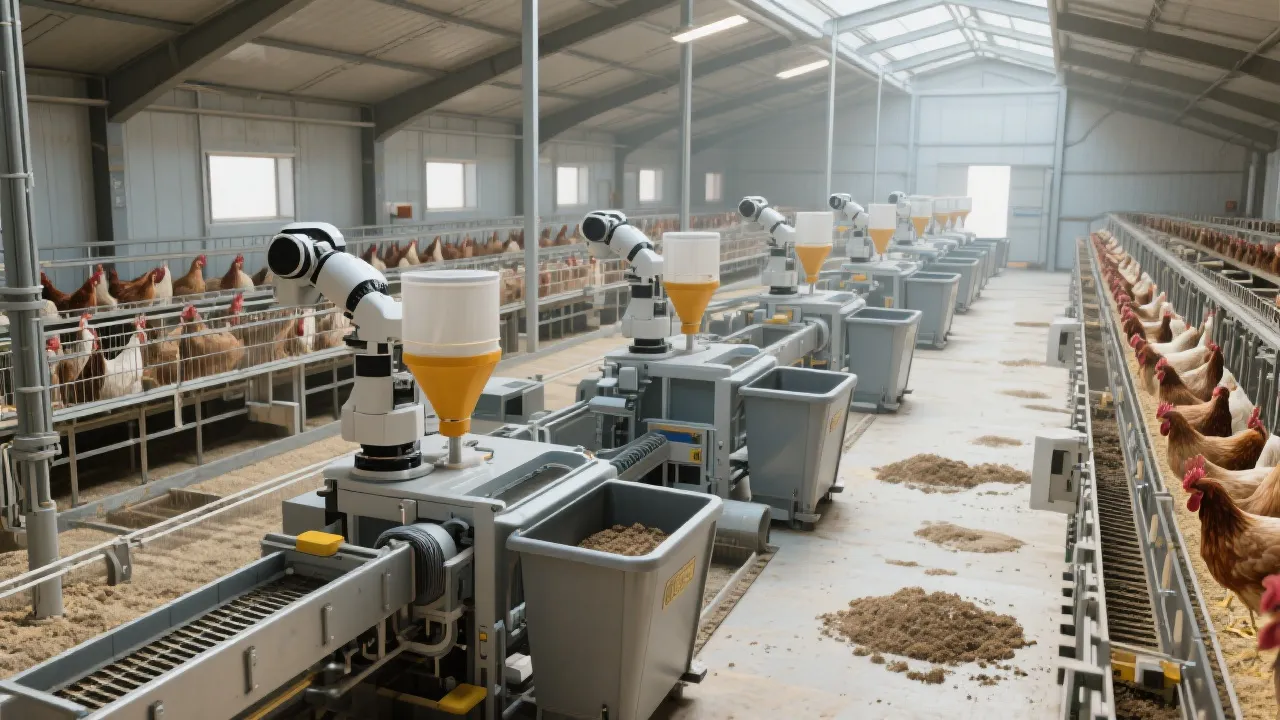
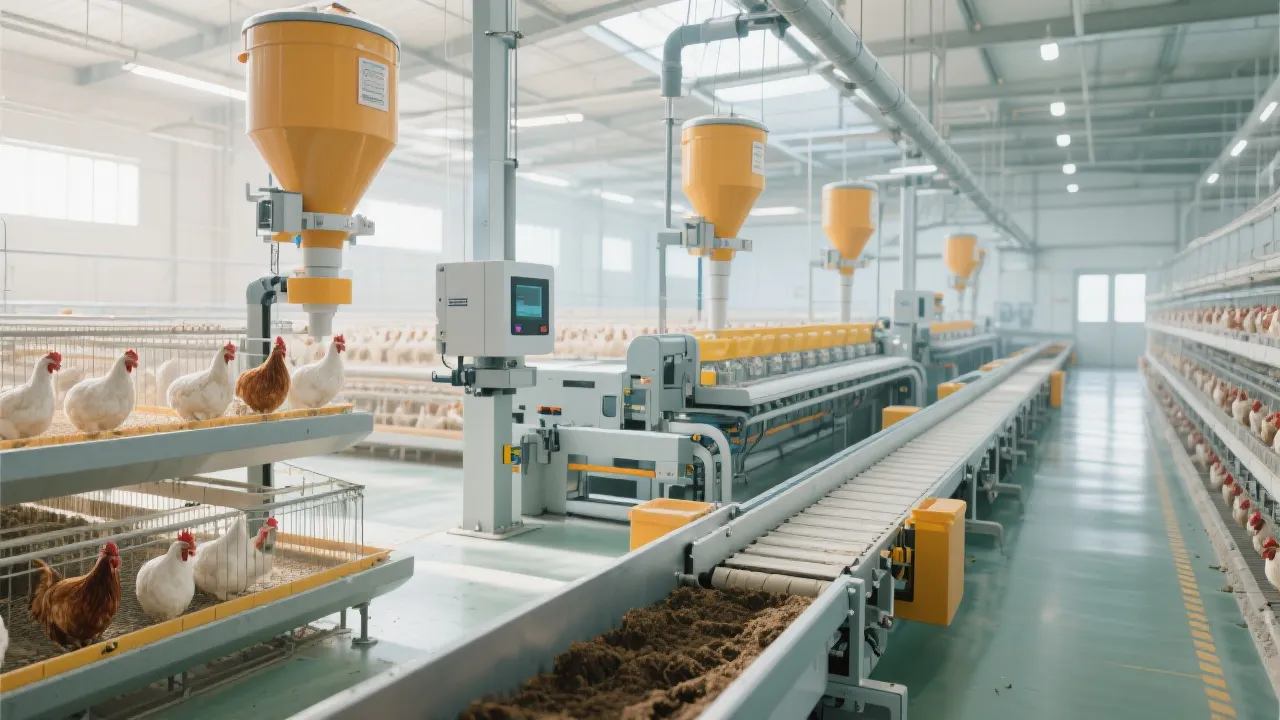
Integrated egg collection belts and automatic manure removal systems significantly cut down on manual labor. In a trial conducted across three commercial farms in Brazil, automated H-type cages reduced daily labor input from 3 workers to just 1.5, translating to annual savings of over $12,000 per facility. These systems also minimize stress on hens—leading to fewer broken eggs and improved lay consistency.
Durability Meets Compliance: Materials & Standards
Built with Q235 carbon steel and dual-layer anti-corrosion coating (zinc + epoxy), these cages resist rust even in humid tropical climates. They comply with ISO 9001 (Quality Management) and CE certification, ensuring safety and long-term performance. Field tests in Southeast Asia confirmed zero corrosion after 3 years of continuous use—far exceeding industry norms.
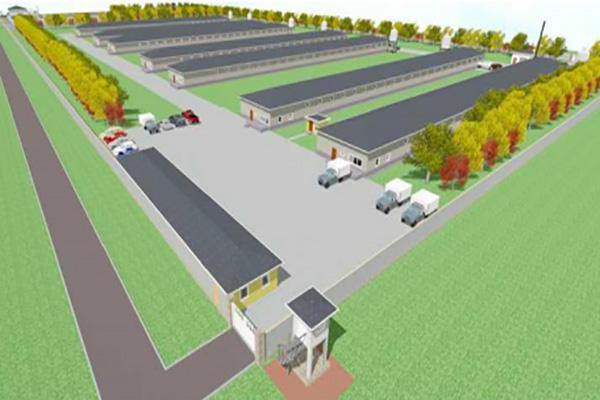
Whether you're managing a small-scale operation or scaling up to 50,000+ birds, optimizing your cage infrastructure isn’t just about hardware—it’s about building smarter workflows, better health outcomes, and sustainable profits. For farms aiming to stay ahead in the global egg supply chain, the shift to intelligent cage systems is no longer optional—it's essential.
Ready to Upgrade Your Farm? Explore Our Custom Solutions Today
Get a free technical consultation and receive a tailored layout plan based on your farm size, climate, and production goals.
See How Livi Can Transform Your Operation



Hot Products

.jpg?x-oss-process=image/resize,m_fill,h_800,w_800/format,webp)


Popular articles



READY TO START?
Ready to Build Your Poultry Farm?
Tell us your land size, poultry type and farming capacity. LIVI will provide a complete farm solution for your project.