


H-Type Layered Chicken Cages with ISO9001 & CE Certification | Livi Machinery Industry Research

How ISO9001 & CE Certification Ensure Stability in Modern Layer Cage Systems
For large-scale poultry farms, operational efficiency isn’t just a goal—it’s a necessity. In today’s competitive market, the difference between profit and loss often lies in how well your equipment performs under daily pressure. The H-type stacked layer cage system from Zhengzhou Livi Machinery has emerged as a benchmark solution for modern egg production facilities, offering measurable improvements in feed path optimization, egg collection, and manure management—all backed by internationally recognized standards like ISO9001 and CE.
Optimized Design for Maximum Efficiency
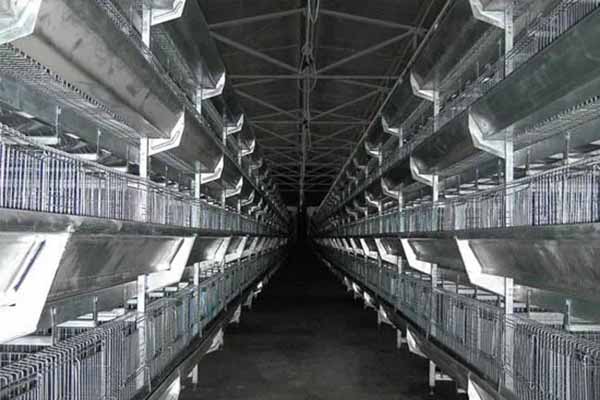
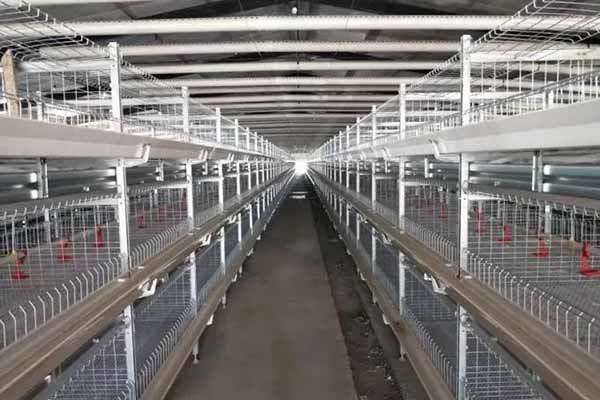
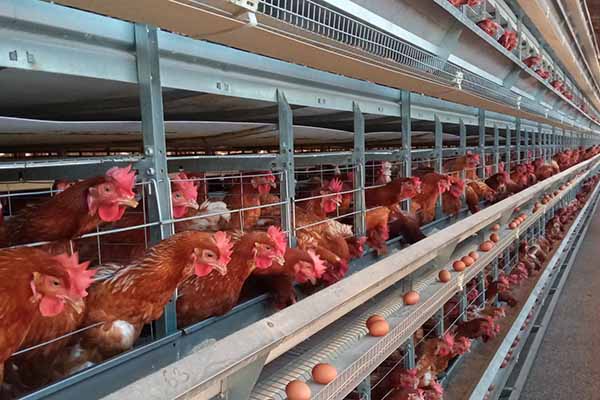
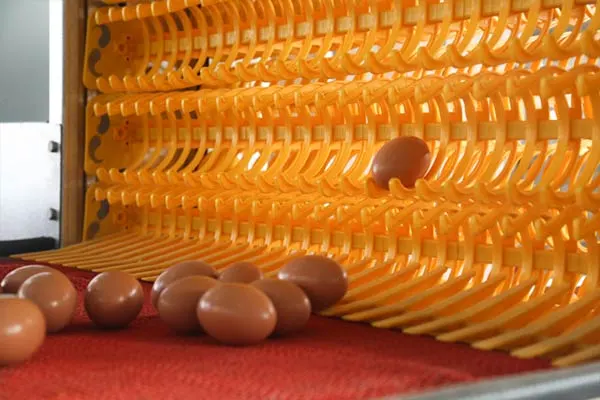
The H-type structure reduces bottlenecks in feeding routes by up to 40%, according to field tests conducted at three major farms in China and Vietnam. Unlike traditional linear cages, this design allows automated feeders to reach all tiers without repositioning, minimizing downtime. Similarly, the integrated egg conveyor system—engineered with precision-guided rollers—cuts manual egg picking time by an average of 35 minutes per shift across 500 birds per cage row.
Automation That Delivers Real ROI
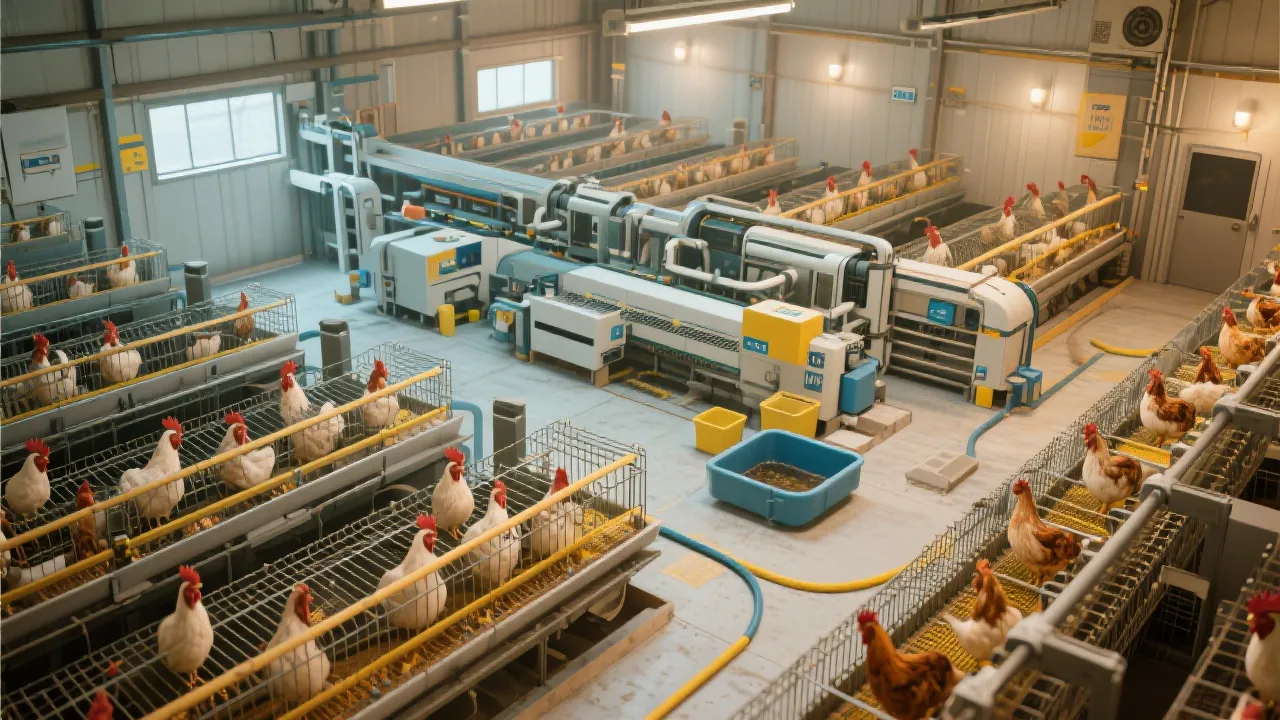
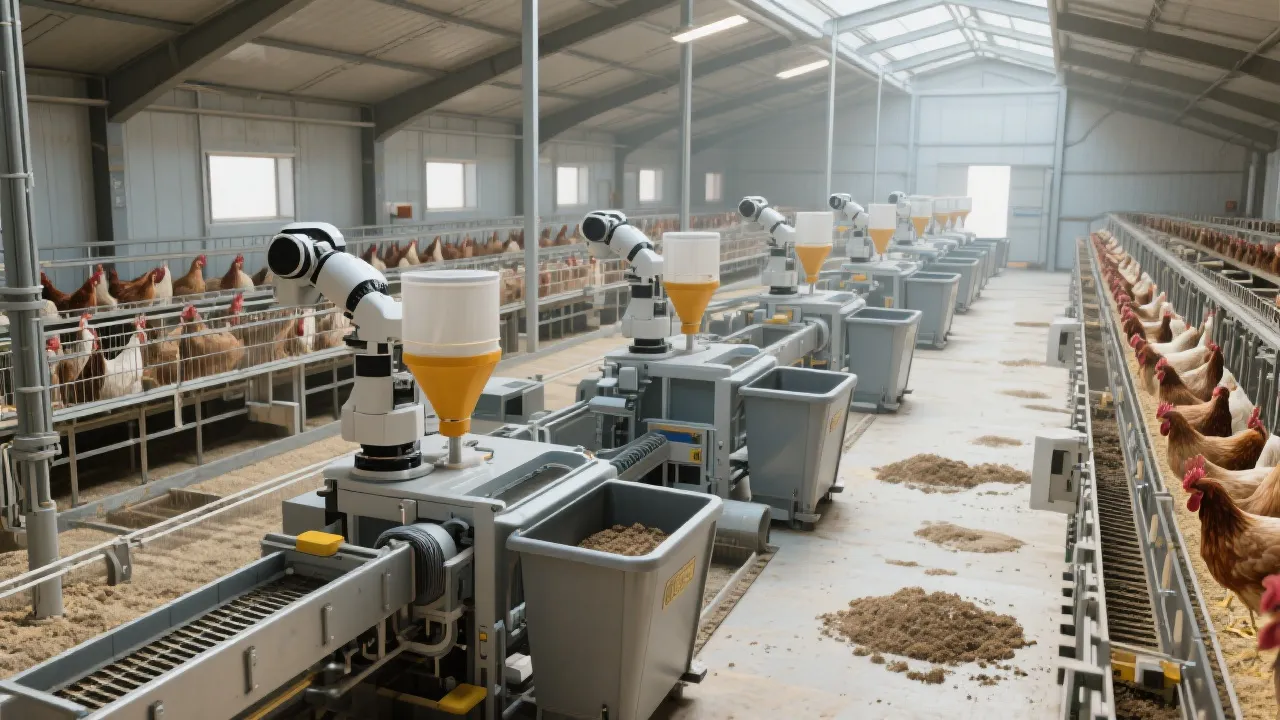
Manual labor accounts for approximately 30–40% of total operational costs in conventional egg farms. By automating feeding, egg collection, and waste removal, the Livi system reduces dependency on staff while increasing daily output. One case study from a 10,000-bird facility in Thailand reported a 12% increase in daily egg yield within two months of installation—not due to better genetics, but improved environmental consistency enabled by automation.
Certification as Proof of Quality
ISO9001 certification ensures consistent manufacturing quality and process control, while CE marking confirms compliance with EU safety, health, and environmental protection standards. These aren't just logos—they’re evidence that each unit undergoes rigorous stress testing, corrosion resistance checks, and load-bearing simulations before leaving the factory. Farms using certified systems report 60% fewer unplanned maintenance incidents over a 12-month period compared to non-certified alternatives.
What the Future Holds for Smart Poultry Farming
As global demand for sustainable protein grows, smart farming tools like automated layer cages are no longer optional—they’re essential. With IoT integration becoming standard, future models will offer real-time monitoring of temperature, humidity, and bird behavior. This data-driven approach helps prevent disease outbreaks, optimize feed conversion ratios, and improve overall flock welfare—key factors for export compliance in markets like the EU and GCC.
Get a free technical consultation tailored to your operation size, location, and goals—from small family-run units to industrial-scale hatcheries.






Hot Products

.jpg?x-oss-process=image/resize,m_fill,h_800,w_800/format,webp)




READY TO START?
Ready to Build Your Poultry Farm?
Tell us your land size, poultry type and farming capacity. LIVI will provide a complete farm solution for your project.