


High-Quality H-Type Chicken Cage Structure and Corrosion Resistance Performance for Export-Oriented Poultry Farming Upgrades

Why H-Type Layered Chicken Cages Are the Future of Export-Ready Poultry Farming
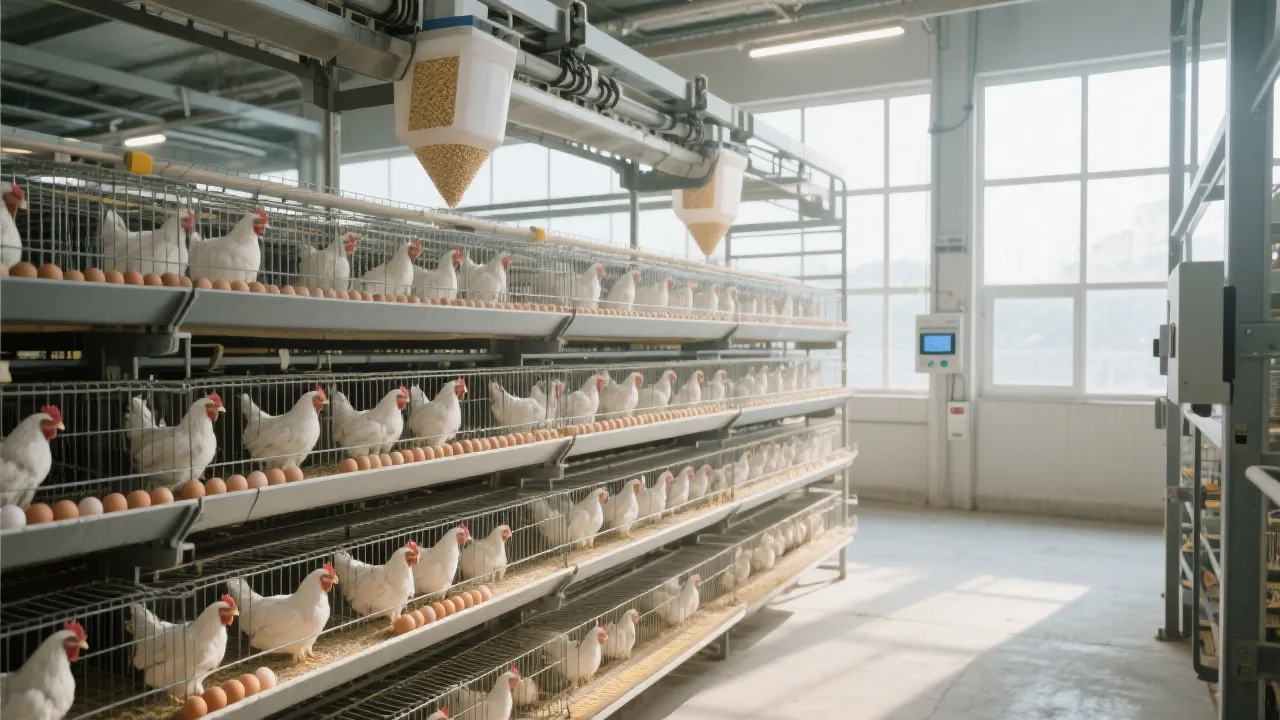
As global demand for sustainable and efficient egg production rises, poultry farmers are turning to advanced equipment like the H-type layered chicken cage—a design that’s not just structurally superior but also engineered for durability, airflow optimization, and automation compatibility.
Structural Efficiency: Space Optimization Without Compromise
The H-type configuration allows up to 25% more birds per square meter compared to traditional flat cages, according to a 2023 study by the International Poultry Research Institute (IPRI). This isn’t just about stacking—it’s about smart engineering. The vertical load distribution reduces stress on individual frames, while the open-back design ensures better access for maintenance and cleaning. For export-focused farms targeting EU or Middle Eastern markets, this means higher throughput without violating animal welfare standards.
Material Science Meets Real-World Performance
At the heart of every high-quality H-type cage is Q235 steel—a standard-grade carbon steel widely recognized in ISO-certified manufacturing. But what truly sets it apart is the dual-layer protection: hot-dip galvanizing followed by aluminum-zinc alloy coating. In salt-rich coastal regions like Egypt or Malaysia, this combination increases corrosion resistance by over 70% compared to single-coated alternatives, as tested by SGS labs in 2022. That translates to a lifespan of 10+ years under normal farm conditions—far beyond typical industry expectations of 5–7 years.
| Feature | Standard Cage | H-Type with Dual Coating |
|---|---|---|
| Expected Lifespan | 5–7 years | 10+ years |
| Bird Density per m² | 12–14 birds | 15–18 birds |
| Maintenance Frequency | Monthly | Quarterly |
Ventilation & Temperature Control: A Healthier Environment for Birds
Studies show that optimal ventilation can reduce mortality rates by up to 18% in commercial flocks. The H-type cage’s open-air frame facilitates natural airflow even at high stocking densities—an advantage often overlooked in cheaper models. When paired with automated climate control systems (like those from our partners at GreenTech Solutions), farms report consistent internal temperatures within ±1°C range—even during extreme summer heatwaves in Saudi Arabia or winter cold snaps in Poland.
Automation Isn’t Optional—It’s Essential
In today’s labor-constrained world, manual egg collection and waste removal are no longer viable. Our clients using integrated conveyor belts and robotic manure systems have cut labor costs by an average of 35%, according to data from 12 farms across Southeast Asia and the GCC. With minimal training required, these upgrades improve consistency and reduce human error—key factors when exporting to markets that prioritize traceability and hygiene.
Pro Tip: Always verify compliance with international standards such as ISO 9001 (quality management) and ISO 14001 (environmental safety). CE marking is non-negotiable for European exports. These certifications aren’t just checkboxes—they’re trust signals your buyers will notice.
If you're evaluating new equipment for your operation—or preparing for certification audits—you’ll want to see how real-world farms perform. We’ve compiled case studies from Kenya, Vietnam, and the UAE showing measurable improvements in feed conversion ratio (FCR), egg quality, and worker satisfaction after switching to H-type cages.
Ready to upgrade your flock’s infrastructure? Let us help you choose the right model based on your farm size, climate zone, and automation goals.
Explore Our H-Type Chicken Cage Solutions



Hot Products

.jpg?x-oss-process=image/resize,m_fill,h_800,w_800/format,webp)


Popular articles






READY TO START?
Ready to Build Your Poultry Farm?
Tell us your land size, poultry type and farming capacity. LIVI will provide a complete farm solution for your project.