How to Scientifically Design Broiler Chicken Cages to Cut Costs and Boost Output
For commercial broiler producers, “better equipment” is only meaningful when it translates into lower labor pressure, higher stocking efficiency, cleaner management, and more predictable results. In practice, a well-designed cage system is not a purchase—it’s a production model upgrade.
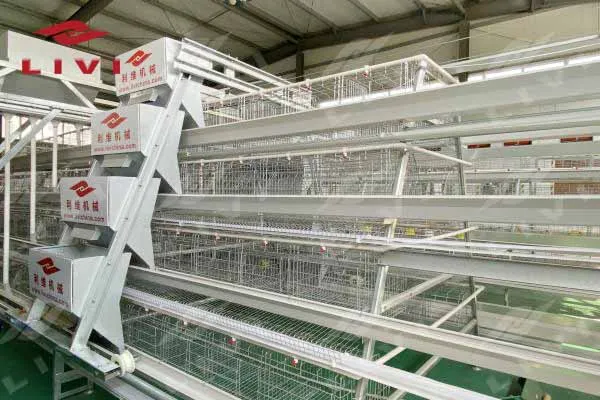
This solution-focused guide explains how an H-type broiler battery cage (multi-tier design, Q235 structural steel, hot-dip galvanizing) can reduce long-term replacement costs and help farms scale from 10,000 to 50,000 birds with more stable daily operations.
Who This Design Is Built For (and Why It Matters)
The decision-makers in broiler operations—farm owners, production managers, and integrators—rarely ask for “a cage.” They ask for a system that can absorb rising feed, labor, and biosecurity costs without sacrificing performance. That’s exactly where scientific cage design becomes a competitive lever.
The most common operational pain points in the consideration stage include:
- Labor bottlenecks during feeding, inspection, and catching
- Uneven flock management leading to avoidable losses
- Space constraints that cap output per building
- Corrosion and deformation that drive frequent repairs and replacements
The right cage layout can help “make every square meter create maximum profit”—not through slogans, but by changing the daily math of your farm.

The Core of Scientific Design: Structure, Material, and Anti-Corrosion
When broiler farms evaluate equipment ROI, the hidden cost is rarely the first invoice—it’s replacement cycles, downtime, and maintenance distractions. A cage system that survives harsh humidity, manure gases, and washdown routines can quietly outperform cheaper alternatives for years.
1) H-Type Multi-Tier Structure (3–4 Levels) for Space Efficiency
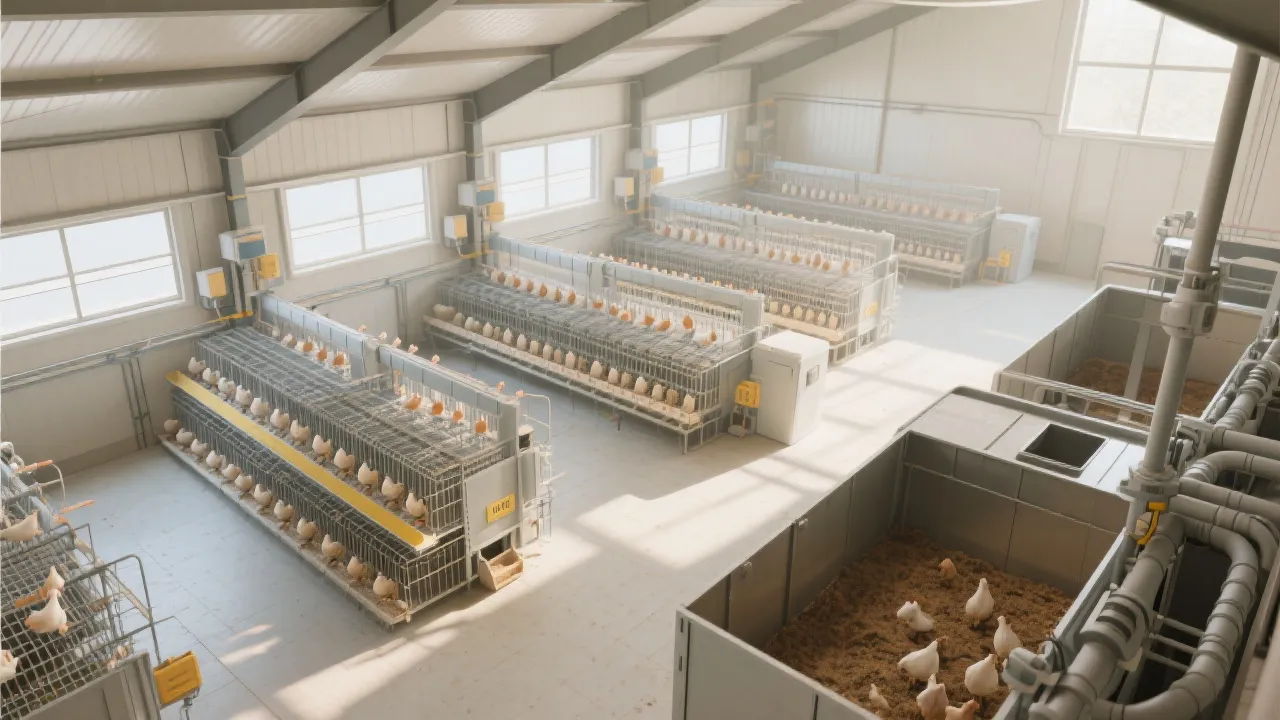
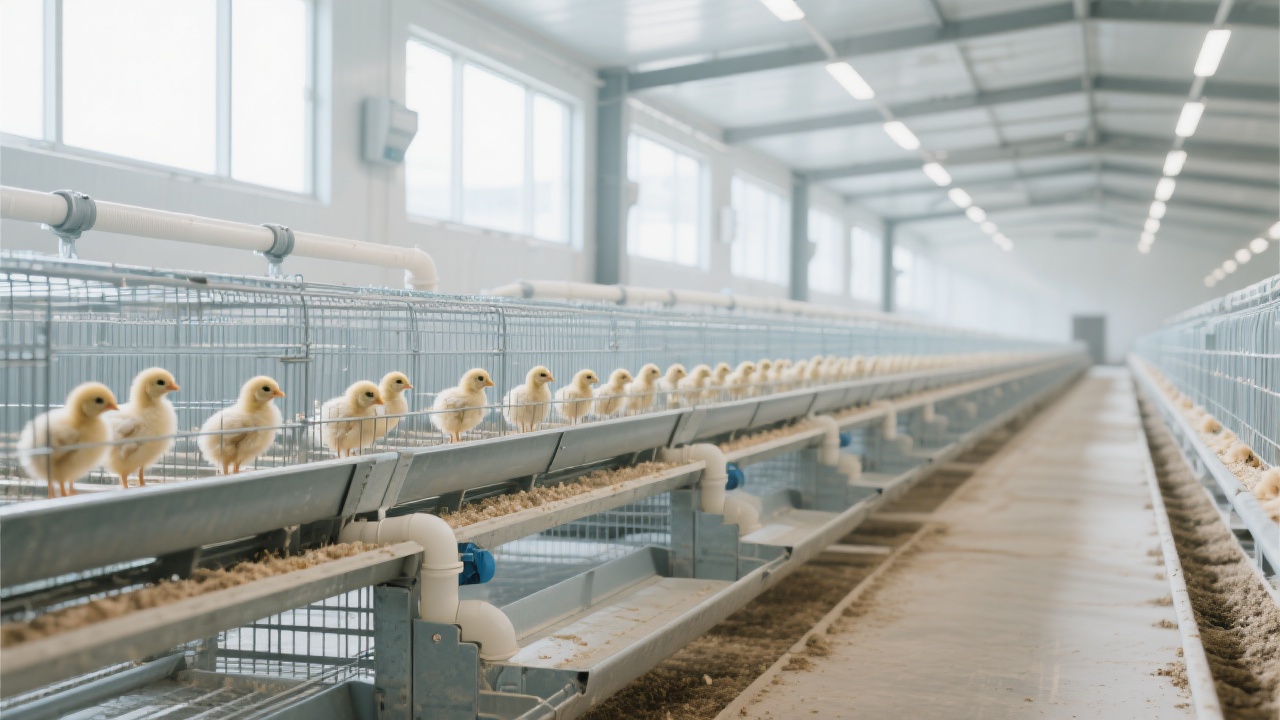
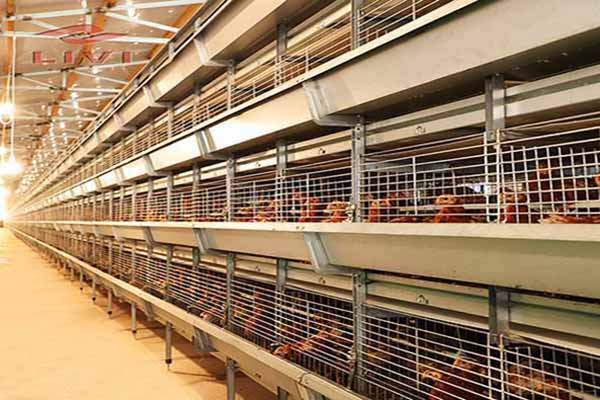
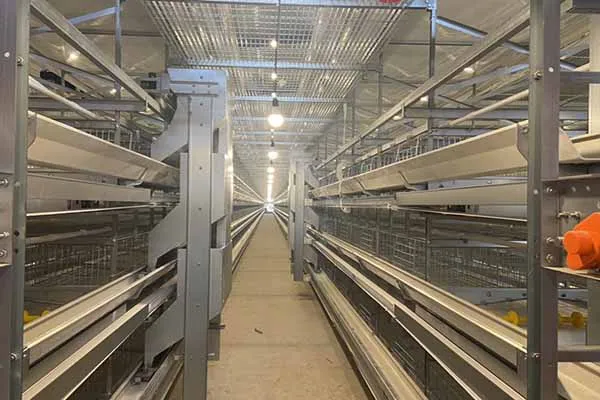
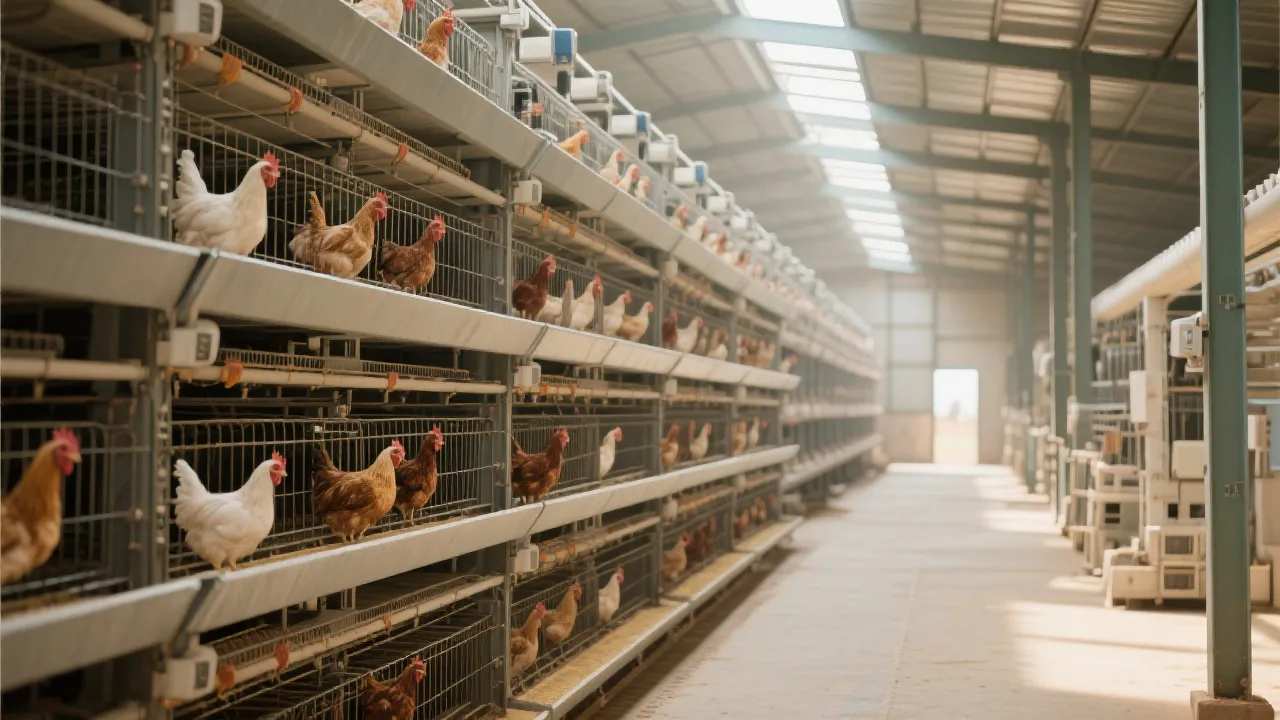
H-type battery cages use vertical space to increase stocking capacity per house while keeping access pathways and daily checks more structured. A typical 3–4 tier configuration can improve usable capacity by 30–60% compared with floor rearing in the same building footprint (exact results vary by ventilation, local welfare rules, and target market requirements).
More importantly, a clearer “grid” layout makes routine work more repeatable: feed lines, drinkers, inspections, and health observations become a standard process rather than a constant improvisation.
2) Q235 Structural Steel: Strong, Stable, and Proven in Industrial Use
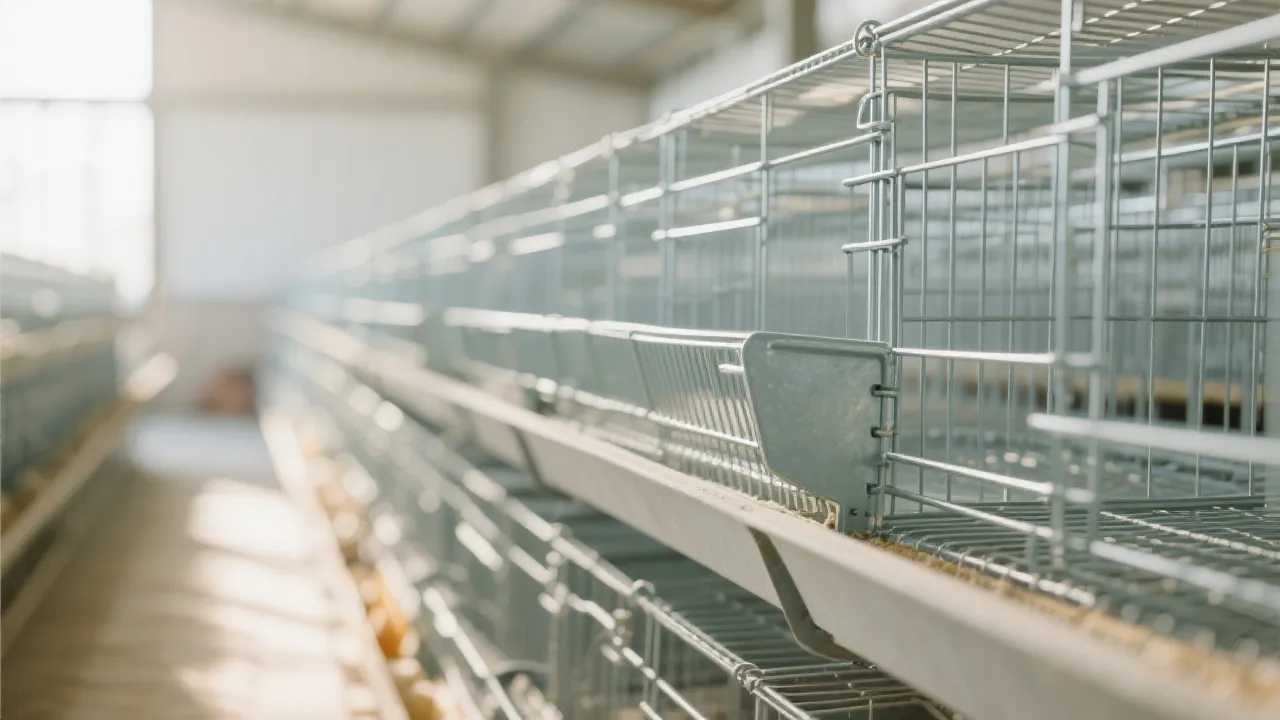
Using Q235 steel for the frame is a practical decision for commercial poultry environments. Its balance of strength and manufacturability supports stable multi-layer loads and helps reduce deformation over time—especially in houses where equipment is moved, cleaned, or adjusted frequently.
3) Hot-Dip Galvanizing: Real Protection in a High-Ammonia Environment
Corrosion is one of the fastest ways poultry equipment “quietly fails.” Hot-dip galvanizing creates a protective zinc layer that better resists moisture and ammonia exposure than basic painted surfaces. In many real farm conditions, a properly galvanized system can deliver a service life of 15–20 years, dramatically reducing replacement frequency and unplanned repairs.
This is where the mindset shifts to: “Invest once, enjoy peace of mind for ten years.” Not because nothing ever breaks, but because the system is designed to stay stable and maintainable over a long operating horizon.
What Changes on the Farm: From 10,000 to 50,000 Birds
Below is a practical comparison that reflects what many farms experience after shifting from basic housing to an H-type broiler cage system. The numbers are offered as reference benchmarks commonly reported in commercial operations; your outcome depends on bird density, workflow discipline, and local management standards.
| Operational Metric | Before (traditional setup) | After (H-type multi-tier cages) | What it Means |
|---|---|---|---|
| Bird capacity per same house footprint | Baseline | +30% to +60% | Higher output without building expansion |
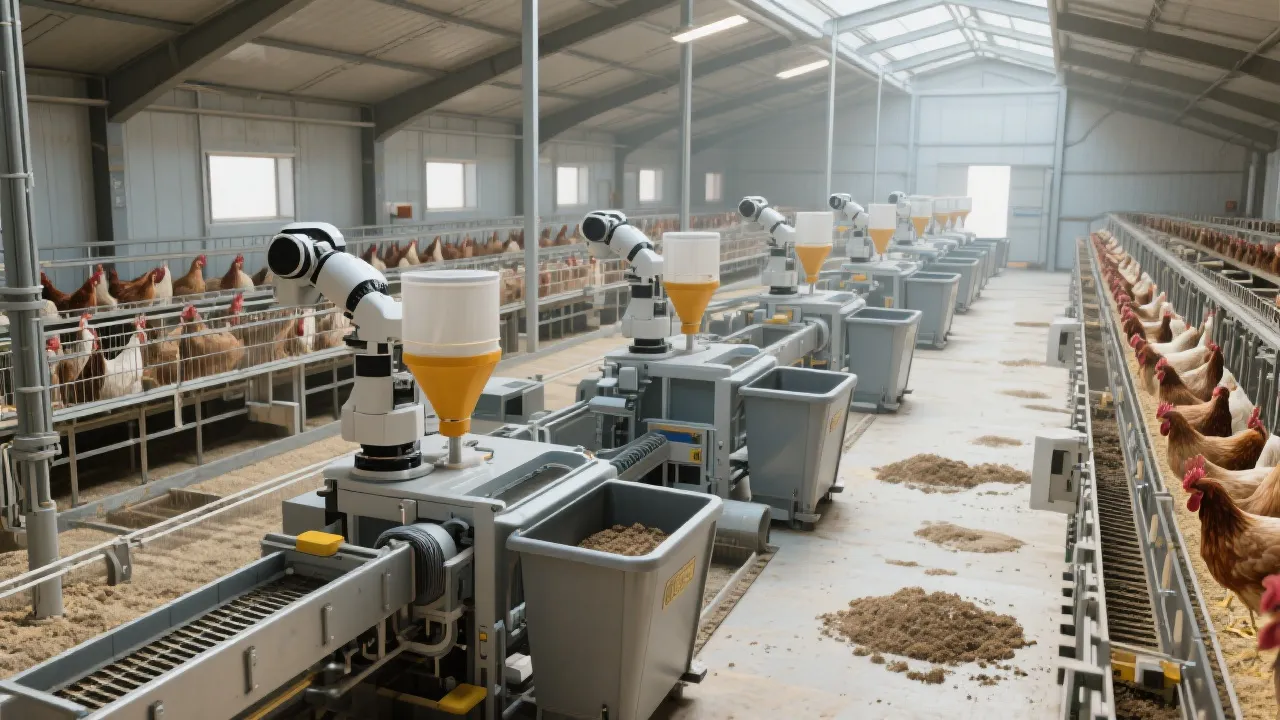
| Daily labor needs (30,000-bird farm reference) | Often 10–12 workers/day | Often 7–9 workers/day | ~3 fewer people/day through streamlined routines |
| Routine inspection time | Long, inconsistent | 20%–35% faster | More time for health decisions, less time walking |
| Equipment replacement cycle | 5–8 years typical (low corrosion resistance) | 15–20 years (hot-dip galvanized) | Lower total cost of ownership over multiple flocks |
In one representative scaling path, farms that started around 10,000 birds often use the cage system to stabilize procedures; by the time they expand to 30,000 and 50,000 birds, the real benefit is consistency—repeatable feeding, predictable checks, and fewer “surprises” during peak workload days.
Why Management Feels Easier (Even Before You Count the Money)
Many producers first notice the value not on a spreadsheet, but in the rhythm of the day. A structured cage layout reduces “unseen waste”—extra steps, missed checks, uneven feeding observation, and late detection of problems.
Daily routines become standardized
With a multi-tier system, teams can follow fixed routes for feeding and inspection. This makes training faster and reduces operational dependence on a few “experienced hands.” Over time, standardization is what protects output when staff changes or when the farm expands quickly.
Maintenance pressure drops
Q235 steel plus hot-dip galvanizing is not just about strength; it’s about fewer urgent fixes during production cycles. Less rust and less deformation typically means fewer sharp edges, fewer stuck components, and less disruption when it matters most.
Customer Voice (Real-World Feedback)
“After switching to the H-type broiler cages, our 30,000-bird house runs with three fewer workers per day. The biggest change is that checks are faster and more consistent—problems are spotted earlier, and the team wastes less time walking and correcting small issues.”
What Buyers Usually Want to Know Before They Decide
Is it suitable for my farm size?
H-type broiler battery cages are commonly configured for growing farms, from 10,000 birds per house to larger setups like 50,000 birds, depending on building dimensions, ventilation design, and local stocking recommendations. The best results come from matching tier count, aisle width, and equipment layout to your workflow—not forcing a one-size-fits-all drawing.
What about long-term cost vs. upfront cost?
Producers typically compare systems by initial purchase cost, but the more accurate view is total cost of ownership: lifespan, maintenance frequency, downtime risk, and replacement cycles. With a 15–20 year service life target under proper use, a galvanized Q235 structure can significantly reduce “buy again” pressure across multiple production expansions.
Do suppliers provide installation and shipping support?
Serious projects usually include packing, export shipping coordination, and installation guidance (remote or on-site depending on the project scope). Quotations are typically provided as a range based on house size, tier count, automation preferences, and destination logistics—without forcing you into a fixed template.
Make Every Square Meter Create Maximum Profit
If your goal is lower labor cost, higher stocking efficiency, and a cage system engineered to last 15–20 years, request a tailored layout and capacity plan based on your building size and target bird count.
Note: Output and labor benchmarks vary with ventilation, stocking density rules, automation level, and management practices. A farm-specific plan is the fastest way to estimate real savings.




.jpg?x-oss-process=image/resize,m_fill,h_800,w_800/format,webp)