H-Type Broiler Battery Cage System for Large-Scale Poultry Farming | Multi-Tier Design & Efficient Management
Zhengzhou Livi Machinery Manufacturing Co., Ltd.
2026-02-14
Application Tutorial
This article presents practical, real-world guidance for improving broiler production management using an H-type broiler battery cage solution developed by Zhengzhou Livi Machinery Co., Ltd. Drawing on successful implementations across large farm sizes (10,000, 30,000, and 50,000 birds), it explains how multi-tier cage design helps maximize housing capacity, streamline daily feeding routines, and make flock health checks more consistent and time-efficient. The article also highlights durability factors such as Q235 bridge steel construction and hot-dip galvanizing for long-term corrosion resistance, supporting stable operation over years of intensive use. In addition, it outlines the typical project delivery workflow—site planning, logistics, installation, and technical support—showing how standardized processes reduce downtime and operational uncertainty. Supported by operator feedback and measurable management improvements, the content is written in a clear, accessible style to help decision-makers quickly evaluate value, understand implementation steps, and request a farm-specific configuration for sustainable, competitive broiler production.
Optimizing Broiler Farming Workflow: Practical Ways to Manage Faster and Spend Less
In today’s broiler industry, margins are often decided by details: how quickly staff can check birds, how evenly feed and water are delivered, how predictable cleaning is, and how long the equipment lasts before corrosion becomes a hidden cost. Based on the H-type broiler battery cage solution from Zhengzhou Livi Machinery Co., Ltd., this guide explains how large-scale farms—10,000, 30,000, and 50,000 birds—can streamline daily operations and reduce long-term operating costs with a clear, replicable process.
Best for: commercial broiler operators, integrators, farm managers
Goal: higher throughput per worker + lower maintenance risk
Focus: workflow, durability, and scalable design
Why Farm Workflow Matters More Than Ever
The broiler market is becoming more standardized and data-driven. Many farms are now measured not only by survival rate and final body weight, but also by consistency across cycles. In practical terms, that pushes managers to improve three things: space efficiency, inspection speed, and repeatable daily routines.
A well-designed multi-tier cage system can turn “time-consuming tasks” into “fixed-time tasks.” When feeding, watering, and visual checks follow a stable path, the farm becomes easier to manage—even with staff turnover or seasonal pressure.
Common cost leaks in large-scale broiler farming
Extra labor hours caused by scattered house layout and difficult access
Hidden repair costs from corrosion, rust, and weld fatigue
Uneven feed/water distribution leading to non-uniform growth and grading losses
Slow daily checks, making early health signals easy to miss
What Makes the H-Type Broiler Battery Cage a Long-Term Asset
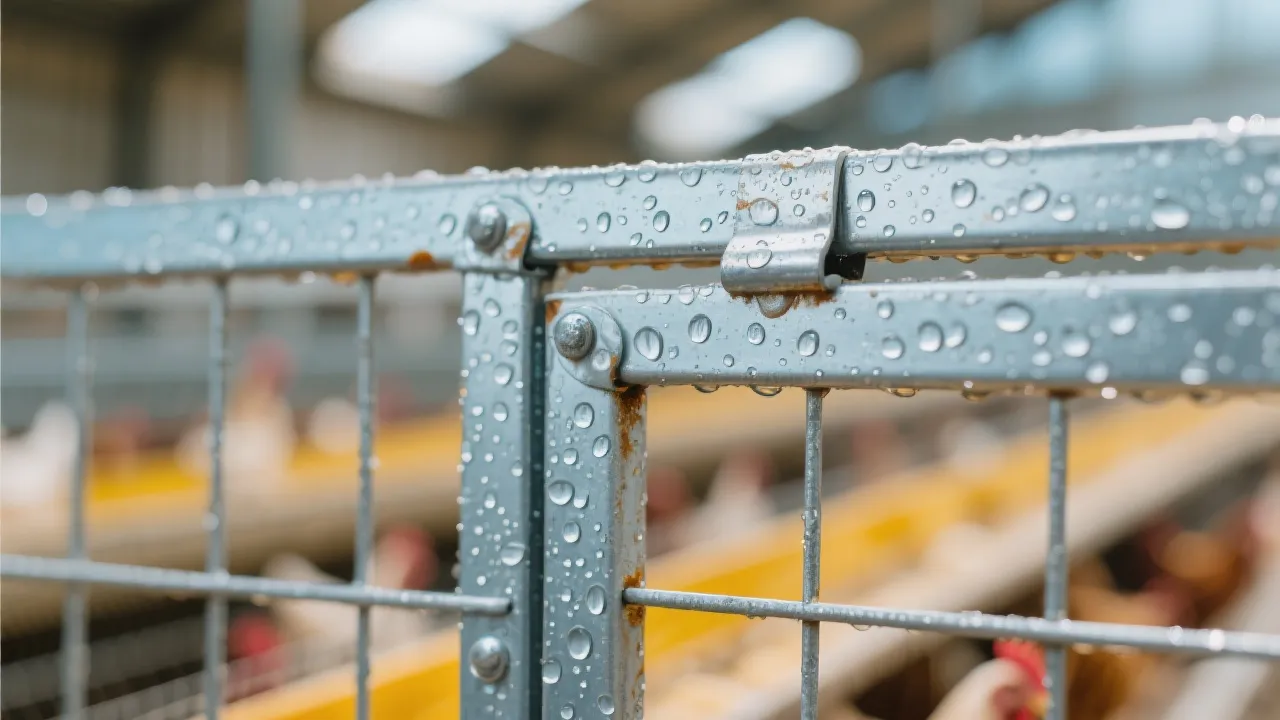
For many farms, the largest “surprise expense” is not feed—it is equipment replacement and ongoing repairs. Livi’s H-type solution highlights two material decisions that directly affect lifecycle cost: Q235 bridge steel for structural strength and hot-dip galvanizing for corrosion resistance.
Durability you can plan around
In typical broiler-house conditions (ammonia, humidity, frequent wash-down), hot-dip galvanized cage systems are often selected because they stay stable across many cycles. In many commercial environments, a well-maintained galvanized structure can target a working life of 15–20 years, helping farms protect capital expenditure and reduce downtime risk.
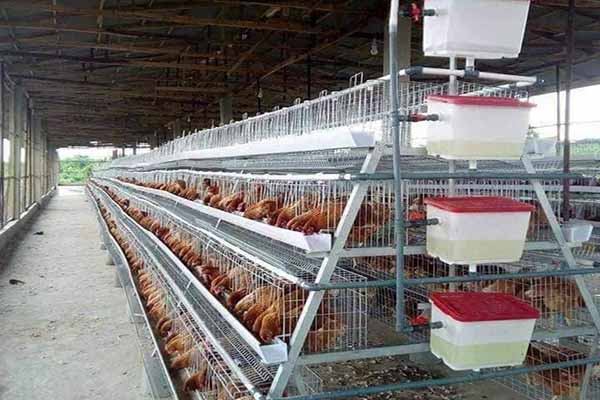
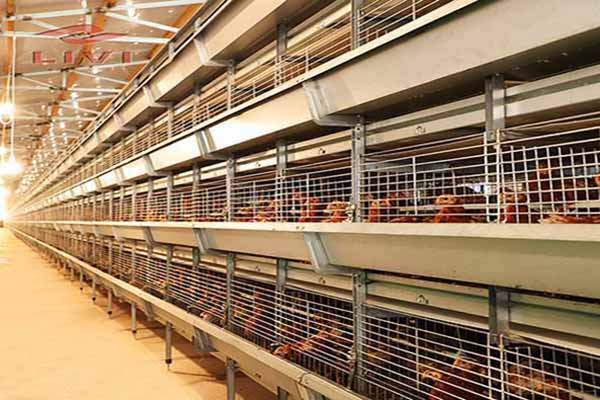
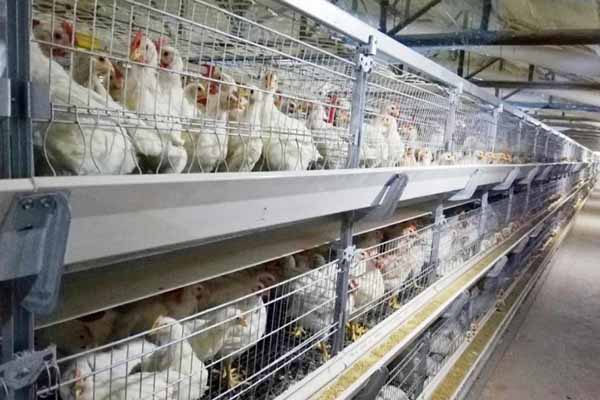
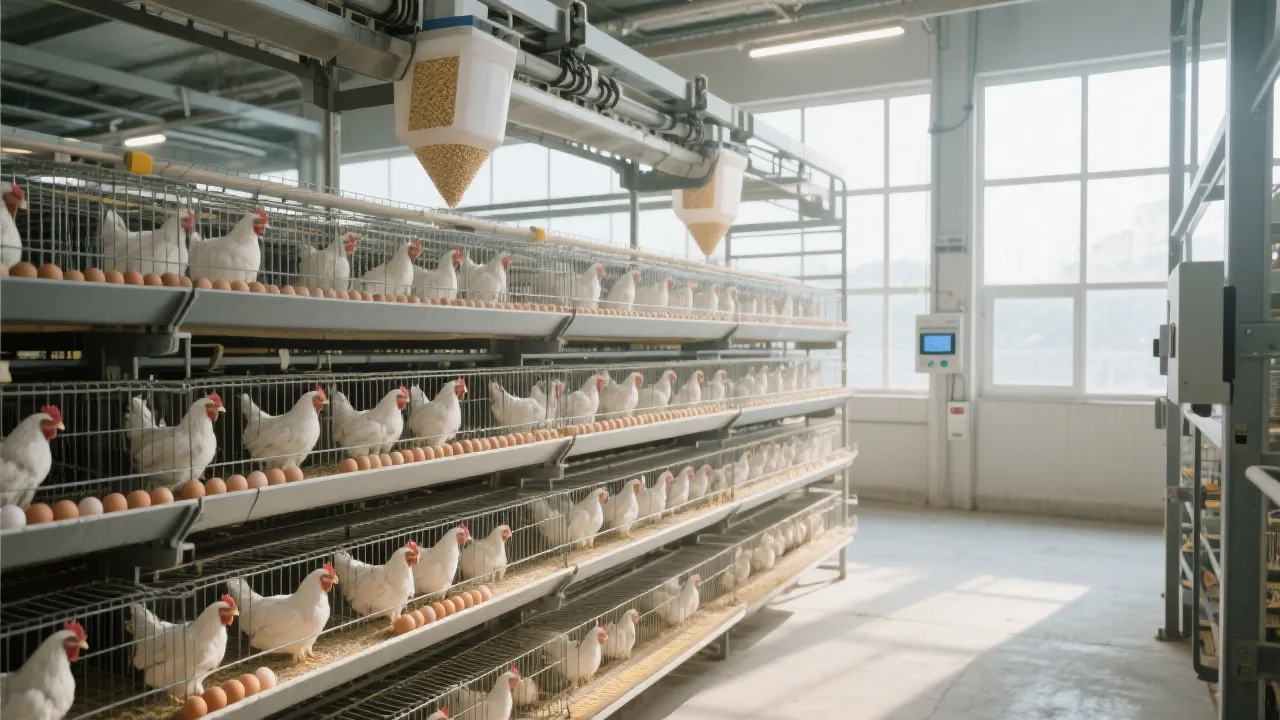
Multi-tier design: more output per square meter
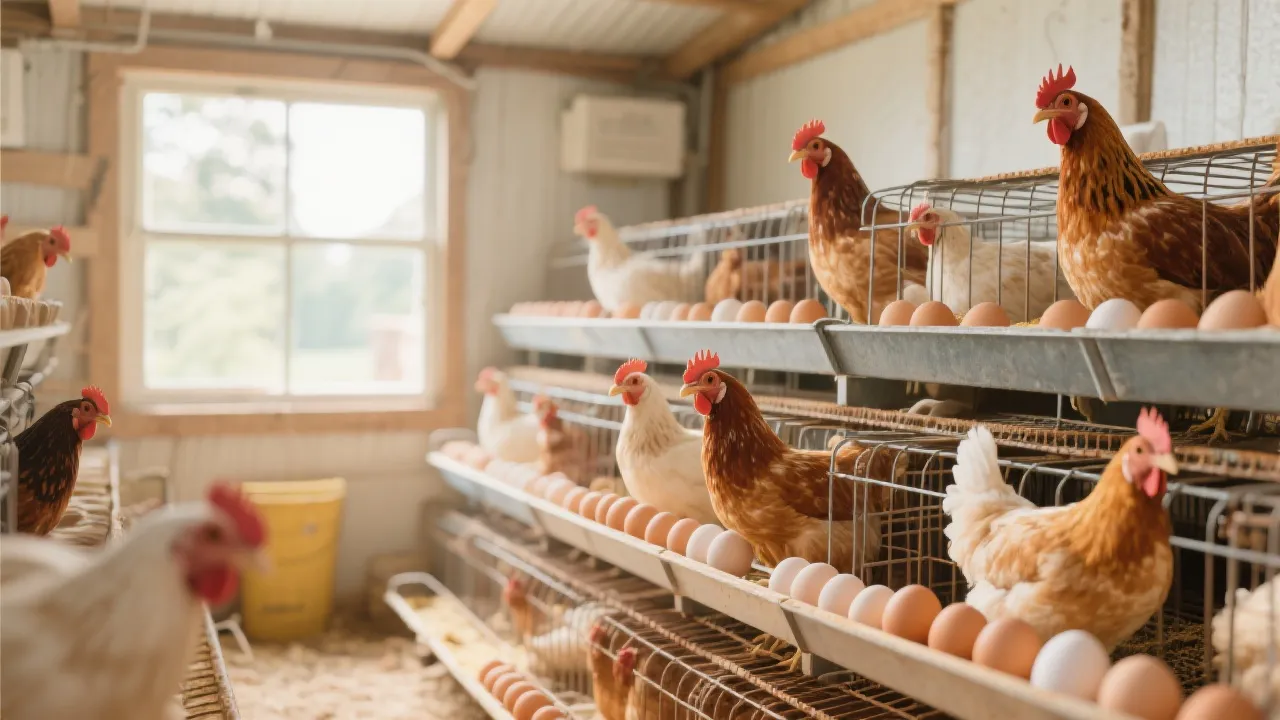
Compared with floor systems, multi-tier cages typically allow higher stocking density per building footprint, which can reduce the number of houses needed for the same production target—or free space for storage, service corridors, and biosecurity zoning.
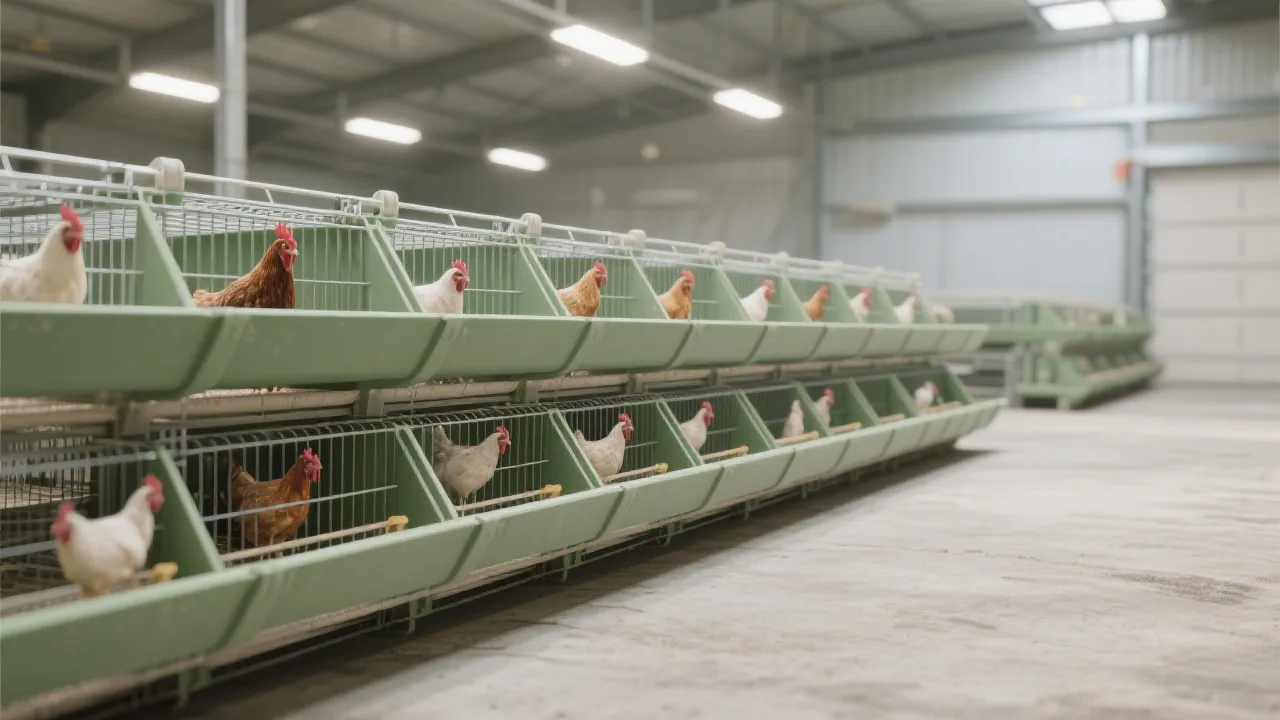
The H-type layout supports a cleaner “line-of-sight” inspection route. Staff can move aisle-by-aisle, quickly scan bird condition, and respond earlier to abnormal behavior or uneven growth patterns—without climbing, bending excessively, or walking long detours.
Right-Sizing the Solution: 10,000 vs 30,000 vs 50,000 Birds
Large-scale broiler farming is not “one template fits all.” The optimal cage layout depends on house dimensions, ventilation style, local power stability, staffing plan, and target cycle frequency. Below is a practical comparison commonly used in project planning.
Farm Scale
Typical Layout Focus
Management Priority
Expected Operational Gain (reference)
10,000 birds
Efficient aisle design, easy access for learning curve
Reduce daily time spent on feeding + checks
Labor hours per day typically cut by 20–30%
30,000 birds
Standardized blocks, smoother flow for teams
Uniformity across batches, routine-based management
Inspection speed improved by 30–40%; fewer missed issues
50,000 birds
High-density optimization with strict service corridors
Overall operating cost commonly reduced by 8–15% per cycle
Note: The percentages above are reference ranges observed in commercial operations where workflow changes were implemented alongside basic staff SOPs and scheduled maintenance.
What Changes in Daily Management After Installation
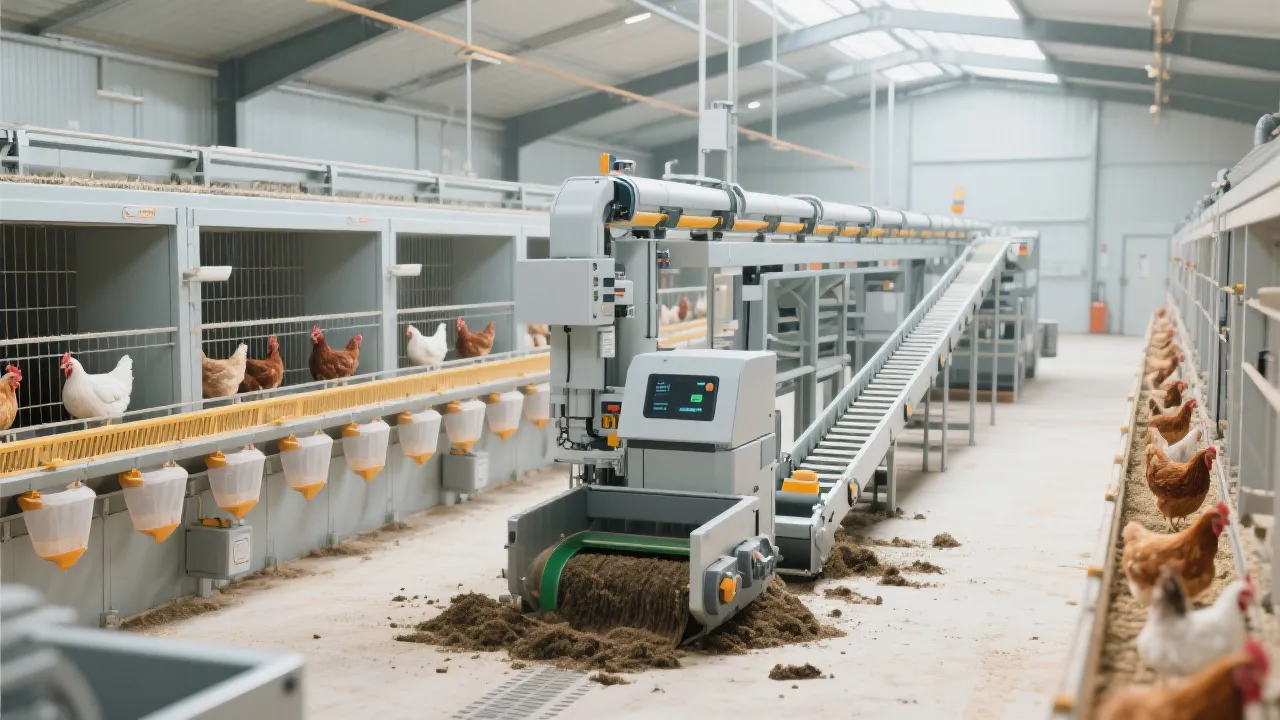
The biggest difference operators report is not “the cage itself,” but how the cage makes daily tasks easier to repeat. In multi-tier systems, routine becomes structured: staff follow fixed inspection lines, feeding and watering points are more consistent, and the farm can adopt cleaner reporting.
Faster health checks
With improved visibility and access, farms commonly reduce the time required for one complete house walk-through. Some operators report checking 30,000 birds with a small team in 45–60 minutes, depending on house length and inspection protocol.
Less waste, more consistency
When feeding routines are stable, farms can keep better control over daily consumption. In many cases, feed waste reductions of 3–7% are achievable after staff adapt to the new process and maintenance is kept on schedule.
Easier cleaning planning
Predictable access makes it simpler to plan wash-down and disinfection windows. Farms that previously “lost a day” between batches often aim to shorten turnaround by 0.5–1.5 days, depending on local drying conditions and biosecurity standards.
Implementation: Quotation Range, Shipping, Installation, and Support
For buyers in the consideration stage, the real question is usually: “How predictable is the project?” A cage system is not only a product—it is an installation outcome. Livi projects are commonly delivered with a full workflow: configuration review, production, packing, shipping coordination, on-site or remote guidance, and after-sales technical support.
Quotation guidance (no fixed price)
Final cost is mainly affected by house size, cage tiers, automation level, wire diameter, and local installation conditions. As a planning reference, commercial farms often evaluate budget ranges by “cost per bird capacity,” where multi-tier galvanized systems frequently fall into a broad band of USD 6–18 per bird capacity depending on configuration and auxiliary equipment.
Shipping and packing that protects the galvanized surface
For overseas delivery, proper bundling and separation materials help minimize scratches on galvanized layers. Typical lead time for manufacturing and export preparation is often 20–45 days for large projects, then shipping time depends on destination and route.
Installation and training
A smooth start depends on correct leveling, fastener torque, and a clear SOP for daily checks. Many farms schedule 3–7 days for installation and commissioning (scale-dependent), followed by training focused on inspection routes, cleaning intervals, and simple maintenance routines.
Simple ROI thinking for decision-makers
Farms typically justify a cage project by combining (1) labor savings, (2) reduced repairs, and (3) better flock uniformity. Even a conservative improvement—such as 8–15% lower operating cost per cycle—can materially change payback time in high-volume operations, especially when the structure is designed for long service life.
Request a Farm-Specific H-Type Broiler Battery Cage Plan
If the farm target is 10,000, 30,000, or 50,000 birds, the fastest way to avoid over- or under-building is a tailored layout based on the house dimensions and workflow goals. Livi’s team typically prepares a practical proposal including tier recommendation, row spacing, bill-of-material guidance, and delivery/installation steps.
For faster quoting, prepare: house length/width, target capacity, country/port, and whether you prefer manual or semi-automatic operation. Contact: Sales Team (WhatsApp/Email).









.jpg?x-oss-process=image/resize,m_fill,h_800,w_800/format,webp)