


Material & Strength
Structural components can be engineered with Q235 bridge steel for stable load-bearing in multi-tier configurations, reducing deformation risks under long-term use.


Broiler farming decisions are rarely “one-size-fits-all.” A 10,000-bird owner worries about payback speed and labor. A 50,000-bird operation needs stable daily output and strict biosecurity. A 100,000+ project is built around airflow, stocking density, and predictable maintenance. This solution-based article reviews three real-world scale scenarios and shows how an H-type battery cage can be specified and deployed to improve throughput, reduce losses, and keep operating costs under control—supported by practical data ranges and field feedback.
Best-fit when: You want higher density + easier manure handling + standardized management.
Core topic: Choosing & customizing cage specs by capacity, building size, ventilation plan, and labor model.
In the consideration stage, many buyers compare cage “layers” first. Experienced operators look deeper: bird flow, feed/water uniformity, corrosion resistance, and serviceability. With broilers, small inconsistencies quickly become measurable losses—uneven weight gain, higher culls, and more labor per 1,000 birds.
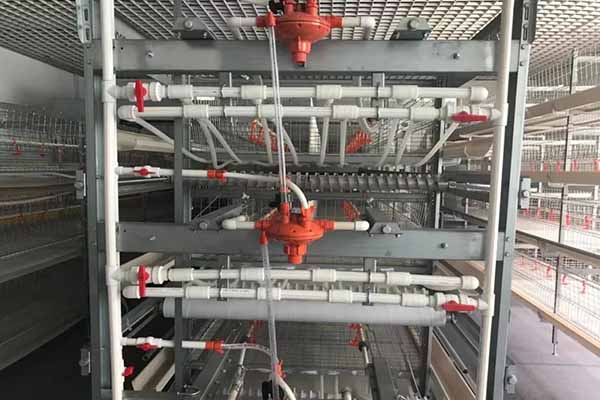
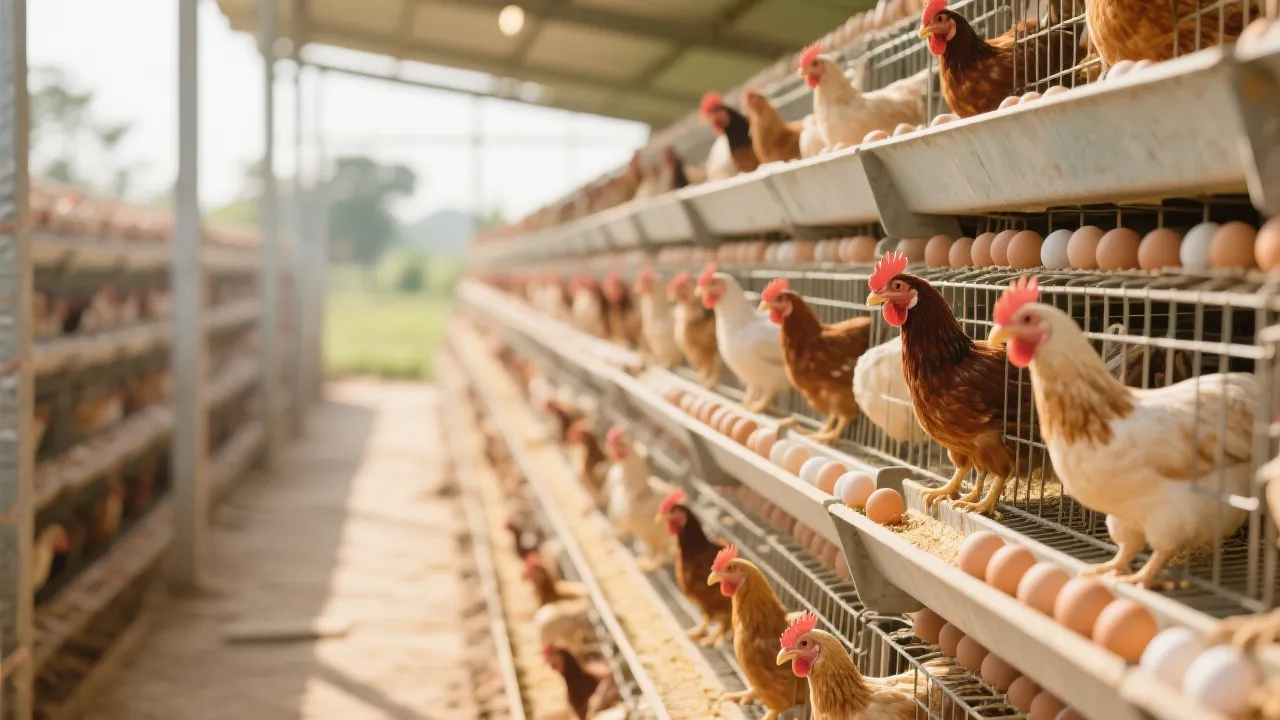
Zhengzhou Livi Machinery Manufacturing Co., Ltd. designs H-type multi-tier cage systems to help broiler farms increase usable capacity while keeping daily operations predictable. For buyers who need clarity, the value is not just “more birds”—it is a repeatable management system: consistent feeding/watering lines, rational aisles, maintenance-friendly structure, and a build that stands up to corrosion.
Structural components can be engineered with Q235 bridge steel for stable load-bearing in multi-tier configurations, reducing deformation risks under long-term use.
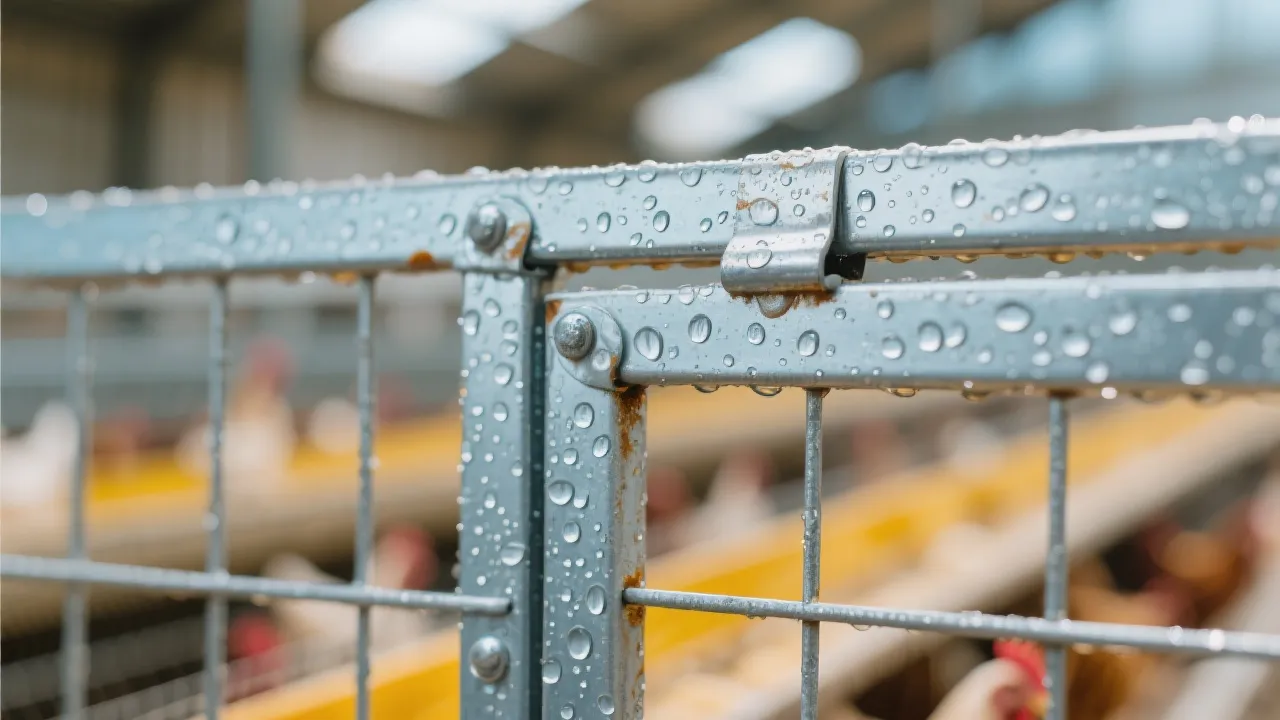
In high-ammonia poultry houses, robust surface protection is a practical investment. Anti-corrosion finishing helps keep cages functional and cleaner across multiple cycles.
Cage tiers, row length, aisle width, and supporting equipment can be matched to building dimensions, ventilation plan, and target capacity—avoiding “looks right” layouts that underperform.
A family-run farm upgrading from floor rearing typically wants quick operational improvements: easier daily checks, less messy litter management, and more stable feed conversion. The cage plan focuses on a straightforward H-type structure with practical access points—so one or two workers can run the house without constant firefighting.
Typical build goals
Reference impact (farm-reported ranges)
Client feedback: “After switching to an H-type cage layout, we could check birds faster and keep the house cleaner. Daily work became predictable rather than reactive.”
Medium farms often scale through multiple houses or a larger single building. Here, the cage decision becomes a management decision: the farm needs consistent feed/water delivery, rational walkways, and smoother batch turnover. The H-type battery cage is specified with attention to row spacing, service aisles, and maintenance access, so daily performance does not depend on “hero employees.”
Client feedback: “We didn’t want a cage— we wanted a system. The layout plan helped us avoid bottlenecks during feeding and daily checks.”
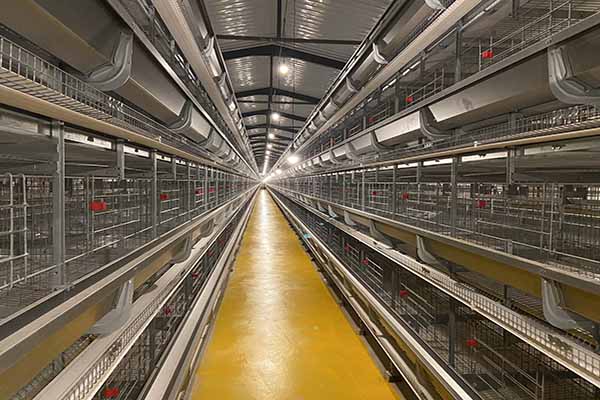
At large scale, small inefficiencies become major costs. Buyers usually request a full house plan: cage rows aligned with ventilation direction, clear maintenance corridors, and standardized equipment lists for spare parts. The H-type cage configuration is treated as part of the facility engineering—especially when stocking density is pushed to maximize output per building.
Operational priorities
Reference impact (typical ranges)
Client feedback: “The biggest improvement was consistency—feed distribution, daily inspection, and batch turnover became measurable, not guesswork.”
To make an H-type battery cage project successful, buyers should confirm site constraints and operating targets early. The table below is a realistic pre-quotation checklist used in many cage planning discussions.
| What to Confirm | Why It Matters | Typical Buyer Output |
|---|---|---|
| House length/width/height | Determines row count, tier count, service aisles | A workable layout drawing + capacity range |
| Ventilation direction & fan capacity | Avoids heat pockets and uneven growth | Row alignment + spacing recommendations |
| Target birds per cycle | Defines equipment scale and expansion path | Cage quantity + phased investment plan |
| Cleaning method & water quality | Affects corrosion risk and hygiene routine | Coating/finishing selection guidance |
| Labor model (workers per house) | Determines access design and workflow | Aisle widths + inspection workflow plan |
Interactive check: If a supplier only asks for “how many birds,” ask back: “How will you match cage tiers, row spacing, and ventilation to my building?” The quality of that answer often predicts project results.
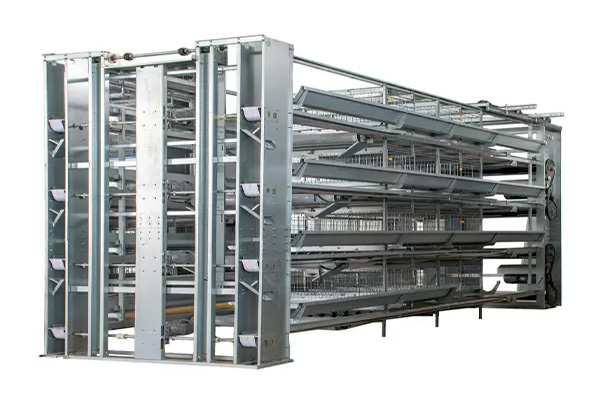
Many broiler equipment projects fail in the “in-between”: unclear drawings, mismatched accessories, delayed shipment, or installation improvisation. A reliable workflow reduces uncertainty and protects the farm’s production schedule.
House dimensions, target capacity, ventilation, local climate, water quality, and staffing model are confirmed before finalizing the cage design.
Tier/row plan, cage quantity, and accessory selection are aligned to management workflow—so performance is consistent across cycles.
Manufacturing schedule, packaging protection, and shipment plan are organized to reduce transit damage and site delays.
Structured installation guidance and operational checks help farms enter production with fewer surprises.
For due diligence, buyers can request: a layout drawing, an equipment list (BOM), corrosion/steel description, and an installation plan. These are practical trust signals in B2B poultry equipment procurement.
Share your house dimensions, target birds per cycle, and ventilation approach. Zhengzhou Livi Machinery Manufacturing Co., Ltd. can help outline a practical configuration that fits your space, workflow, and expansion plan.
Suggested to include: house L×W×H, climate, water source, and your target market weight.

READY TO START?
Tell us your land size, poultry type and farming capacity. LIVI will provide a complete farm solution for your project.




.jpg?x-oss-process=image/resize,m_fill,h_800,w_800/format,webp)


