


Optimizing Space and Comfort in Efficient H-Shaped Layered Egg Laying Cages for Enhanced Poultry Production

Optimizing Space in Poultry Farming with the Efficient H-Type Layer Cage System
In modern egg production, maximizing space utilization while ensuring optimal animal welfare presents a significant challenge. The innovative H-type layer cage system offers a breakthrough by ingeniously balancing high-density housing with enhanced hen comfort. This article delves into the scientific principles underlying the H-type structure and explores how automation and intelligent environmental control converge to boost productivity, reduce labor costs, and sustain egg quality.
Why the H-Type Structure Surpasses Traditional Cage Designs
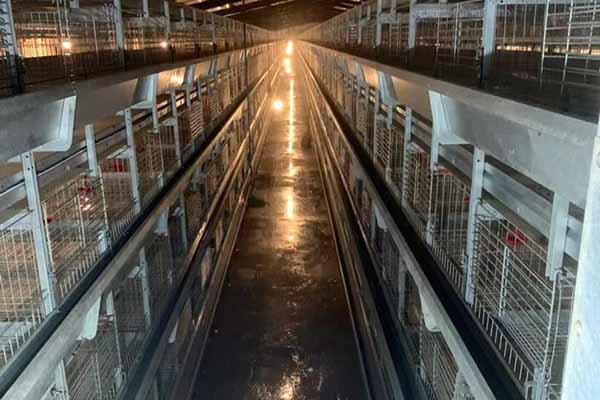
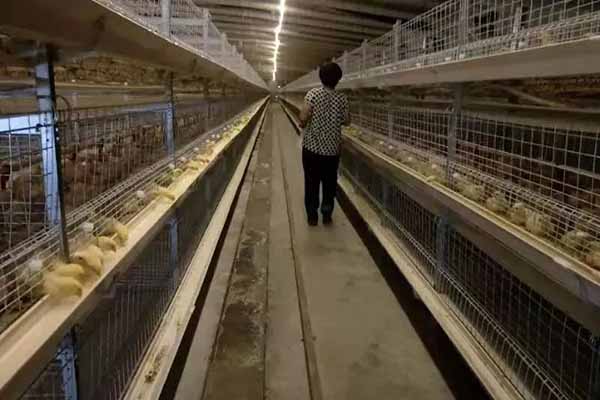
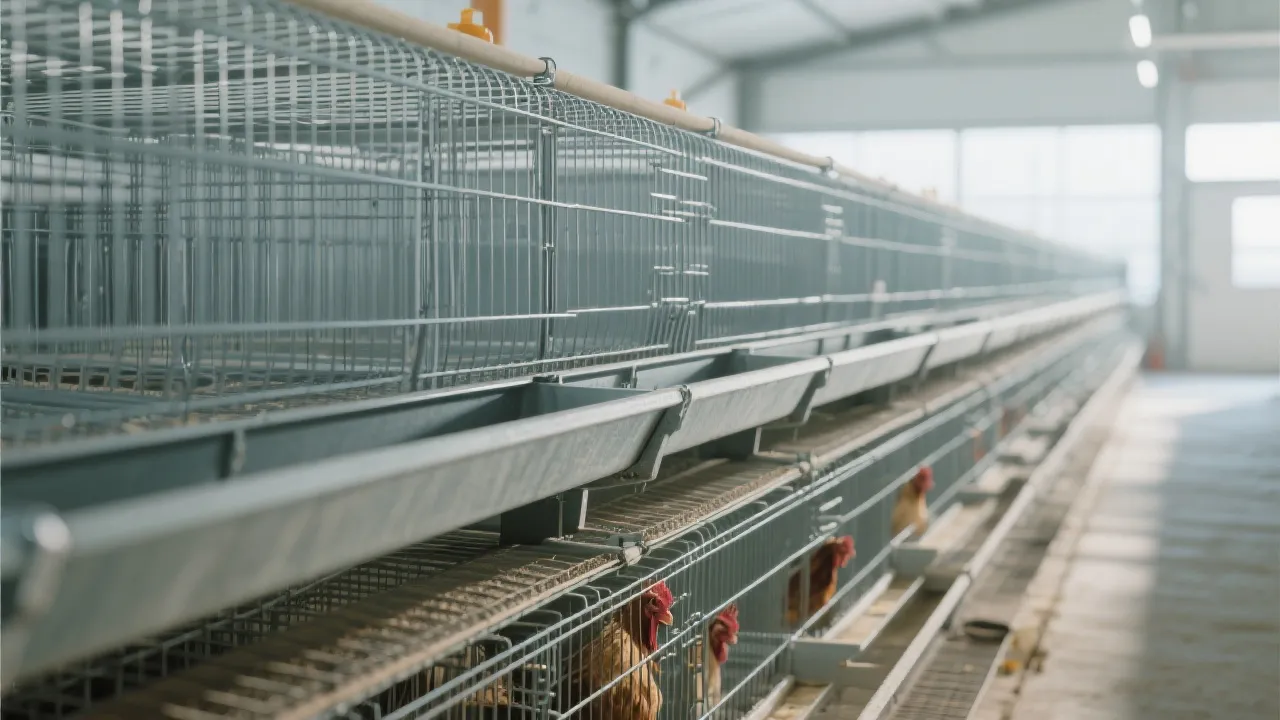
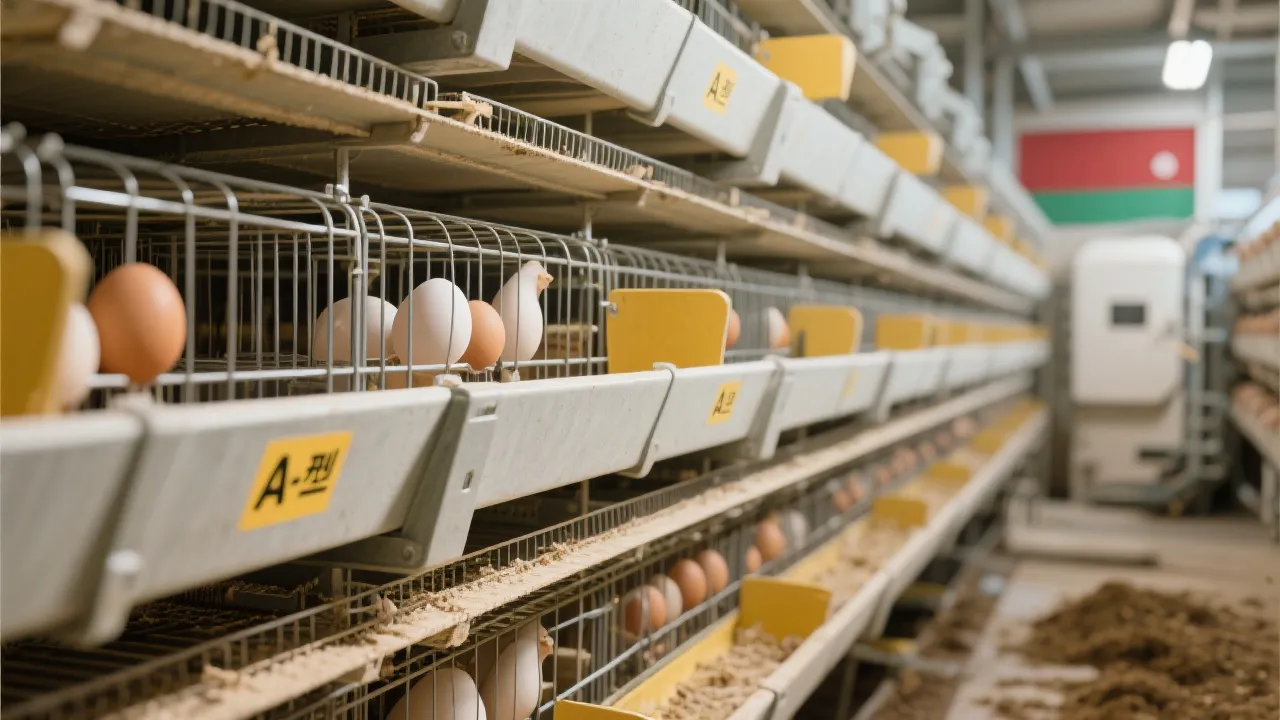
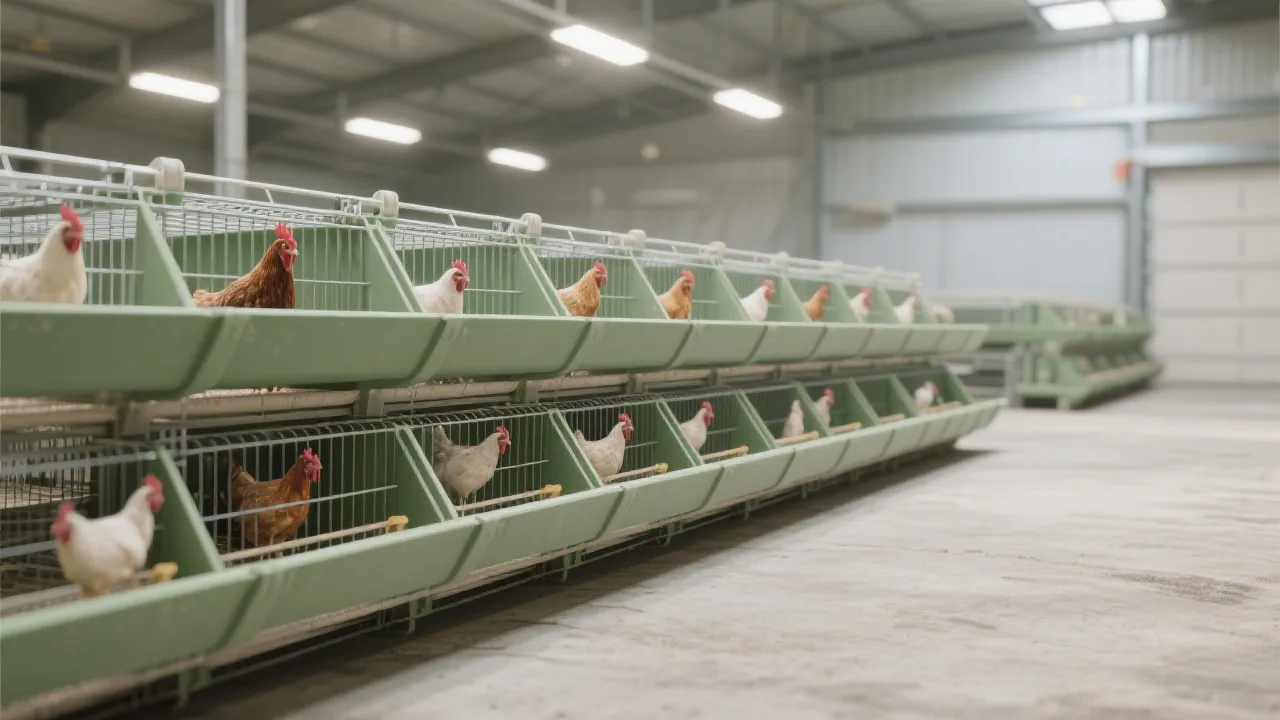
The H-type cage distinguishes itself by its multi-tiered, segmented layout, which leverages vertical space more effectively than conventional flat or single-tier cages. Its design addresses the two main concerns of poultry farmers:
- Optimized space utilization: By stacking cages vertically and organizing hens into thoughtfully divided zones, the system can increase stocking density by up to 25-30% without infringing on movement freedom.
- Animal welfare maintenance: Separate activity zones within each unit allow hens to express natural behaviors like perching and nesting, minimizing stress and aggressive interactions.
Such a structure enhances airflow, light distribution, and ease of access for both birds and farm operators, providing a foundation for integrating automation technologies.
Seamless Automation in Egg Collection
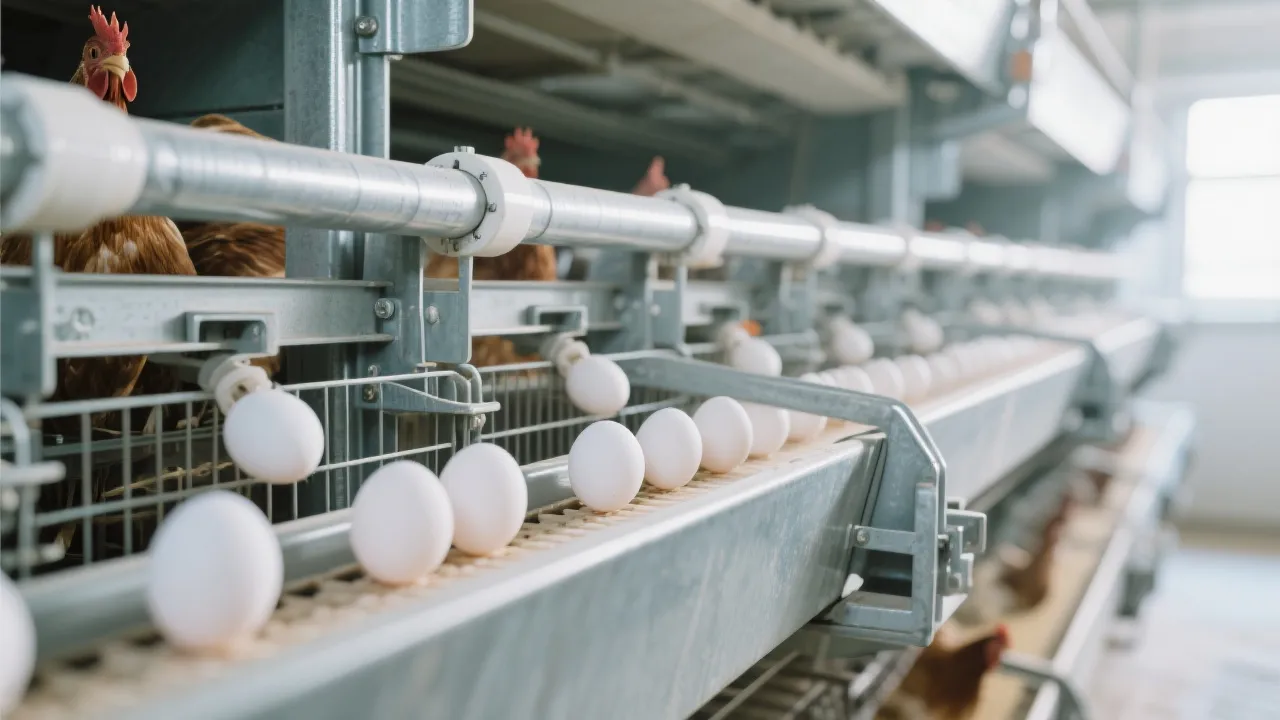
The H-type system incorporates an automated egg collection mechanism that transforms traditional labor-intensive processes. Eggs gently roll onto a conveyor belt immediately after laying, reducing breakage and contamination risks. This conveyor transports eggs directly to central packing stations with zero human intervention along the path.
Efficiency advantage: Farms utilizing this system report up to a 40% reduction in manpower hours devoted to egg gathering, translating into significant labor savings and increased handling hygiene.
Advanced Manure Management for Enhanced Hygiene
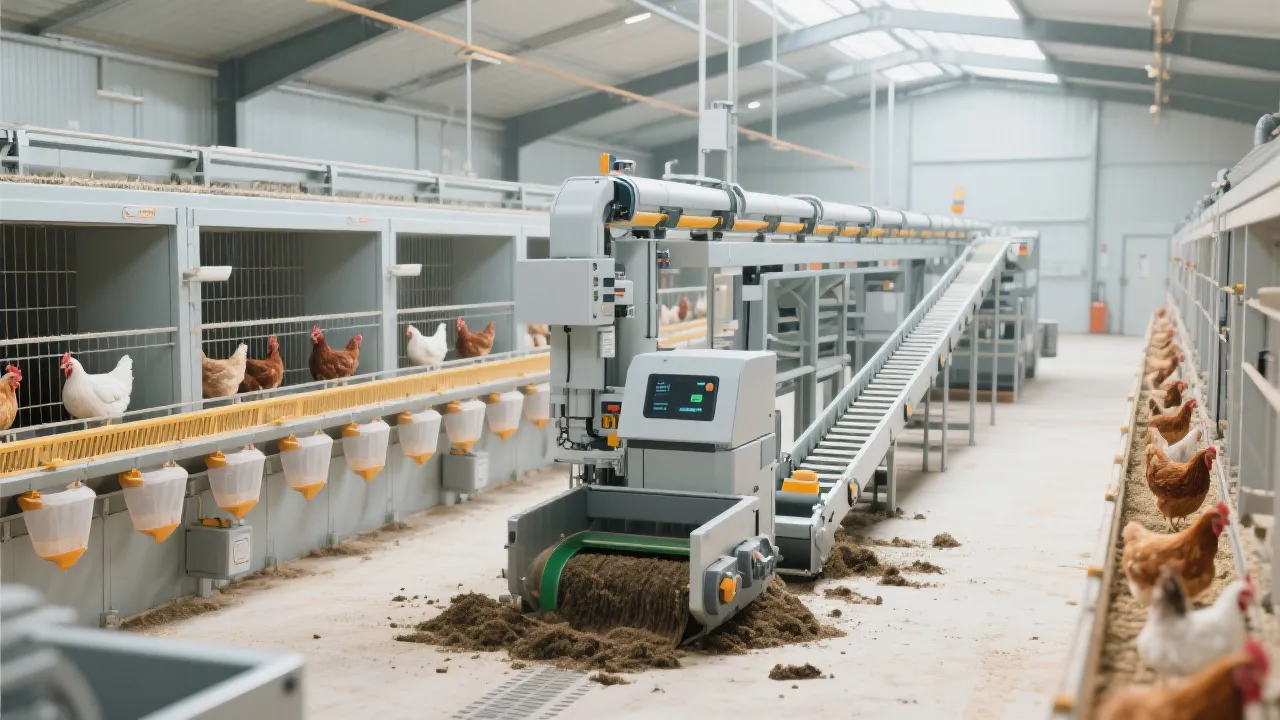
Maintaining sanitary conditions directly impacts both hen health and environmental quality. The system’s automated manure removal features include sloped flooring and mechanical scrapers that funnel droppings into collection channels. This process minimizes contact between hens and waste, significantly lowering pathogen proliferation.
Regular automated cleaning cycles can decrease manual labor requirements by up to 50% while maintaining airborne ammonia levels well below critical thresholds (e.g., < 10 ppm), according to industry research.
Integrated Ventilation and Temperature Control Systems
To further optimize hen well-being, the H-type cage integrates state-of-the-art climate controls. Sensors continuously monitor temperature, humidity, and airflow, adjusting ventilation fans and heating elements automatically to maintain stable microclimates even during extreme weather.
A steady environment mitigates stress-induced production drops; empirical data indicates this can improve egg yield consistency by approximately 8-12%, critical for reliable supply chains.
Practical Impact: Case Studies from Diverse Poultry Operations
Several commercial farms that have adopted the H-type system report striking operational improvements. For instance, a mid-sized farm implementing these cages observed a:
- 20% uplift in egg production volume within six months
- 30% reduction in onsite labor expenses
- Significant improvements in hen health indicators, including lowered morbidity rates
Such results showcase how blending design innovation with automation fosters sustainable growth without compromising hen comfort or product quality.

Industry Trends and Data-Backed Benefits
Recent industry reports from agricultural technology research institutions confirm the rising adoption of automated and space-optimized cage systems. A 2023 study published by Global Poultry Insights highlighted that operations integrating these technologies achieved an average ROI improvement of 18% within the first year.
“Incorporating multi-tier and automation-assisted cage systems is rapidly becoming an essential upgrade for competitive egg production—aligned with both welfare standards and operational efficiency targets.” — Global Poultry Insights, 2023




Hot Products

.jpg?x-oss-process=image/resize,m_fill,h_800,w_800/format,webp)


Popular articles




READY TO START?
Ready to Build Your Poultry Farm?
Tell us your land size, poultry type and farming capacity. LIVI will provide a complete farm solution for your project.