


Efficient H-Frame Poultry Cage Design: Optimizing Space and Comfort for Modern Egg Production
Optimizing Poultry Farming Efficiency with H-Frame Cage Design
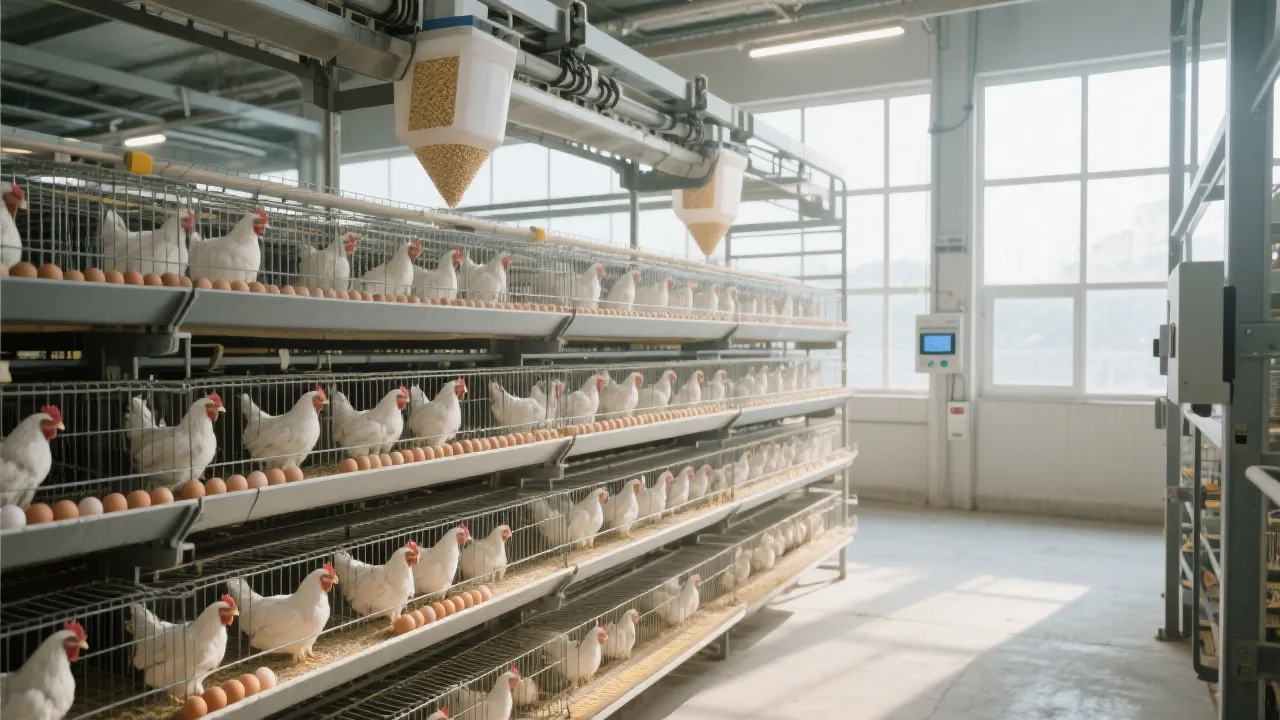
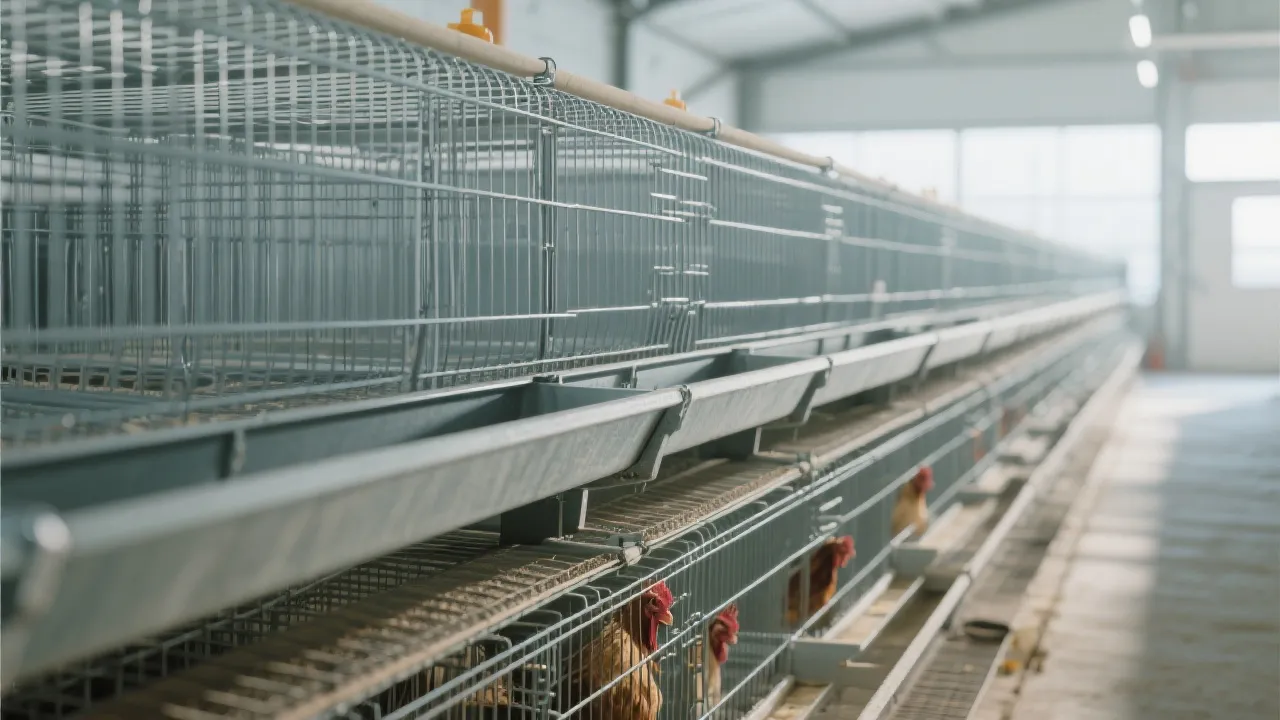
For poultry farmers seeking to maximize space utilization while improving hen welfare, the H-type egg-laying cage system offers a scientifically engineered solution. Unlike traditional flat-row cages that limit access and airflow, H-frame structures optimize vertical stacking—boosting housing density by up to 40% without compromising bird comfort.
How H-Frame Layout Breaks Traditional Limits
The unique "H" shape allows for dual-tiered nesting and feeding zones, enabling better air circulation and easier maintenance. According to a 2023 study published in Poultry Science Journal, farms using H-frame systems reported a 27% reduction in labor time per 1,000 birds due to improved accessibility and modular design.
“Farmers who adopted H-frame cages saw immediate improvements in egg quality and reduced mortality rates within three months.” — Dr. Lin Zhang, Livestock Systems Engineer, FAO Asia-Pacific Office
Automated Egg Collection: From Laying to Sorting
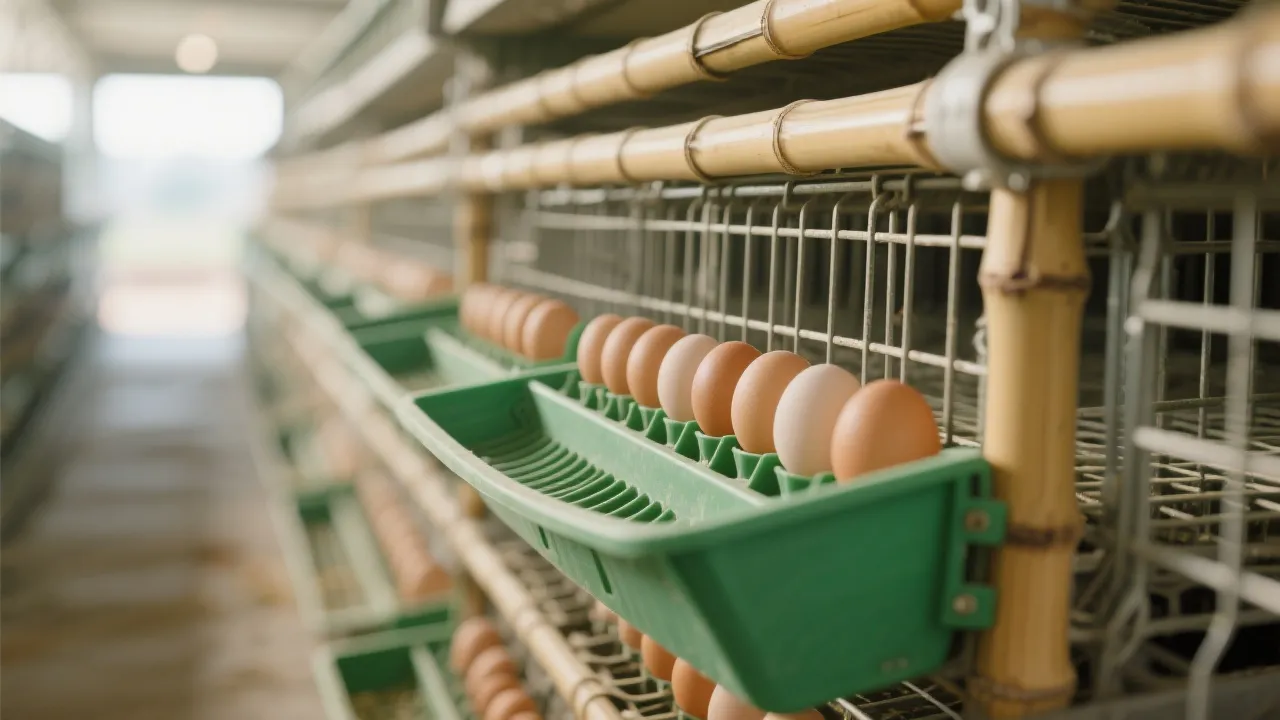
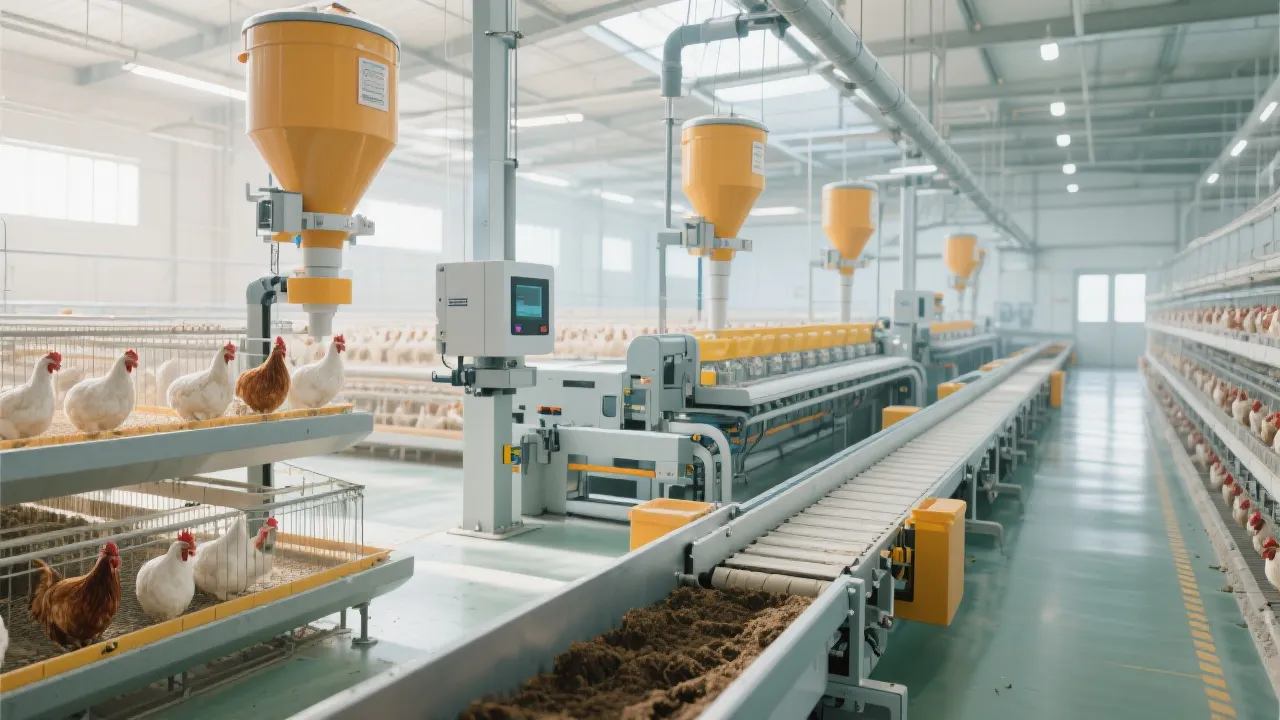
Integrated conveyor belts and gravity-fed collection trays streamline the entire process—from egg drop to transport. In real-world trials across 12 commercial farms in Thailand and Vietnam, this automation cut manual egg handling errors by over 60%, reducing breakage and increasing throughput by an average of 18 eggs per hen annually.
Smart Waste Management for Healthier Flocks
Self-cleaning slats integrated into the base eliminate manual scraping, minimizing ammonia buildup and disease risk. A case study from a 10,000-hen facility in Indonesia showed a 35% decrease in respiratory issues after switching to automated waste removal—proving that hygiene directly impacts productivity.
Climate Control Meets Practical Design
With built-in ventilation ducts and optional climate modules, H-frame cages maintain optimal temperature (18–25°C) and humidity levels. This stability supports consistent laying cycles—even during seasonal extremes—resulting in fewer production dips and higher feed conversion ratios (FCR).
Adaptability Across Scales
Whether you run a small family farm or manage a large-scale operation, H-frame cages can be customized for 500 to 50,000 hens. Modular units allow phased installation, making it ideal for gradual upgrades without disrupting current operations.
Got Questions? Let’s Clarify Common Concerns
- Q: Is the H-frame structure difficult to install?
- A: No—it’s designed for quick assembly with pre-fabricated parts. Most farms complete setup in under two days with basic tools.
- Q: How does it affect egg hygiene?
- A: The enclosed egg path minimizes contamination. One Australian farm reported a 98% clean egg rate post-installation.





Hot Products

.jpg?x-oss-process=image/resize,m_fill,h_800,w_800/format,webp)


Popular articles



READY TO START?
Ready to Build Your Poultry Farm?
Tell us your land size, poultry type and farming capacity. LIVI will provide a complete farm solution for your project.