


Efficient H-Frame Chicken Cage Layout Design: A Practical Guide to Maximizing Farm Density

Optimizing Poultry Farming Efficiency with H-Type Cage Systems
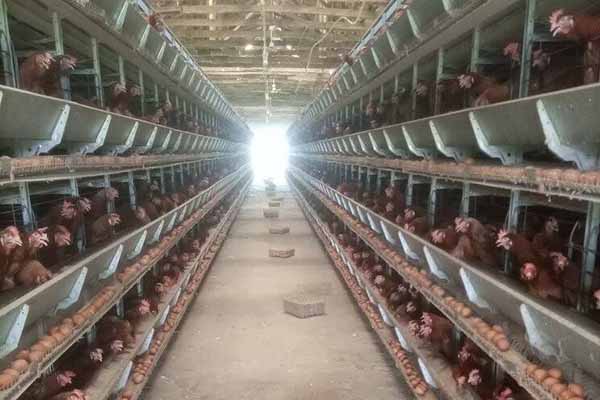
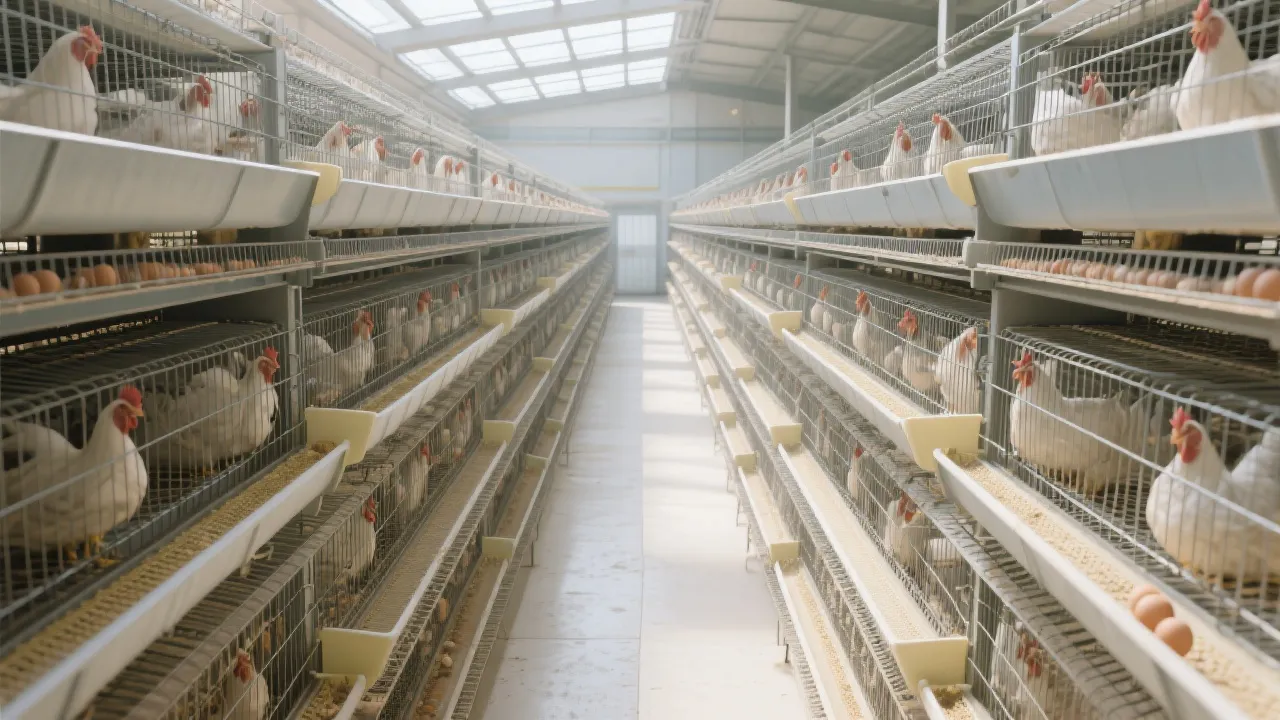
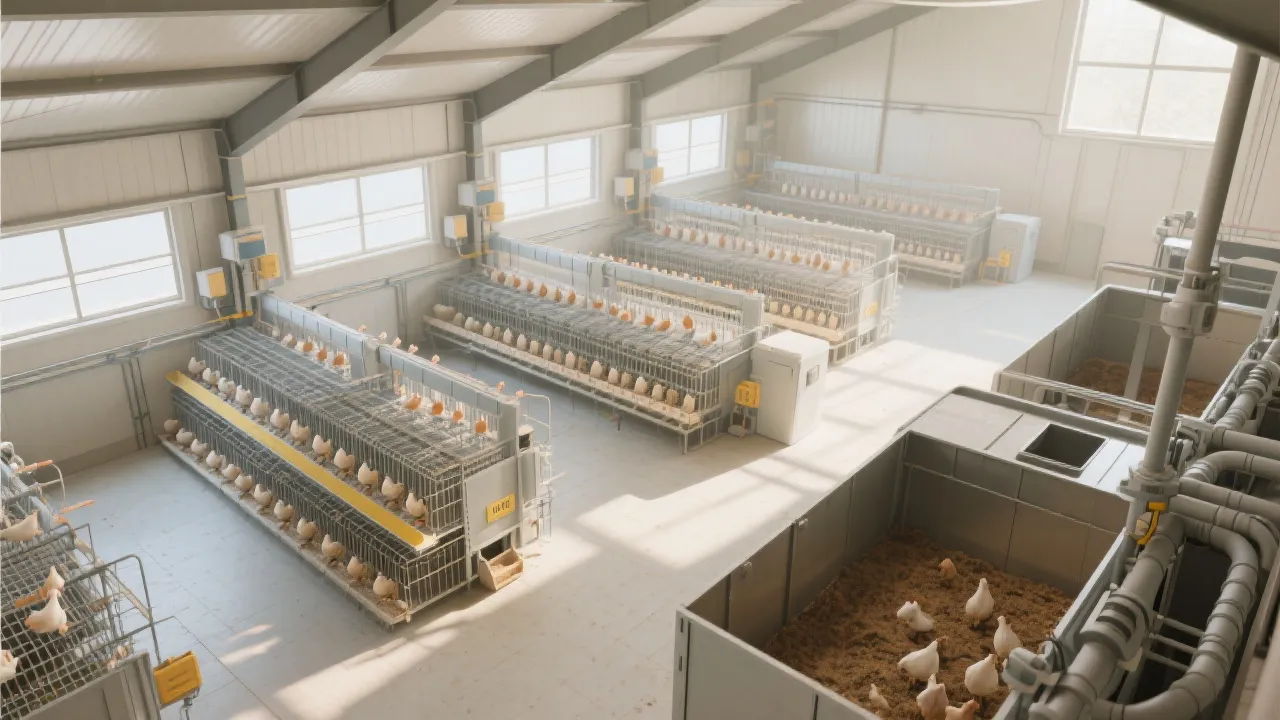
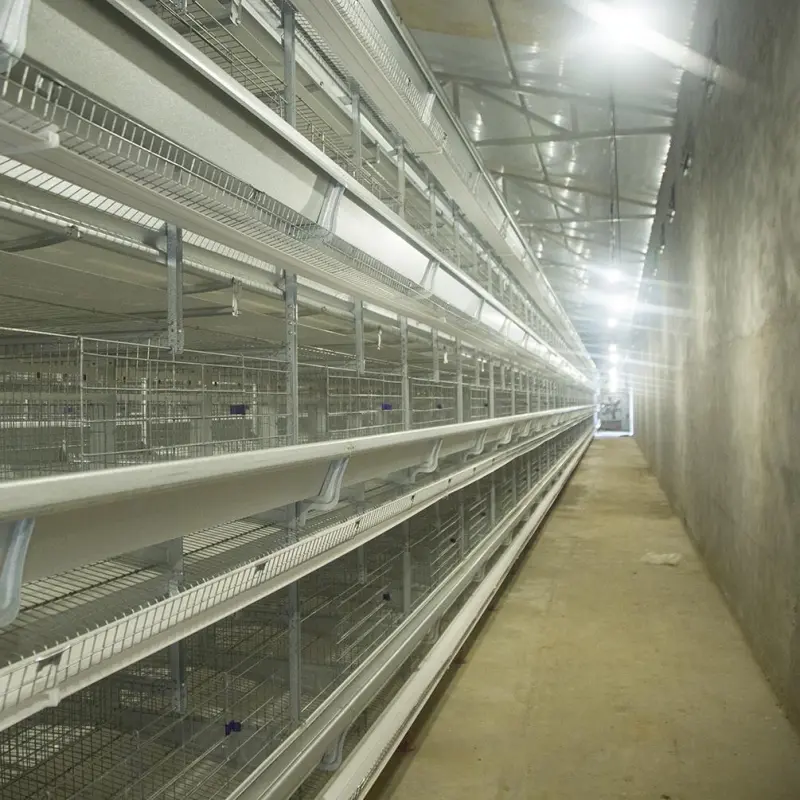
For modern poultry producers aiming to maximize output while maintaining animal welfare standards, the H-type egg chicken cage has emerged as a game-changer in barn space utilization. Unlike traditional flat-row cages that often result in inefficient use of vertical space and poor airflow, H-type designs offer up to 25% higher stocking density without compromising bird comfort—according to a 2023 study by the International Poultry Research Institute.
Why H-Shape Outperforms Conventional Cages
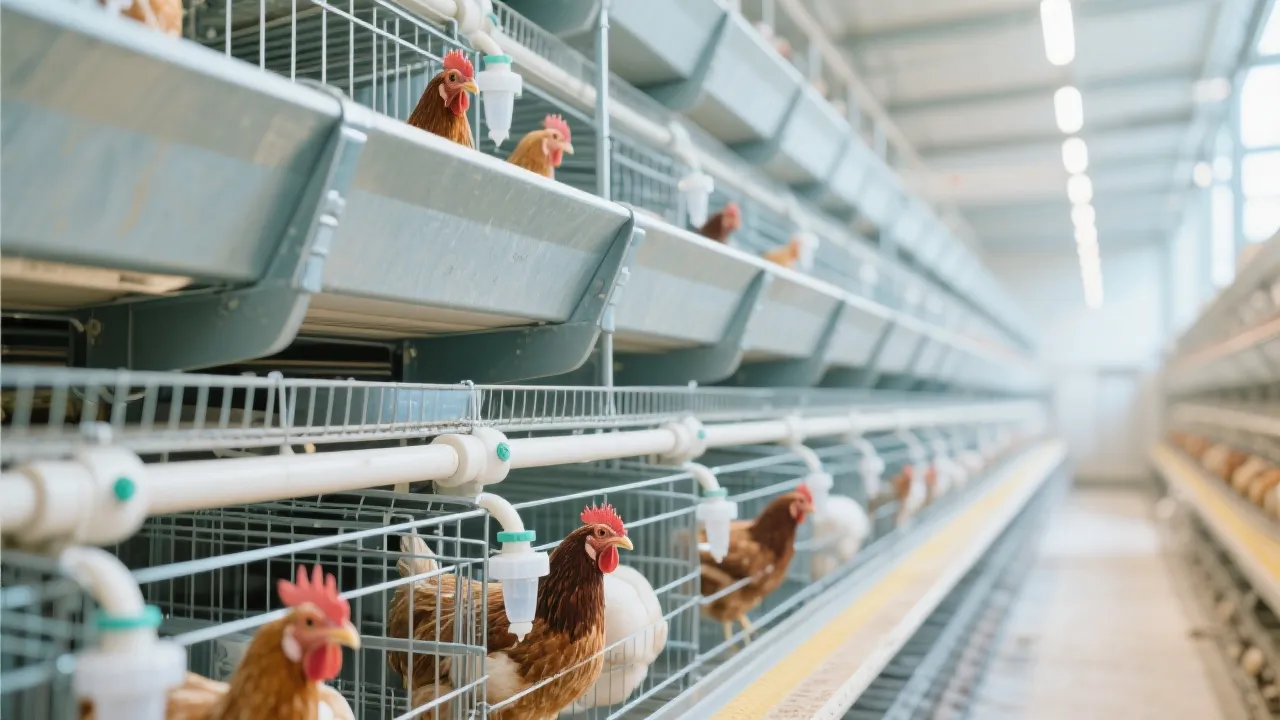
The structural advantage lies in its dual-tiered configuration, which allows for better weight distribution and easier access for maintenance. In a typical 10,000-bird farm, switching from standard cages to H-type systems reduced labor needs by an estimated 18–22% annually, especially when integrated with automation tools like feeding and water delivery systems.
Automated Egg Collection: Reducing Labor & Boosting Yield
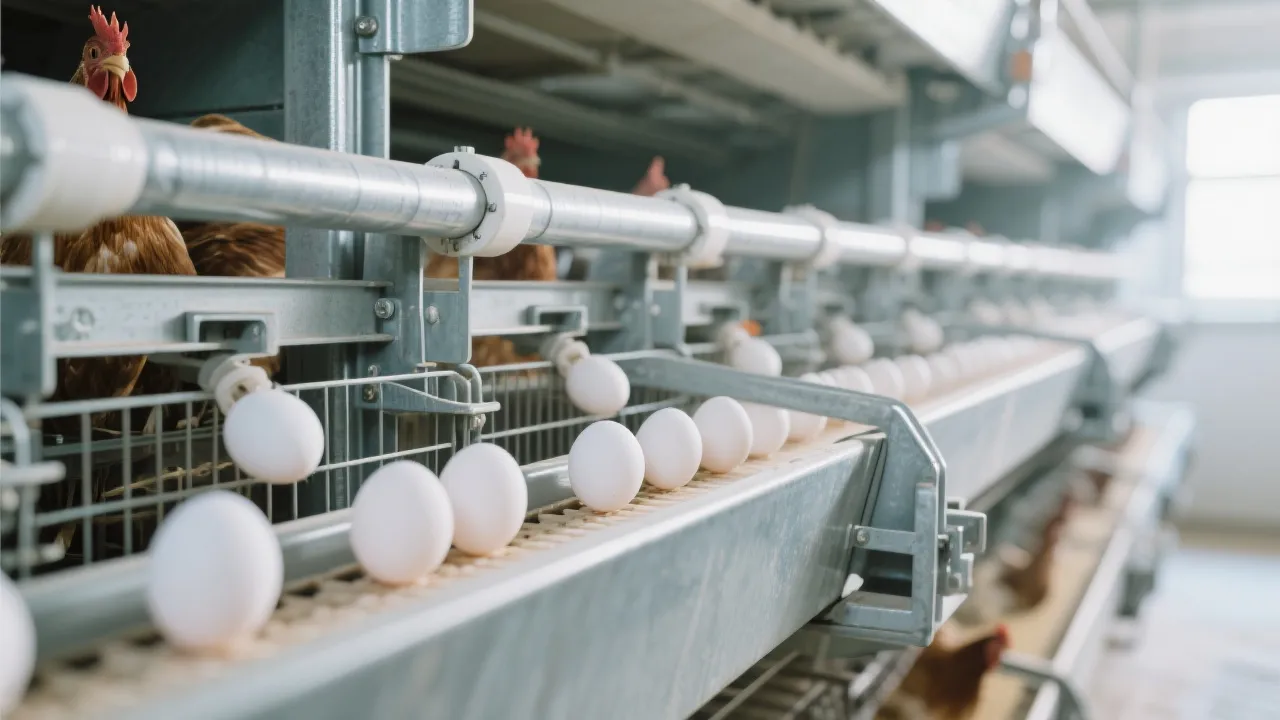
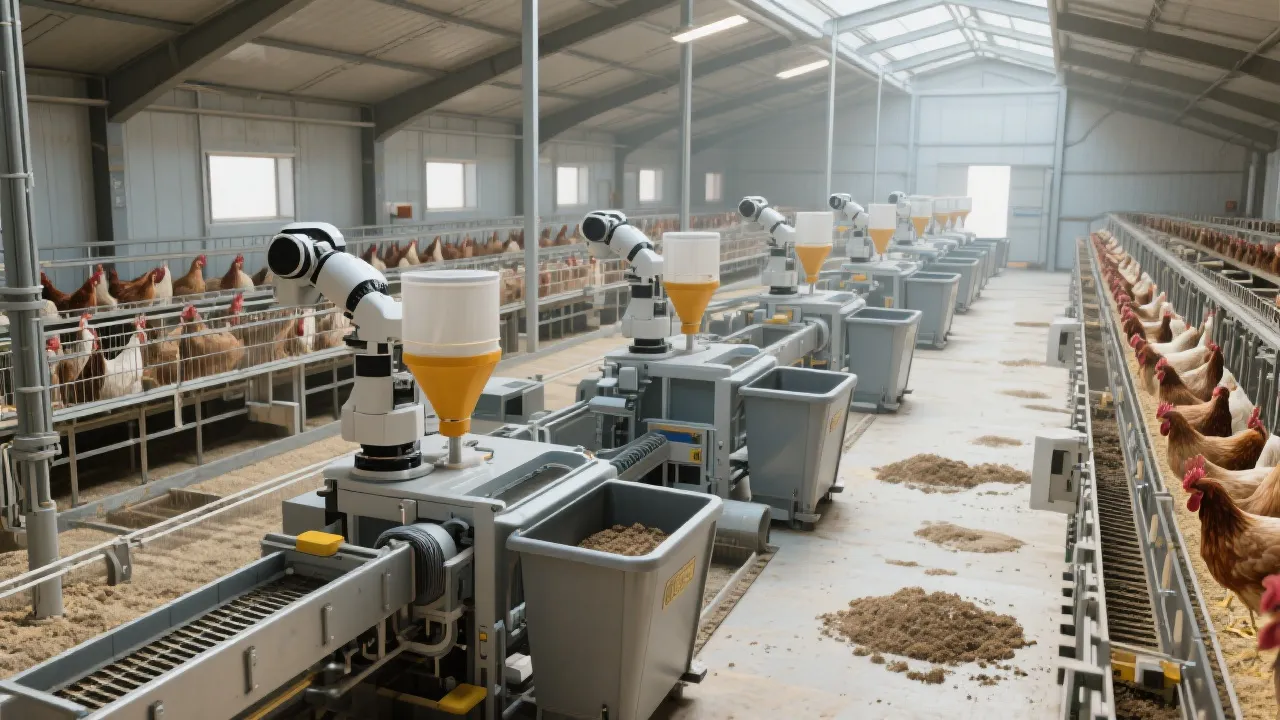
Manual egg collection can lead to breakage rates above 3%, but automated systems paired with H-cages reduce this to under 1.2%. A case study from a commercial farm in Iowa showed a 7% increase in daily egg yield after implementing robotic egg retrieval within the H-frame structure—attributed to less stress on hens during handling.
“In our trial, birds in H-type cages exhibited lower corticosterone levels—a key indicator of reduced stress—compared to those in conventional setups.”
— Dr. Lena Müller, Animal Welfare Specialist, Global AgriTech Lab
Smart Waste Management = Cleaner Air, Lower Costs
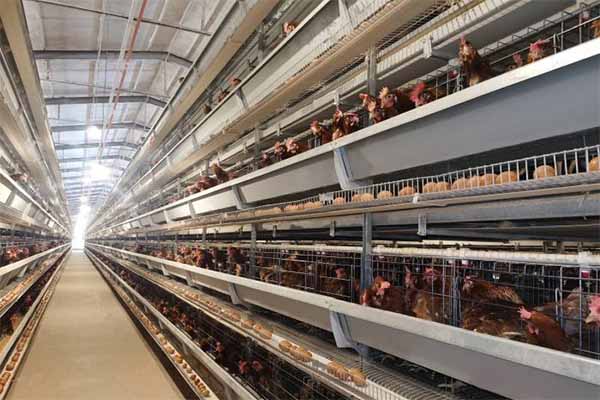
Floor-mounted conveyor belts or scraper systems integrated into H-cage frameworks remove manure continuously, reducing ammonia buildup by up to 40%. This not only improves air quality but also cuts down on cleaning time by 30%, making it ideal for large-scale operations seeking sustainability certifications such as ISO 14001.
Climate Control That Keeps Birds Productive
With precise temperature regulation (±0.5°C) and airflow optimization via ceiling-mounted fans and evaporative cooling pads, H-type systems help maintain optimal conditions year-round—even in extreme climates like Saudi Arabia’s summer heat. Data from farms in Dubai show a 92% consistency rate in egg production when using climate-controlled H-cage units versus 78% in non-controlled environments.
Real-World Results: From Theory to Practice
A 20,000-bird facility in Brazil reported a 14% drop in feed conversion ratio (FCR) after adopting H-type cages with smart sensors. The improved environment led to fewer health issues and a noticeable rise in flock longevity—key metrics for ROI-focused managers.
Frequently Asked Questions (FAQ)
Q: Can I retrofit my existing barn with H-type cages?
A: Yes—with minor structural adjustments, most farms can integrate H-systems within 2 weeks. We recommend consulting our technical team for site-specific assessments.
Q: Is there a learning curve for staff?
A: Minimal. Most operators adapt within 3 days using our step-by-step training modules and remote support features.
Q: How does this affect egg quality?
A: Studies confirm cleaner eggs, fewer cracks, and higher shell strength due to consistent environmental control and reduced physical contact during collection.
Ready to Transform Your Poultry Operation?
Get a free site assessment and customized H-type cage layout plan tailored to your farm size, climate, and goals.
Request Your Customized Plan Now




Hot Products

.jpg?x-oss-process=image/resize,m_fill,h_800,w_800/format,webp)


Popular articles


READY TO START?
Ready to Build Your Poultry Farm?
Tell us your land size, poultry type and farming capacity. LIVI will provide a complete farm solution for your project.