


Full-process Automation from Egg-laying Nest to Collection Box: Guide to Egg Collection Solutions for H-type Layer Cages
Addressing the Pain Points of Manual Egg Collection
You've probably experienced the headaches of manual egg collection in your chicken farm. High breakage rates are a constant concern. On average, manual egg collection can lead to a breakage rate of up to 15%, which directly impacts your profit margins. There are also significant hygiene risks. Eggs are often exposed to dirt, feces, and bacteria during the manual collection process, posing a threat to the quality and safety of your egg products. Moreover, the efficiency of manual egg collection is extremely low. It can take a worker several hours to collect eggs from a medium - sized chicken coop, which is a huge waste of labor resources.
Understanding the Core Components of the Automated Egg Collection System
The Roller Conveyor Belt
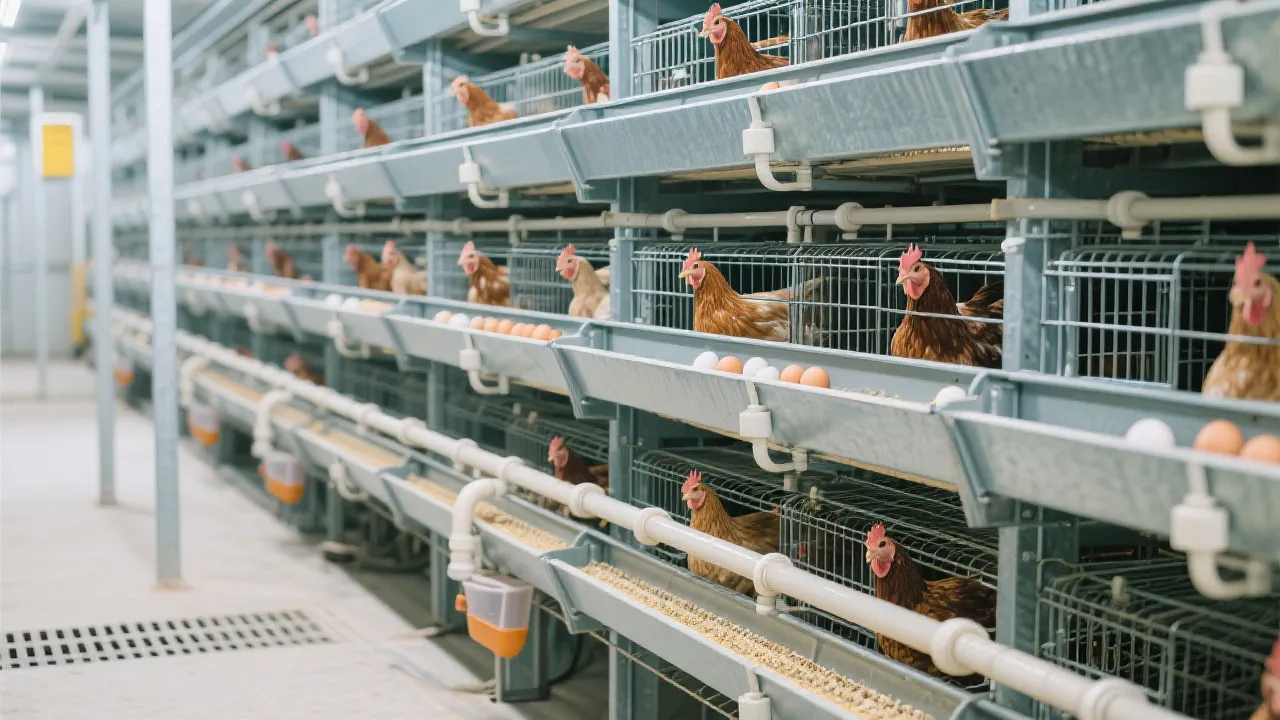
The roller conveyor belt is the backbone of the automated egg collection system. It smoothly transports eggs from the laying nests to the next stage. The belt is designed with a special surface texture that can minimize friction, reducing the chance of egg breakage during transportation. It can operate continuously at a speed that can be adjusted according to your farm's needs, ensuring a stable flow of eggs.
The Inductive Recognition Device
This device plays a crucial role in identifying the quality and size of eggs. It uses advanced sensors to detect any abnormalities in the eggs, such as cracks or irregular shapes. The recognition accuracy of this device is as high as 98%, which means it can effectively sort out defective eggs and send them to a separate collection area.
The Sorting Module
Based on the information provided by the inductive recognition device, the sorting module classifies eggs into different categories according to size, quality, etc. It can sort eggs at a rate of up to 500 eggs per minute, which greatly improves the efficiency of egg collection and management.
Visualizing the Automated Process
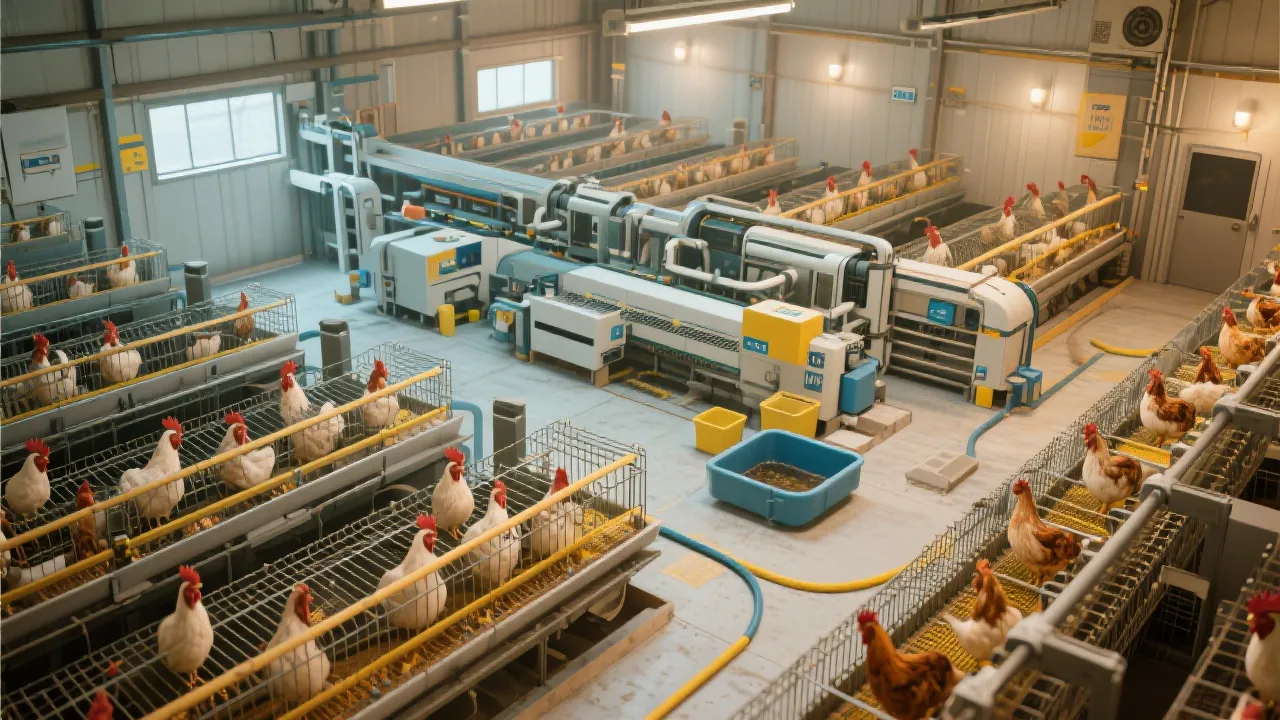
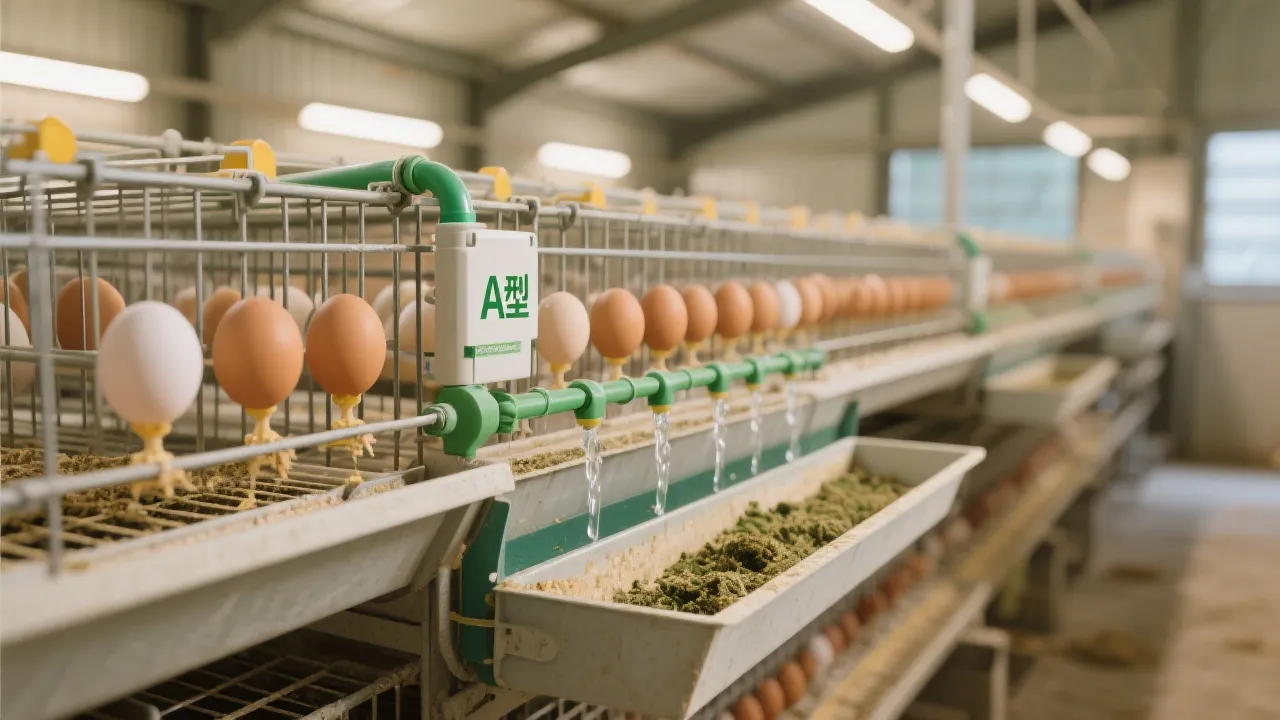
Let's take a look at how the whole automated process works. First, when hens lay eggs in the laying nests, the eggs roll onto the roller conveyor belt. The conveyor belt then transports the eggs to the inductive recognition device. After the device analyzes the eggs, it sends signals to the sorting module. The sorting module sorts the eggs and sends them to the corresponding collection boxes. This whole process is seamless and highly efficient, reducing the need for human intervention by more than 70%.
Analysis of Operational Stability under Different Stocking Densities
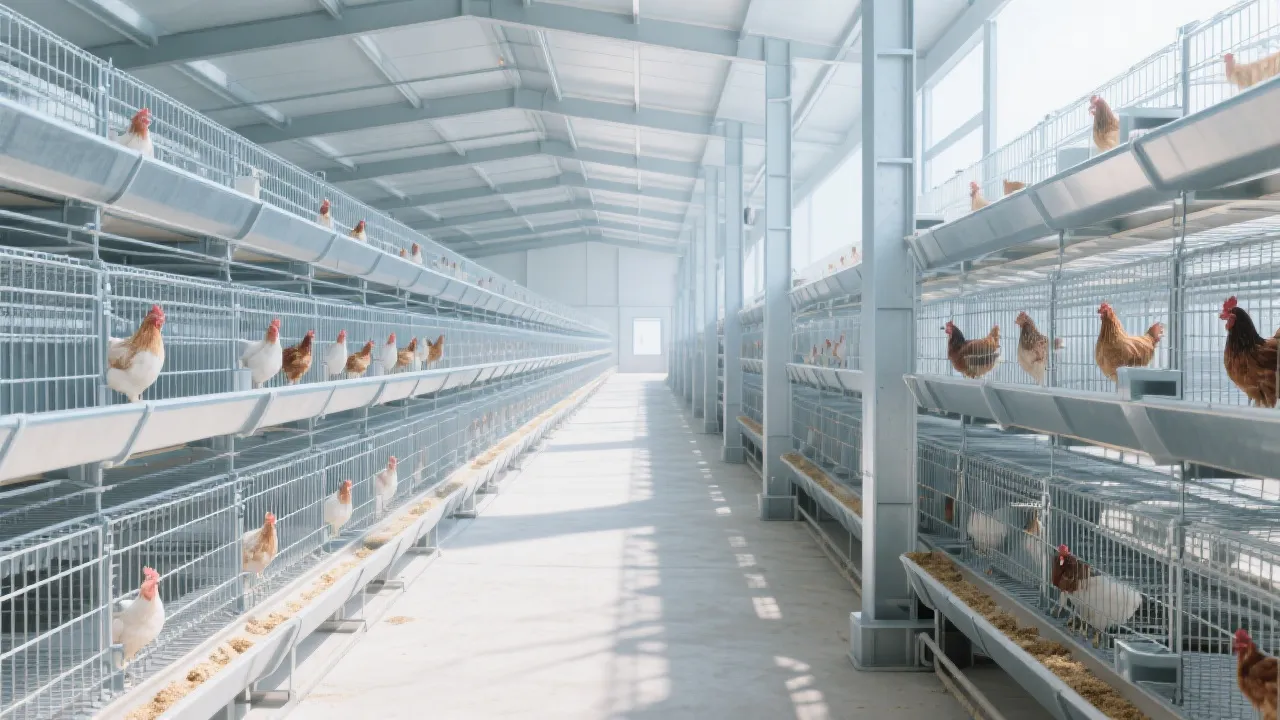
Stocking density has a significant impact on the performance of the automated egg collection system. When the stocking density is low, the egg integrity rate can reach up to 95%, and the chickens have more space to move around, which improves their comfort level. As the stocking density increases, the egg integrity rate may slightly decrease, but with the proper adjustment of the system parameters, it can still maintain an integrity rate of over 90%. The system also ensures that the chickens' living environment remains comfortable, which is beneficial for their health and egg - laying performance.
Practical Guide
Daily Maintenance
Regularly clean the roller conveyor belt to prevent the accumulation of dirt and debris. Check the sensors of the inductive recognition device to ensure their accuracy. Lubricate the moving parts of the sorting module to keep it running smoothly. A well - maintained system can extend its service life by up to 3 years.
Troubleshooting Common Faults
If the conveyor belt stops running, check the power supply and the motor. If the sorting module makes an abnormal noise, it may be due to a loose part, and you should tighten it in time. Most common faults can be resolved within 30 minutes with proper troubleshooting knowledge.
Optimization Suggestions
You can adjust the speed of the conveyor belt according to the egg - laying rate of your chickens. Upgrade the software of the inductive recognition device regularly to improve its recognition accuracy.
The Future of Smart Farming
With the development of smart agriculture policies, automated egg collection systems are becoming a standard in the poultry farming industry. By adopting this system, you can not only reduce costs and improve efficiency but also meet the requirements of modern, sustainable farming. Are you ready to take your poultry farm to the next level?






Popular articles





READY TO START?
Ready to Build Your Poultry Farm?
Tell us your land size, poultry type and farming capacity. LIVI will provide a complete farm solution for your project.