


Modern Layer Hen Cage Systems & Full-Cycle Management Techniques for Poultry Farming in Ghana
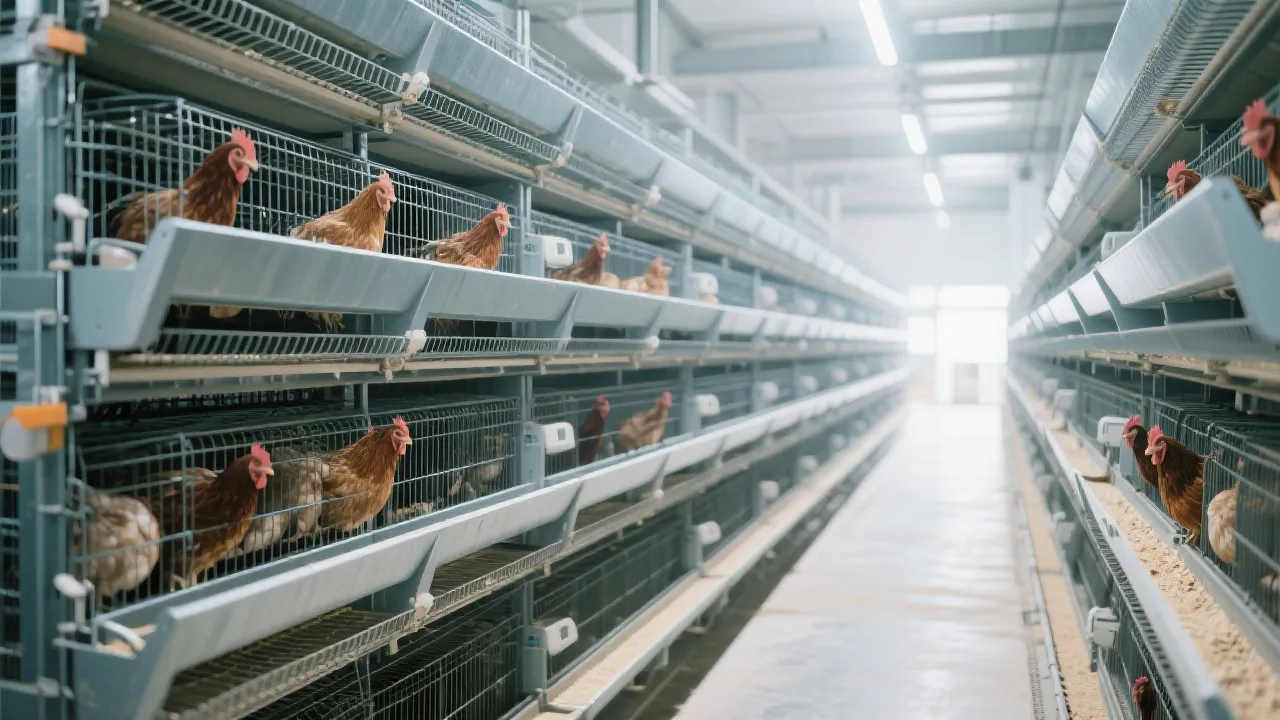
Modern Layered Chicken Cage Systems for Efficient Egg Production in Ghana
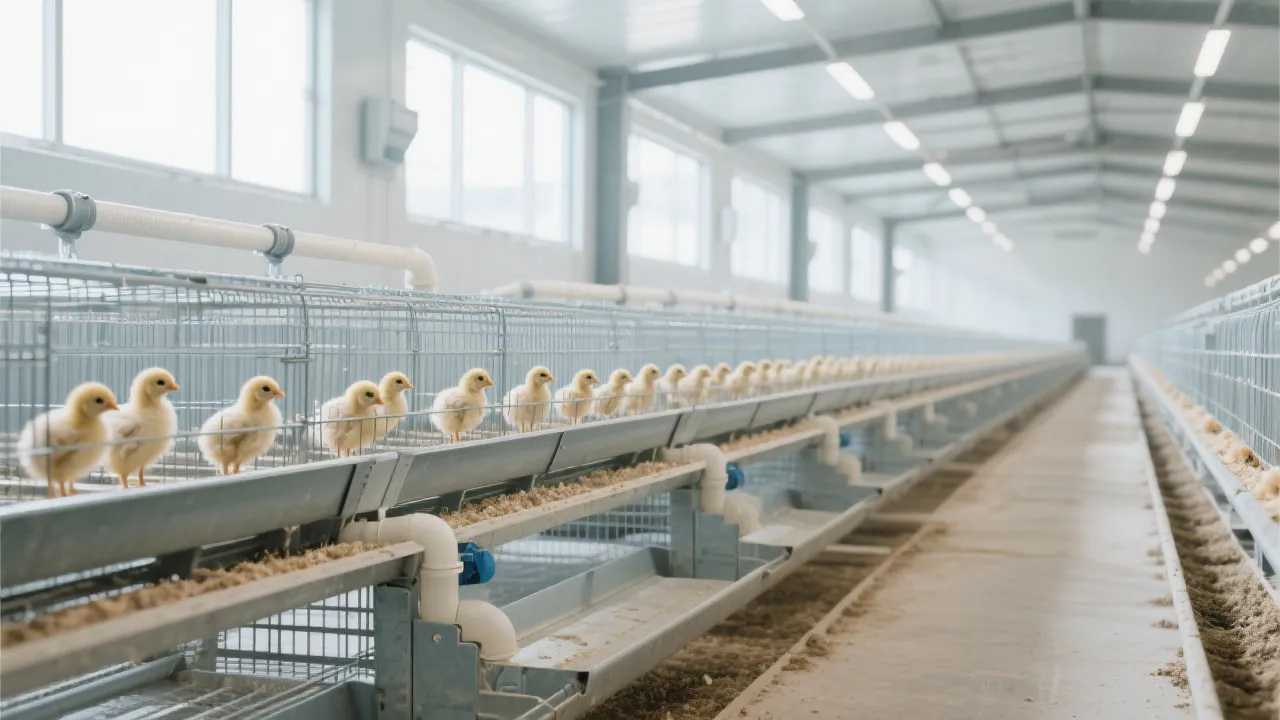
As Ghana's poultry industry scales up to meet rising egg demand, integrating automated, full-cycle management technologies becomes critical. Transitioning from traditional methods to modernized layer chicken cages can dramatically improve productivity, poultry health, and labor efficiency. This guide explores how innovative, H-type layered chicken cage systems combined with environmental control and data-driven management—a model led by Zhengzhou Livi Machinery—empower Ghanaian farms across all stages: chick rearing, pullet growth, and peak egg production.
Optimizing the Brooding Stage with Automated Environmental Controls
The brooding phase sets the foundation for healthy hens, requiring precise temperature, humidity, and ventilation management. Conventional open-coop setups expose chicks to stress and disease risks, while manual control often lacks consistency. Automated brooding cages enable steady microclimate regulation, reducing mortality rates by up to 15% compared to traditional methods.[1] Adjustable feeders integrated into these units ensure uniform feeding schedules, improving early growth rates by 10-12%.
Pullet Growth Phase: Density Management and Remote Monitoring
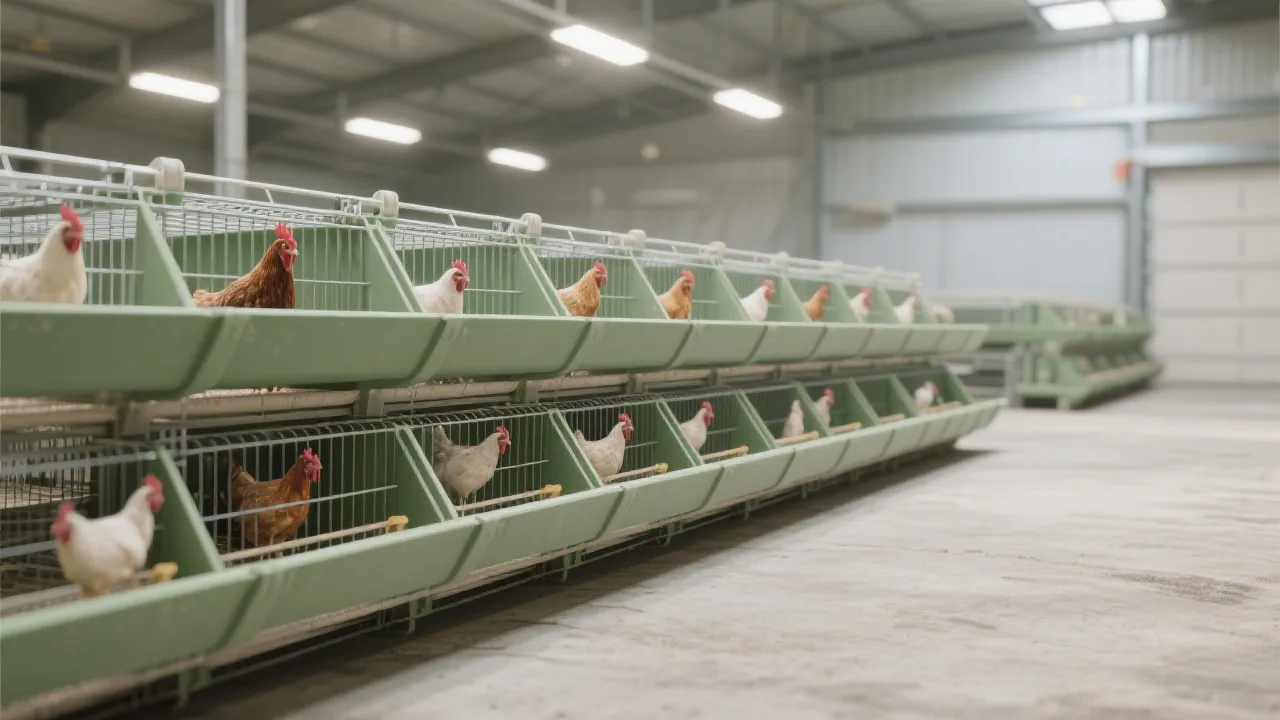
During the pullet development stage, maintaining optimal stocking density is key to reducing stress and promoting uniform body weight. Modern H-type layer cages allow flexible spacing adjustments tailored to farm size—crucial for Ghana’s diverse operations. Remote sensors embedded in the system track environmental parameters and hen activity in real-time, feeding data into a centralized platform accessible via mobile apps. Such automation has helped farms cut labor time by 20%, while enabling prompt intervention upon detecting temperature fluctuations or feed inconsistencies.
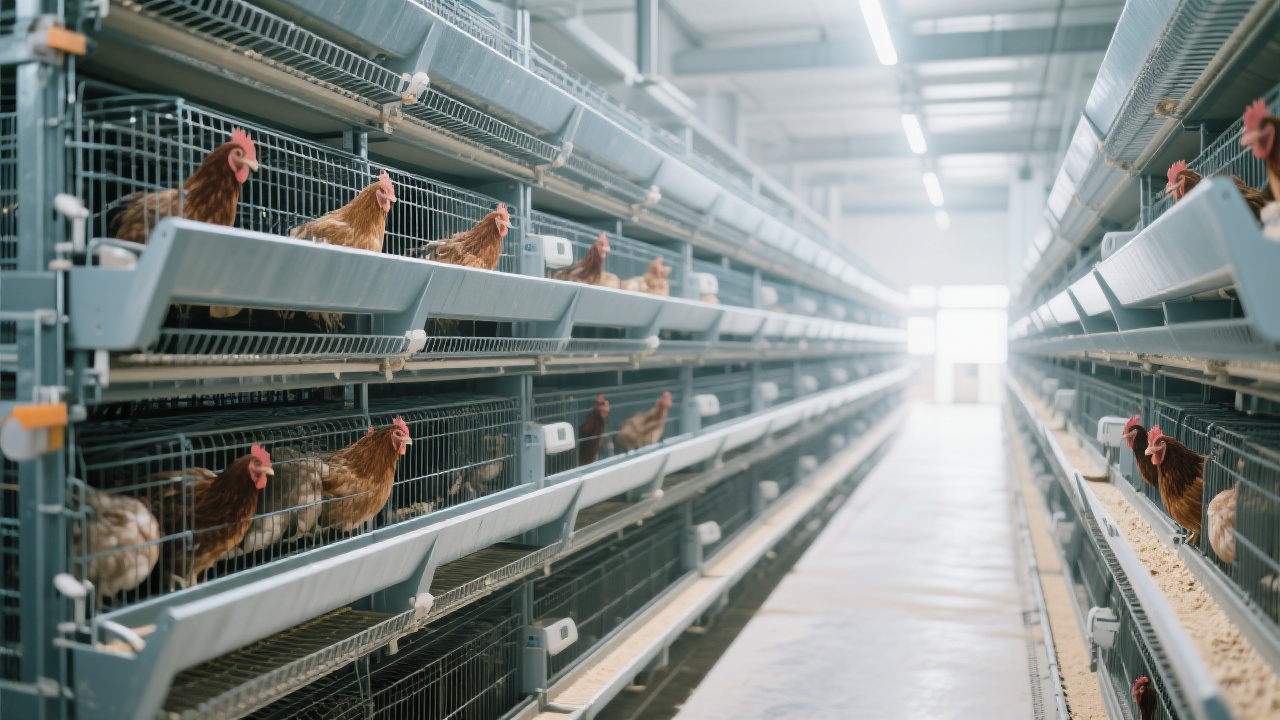
Peak Egg Production: Automated Egg Collection and Waste Management
Egg-laying periods demand seamless cage design that balances hen comfort with operational efficiency. Zhengzhou Livi’s H-type layered cages incorporate automated egg collection belts reducing manual labor costs by approximately 40%. Combined with automatic manure removal systems, these cages support-maintenance of hygienic conditions, which statistically improves egg production rates by up to 8%. This technology also lowers bacterial infection incidences and enhances egg quality consistency.
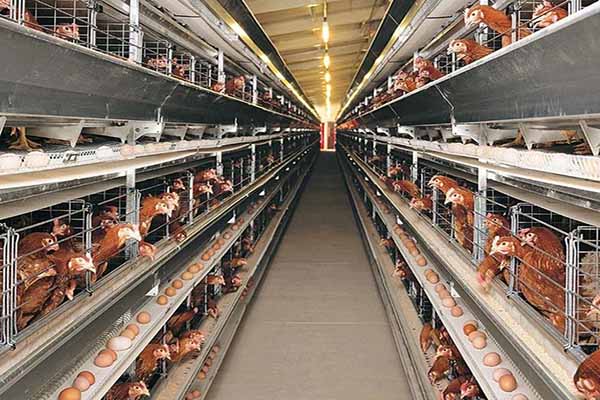
Modular Design for Scalability and Customization
A key advantage lies in the modular architecture of these cage systems, adaptable from small-scale farms with 500 hens to large enterprises exceeding 10,000 birds. Clients in Ghana can select configurations optimizing footprint and cost, with options to integrate advanced sensors or AI-based monitoring progressively. Return on investment typically materializes within 18-24 months through combined savings on labor, feed efficiency improvements (about 5%), and higher egg yields.[2]

Discover how Zhengzhou Livi Machinery’s cutting-edge automatic layer chicken cage systems can transform your poultry operation in Ghana. Harness full-cycle automation to boost productivity, reduce costs, and elevate farm sustainability.


Hot Products

.jpg?x-oss-process=image/resize,m_fill,h_800,w_800/format,webp)


Popular articles






READY TO START?
Ready to Build Your Poultry Farm?
Tell us your land size, poultry type and farming capacity. LIVI will provide a complete farm solution for your project.