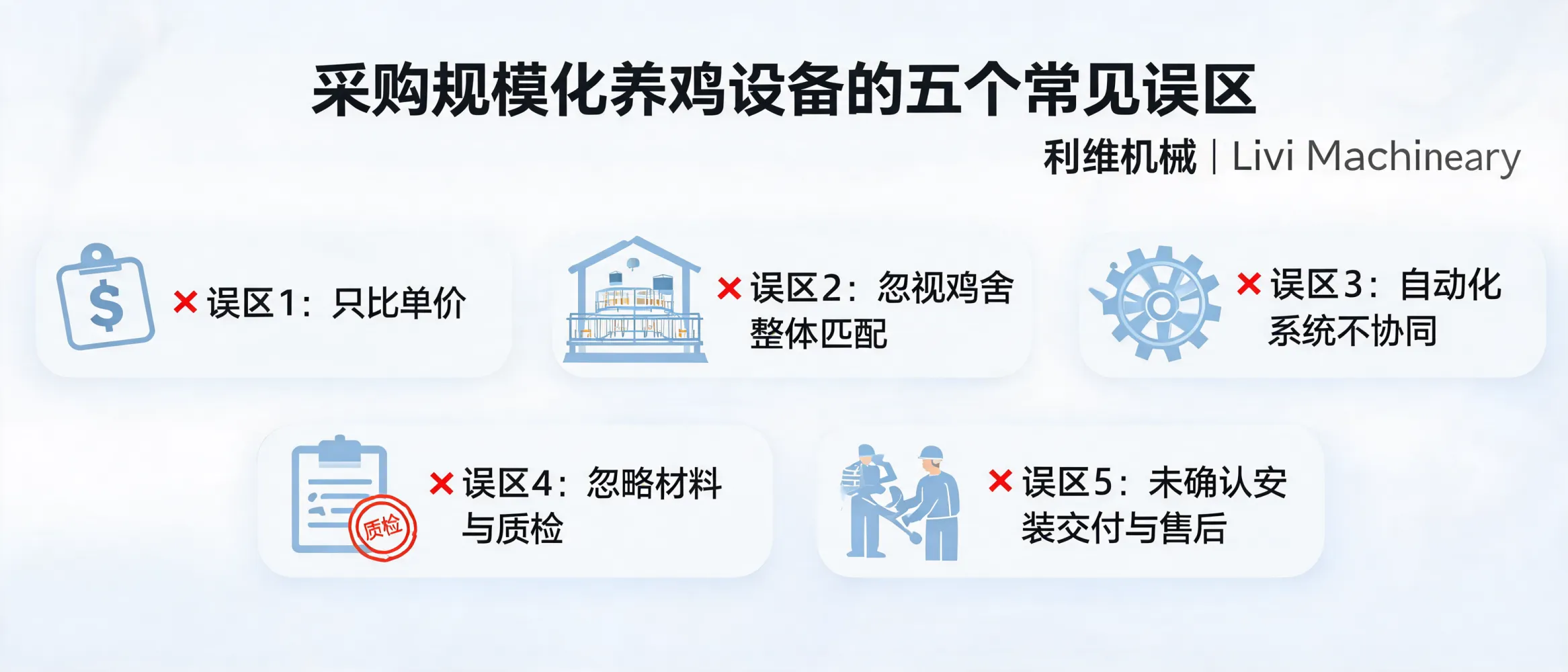
Buying large-scale poultry farming equipment is not a “unit price” decision—it is a system decision that affects farm uptime, labor intensity, bird comfort, and long-term operating cost. Based on Livi Machinery’s experience supporting commercial farms and EPC-style turnkey deliveries, this page summarizes five common purchasing mistakes and a practical way to evaluate suppliers beyond the quote.
Best for: farm investors, integrators, EPC buyers, and operations managers planning new builds or expansions.
Goal: evaluate total cost of ownership and execution risk (matching, integration, quality, installation, and after-sales).
A lower unit price can look attractive, but in large-scale projects the bigger costs often appear after commissioning: repairs, replacement, labor, downtime, and management complexity. A quote should be evaluated against the farm’s expected operating model—not only the first purchase.
What to check instead
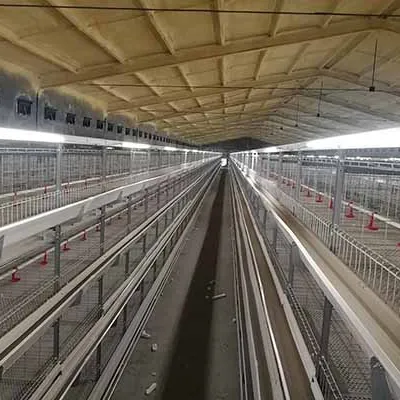
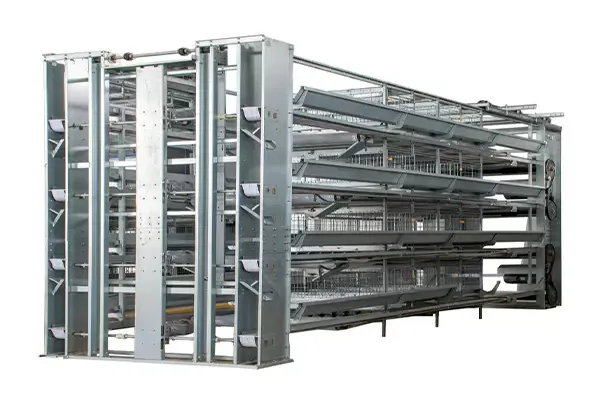
Cages and automation do not operate in isolation. If the chicken house layout, ventilation concept, aisle width, slopes, drainage, and structural tolerances are not matched to the equipment, performance and management efficiency suffer—no matter how good the equipment looks on paper.
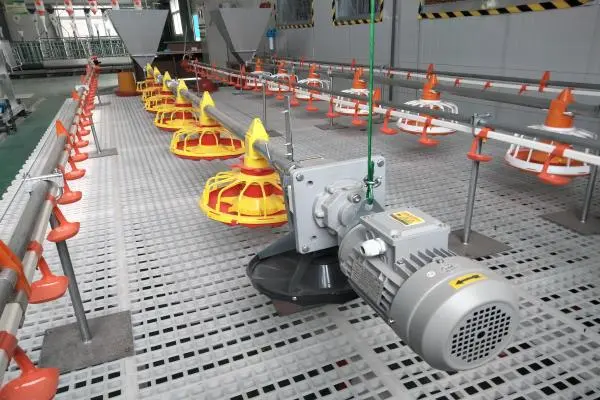
Large-scale farms rely on coordinated automation—not isolated machines. If feeding, drinking, manure removal, egg collection, and climate control are not designed to work together, you may face bottlenecks, inconsistent routines, and higher labor dependency.
| Subsystem | Integration checkpoints | Typical risk if ignored |
|---|---|---|
| Automatic feeding | Line layout, feed bin position, drive selection, daily schedule alignment | Uneven feeding, overload on motors, higher maintenance |
| Automatic drinking | Pressure stability, height adjustment, flushing/cleaning process | Wet litter/manure, hygiene management difficulty |
| Automatic manure removal | Belt alignment, discharge routing, cleaning intervals, safety guarding | Blockages, odor issues, labor-heavy emergency cleaning |
| Automatic egg collection (layers) | Conveyor interfaces, turning points, packing workflow | Egg breakage, jams, inconsistent collection rhythm |
| House climate control | Ventilation mode, sensors placement, equipment positioning and air paths | Heat stress/cold stress, unstable production conditions |
Tip for buyers: ask for a system layout and an operation workflow that shows how each subsystem is scheduled, cleaned, and serviced.
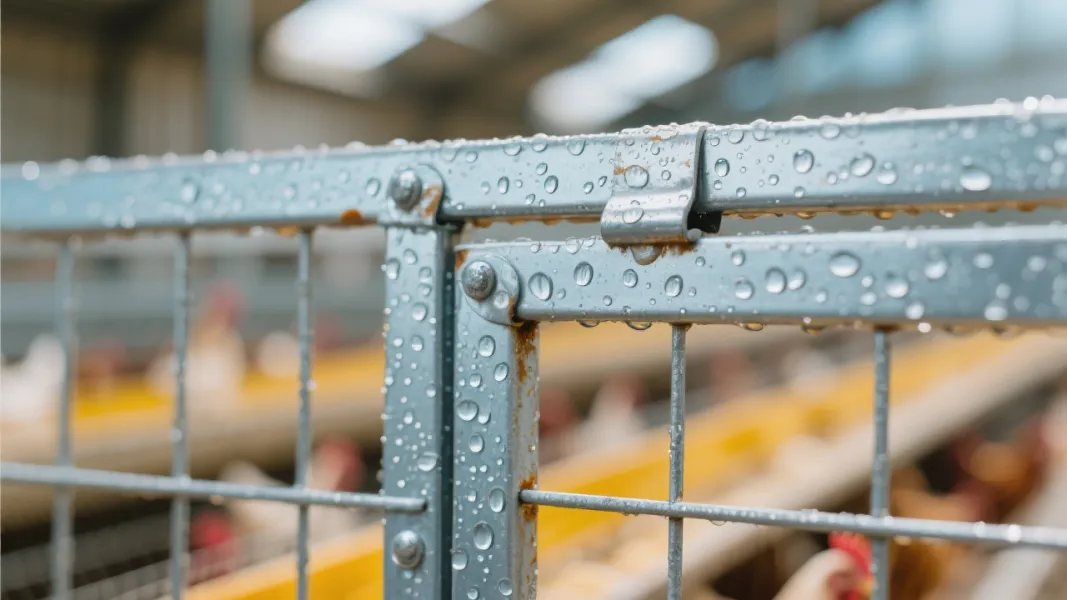
In poultry equipment, small quality differences can become major operational issues over time. A professional supplier should clearly explain material options, manufacturing standards, and inspection checkpoints—from raw materials to pre-shipment checks.
At Livi Machinery, quality management is treated as a first-priority requirement—from raw material selection to shipment inspection—so project delivery is more predictable and easier to manage at site.
Large-scale poultry projects succeed or fail in execution. If you do not confirm responsibilities for delivery, installation guidance, commissioning, and spare parts planning, the “equipment purchase” becomes a project risk.
When the supplier can support end-to-end delivery—from planning to handover—coordination gaps shrink. Livi Machinery positions itself as an integrated manufacturer and solution provider for poultry farm projects, helping buyers reduce execution uncertainty.
Use the questions below to compare suppliers consistently. The goal is not to pick the “cheapest,” but to pick the option with the best balance of efficiency, durability, manageability, and project execution.
| Evaluation area | What to ask | What you should receive |
|---|---|---|
| System matching | Is the house layout designed around the equipment and workflow? | Layout drawing + capacity plan + service access notes |
| Automation integration | How do feeding/drinking/manure/egg/climate systems coordinate? | Subsystem interface list + operation/maintenance workflow |
| Material & inspection | What materials are used and how is quality verified? | Material description + inspection checkpoints + packing list discipline |
| Installation & training | Who installs, who guides, and what is the commissioning plan? | Installation checklist + timeline + training content outline |
| After-sales readiness | How are spares, documentation, and support handled? | Spare parts recommendation + manuals + support process |
Zhengzhou Livi Machinery Manufacturing Co., Ltd. (brand: Livi Machinery) has focused on R&D and manufacturing of poultry farming equipment since 2013. The product range covers key stages and systems such as layer cages, broiler cages, brooding & rearing cages, automatic feeding, drinking, manure removal, egg collection, environmental control equipment, and supporting solutions for steel-structure poultry houses and large-scale farm projects.
We serve global commercial poultry markets across Africa, the Middle East, Southeast Asia, South America, Central Asia, and Europe, and support multiple fulfillment models including direct shipment, local production, overseas warehouses, and local distribution—so projects can be planned with practical delivery pathways.
If you are evaluating a new farm or expansion, prepare your target capacity, bird type (layer/broiler/pullet), house dimensions, local climate notes, and preferred automation level. With these basics, Livi Machinery can align equipment configuration, house matching, and execution planning—helping you compare options based on total operating cost and long-term performance.

 182
|
182
|
 Livi Machinery
integrated chicken cage system
poultry house planning
single equipment selection
automated poultry farming equipment
Livi Machinery
integrated chicken cage system
poultry house planning
single equipment selection
automated poultry farming equipment
 121
|
Livi Machinery
layer cage system
poultry house planning
hot climate poultry farm
environmental control equipment
121
|
Livi Machinery
layer cage system
poultry house planning
hot climate poultry farm
environmental control equipment
 130
|
Livi Machinery
H-type layer battery cage
Al-Zn alloy layer cage
automated egg production workflow
layer cage buying guide
130
|
Livi Machinery
H-type layer battery cage
Al-Zn alloy layer cage
automated egg production workflow
layer cage buying guide
 269
|
Livi Machinery
20,000 layer farm layout
layer cage system
poultry house layout design
automatic manure removal system
269
|
Livi Machinery
20,000 layer farm layout
layer cage system
poultry house layout design
automatic manure removal system
 328
|
Livi Machinery
automatic poultry equipment
chicken cage system
layer cage system
poultry farm solution
328
|
Livi Machinery
automatic poultry equipment
chicken cage system
layer cage system
poultry farm solution








.jpg?x-oss-process=image/resize,m_fill,h_400,w_400/format,webp)