


Unveiling the Compliance Trends of International Laying Hen Equipment: Why ISO14001 Environmental Management System is the Threshold for High - end Markets?
In the global market of laying hen equipment, compliance with international standards has become a crucial factor for exporters. This article delves into the key influence of international certifications such as ISO9001, ISO14001, and CE on the selection of laying hen farming equipment, and reveals the potential risks of non - certified products through real - life cases.
Latest Trends in Environmental Compliance of Livestock Facilities
The Food and Agriculture Organization (FAO) and the World Organisation for Animal Health (OIE) have released reports highlighting the latest trends in environmental compliance for livestock facilities. The ISO14001 environmental management system plays a vital role in controlling pollution and resource waste from the source. As the FAO report states,
"Sustainable livestock production requires strict environmental management to ensure long - term viability."This system helps manufacturers design and produce equipment that minimizes environmental impact, which is highly valued in high - end international markets.
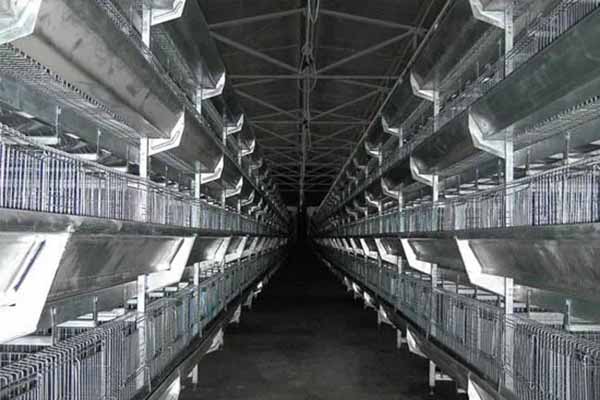
Data Comparison: Certified vs. Non - certified Equipment
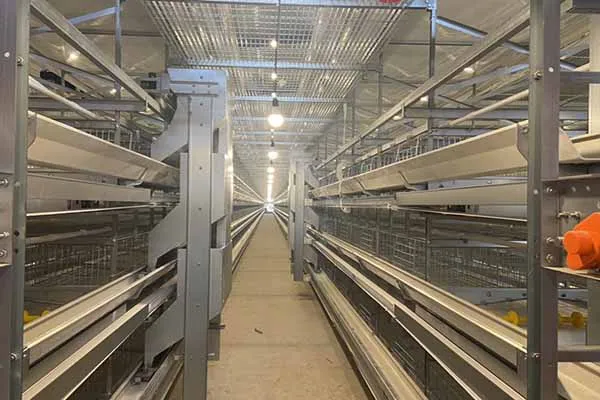
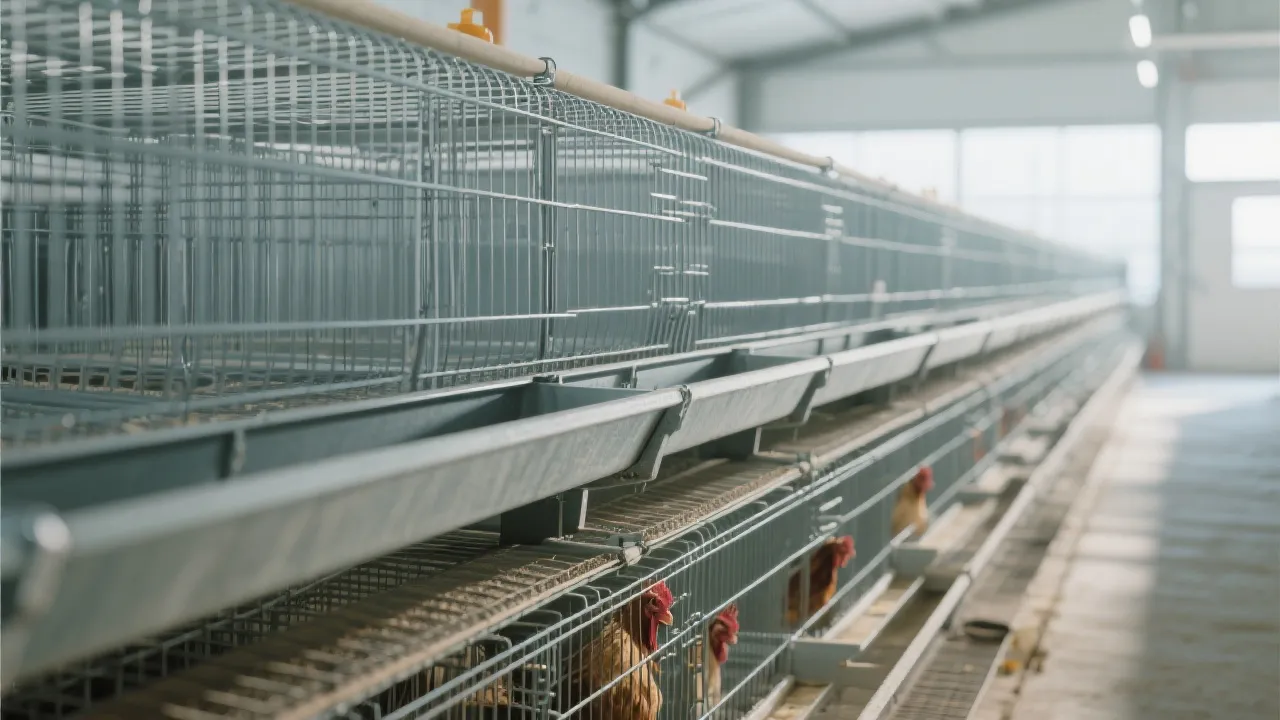
Let's compare the performance of certified and non - certified laying hen equipment. In terms of material durability, certified equipment often uses high - quality materials. For example, the H - type layer cages designed by Zhengzhou Livi Machinery are made of Q235 steel with an aluminum - zinc alloy coating, which can ensure a service life of 15 - 20 years. In contrast, non - certified equipment may use inferior materials, resulting in shorter durability.
In electrical safety and noise control, the differences are also significant. Certified equipment usually meets strict electrical safety standards, reducing the risk of electrical accidents. And the noise level of certified equipment is generally controlled below 65dB, which is beneficial to the health of both hens and workers. While non - certified equipment may have higher noise levels and potential electrical safety hazards.
| Parameters | Certified Equipment | Non - certified Equipment |
|---|---|---|
| Material Durability | Long - term use (15 - 20 years) | Shorter service life |
| Electrical Safety | Meets strict standards | Potential hazards |
| Noise Level | ≤65dB | Higher |
Real - life Case: The Cost of Non - compliance
A real - life case can further illustrate the importance of compliance. A Middle Eastern customer once purchased non - CE - compliant laying hen equipment. Due to non - compliance, the equipment was returned, resulting in a loss of over $50,000. This case highlights the potential risks in overseas customs clearance, maintenance costs, and even the health of employees when using non - certified products.

Technical Parameters and Compliance
Technical parameters are also important indicators of compliance. For example, the hot - dip galvanized layer thickness of high - quality laying hen equipment should be ≥85μm, which can effectively prevent corrosion. By understanding and adhering to these parameters, farm managers can make more scientific decisions and build a sustainable and export - ready standardized farming system.
Compliance Self - check List
To help farm managers assess the international competitiveness of their equipment, we have prepared a Compliance Self - check List for International Laying Hen Equipment. This list can guide you to conduct a comprehensive review of your equipment and determine whether it meets international standards.
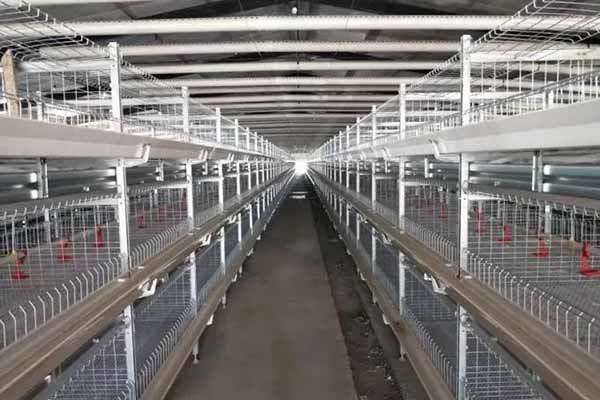
In conclusion, in the international market of laying hen equipment, compliance with international standards is not only a requirement but also an opportunity. By choosing certified equipment and adhering to strict technical parameters, farm managers can ensure the long - term success of their farms and gain a foothold in the global market. Don't miss the chance to download the Compliance Self - check List for International Laying Hen Equipment and take the first step towards international competitiveness.




Hot Products

.jpg?x-oss-process=image/resize,m_fill,h_800,w_800/format,webp)




READY TO START?
Ready to Build Your Poultry Farm?
Tell us your land size, poultry type and farming capacity. LIVI will provide a complete farm solution for your project.